
IFJ shocked by slaughter of six Libyan journalists and media workers
JournalismPakistan.com | Published: 27 April 2015
Join our WhatsApp channel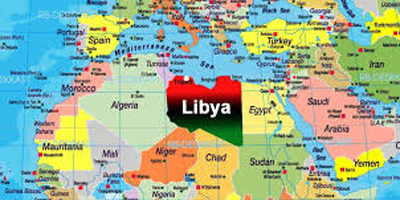
The IFJ has reacted strongly to the murder of six media workers in Libya, urging accountability for the perpetrators. This incident highlights the dangerous conditions journalists face in conflict zones.Summary
The International Federation of Journalists (IFJ) has expressed its shock and dismay at the discovery of the bodies of five employees of Libyan broadcaster, Al Barka TV.
The team had been kidnapped last August at a fake ISIS-Libya check-point while returning from filming the opening session of the newly elected Libyan parliament. Their bodies were found this morning, their throats recently slit, outside the city of Bayda.
“We are deeply shocked by this brutal slaughter” said Jim Boumelha IFJ President in a Media Release. “ISIS aims to horrify but we can only feel great sorrow and further resolve to see the killers held responsible for their crimes.”
The dead included Khaled Al Sobhi, Younes Al Mabruk Al Nawfali, Abdallah Al Karkaai, Yousef Kader Boh and Egyptian photographer Mohamed Jalal.
The sister of Mohamed Jalal had claimed that her brother had been used by ISIS to film scenes of Egyptian Coptics slaughtered in Libya earlier this year.
This news comes just two days after Muftah al-Qatrani, director of Al-Anwar was found shot in the head in his Benghazi office. Al Quatrani was a Libyan TV journalist who covered fighting between militias and government forces in Benghazi.
The IFJ will be holding a safety training for Libyan journalists together with the Rory Peck Trust in Tunisia in May.
Key Points
- Six journalists killed in Libya by ISIS-linked group
- Bodies found near Bayda, with signs of extreme violence
- IFJ calls for justice and improved safety for journalists
- Incident follows recent murder of another journalist in Benghazi
- IFJ plans safety training for Libyan journalists in Tunisia
Relevant Topics
Ask AI: Understand this story your way
AI EnabledDig deeper, ask anything — get instant context, background, and clarity.
Disclaimer: This feature is powered by AI and is intended to help readers explore and understand news stories more easily. While we strive for accuracy, AI-generated responses may occasionally be incomplete or reflect limitations in the underlying model. This feature does not represent the editorial views of JournalismPakistan. For our full, verified reporting, please refer to the original article.