.png)
IFJ mourns death of fifth media worker in one week in Yemen
JournalismPakistan.com | Published: 28 April 2015
Join our WhatsApp channel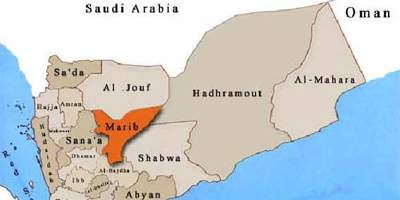
The International Federation of Journalists condemned the recent killing of journalist Abdulkareem Ali Muthna in Yemen. His death marks a troubling trend, as he is the fifth media worker killed in just one week amid ongoing conflict.Summary
The International Federation of Journalists (IFJ) joined its affiliate Yemen Journalists’ Syndicate (YJS) in condemning the killing of Marib Radio’s director Abdulkareem Ali Muthna. The killing took place on 22 April while on assignment when the journalist was covering the confrontations between the Houthis and tribal men in the province of Marib, east of Sanaa.
The YJS said that the director and editor of the regional state radio Marib Radio Ali Muthna lost his life last Wednesday in the morning in the city of Sarwah, in the province of Marib, 200 km east of the Yemeni capital. His death brings to five the number of media staff killed in the country in the last week, after the killings of Yemen Today’s TV presenter Mohammed Rajah Shamsan and three more media workers who died in an explosion caused by the Saudi-led military coalition’s airstrike.
“The YJS mourns death of Radio Marib general manager Karim Nasser Ali Muthana, who died on mission in Sirwah district, where confrontations are taking place for weeks. We present our sincere condolences to the family.”
The journalist was married and has left behind nine children.
“We are appalled by this new murder of a colleague in Yemen,” said the IFJ President Jim Boumelha. “The situation in the country has become critical for the journalists and media workers on the ground. We call one more time on the warring parties to respect journalists’ safety and fully back our Yemeni union in these difficult moments. Our thoughts are with the family and with the journalism community of Yemen.”
Key Points
- Abdulkareem Ali Muthna was killed while covering confrontations in Marib, Yemen.
- His death brings the total number of media worker fatalities to five in one week.
- The YJS and IFJ have called for respect for journalists' safety from warring parties.
- Muthna was married and left behind nine children.
- The situation for journalists in Yemen has become increasingly dangerous.
Relevant Topics
Ask AI: Understand this story your way
AI EnabledDig deeper, ask anything — get instant context, background, and clarity.
Disclaimer: This feature is powered by AI and is intended to help readers explore and understand news stories more easily. While we strive for accuracy, AI-generated responses may occasionally be incomplete or reflect limitations in the underlying model. This feature does not represent the editorial views of JournalismPakistan. For our full, verified reporting, please refer to the original article.