
Human Rights Watch: Lift travel ban on Cyril Almeida immediately
JournalismPakistan.com | Published: 13 October 2016
Join our WhatsApp channel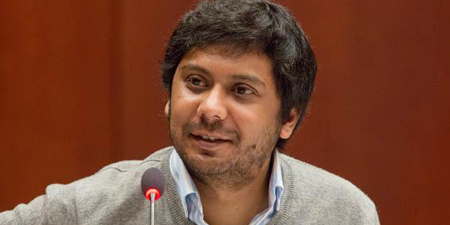
Human Rights Watch has called for the Pakistani government to lift the travel ban on journalist Cyril Almeida, asserting that it undermines media freedom. Almeida's travel restrictions follow a report detailing tensions between civilian and military leaders, which the government contested.Summary
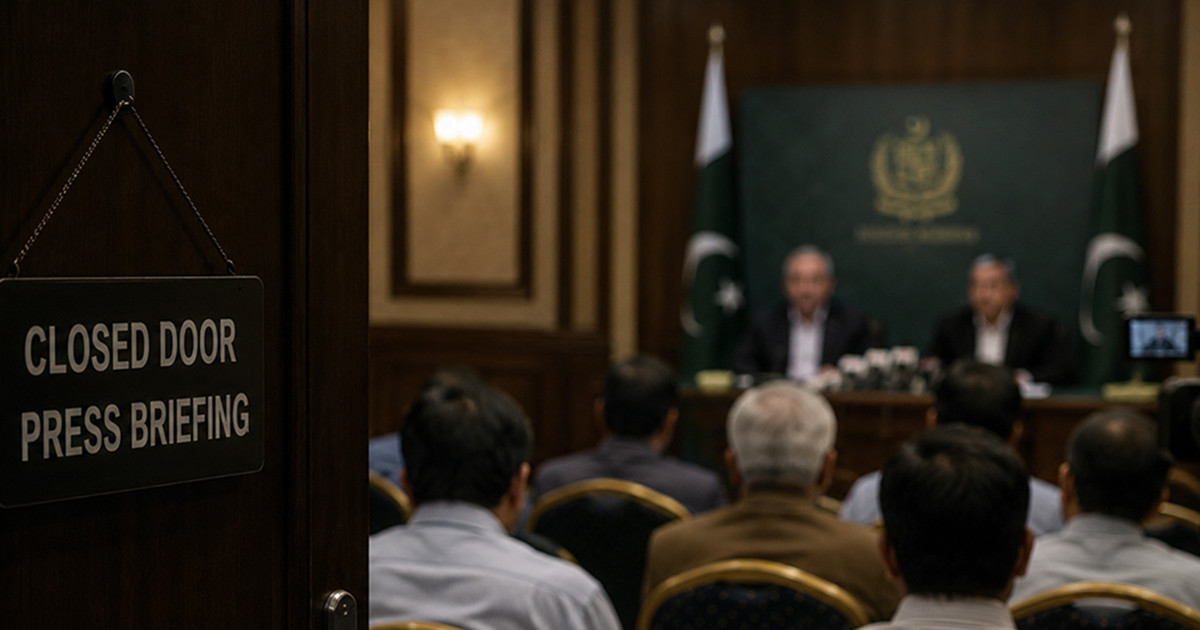
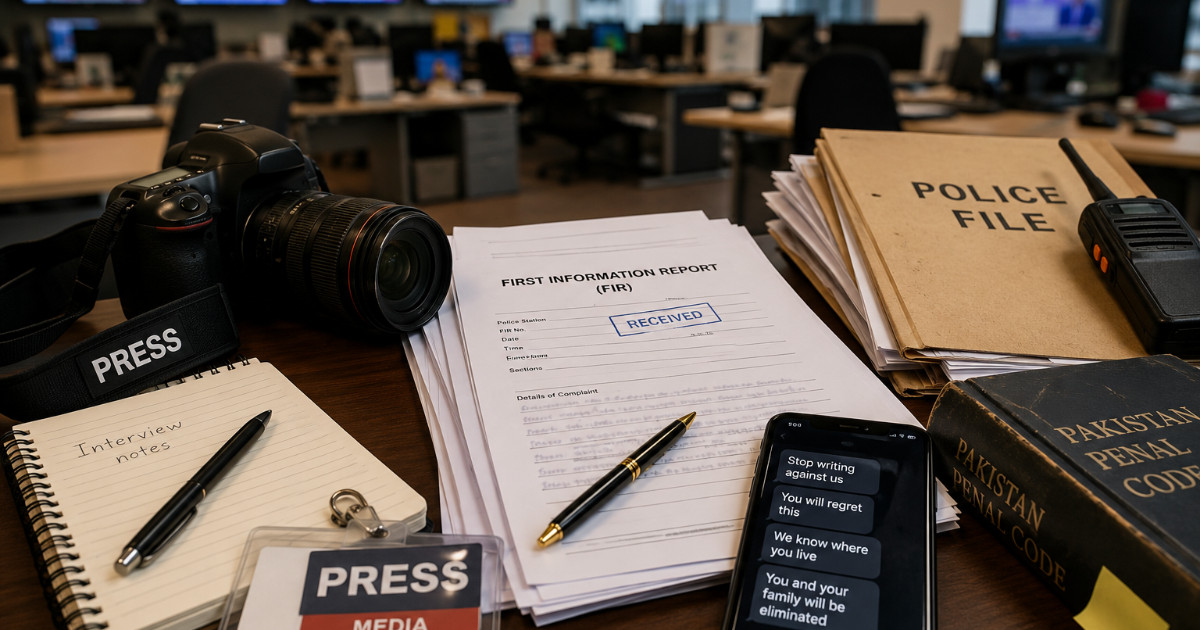
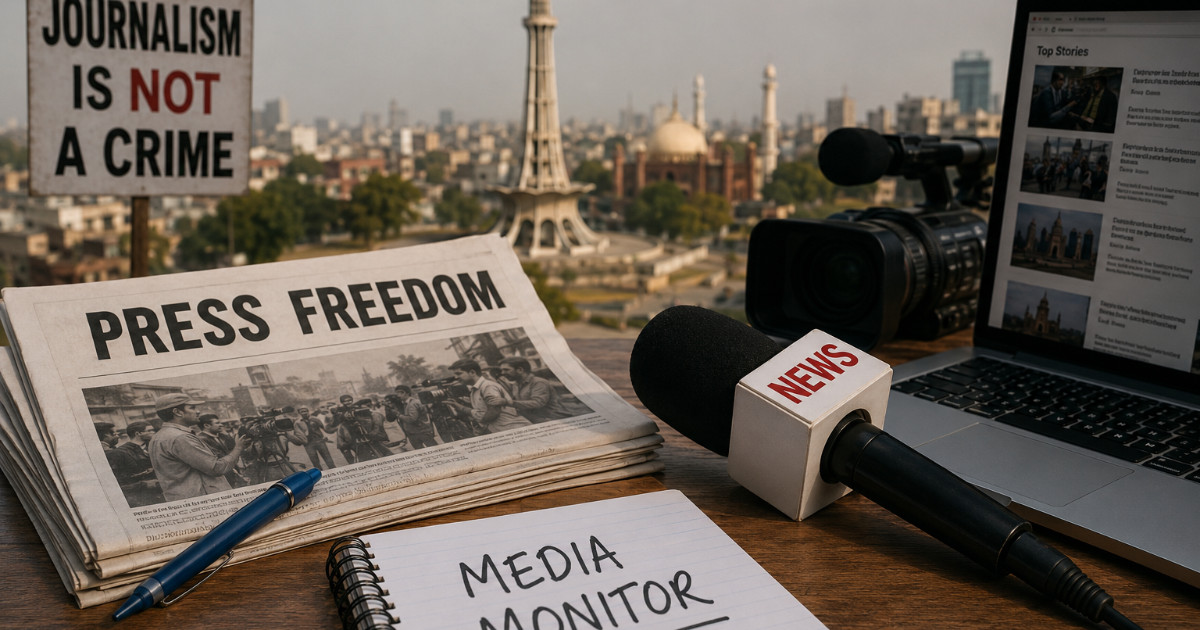
NEW YORK – Pakistan’s government should immediately drop the travel ban on a leading journalist and respect a free and open working environment for the media, Human Rights Watch said Thursday. On October 10, 2016, the government indicated to his employer and other sources that Cyril Almeida, a journalist with the major daily newspaper Dawn, had been placed on an Exit-Control List (ECL), barring him from traveling outside the country. The travel ban was in response to an October 6 news story by Almeida regarding tensions between the civilian government and military authorities, which Prime Minister Nawaz Sharif’s office said was misleading and violated national security. "Attempts to intimidate and threaten journalists is a misguided, unlawful response to whatever disagreements the Prime Minister’s Office had with the news report," said Brad Adams, Asia director at Human Rights Watch. "The government should lift the travel ban on Cyril Almeida immediately." Almedia wrote a detailed account, based on interviews with unidentified sources, of disagreements between the military and civilian authorities during an October 3 meeting. The article said that civilian authorities complained about Pakistan’s increasing international isolation due to the refusal of military intelligence agencies to act against some militant groups. After the article was published, the Prime Minister’s Office held a meeting between the top civilian and military leadership, then issued a statement on October 10 stating that the "prime minister took serious notice of the violation and directed that those responsible should be identified for stern action." Dawn responded by stating that the story was "verified, cross-checked and fact-checked." A Dawn editorial further said that, "The government should at once remove Mr. Almeida’s name from the ECL and salvage some of its dignity." Pakistani journalists have long faced serious obstacles to their work from the government, security forces, political parties, and militant groups. Journalists have experienced harassment, intimidation, assault, death threats, kidnapping, torture, murder, and arbitrary arrest and detention. Pakistan remains one of the most dangerous countries in the world for journalists. More than 35 journalists and media workers have been killed in Pakistan since 2010 because of their work. The Committee to Protect Journalists’ Global Impunity Index placed Pakistan ninth on the list of countries where journalists are murdered without the attackers being prosecuted. The government should rescind policies that shield it from criticism and instead ensure that space for public debate and free speech is protected both from extremist groups and the authorities, Human Rights Watch said. Any limitations on the right to freedom of expression must adhere to international human rights law, such as the International Covenant on Civil and Political Rights, to which Pakistan is a party. The United Nations Human Rights Committee, the expert body that monitors compliance with the covenant, has said that any restrictions on fundamental freedoms must be prescribed by law, necessary in a democratic society, and proportionate to a legitimate aim. The committee’s general comment no. 34 on freedom of expression states that when using national security as a justification for limiting free expression, the government "must demonstrate in specific and individualized fashion the precise nature of the threat and the necessity of the specific action taken." The government’s censoring of critical voices falls considerably short of these standards, Human Rights Watch said. "The Pakistani government, by clamping down on free expression, is creating an environment that makes journalists even more vulnerable," Adams said. "Using unstated national security concerns as a pretext for censorship is a worrying reminder of days of dictatorship in Pakistan." - Human Rights Watch
Related posts:
Almeida ban unlikely to go until completion of inquiry: reports
Drop travel ban on Dawn journalist: Amnesty International
Dawn defends its writer, calls for immediate removal of his name from ECL
Cyril Almeida expects further, uglier actions
APNS wants Dawn journalist's name off ECL immediately
PFUJ concerned about Almeida's safety and security
HRCP demands lifting of travel ban on journalist
Senior journalists take to Twitter to back Cyril Almeida
Dawn journalist Cyril Almeida put on Exit Control List
Key Points
- Human Rights Watch calls for lifting of travel ban on Cyril Almeida.
- Ban imposed after Almeida's report on civilian-military tensions.
- Pakistan is one of the most dangerous countries for journalists.
- Censorship by the government threatens press freedom.
- International human rights standards must be upheld in Pakistan.
Relevant Topics
Ask AI: Understand this story your way
AI EnabledDig deeper, ask anything — get instant context, background, and clarity.
Disclaimer: This feature is powered by AI and is intended to help readers explore and understand news stories more easily. While we strive for accuracy, AI-generated responses may occasionally be incomplete or reflect limitations in the underlying model. This feature does not represent the editorial views of JournalismPakistan. For our full, verified reporting, please refer to the original article.