
How newsrooms quietly practice self-censorship
JournalismPakistan.com | Published: 29 January 2026 | JP Special Report
Join our WhatsApp channel
Journalists and editors in Pakistan routinely alter, withhold or avoid reporting on contentious subjects as a form of self-censorship, driven by fears of legal action, political backlash or security threats. Newsroom policies thus prioritize staff safety.Summary
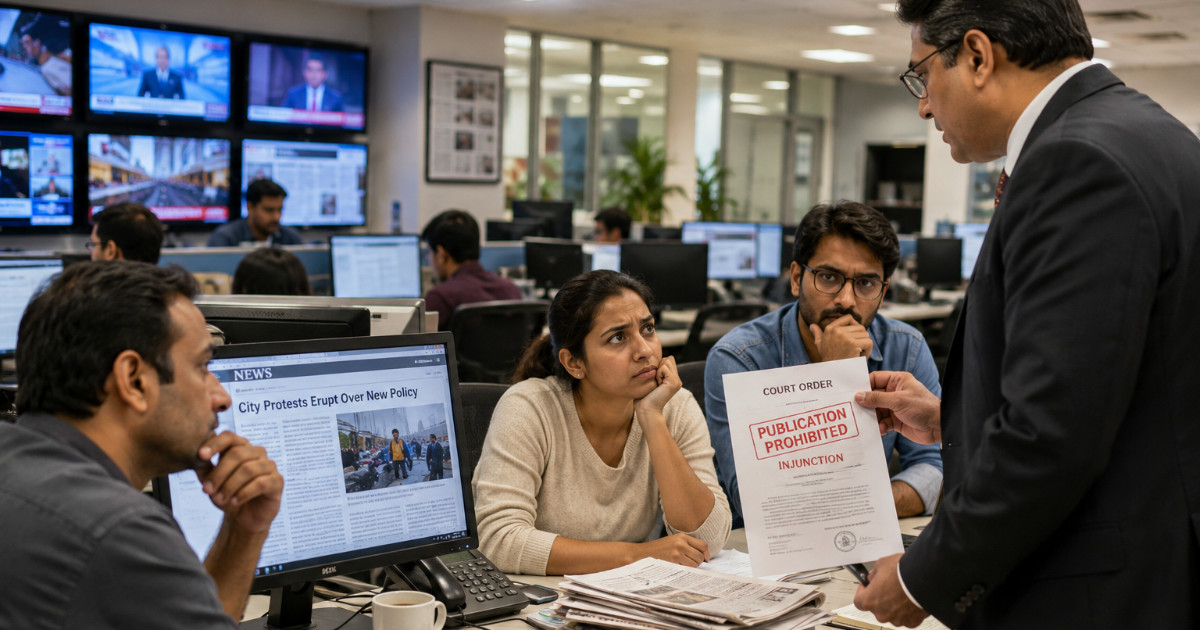
ISLAMABAD – Self-censorship in Pakistani newsrooms remains a subtle but persistent feature of editorial decision-making. Journalists and editors often make calculated choices to withhold, edit, or avoid certain stories to minimize legal, political, or societal risks. These decisions affect both which topics are covered and how they are framed, subtly shaping public discourse.
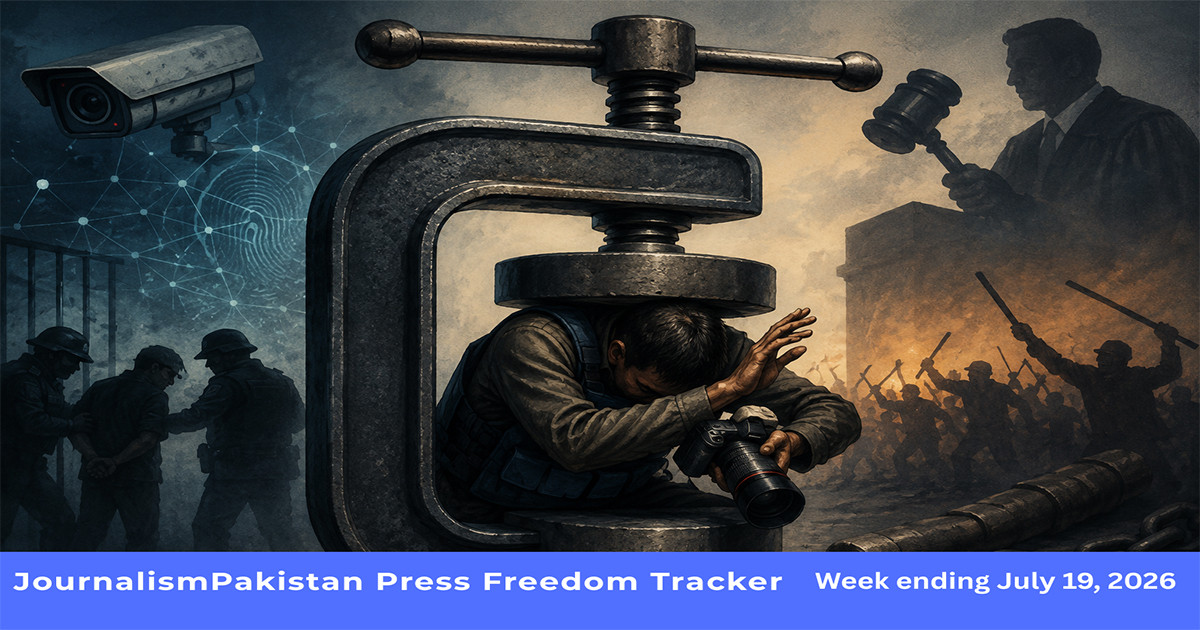
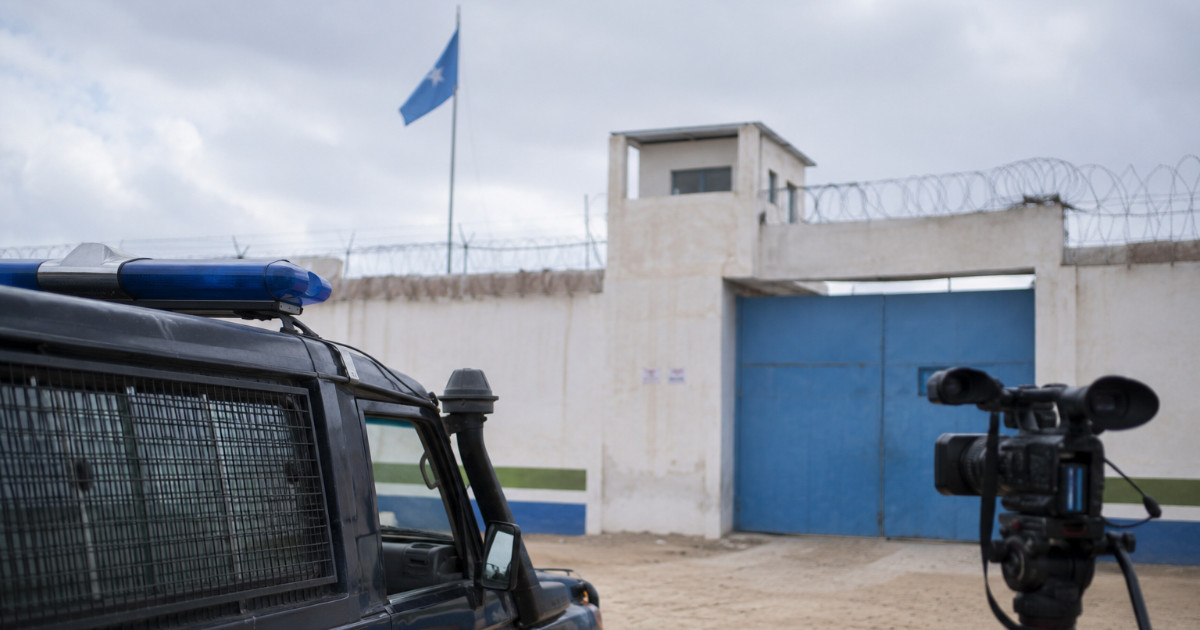
External pressures can come from multiple sources, including government scrutiny, judicial sensitivity, or threats linked to controversial issues. Coverage of sensitive topics such as blasphemy laws, judicial verdicts, or political controversies is often carefully filtered to avoid backlash, legal complications, or security threats.
Challenges in editorial independence
This dynamic is reflected in public statements from newsroom insiders. For example, former Daily Times editor Raza Rumi admitted that his colleagues practiced extra vigilance in what he called a season of self-censorship. In an article, he had revealed that many articles critical of judicial decisions or statements from senior judges were pruned or withheld for review. He also noted that the newspaper had received a threat via email for its reporting on the abuse of blasphemy laws, underscoring the tangible pressures that shape editorial decisions.
Self-censorship often functions as a form of risk management rather than purely voluntary restraint. Editorial teams may adopt internal review processes to prevent the publication of material that could trigger legal action or harassment. While these measures protect staff and the organization, they can also narrow the scope of reporting and reduce investigative ambition.
Political sensitivities and regional pressures
Newsrooms in Pakistan operate in a complex environment where politics, law, and public sentiment intersect. Editors must weigh potential repercussions against their responsibility to inform the public. This balancing act can result in cautious strategies that extend beyond obvious threats to subtler, anticipatory forms of restraint. Similar pressures are observed in other South Asian countries, indicating broader regional trends in media self-regulation.
Ethical considerations and newsroom culture
Self-censorship raises important ethical questions about transparency and accountability. Habitual caution can become embedded in newsroom culture, subtly influencing what stories are considered safe and which are avoided. Transparency about these pressures can strengthen public trust and foster professional reflection, encouraging news organizations to balance safety with editorial integrity.
Balancing safety and journalistic integrity
Editorial restraint is often pragmatic but highlights structural vulnerabilities within media organizations. Maintaining credibility and public trust while navigating internal and external pressures requires awareness, strategic planning, and clear editorial policies. Recognizing the impact of self-censorship can help newsrooms safeguard both staff safety and journalistic values.
WHY THIS MATTERS: Understanding self-censorship helps Pakistani journalists and media organizations recognize the pressures shaping reporting. It informs newsroom policies, risk management strategies, and ethical decision-making while promoting transparency and sustaining public confidence in journalism.
ATTRIBUTION: Reporting based on a publicly available article by Raza Rumi and industry observations on newsroom practices in Pakistan
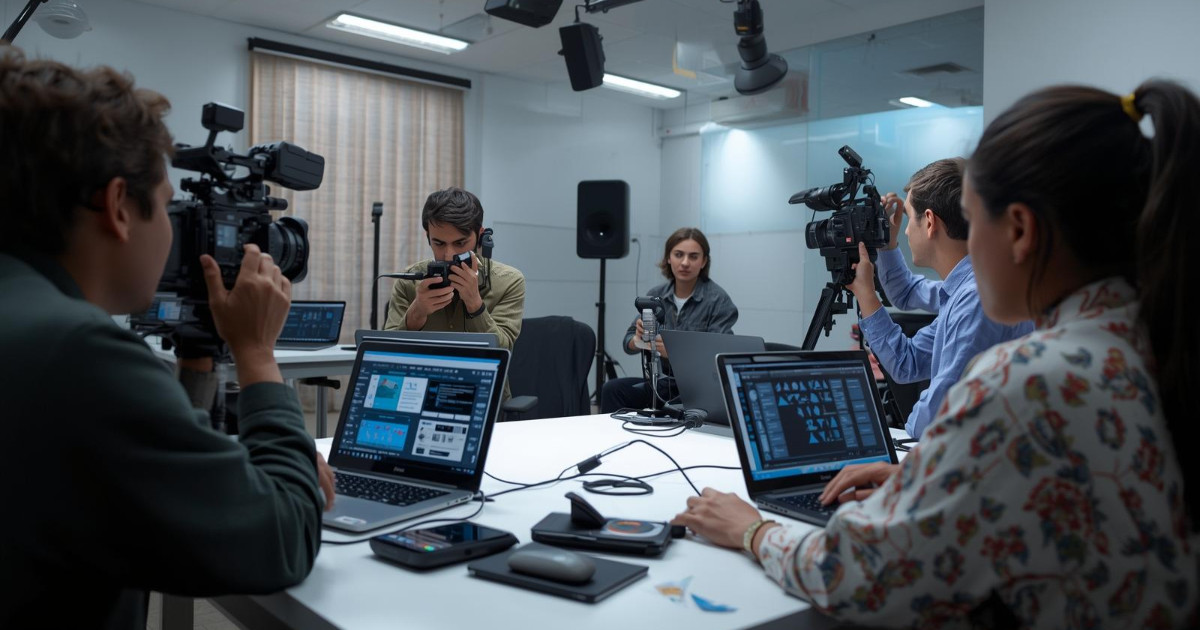
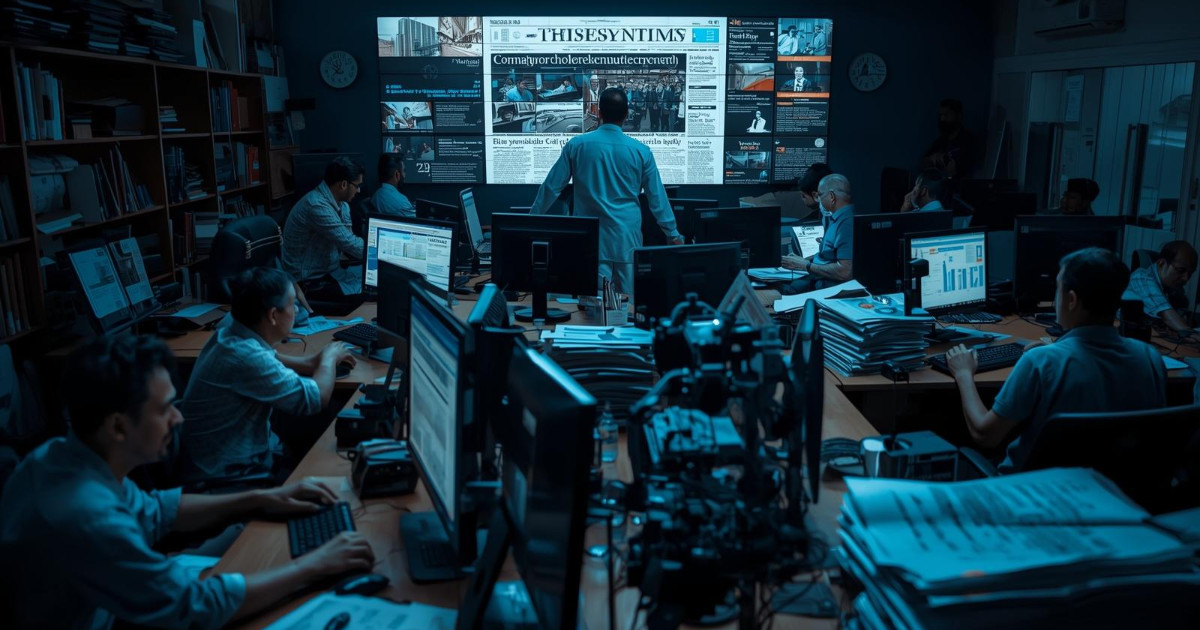
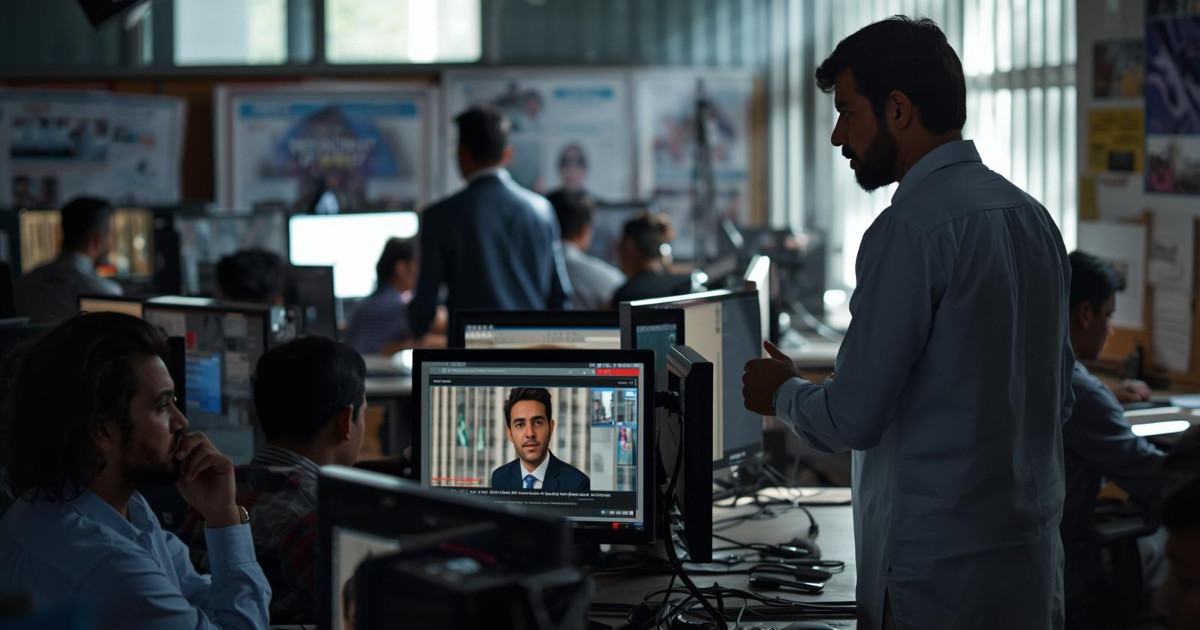
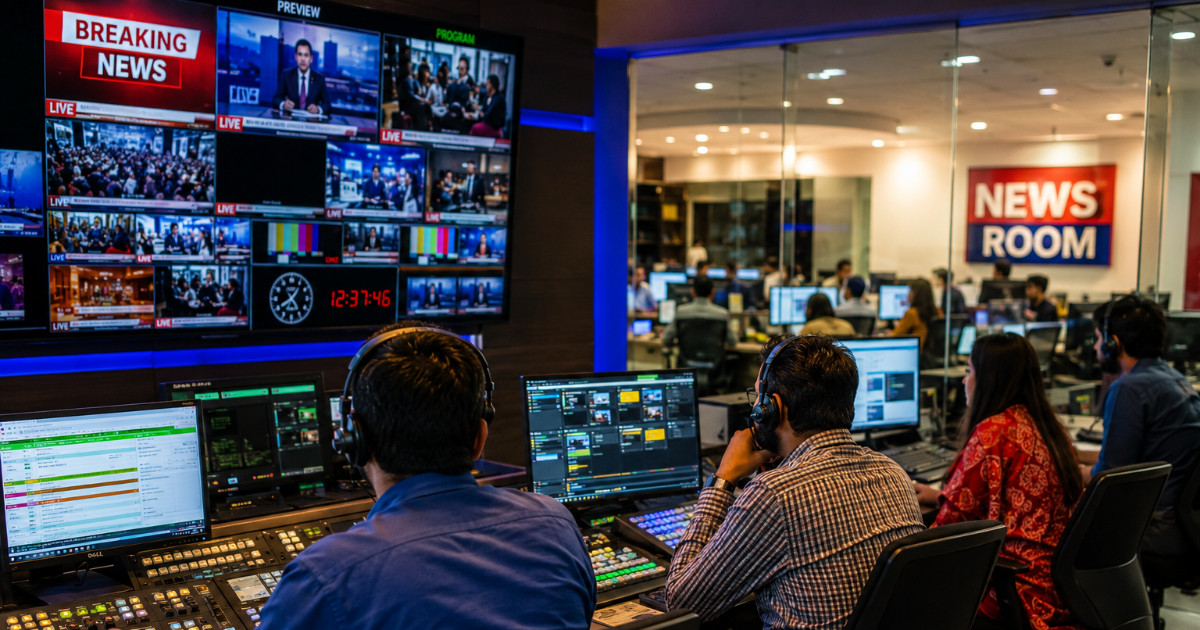
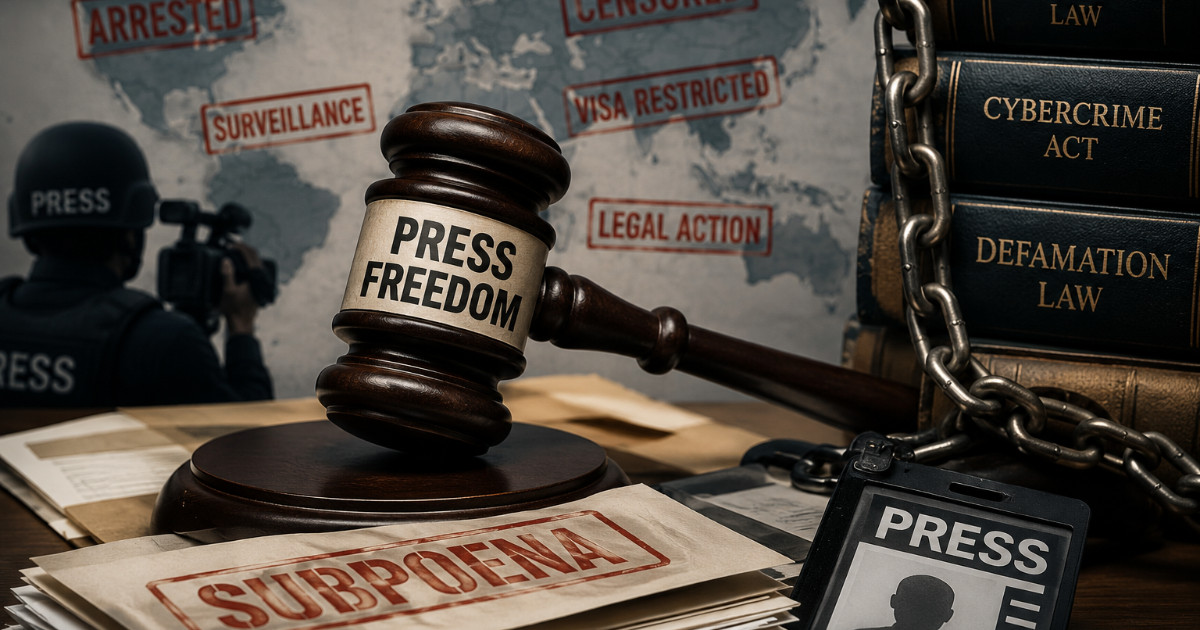
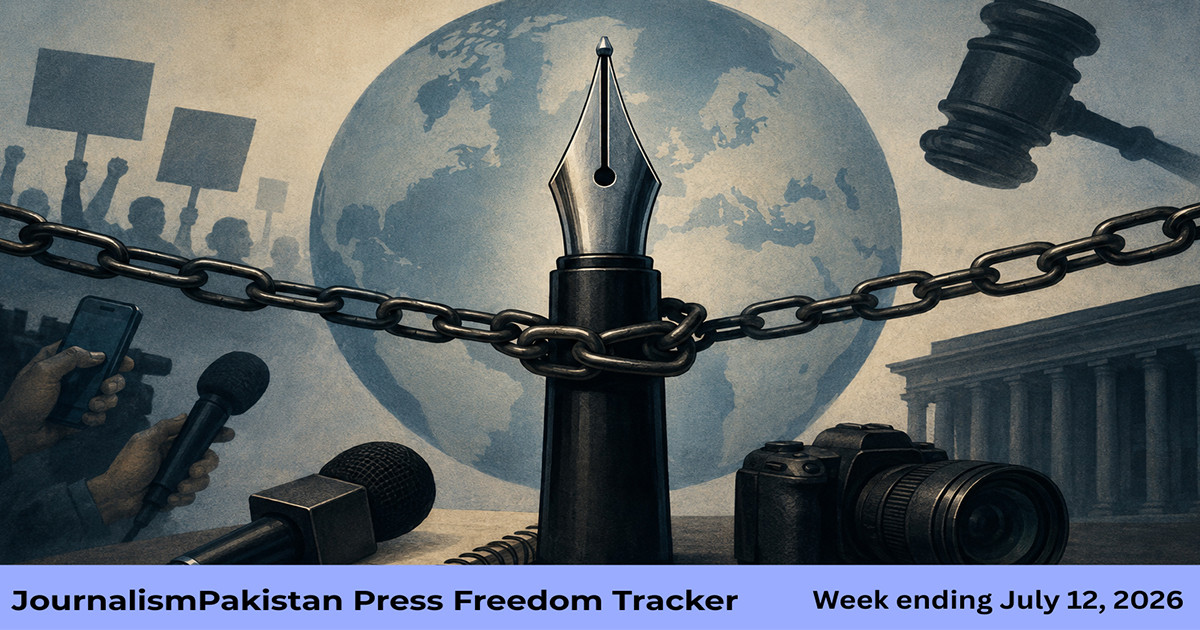
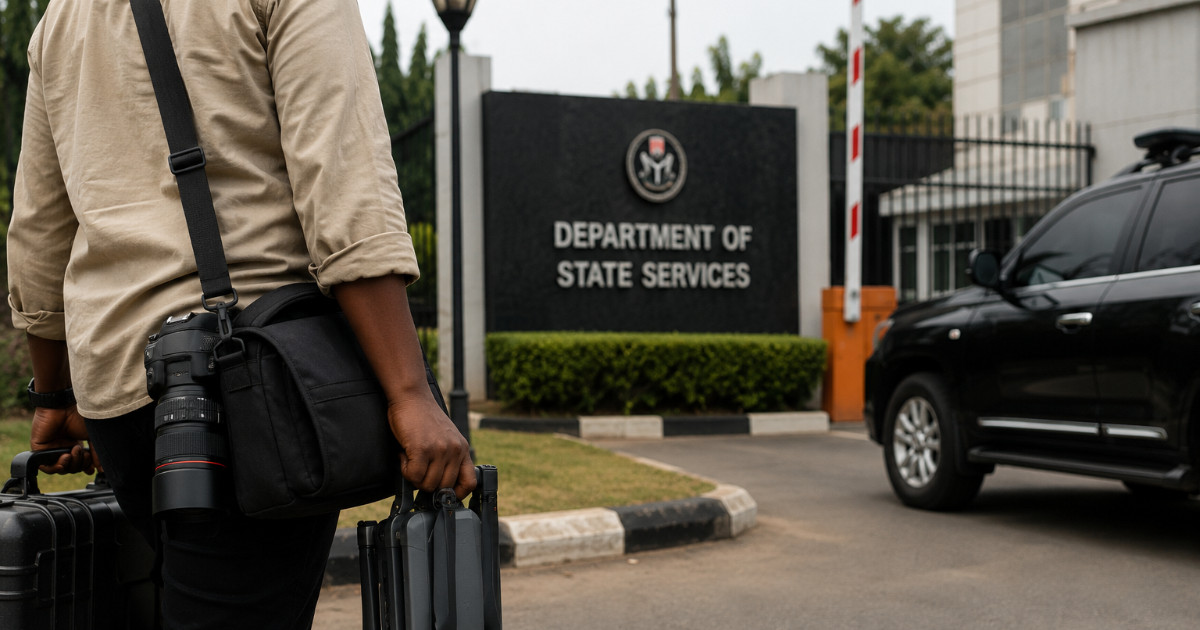
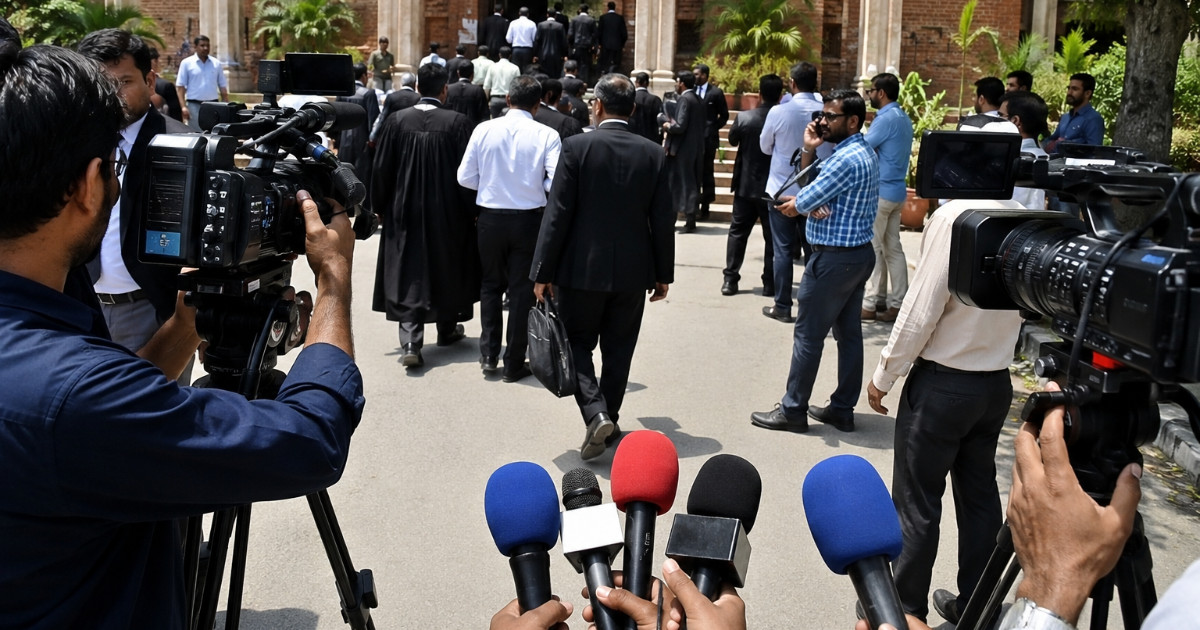
PHOTO: AI-generated; for illustrative purposes only
Key Points
- Newsrooms edit or withhold content to avoid legal, political, or security repercussions.
- Coverage of sensitive topics like blasphemy laws and judicial decisions is often filtered.
- Former Daily Times editor Raza Rumi cited extra vigilance and external threats shaping coverage.
- Self-censorship functions as risk management, with internal reviews and editorial pruning.
- These practices subtly shape public discourse and constrain editorial independence.
Relevant Topics
Ask AI: Understand this story your way
AI EnabledDig deeper, ask anything — get instant context, background, and clarity.
Disclaimer: This feature is powered by AI and is intended to help readers explore and understand news stories more easily. While we strive for accuracy, AI-generated responses may occasionally be incomplete or reflect limitations in the underlying model. This feature does not represent the editorial views of JournalismPakistan. For our full, verified reporting, please refer to the original article.