.png)
Gulf states warn live war footage posts risk jail
JournalismPakistan.com | Published: 2 March 2026 | JP Middle East Desk
Join our WhatsApp channel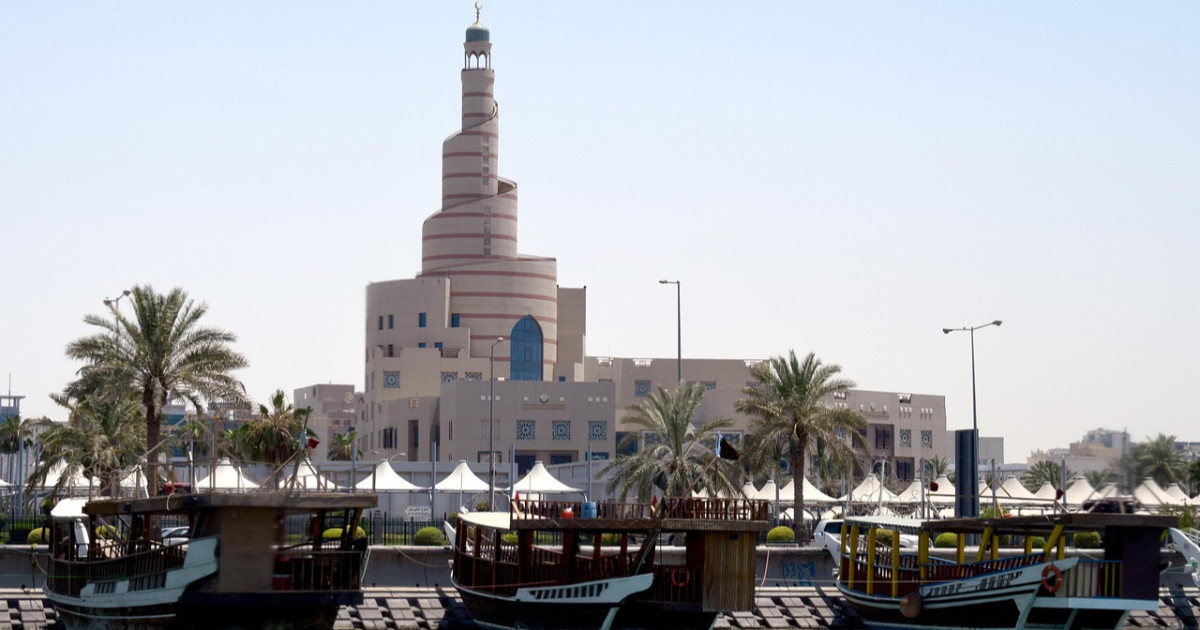
Authorities in Bahrain, Kuwait and Qatar warned that sharing live images of missile strikes, interceptions or military activity online may violate cybercrime and state security laws. Officials said they would enforce existing rules rather than create new laws.Summary
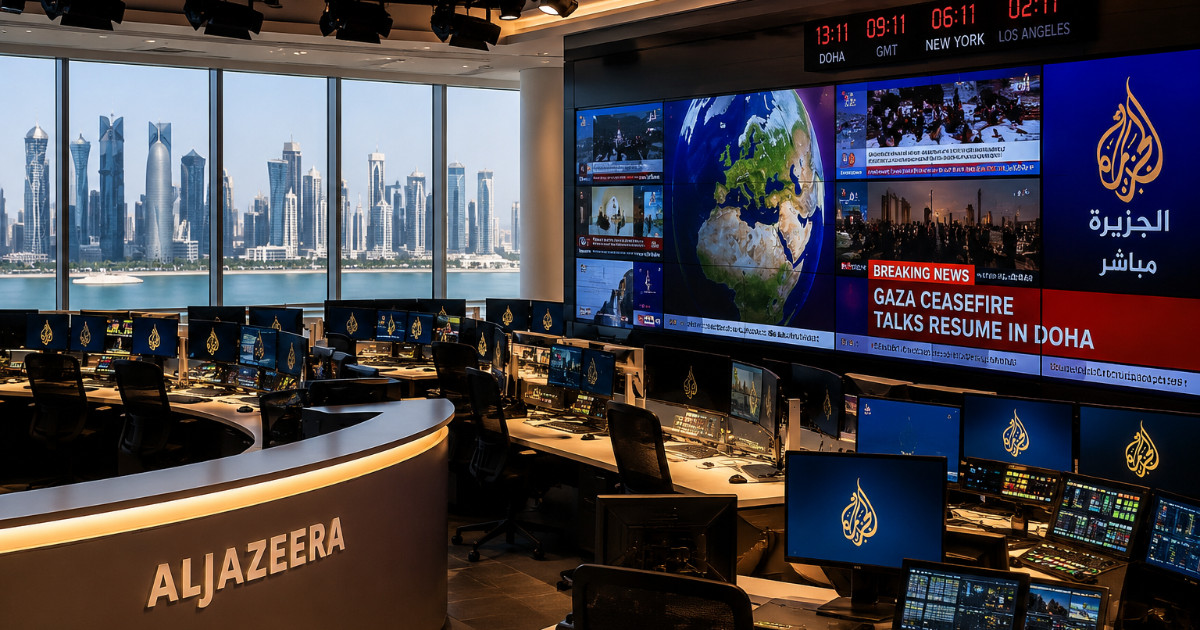
MANAMA — Authorities in Bahrain, Kuwait, and Qatar have issued fresh public warnings that sharing live footage or videos of missile strikes and military operations on social media could trigger legal consequences, citing national security and public safety concerns.
Government statements and advisories published in late February and on March 1 said that broadcasting real-time images of military engagements, including missile interceptions or strike locations, may violate existing cybercrime and national security laws. Officials argue that such content could reveal sensitive information, compromise defense operations, or spread panic.
Security concerns drive restrictions
In Bahrain, the Interior Ministry said publishing or forwarding images and video clips related to military activity without authorization could expose individuals to prosecution under national security provisions. Kuwaiti authorities issued similar cautions through official channels, warning that circulating unverified or operationally sensitive content may breach cybercrime statutes.
Qatar’s government communications office also reminded residents that sharing live footage of military incidents could carry legal consequences under existing legislation regulating online content and state security. None of the advisories introduced new laws but emphasized the enforcement of standing regulations.
The warnings follow heightened regional tensions and increased missile activity across parts of the Middle East, where air defense interceptions and retaliatory strikes have been widely documented by residents on platforms such as X, TikTok, and Instagram.
Concerns over press freedom and citizen documentation
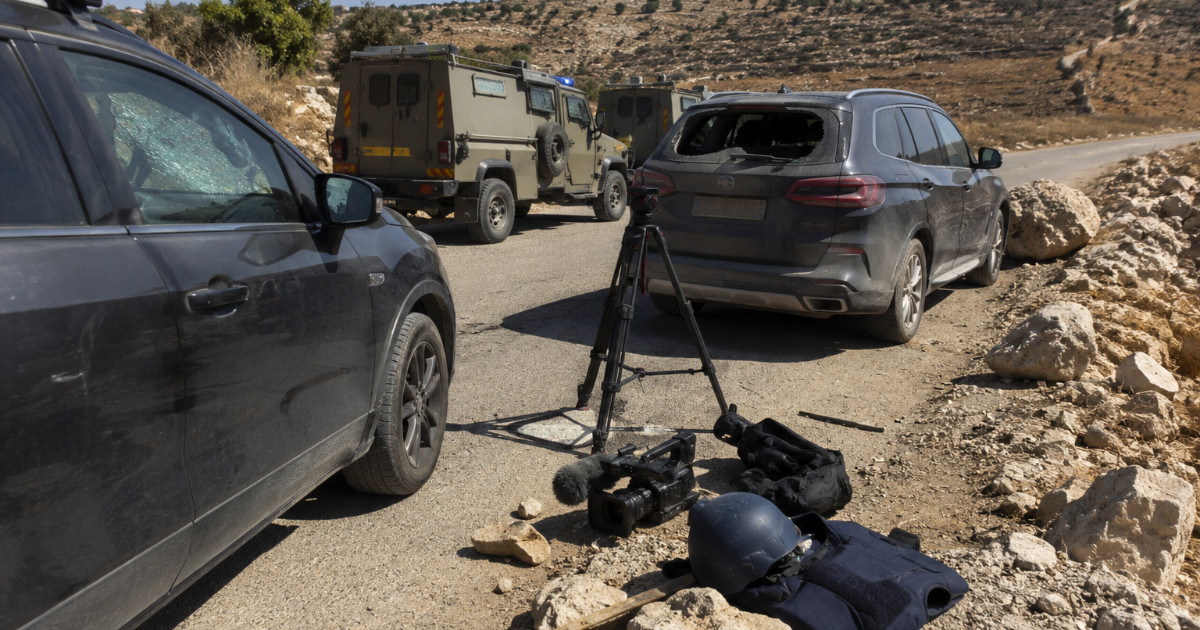
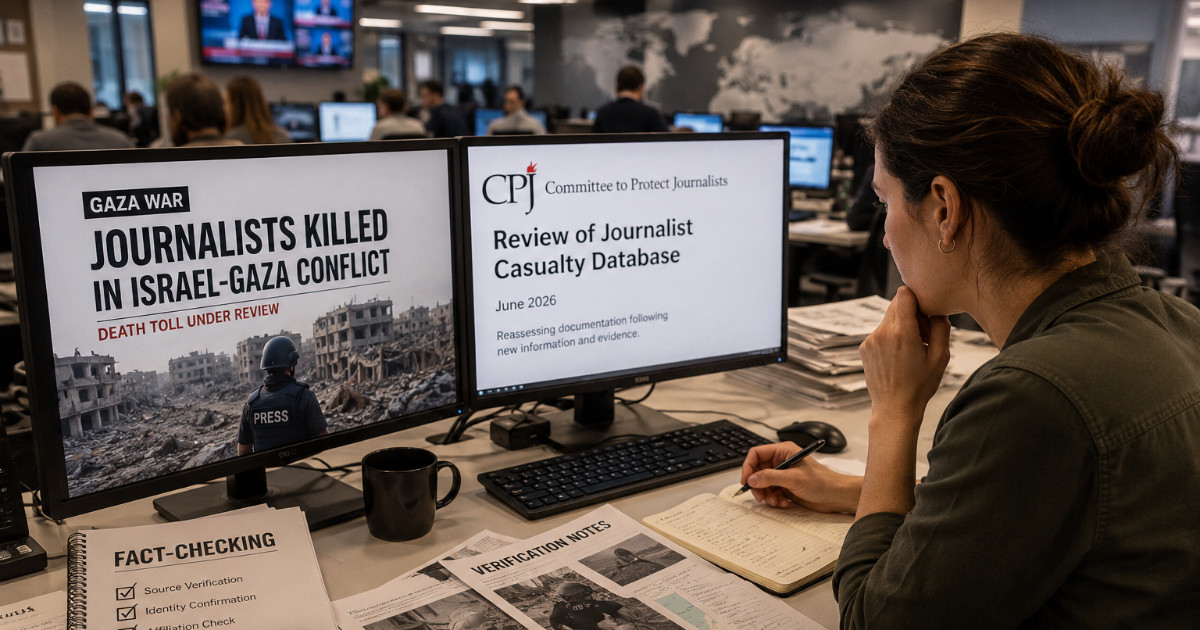
Journalistic advocacy groups and digital rights organizations say the advisories risk discouraging legitimate documentation and independent reporting during times of conflict. Media freedom monitors argue that citizen-captured video has become a critical source of verification in modern conflicts, often supplementing or challenging official narratives.
They caution that broadly worded enforcement threats could create a chilling effect, deterring both professional journalists and ordinary residents from documenting events in the public interest. While governments frame the measures as necessary to prevent operational leaks or misinformation, critics say the lack of clear guidance on what constitutes prohibited content may foster self-censorship.
Across the Gulf, cybercrime and national security laws typically provide authorities with wide discretion over online expression, particularly during emergencies. Legal experts note that enforcement patterns, rather than the text of the laws alone, will determine how significantly these warnings affect media coverage.
Regional and digital impact
The episode underscores a broader regional trend in which governments increasingly regulate real-time digital reporting during crises. In conflict settings, live-streamed footage can spread globally within seconds, complicating state efforts to manage information flows.
At the same time, international media outlets often rely on user-generated content to corroborate on-the-ground developments. Any tightening of enforcement in Bahrain, Kuwait, or Qatar may affect how quickly such material surfaces in global news cycles.
WHY THIS MATTERS: For Pakistani journalists and newsroom managers, the Gulf advisories highlight the legal risks surrounding live conflict coverage in digitally connected societies. As Pakistani reporters increasingly use social platforms for real-time updates, clear editorial protocols and legal awareness are essential to balance public interest reporting with compliance under national security and cybercrime frameworks.
ATTRIBUTION: This report is based on official advisories and public statements issued by the Interior Ministry of Bahrain, Kuwaiti authorities, and Qatar’s government communications channels on February 28 and March 1, 2026, as well as statements from media freedom and digital rights organizations during the same period.
PHOTO: By walsarabi from Pixabay
Key Points
- Authorities in Bahrain, Kuwait and Qatar warned that posting live war footage may attract prosecution.
- Officials said such content could reveal sensitive information, hinder defence operations or spark panic.
- Advisories cite enforcement of existing cybercrime and state security laws, not new legislation.
- Residents were urged to verify content and avoid sharing operationally sensitive images or videos.
Key Questions & Answers
What do the advisories warn about?
They warn that sharing live footage of missile strikes, interceptions or military actions online may breach cybercrime and state security laws.
Were new laws introduced?
No; officials said the statements stress enforcing existing regulations rather than creating new legislation.
Why are authorities restricting such posts?
Officials say live images can reveal strike locations or operational details, potentially compromising defence efforts or causing public panic.
Who could face legal consequences?
Individuals who publish, forward or broadcast unauthorized operational footage may be subject to prosecution under current statutes.
Relevant Topics
Ask AI: Understand this story your way
AI EnabledDig deeper, ask anything — get instant context, background, and clarity.
Disclaimer: This feature is powered by AI and is intended to help readers explore and understand news stories more easily. While we strive for accuracy, AI-generated responses may occasionally be incomplete or reflect limitations in the underlying model. This feature does not represent the editorial views of JournalismPakistan. For our full, verified reporting, please refer to the original article.