
Guardian questions Indian media's march to war
JournalismPakistan.com | Published: 24 October 2016
Join our WhatsApp channel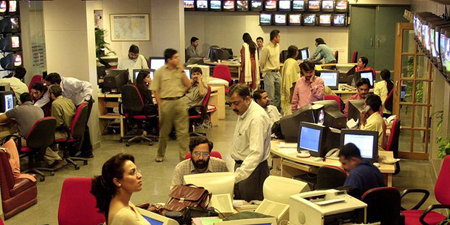
The Guardian raises concerns over the Indian media's focus on war following heightened tensions with Pakistan. It highlights the implications of this policy on journalism and public discourse in India.Summary
A story in Guardian Monday questioned Indian media’s obsession with war in the wake of the current Pakistan-India tensions, saying “the eagerness…to assume a war posture has sparked soul-searching among some Indian journalists..”
The story ‘Blasting and breathless’: fears over India’s fledging 24-hour news media’s march to war by Michael Safi says, “the prevailing TV style is blasting and breathless (there is Breaking News, Big Breaking News and Code Red Breaking News).”
It quotes Shekhar Gupta, an editor, columnist and former vice-president of the India Today Group, saying “Journalists have come to see themselves as warriors.”
Portraying the newsroom of India Today, the story says a diorama of the Indian subcontinent filled the center of the studio; toy models of Indian and Pakistan soldiers were carefully placed over an area labelled Kashmir. TV anchors, one wearing a tactical vest, stood over the board holding croupier’s sticks, ready to plot manoeuvres. A graphic that appeared at top of screen as the scene was broadcast read: “Live: India Today War Room.”
The man often credited with bringing what has been dubbed the Fox News style to India is Arnab Goswami, an spectacled Oxford graduate whose debate programme, The Newshour, is often lampooned, but easily commands the country’s largest English-speaking audience. “Goswami started a recent show declaring: “Pakistan will not learn a lesson until we hammer them into submission”, pushing the hashtag, #ActAgainstPak.”
However this bombastic style of presenting news has more to do with business and the race for rating. Prashant Jha, a senior journalist and author, says, “Most of the channels are not doing well financially.”
Guardian says on the Hindi news networks, whose ratings are more than 50 times larger than their English counterparts, the dynamics are much the same. According to analysis produced for the Guardian by CMS Media Labs, among four Hindi news channels, coverage of the Indian army’s reported strikes on Pakistan-controlled Kashmir took up between 49% and 70% of primetime air between 29 September and 1 October. Gupta, a former editor of the Indian Express newspaper, sees in the media’s march to war something of the state of political discourse in India: shriller and more partisan than in the past.
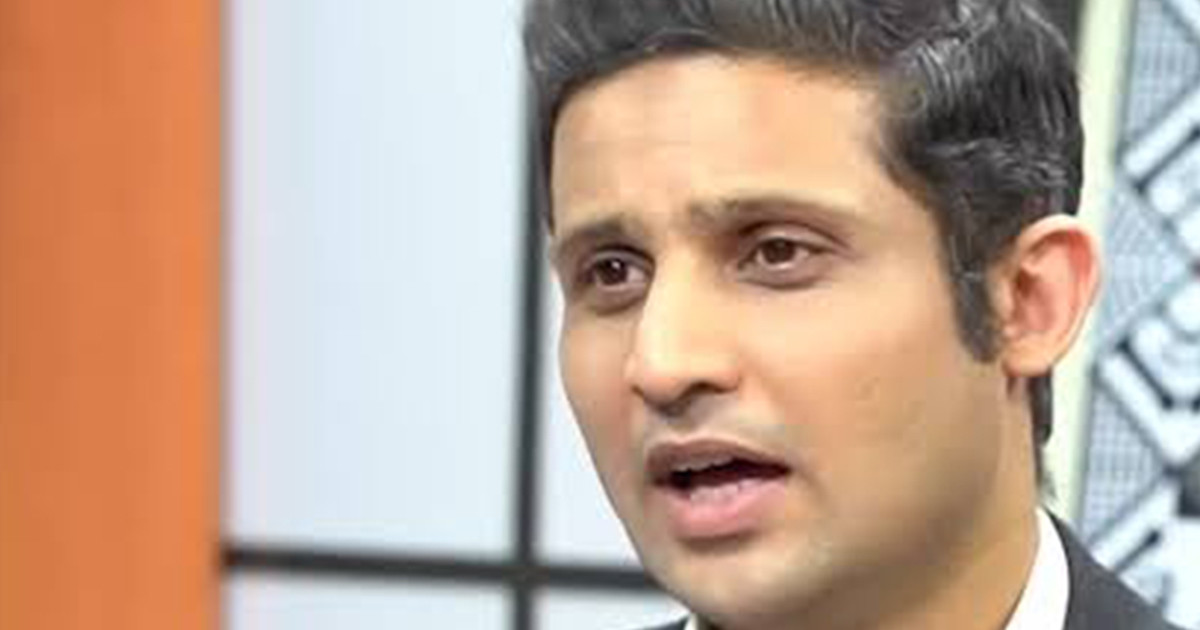
Image: AP
Key Points
- Indian media's obsession with war is leading to a shift in journalistic ethics.
- Coverage of military actions against Pakistan dominates primetime viewing.
- Critics argue media is prioritizing ratings over responsible reporting.
- The rise of sensationalist news is seen as detrimental to true journalism.
- Influential figures in the media are promoting aggressive narratives.
Relevant Topics
Ask AI: Understand this story your way
AI EnabledDig deeper, ask anything — get instant context, background, and clarity.
Disclaimer: This feature is powered by AI and is intended to help readers explore and understand news stories more easily. While we strive for accuracy, AI-generated responses may occasionally be incomplete or reflect limitations in the underlying model. This feature does not represent the editorial views of JournalismPakistan. For our full, verified reporting, please refer to the original article.