
For India's journalists corruption can be a deadly beat
JournalismPakistan.com | Published: 29 August 2016
Join our WhatsApp channel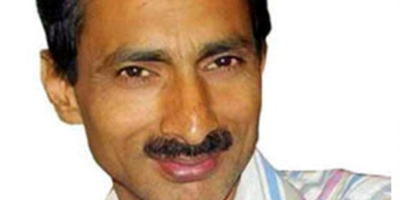
A new CPJ report reveals the alarming risks faced by journalists covering corruption in India, noting a culture of impunity. It urges the national government for stronger protections and oversight.Summary
NEW YORK - A culture of impunity in India is leaving the country's press vulnerable to threats and attacks, the Committee to Protect Journalists (CPJ) found in a report released today. The report finds that regional investigations have failed to secure justice for journalists murdered for their work, and urges the national government to enact legislation that would provide federal oversight. "Small-town reporters and those covering corruption are at greater risk of attack than other journalists, and the reluctance by regional authorities to carry out comprehensive investigations and bring the perpetrators to justice is creating a dangerous climate for the country's press," said Steven Butler, CPJ Asia Program Coordinator. "We urge the central government and the Central Bureau of Investigation to thoroughly investigate the killings of all journalists." Since 1992, 27 journalists have been murdered in direct retaliation for their work in India, and no one has been brought to justice, CPJ research shows. The report, "Dangerous pursuit: In India, journalists who cover corruption may pay with their lives," examines the deaths of three journalists and the authorities' response, highlighting impunity in the killing of journalists, especially those outside of the major urban centers who cover local wrongdoing.
Freelancer Jagendra Singh (pictured), who died from his injuries after he reported being set on fire by police in June 2015, was covering allegations that a local minister was involved in land grabs and a rape. Before he was shot dead in January 2011, Umesh Rajput was reporting on allegations of medical negligence and claims that the son of a politician was involved in illegal gambling. Investigative reporter Akshay Singh was working on a story linked to a $1 billion university admissions racket when he died unexpectedly in July 2015. During an investigative trip to India earlier this year, CPJ met with relatives of the three journalists, as well as lawyers, and members of the press, who explained the challenges in securing justice. The report was written by Sumit Galhotra, CPJ's Asia program senior research associate, and Raksha Kumar, a freelance journalist in India. P.Sainath, an award-winning journalist, wrote the report's foreword, "Journalism as well as journalists are in danger from failure to stand up for India's press," and Aayush Soni, a freelance reporter in New Delhi, wrote the sidebar, "Pursuit of truth comes at heavy price for India's Right to Information activists." Included in the report is a series of recommendations CPJ has made to the Indian government, the Uttar Pradesh and Chhattisgarh state governments, and the Central Bureau of Investigation. - CPJ media release
Key Points
- CPJ finds journalists covering corruption in India are at high risk.
- 27 journalists have been murdered since 1992 with no justice served.
- The report calls for federal oversight and thorough investigations.
- Regional authorities often fail to protect or investigate threats.
- Recommendations for government and investigative bodies included in the report.
Relevant Topics
Ask AI: Understand this story your way
AI EnabledDig deeper, ask anything — get instant context, background, and clarity.
Disclaimer: This feature is powered by AI and is intended to help readers explore and understand news stories more easily. While we strive for accuracy, AI-generated responses may occasionally be incomplete or reflect limitations in the underlying model. This feature does not represent the editorial views of JournalismPakistan. For our full, verified reporting, please refer to the original article.