
Career paths in journalism beyond reporting
JournalismPakistan.com | Published: 27 January 2026 | JP Staff Report
Join our WhatsApp channel
Students and early professionals should know journalism includes paths beyond reporting such as editorial, newsroom management and digital or multimedia roles. These careers focus on content strategy, team leadership and audience engagement.Summary
ISLAMABAD — Journalism is often associated with reporting news from the field, but the industry offers a wide array of career paths that go beyond traditional reporting. For students and early-career professionals, understanding these roles can help shape long-term career planning and open opportunities in media organizations that extend far beyond the newsroom.
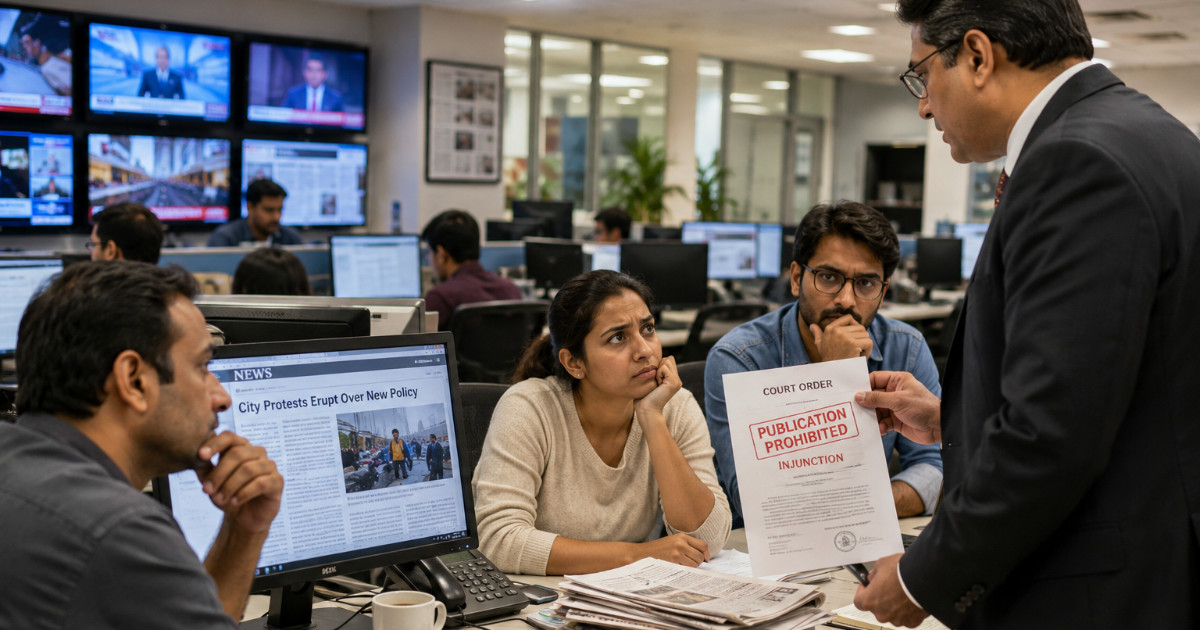
One alternative to reporting is working in editorial roles. Editors are responsible for shaping stories, reviewing content for accuracy, and ensuring that news coverage meets ethical and professional standards. They often mentor reporters, manage deadlines, and make critical decisions about which stories to publish and how to present them to audiences.
Editorial and management opportunities
Another option is media management, which includes roles such as newsroom managers, production coordinators, and digital content strategists. These positions focus on operational efficiency, audience engagement, and digital transformation strategies. Professionals in management oversee budgets, coordinate teams, and implement tools that streamline content production while increasing reach and visibility.
Digital and multimedia specializations
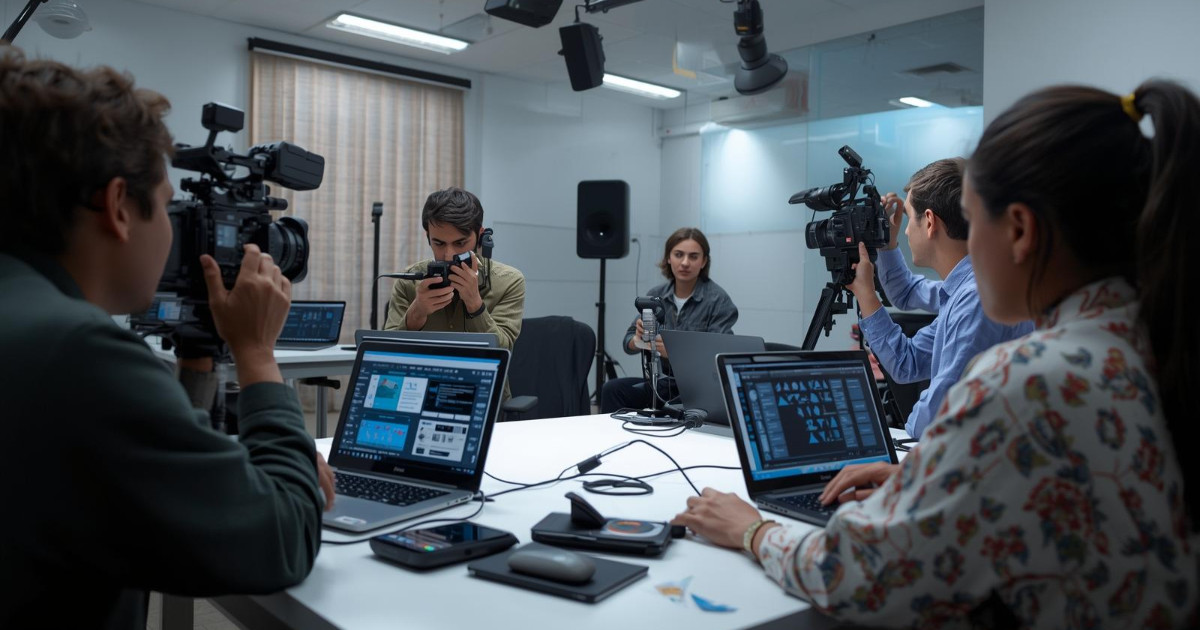
With the growth of digital media, there are also specialized roles in social media management, video production, data journalism, and multimedia storytelling. Social media managers are responsible for curating content, interacting with audiences, and analyzing engagement metrics to guide editorial strategy. Multimedia producers and video journalists create content that integrates visuals, audio, and graphics to communicate complex stories compellingly. Data journalists analyze datasets to uncover trends and develop evidence-based reporting, often supporting investigative journalism projects.
Photojournalism and visual reporting
Photojournalism remains a distinct and important career path within journalism, combining visual storytelling with editorial judgment. Photojournalists document news events, social issues, conflicts, and everyday life through still images, often working closely with editors to ensure accuracy, context, and ethical standards. Their work appears across digital platforms, print publications, and wire services, and increasingly forms the backbone of visual-first news coverage.
Beyond traditional news photography, photojournalists may specialize in documentary projects, human interest features, or long-term visual investigations. With the rise of digital publishing, many also develop skills in basic video, captions, and visual verification to meet newsroom requirements. For students and early-career journalists, photojournalism offers a pathway that values observation, credibility, and storytelling without relying primarily on written reporting.
Communications and public relations
Journalism skills are highly transferable to communications and public relations. Professionals in these fields work with media outlets, governments, NGOs, and private organizations to develop messaging, manage press relations, and handle crisis communications. Experience in journalism provides an understanding of media processes, audience expectations, and storytelling, enhancing effectiveness in these roles.
Academic and training roles
Some journalists choose to move into academia or training. University positions, workshops, and media development programs allow experienced professionals to teach skills, conduct research, and contribute to the development of the next generation of journalists. These roles also provide opportunities to engage with media ethics, press freedom issues, and emerging technologies in journalism.
Freelancing and consultancy
Freelancing and consultancy offer another pathway, allowing professionals to work independently on projects ranging from investigative stories to media strategy consulting. Freelancers often collaborate with multiple outlets, provide expert analysis, or create content for specialized audiences. This path requires strong self-management, networking, and adaptability, but can offer flexibility and creative autonomy.
WHY THIS MATTERS: Understanding the diverse career paths beyond reporting is critical for Pakistani journalists and media students as it helps expand professional opportunities, reduce career stagnation, and adapt to the evolving media landscape. For media organizations, encouraging staff to explore these roles can strengthen overall newsroom capacity, digital presence, and audience engagement.
PHOTO: AI-generated
Key Points
- Editorial roles shape stories, review accuracy, mentor reporters and decide what reaches audiences.
- Media management covers newsroom operations, budgeting, team coordination and digital transformation.
- Digital specializations include social media management, video production, data journalism and multimedia storytelling.
- Social media managers curate content, engage audiences and analyze metrics to inform editorial strategy.
- Students and early-career professionals can plan long-term careers by exploring these non-reporting pathways.
Relevant Topics
Ask AI: Understand this story your way
AI EnabledDig deeper, ask anything — get instant context, background, and clarity.
Disclaimer: This feature is powered by AI and is intended to help readers explore and understand news stories more easily. While we strive for accuracy, AI-generated responses may occasionally be incomplete or reflect limitations in the underlying model. This feature does not represent the editorial views of JournalismPakistan. For our full, verified reporting, please refer to the original article.