
Amar Guriro: Journalism's future is human-AI partnership The JournalismPakistan Global Media Brief | Edition 23 | June 5, 2026 As AI reshapes news, publishers seek a sustainable future Every frame at a cost: The safety crisis facing Pakistan's camerapersons Why journalists are increasingly targeted in conflict zones What the 60 Minutes controversy means for TV journalism Zee secures FIFA World Cup rights in India through 2030 How fact-checkers verify viral videos during breaking news Pentagon restrictions on reporters draw media backlash Israel-Lebanon talks proceed as conflict hinders reporting Why governments are tightening controls on foreign journalists China condemns US restrictions on Xinhua reporter Taiwan condemns China over New York Times reporter expulsion The biggest threats facing journalism in Asia today Press freedom review: The many faces of pressure on the press Amar Guriro: Journalism's future is human-AI partnership The JournalismPakistan Global Media Brief | Edition 23 | June 5, 2026 As AI reshapes news, publishers seek a sustainable future Every frame at a cost: The safety crisis facing Pakistan's camerapersons Why journalists are increasingly targeted in conflict zones What the 60 Minutes controversy means for TV journalism Zee secures FIFA World Cup rights in India through 2030 How fact-checkers verify viral videos during breaking news Pentagon restrictions on reporters draw media backlash Israel-Lebanon talks proceed as conflict hinders reporting Why governments are tightening controls on foreign journalists China condemns US restrictions on Xinhua reporter Taiwan condemns China over New York Times reporter expulsion The biggest threats facing journalism in Asia today Press freedom review: The many faces of pressure on the press
Logo
Janu
Women in Media

Cannot return home immediately, says journalist who survived bid on his life

 JournalismPakistan.com |  Published: 25 April 2014

Join our WhatsApp channel
Cannot return home immediately, says journalist who survived bid on his life
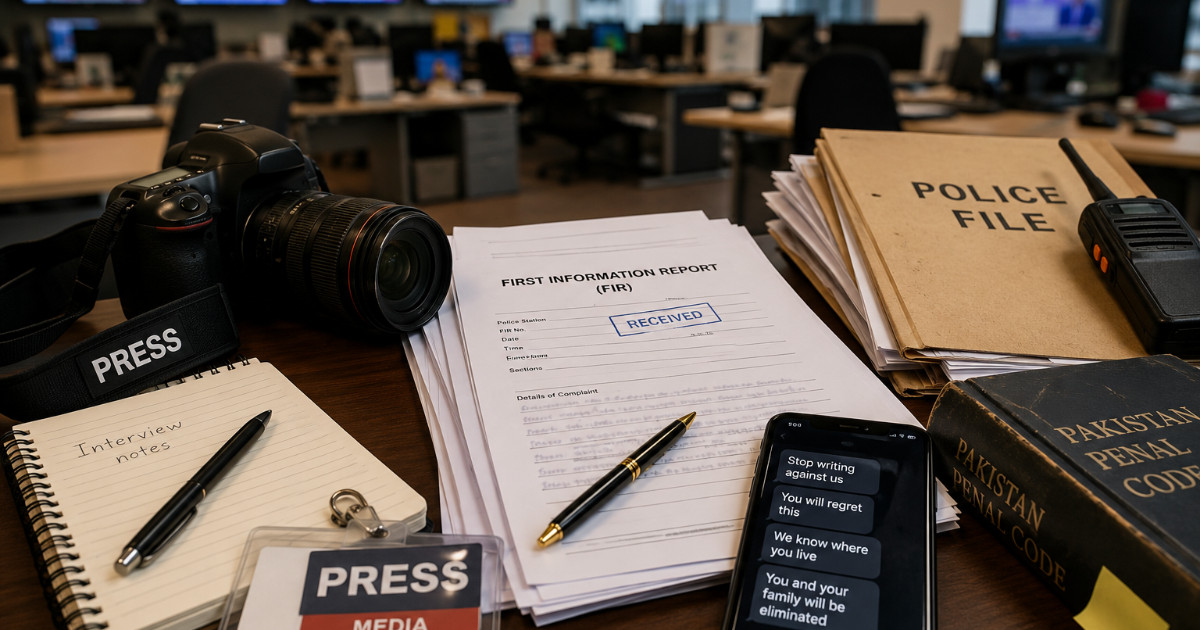
Raza Rumi, a journalist who survived an assassination attempt, has stated he cannot return to Pakistan immediately due to safety concerns. He highlights the dangers faced by journalists who confront state authorities or extremist groups.

ISLAMABAD: Journalist and analyst Raza Rumi who fled Pakistan after surviving an assassination attempt last month, says he cannot return home immediately.

"I would love to go back, that is what I want to do but I don't think I can immediately go back," he told npr.org in an interview in the United States.

"I can perhaps go back and have a hermit's life in my home but I will have to go out somewhere and somebody would go with me. I don't want another person to be killed because he or she was with me," he said.

Rumi, an editor at the Friday Times and a program host on Express News TV told interviewer Steve Inskeep he cannot forget, at least for now his driver who was killed in the attack in Lahore on March 28.

"A 25 year old guy, head of a household, young, promising, who had a life ahead of him died in this confrontation between the extremists and the liberal voice and I can't forget that at least for now."

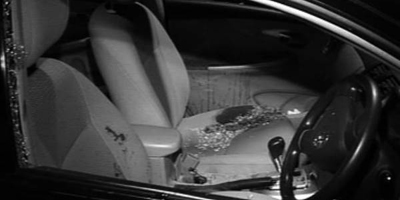
Gunmen ambushed Rumi's car in a Lahore neighborhood as he headed home after doing his television program.

"Police found 11 shells from the car but there were more bullets. I do not have access to the exact investigation report but it was over 20 bullets because some were sprayed in the air to make sure all passersby ran away," he said.

Asked how dangerous it is to be a journalist in Pakistan right now, Rumi had this to say:

"It is extremely dangerous if you cross certain lines in Pakistani journalism and those lines are when you get into direct confrontation with the state authorities or you get into a confrontation with non-state actors. And non-state actors include both the extremist armed groups and also some sections of gangs affiliated with political parties.

"If you don't cross those lines, for example if you don't talk about Christians, Ahemadis and Shias, and bigotry etc, you are safe. If you say Taliban are great, you are safe. If you say the fight of AlQaeda against the West is a Kosher game you are safe. But if you cross these lines, you are unsafe."

Key Points

  • Raza Rumi fled Pakistan after surviving a deadly attack.
  • He lost his driver in the ambush, highlighting the risks of journalism.
  • Rumi describes the extreme danger of crossing certain lines in Pakistani journalism.
  • He stresses that discussing sensitive topics makes journalists unsafe.
  • The attack involved over twenty bullets, evidencing the severity of the threat.

Ask AI: Understand this story your way

AI Enabled

Dig deeper, ask anything — get instant context, background, and clarity.

Not sure what to choose? Try one of these.

The AI generates results based on your selected options
Your AI-generated results will appear here after you click the button.

Disclaimer: This feature is powered by AI and is intended to help readers explore and understand news stories more easily. While we strive for accuracy, AI-generated responses may occasionally be incomplete or reflect limitations in the underlying model. This feature does not represent the editorial views of JournalismPakistan. For our full, verified reporting, please refer to the original article.

Explore Further

Newsroom
Amar Guriro: Journalism's future is human-AI partnership

Amar Guriro: Journalism's future is human-AI partnership

 June 05, 2026 Amar Guriro, founder of Pakistan's first AI-powered news platform, says journalism's future rests on human-AI collaboration to improve reporting while preserving editorial oversight.


The JournalismPakistan Global Media Brief | Edition 23 | June 5, 2026

The JournalismPakistan Global Media Brief | Edition 23 | June 5, 2026

 June 05, 2026 Global Media Brief reviews pressures reshaping journalism, press freedom, AI and platform power, and reports BBC's Emmy, 60 Minutes turmoil and Taiwan's protest.


As AI reshapes news, publishers seek a sustainable future

As AI reshapes news, publishers seek a sustainable future

 June 05, 2026 At the World News Media Congress in Marseille, publishers discussed how generative AI is altering newsroom workflows, audience engagement and content licensing.


Why journalists are increasingly targeted in conflict zones

Why journalists are increasingly targeted in conflict zones

 June 04, 2026 Journalists in conflict zones face rising danger as combatants, states and militias increasingly target independent reporting to control narratives.


What the 60 Minutes controversy means for TV journalism

What the 60 Minutes controversy means for TV journalism

 June 03, 2026 The 60 Minutes controversy at CBS exposes tensions over leadership, editorial independence and pressures on legacy TV journalism amid political polarization.


Popular Stories