.png)
Behind the byline: the hidden struggles of journalists
JournalismPakistan.com | Published: 5 February 2026 | JP Staff Report
Join our WhatsApp channel
Many Pakistani reporters use anonymous bylines to protect themselves and sources from threats and legal pressure. Long hours, emotional strain and limited newsroom support drive burnout and diminish professional recognition.Summary
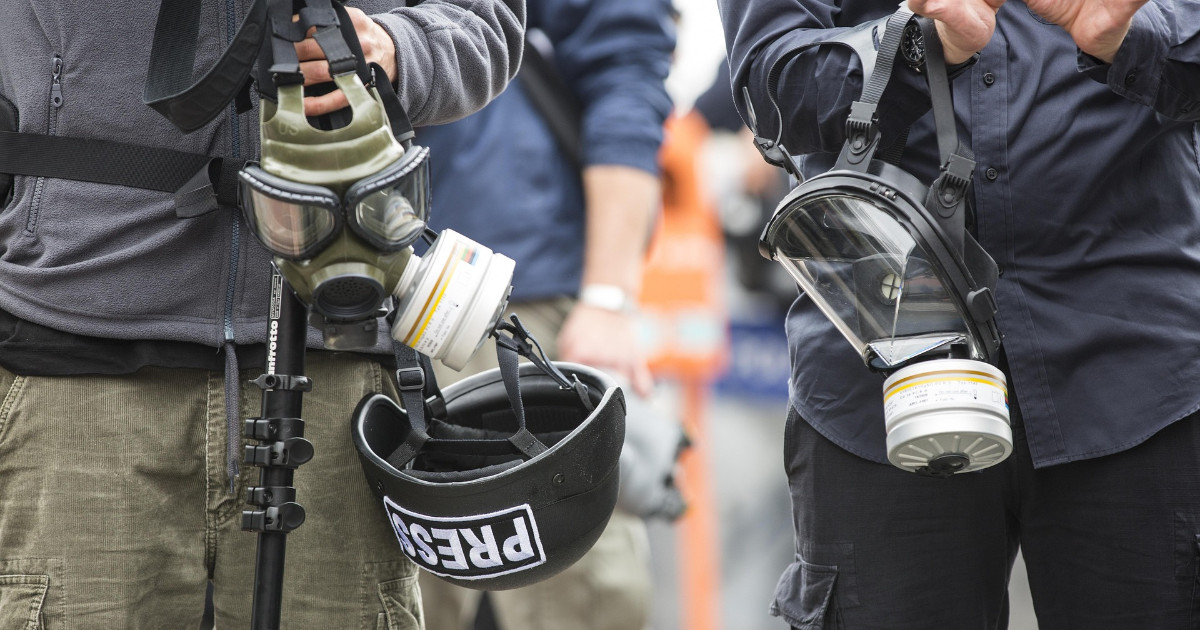
ISLAMABAD — Journalists often speak through their stories, but rarely through their own experiences. Behind every byline is a mix of professional pressure, personal sacrifice, and the constant balancing of credibility with personal safety. Many reporters covering sensitive issues in Pakistan face threats, harassment, or legal challenges that shape how openly they identify themselves.
The burden of anonymity
The decision to remain unnamed in bylines is often driven by the need to protect sources, avoid retaliation, or navigate newsroom hierarchies. While anonymity can safeguard a journalist, it can also contribute to a sense of professional invisibility, limiting recognition for impactful reporting. In some cases, journalists report feeling isolated or undervalued despite the societal importance of their work.
Career strain and burnout
Beyond anonymity, reporters frequently confront long hours, emotionally taxing assignments, and the stress of constant digital scrutiny. These factors can lead to burnout, mental health challenges, and difficult decisions about which stories to pursue. Newsrooms and editors play a critical role in providing support structures, yet resource limitations often constrain these efforts.
Professional recognition and ethics
Balancing ethical reporting with personal credit is another layer of complexity. Journalists must navigate conflicts between newsroom policies, editorial decisions, and the desire for acknowledgment. The tension between transparency and safety influences not just individual careers but also the culture and trustworthiness of the media industry as a whole.
WHY THIS MATTERS: Understanding the pressures behind bylines helps media organizations design safer work environments, foster professional recognition, and maintain high editorial standards. Pakistani journalists can benefit from policies that address anonymity and source protection to strengthen both individual careers and overall newsroom resilience.
ATTRIBUTION: Reporting based on interactions with journalists and publicly available discussions on newsroom practices in Pakistan.
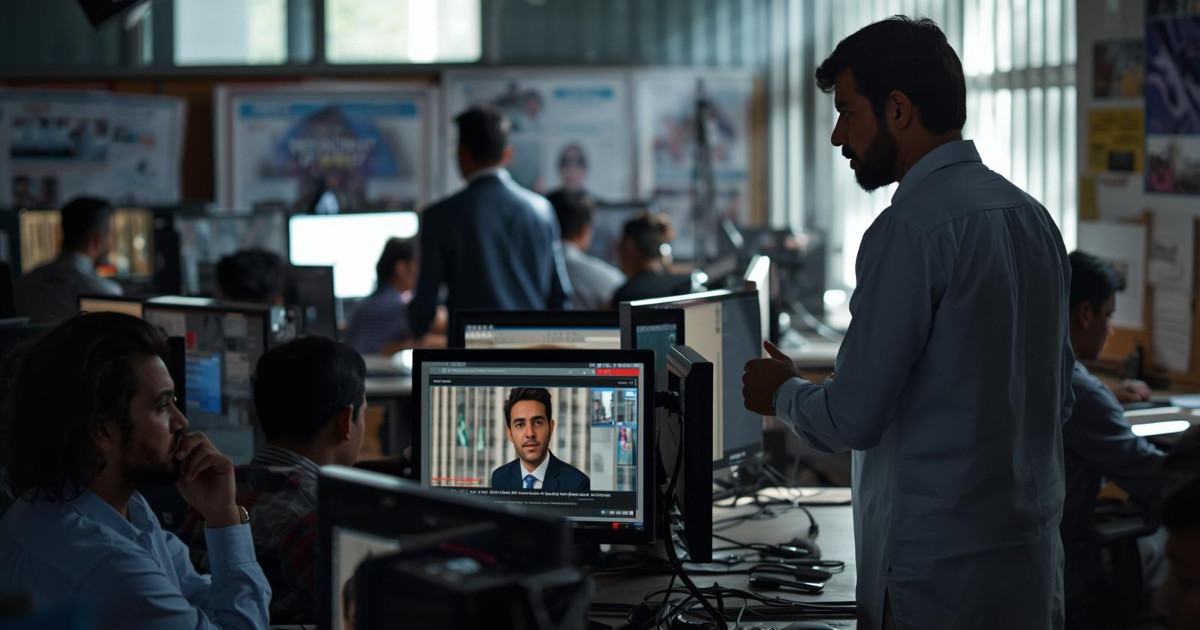
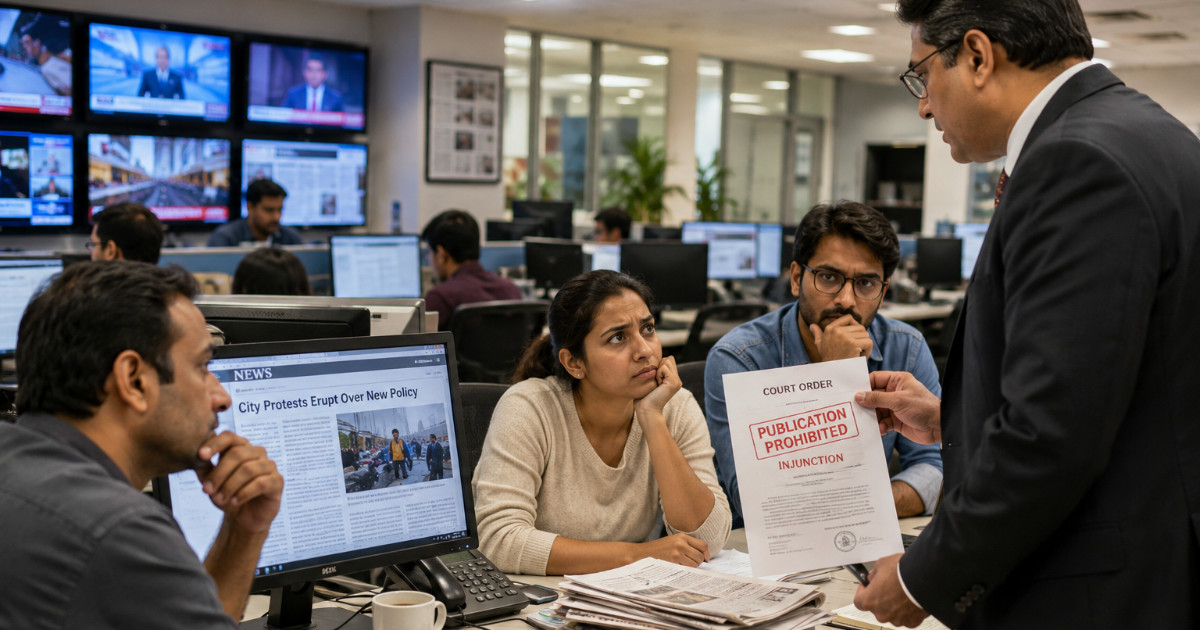
PHOTO: AI-generated; for illustrative purposes only.
Key Points
- Many reporters use anonymous bylines to protect sources and themselves from threats and legal risks.
- Anonymity can cause professional invisibility and limit recognition for important reporting.
- Threats, harassment and legal challenges shape how openly journalists identify themselves.
- Long hours, emotionally taxing assignments and digital scrutiny contribute to burnout and mental health strain.
- Newsroom resource limits and editorial policies complicate ethical decisions and support for reporters.
Relevant Topics
Ask AI: Understand this story your way
AI EnabledDig deeper, ask anything — get instant context, background, and clarity.
Disclaimer: This feature is powered by AI and is intended to help readers explore and understand news stories more easily. While we strive for accuracy, AI-generated responses may occasionally be incomplete or reflect limitations in the underlying model. This feature does not represent the editorial views of JournalismPakistan. For our full, verified reporting, please refer to the original article.