
Bangladeshi courts deny bail, prolong detention of journalists
JournalismPakistan.com | Published: 4 March 2026 | JP Asia Desk
Join our WhatsApp channel
Dozens of journalists in Bangladesh remain jailed as courts repeatedly deny bail, with lawyers and rights groups saying prosecutions on serious charges lack credible evidence and constitute judicial harassment; calls for legal protections have intensified.Summary
DHAKA — Dozens of journalists in Bangladesh remain in jail with repeated denials of bail as rights groups and legal advocates warn the trend deepens a national press freedom crisis, according to multiple rights statements and local reporting.
Lawyers and international associations claim that many detained media workers are being prosecuted on charges such as terrorism, murder, or corruption that lack credible evidence and are politically motivated.
Press freedom alarm grows with prolonged detentions
Legal representatives for the journalists argue that prosecutions against them are part of a broader climate of judicial harassment, with repeated bail denials prolonging their incarceration well over a year in some cases. Several of the accused, including prominent editors and reporters, have been held on multiple charges, with courts citing the seriousness of allegations as reasons to reject bail.
Media rights groups decry political motives
Rights organizations, including the Commonwealth Journalists Association, have publicly urged the government to free the journalists and ensure legal protections that allow the press to operate without fear of arbitrary detention. In statements this week, the CJA said dozens remain behind bars on what it described as “spurious” charges, despite authorities' commitments to restore the rule of law.
Court proceedings and lack of transparency
Critics say procedural issues compound the detentions: inadequate access to counsel, repeated denials of bail even where cases appear weak, and the use of broad statutes such as the Anti-Terrorism Act to bring charges against journalists. Some rights groups contend that vague provisions in these laws are being exploited to criminalize journalistic work and dissenting political views.
Impact on the press freedom environment
Observers and civil society actors warn that the sustained legal pressure on media professionals has a chilling effect on independent reporting in Bangladesh, undermining public trust in the justice system and constraining journalists' ability to report without fear of reprisal.
WHY THIS MATTERS: The ongoing legal harassment and prolonged detention of journalists in Bangladesh underscore the risks media professionals face where judicial processes intersect with political change. For Pakistani journalists and media organizations, this trend highlights the importance of strong legal safeguards for press freedom and the dangers of broadly defined laws that can be used to suppress critical reporting.
ATTRIBUTION: Reporting based on Bangladesh media and rights group statements, March 2026.
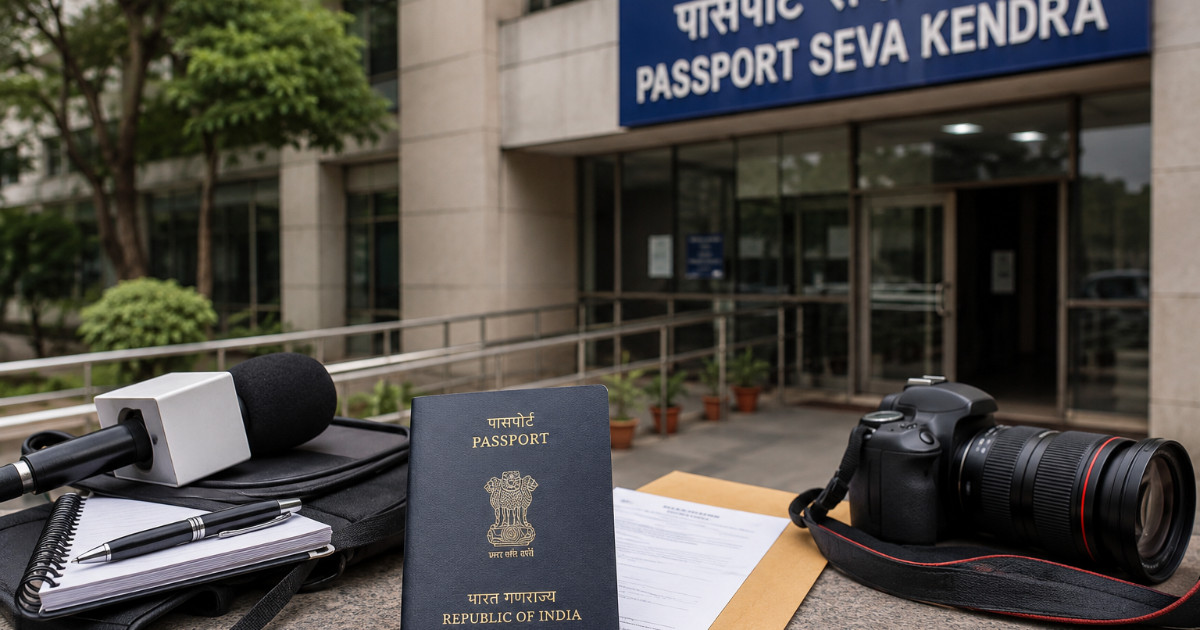
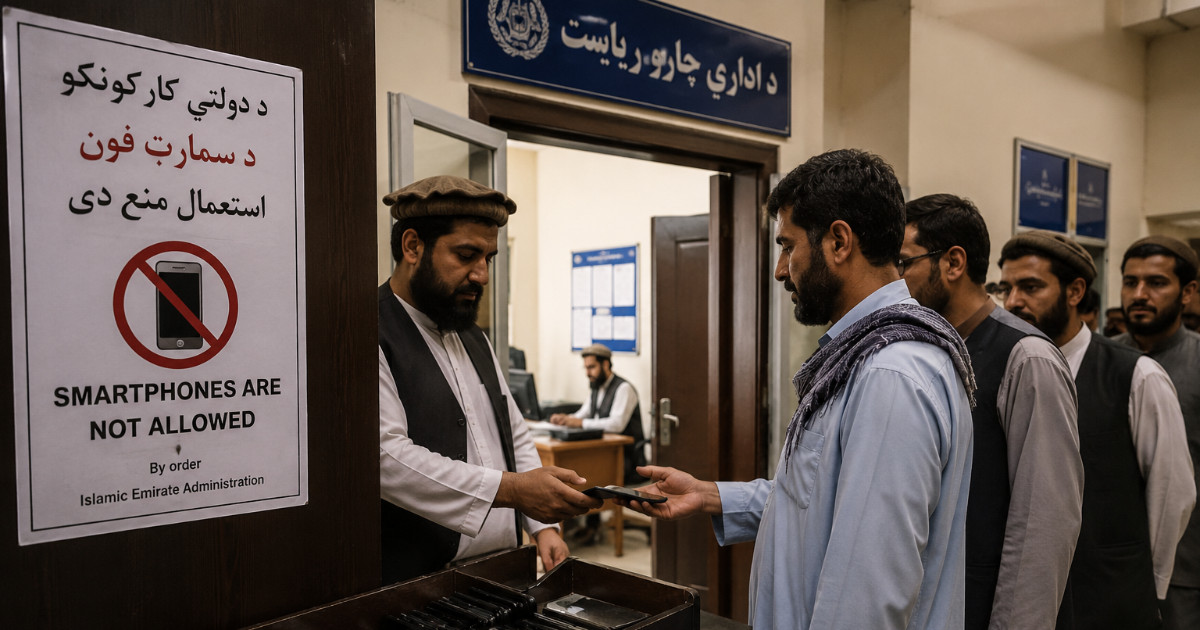
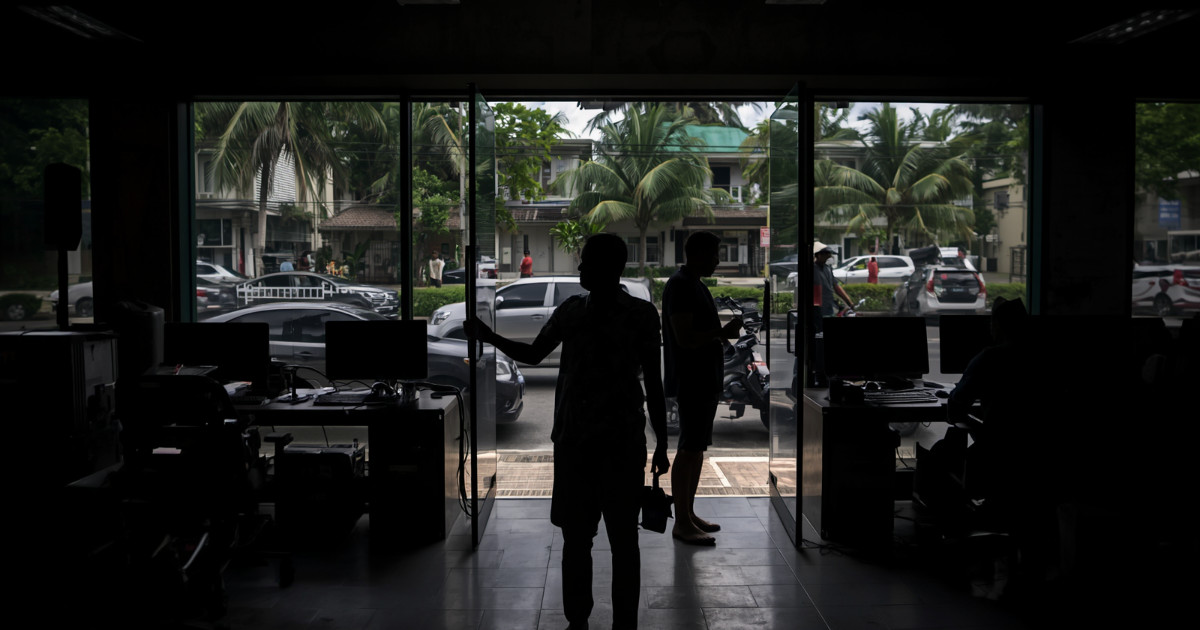
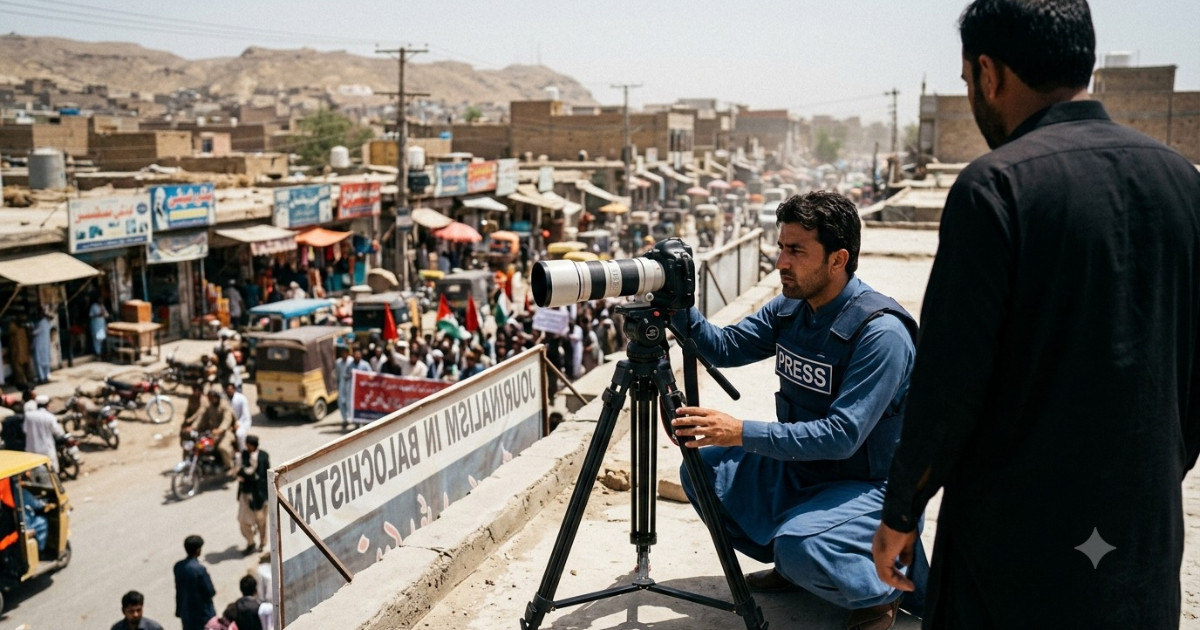
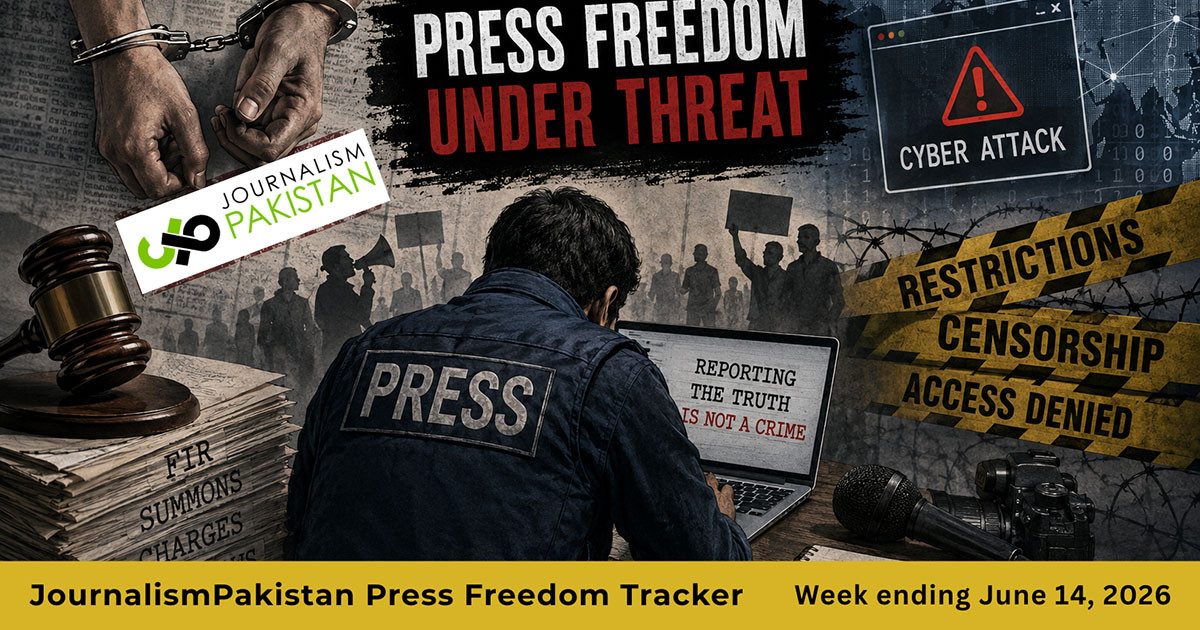
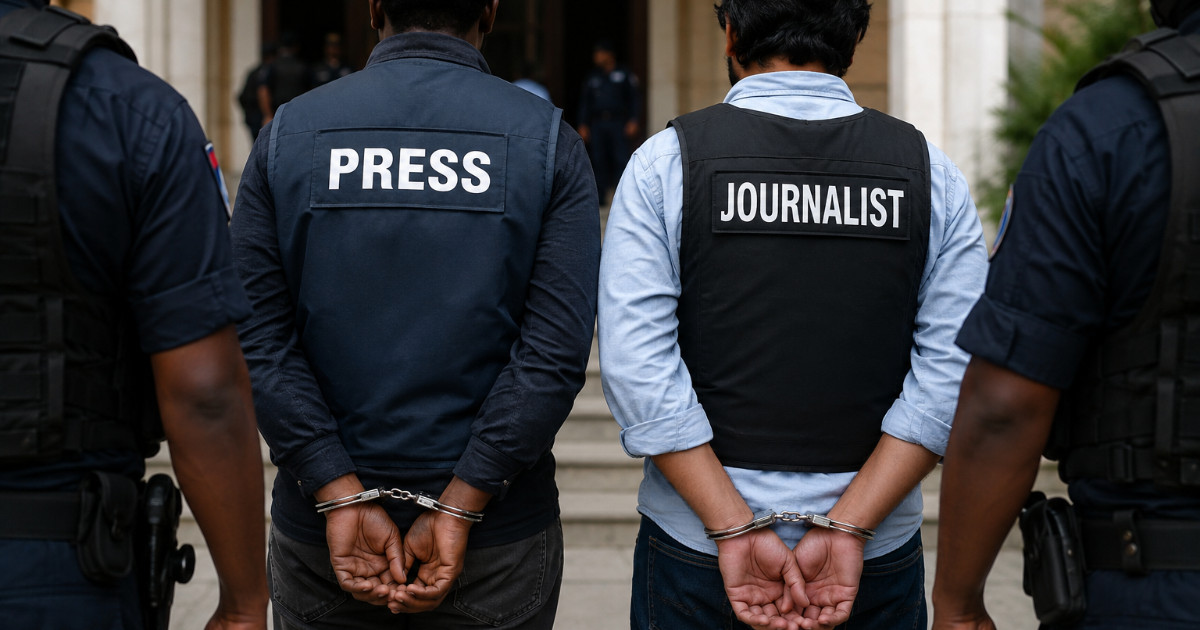
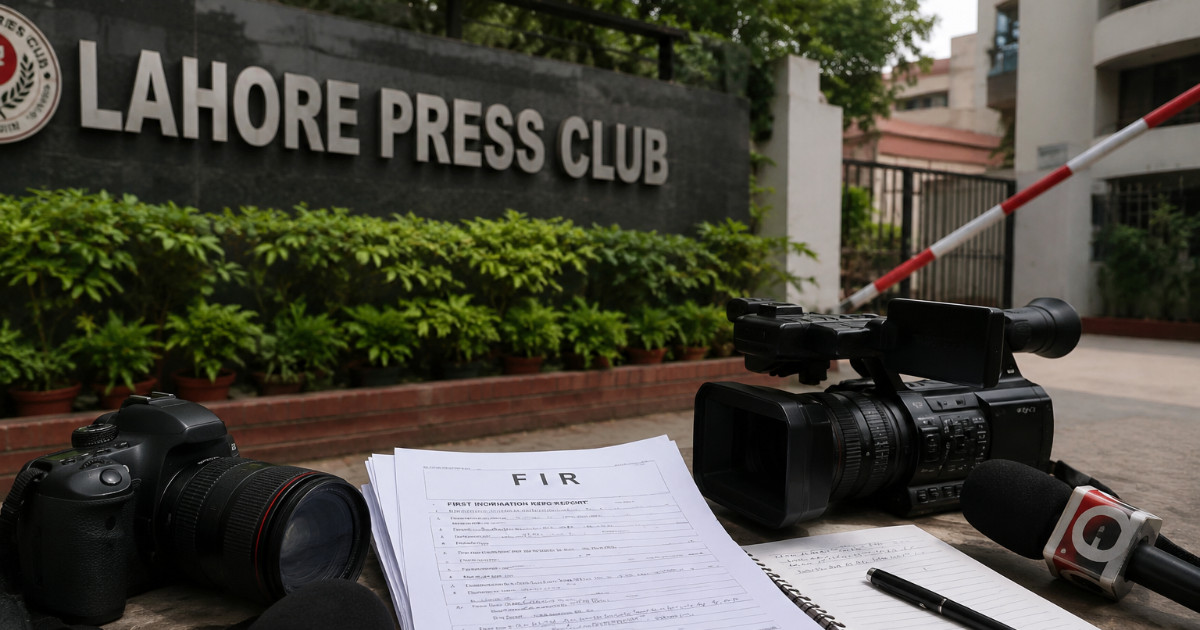
PHOTO: AI‑generated; for illustrative purposes only.
Key Points
- Dozens of journalists remain jailed following repeated denials of bail by courts.
- Lawyers and rights groups allege prosecutions on terrorism, murder, or corruption charges often lack evidence and are politically motivated.
- Prominent editors and reporters face multiple charges, extending incarceration in some cases.
- Rights organizations, including the Commonwealth Journalists Association, call for releases and stronger legal safeguards for the press.
- Reported procedural issues include limited access to counsel, opaque hearings, and the use of broad statutes that enable prolonged detention.
Key Questions & Answers
Why are journalists being detained?
Authorities have filed charges including terrorism, murder or corruption; lawyers and rights groups say many of these charges lack credible evidence and may be politically motivated.
Have courts been granting bail?
Repeated bail denials have kept dozens imprisoned; courts frequently cite the seriousness of allegations as reasons to reject bail.
Which organizations are calling for action?
National and international media rights groups, including the Commonwealth Journalists Association, have urged the government to free journalists and ensure legal protections for the press.
What procedural concerns have been raised?
Critics point to limited access to counsel, opaque proceedings, and the use of broad statutes that can facilitate prolonged detention.
Relevant Topics
Ask AI: Understand this story your way
AI EnabledDig deeper, ask anything — get instant context, background, and clarity.
Disclaimer: This feature is powered by AI and is intended to help readers explore and understand news stories more easily. While we strive for accuracy, AI-generated responses may occasionally be incomplete or reflect limitations in the underlying model. This feature does not represent the editorial views of JournalismPakistan. For our full, verified reporting, please refer to the original article.