.png)
Arrests, killings mark grim week for press freedom
JournalismPakistan.com | Published: 29 March 2026 | JP Staff Report
Join our WhatsApp channel
Arrests, court rulings and deadly attacks across Turkey, Iran, the United States, Lebanon and the Philippines this week signalled mounting pressure on journalists, with legal measures, violence and institutional interference curtailing independent reporting.Summary
ISLAMABAD— Press freedom faced renewed pressure this week as arrests, legal actions, and deadly attacks targeting journalists across multiple regions highlighted a deepening global crisis for independent media. From courtrooms to conflict zones, the developments point to a pattern of tightening control over journalism and rising risks for reporters.
The week’s most significant cases span Turkey, Iran, the United States, Lebanon, and the Philippines, underscoring how both democratic and authoritarian systems are grappling with tensions between state power and media independence. The incidents collectively reflect a mix of legal intimidation, direct violence, and institutional interference affecting journalists worldwide.
Rising arrests and legal pressure on journalists
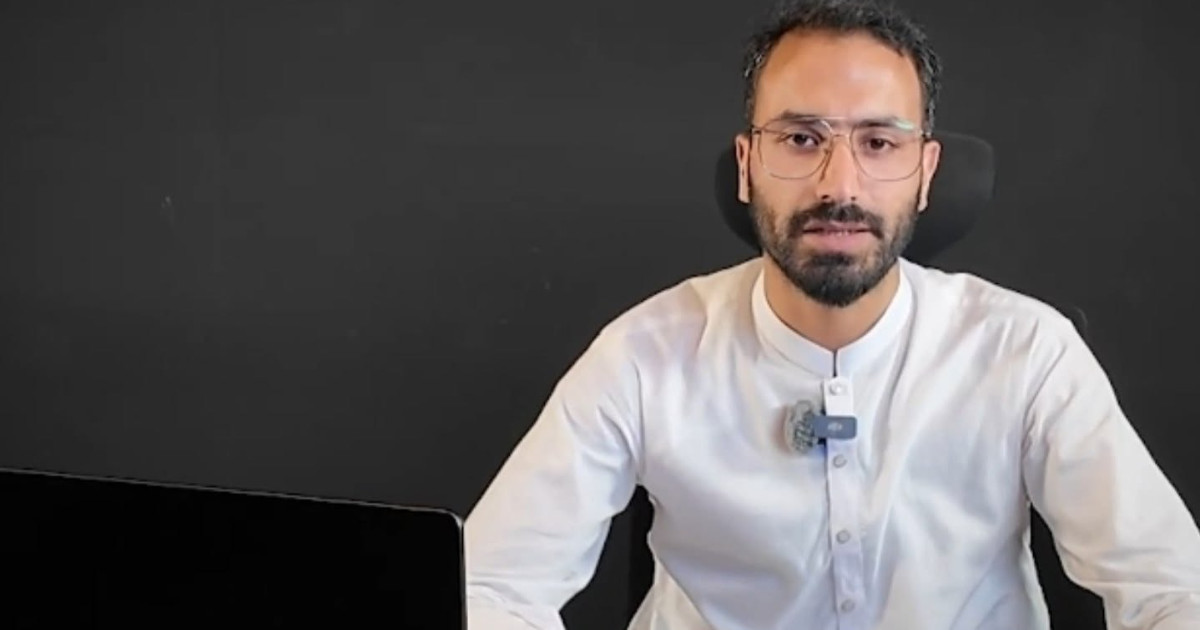
In Turkey, journalist İsmail Arı was arrested on charges of “publicly disseminating misleading information,” a provision widely criticized by press freedom groups as a tool to silence dissent. His detention followed investigative reporting on alleged corruption, reinforcing concerns that disinformation laws are being used to criminalize journalism.
Iran also intensified its crackdown, with at least seven journalists detained amid broader efforts to control information flows during a period of heightened political tension. According to international watchdogs, the arrests are part of a wider campaign targeting independent reporting and critical voices, raising alarms about the shrinking space for press freedom in the country.
Separately, in the Philippines, a court upheld the conviction of community journalist Frenchie Mae Cumpio on charges related to terrorism financing. The case, which has drawn international scrutiny, highlights the use of national security laws in legal proceedings against journalists and the long-term implications for press freedom in the region.
State influence and editorial independence under scrutiny
In the United States, journalists at Voice of America (VOA) filed a federal lawsuit alleging political interference in editorial decisions. The complaint accuses officials of steering coverage toward government narratives, raising concerns about the erosion of the broadcaster’s legally mandated independence.
The case is particularly significant given VOA’s role as a global news provider in regions with restricted media environments. Allegations of compromised editorial integrity could undermine its credibility and weaken trust among international audiences who rely on it for independent reporting.
Violence against journalists in conflict zones
In Lebanon, a targeted Israeli airstrike killed three journalists covering hostilities in the country’s south, marking one of the deadliest incidents for media workers in recent weeks. The attack has drawn condemnation from press freedom organizations, which have called for investigations and accountability.
The killings underscore the extreme risks faced by journalists reporting from conflict zones, where they are increasingly exposed to targeted or indiscriminate violence. Such incidents not only endanger lives but also limit the flow of information from areas of global importance.
Beyond these headline cases, Journalism Pakistan’s Press Freedom Tracker, published every Sunday, documents a broader range of incidents from the past week, offering a comprehensive snapshot of threats, legal pressures, and safety challenges faced by journalists worldwide.
Press freedom challenged across multiple fronts
Taken together, the week’s developments illustrate how press freedom is being challenged on multiple fronts, from courtrooms and legislation to conflict zones and state institutions. While the contexts differ, the underlying pattern is clear: journalism is under pressure in ways that demand sustained global attention.
As governments and institutions continue to test the boundaries of media control, the resilience of journalists and the systems that protect them will play a decisive role in shaping the future of independent reporting.
WHY THIS MATTERS: For Pakistani journalists, these developments highlight a growing global trend where legal tools, political pressure, and security risks are increasingly used to shape media narratives. The cases underscore the importance of safeguarding editorial independence, strengthening legal protections, and preparing newsrooms for both physical and digital threats. They also reinforce the need for continued vigilance in defending press freedom standards at home.
ATTRIBUTION: Information cited from publicly available reporting by Reuters (March 22–28, 2026) and statements issued by the Committee to Protect Journalists (March 25–28, 2026), as compiled in Journalism Pakistan’s weekly coverage.
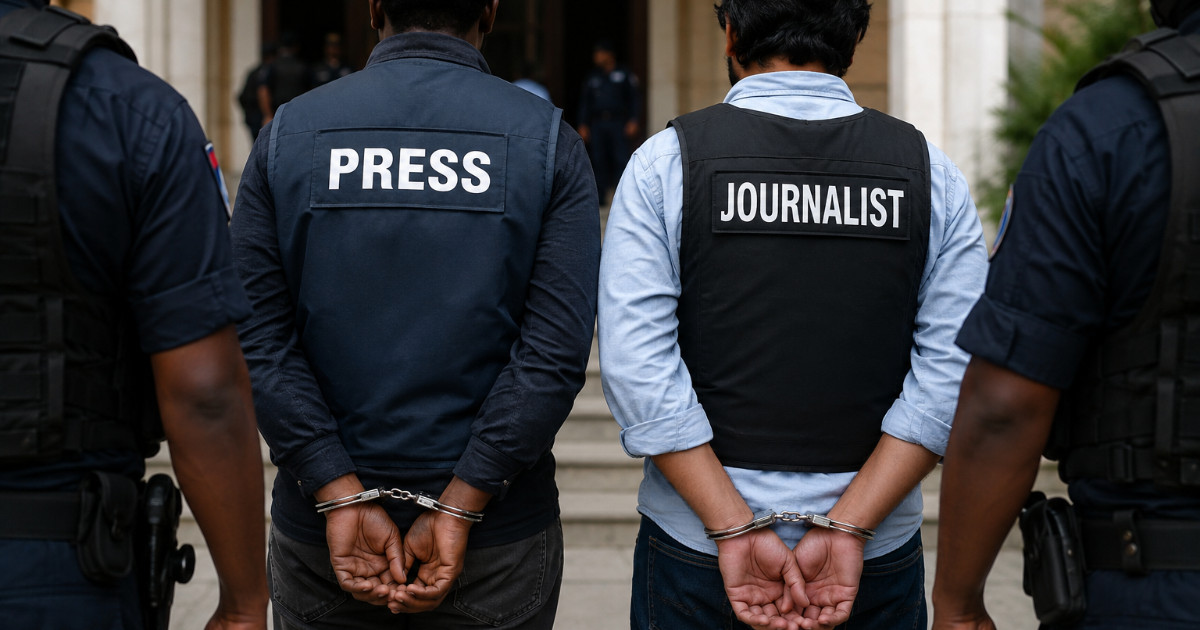
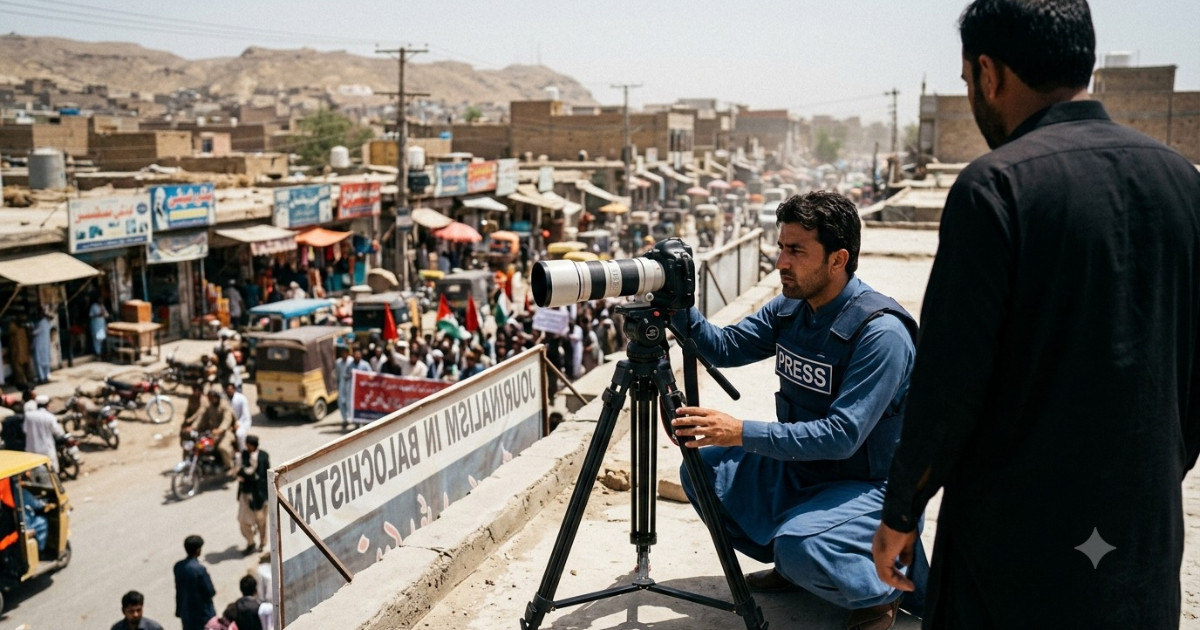
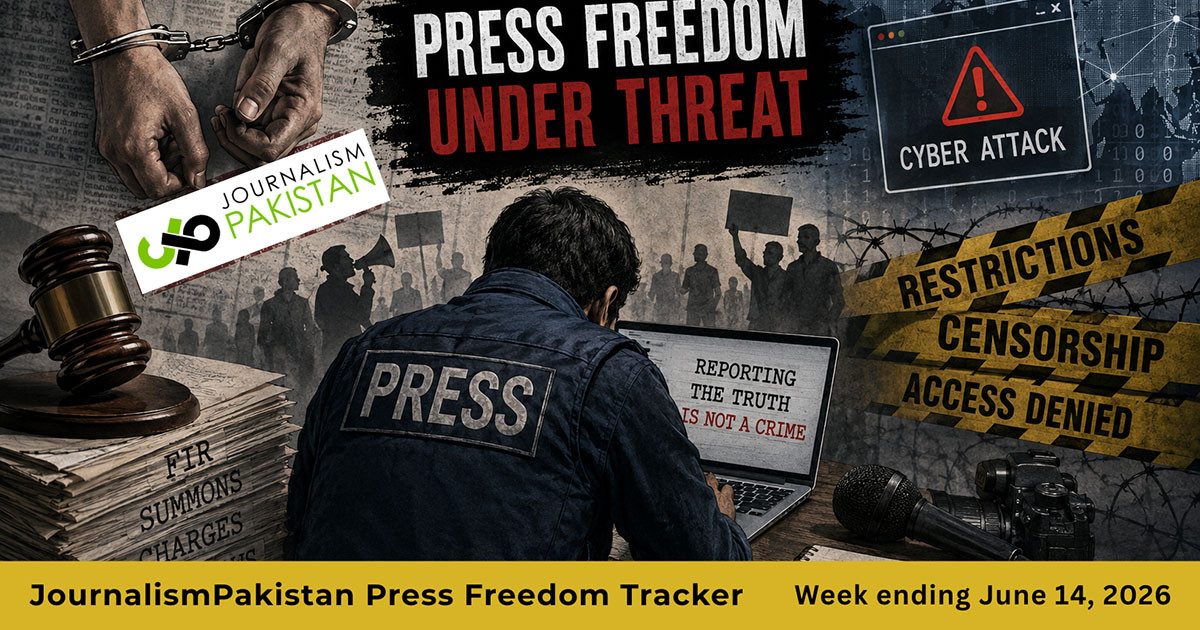
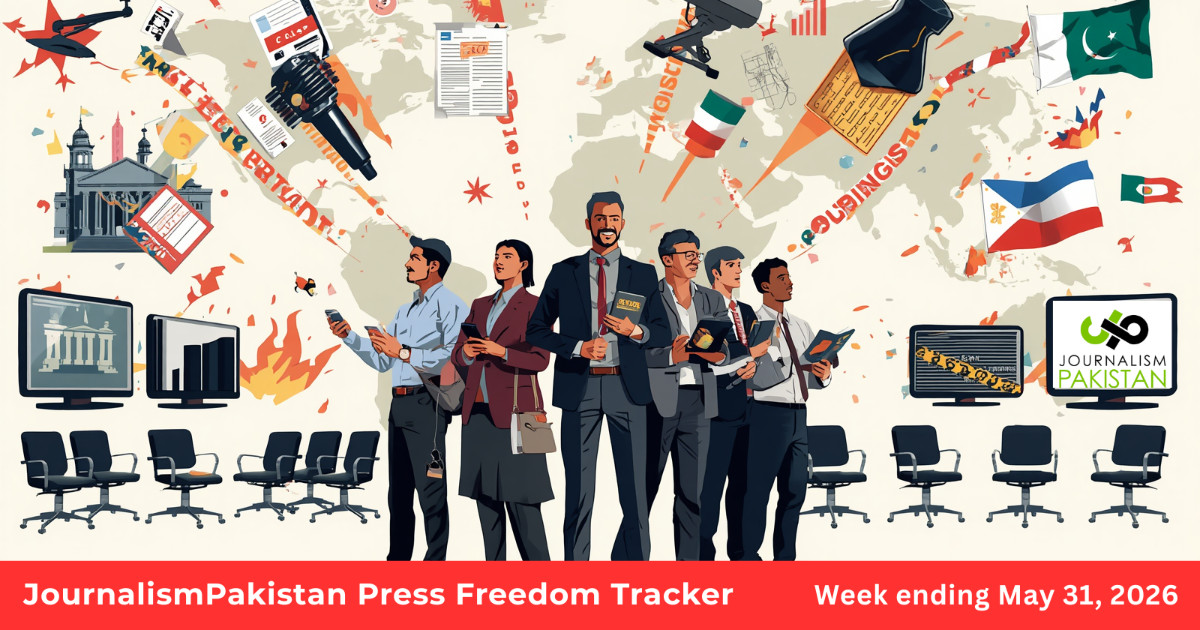
PHOTO: AI-generated; for illustrative purposes only.
Key Points
- Journalists faced arrests, prosecutions and judicial rulings in multiple countries this week.
- Turkey saw the detention of reporter İsmail Arı amid accusations of spreading misleading information.
- Iran detained at least seven journalists as authorities tightened control over information.
- Cases in the United States, Lebanon and the Philippines illustrated legal and physical threats to reporters.
- The incidents reflect a broader pattern of legal intimidation, institutional interference and violence against the press.
Key Questions & Answers
What developments occurred this week?
Arrests, court rulings and deadly attacks targeted journalists across several countries, highlighting increased pressure on press freedom.
Which countries were specifically mentioned?
Reported incidents involved Turkey, Iran, the United States, Lebanon and the Philippines.
Why are these actions significant for press freedom?
They illustrate how legal measures, institutional interference and violence can shrink space for independent reporting and raise risks for journalists.
Are these incidents isolated or part of a trend?
Observers say the cases fit a wider pattern of rising legal pressure and physical threats to journalists in varied political contexts.
Relevant Topics
Ask AI: Understand this story your way
AI EnabledDig deeper, ask anything — get instant context, background, and clarity.
Disclaimer: This feature is powered by AI and is intended to help readers explore and understand news stories more easily. While we strive for accuracy, AI-generated responses may occasionally be incomplete or reflect limitations in the underlying model. This feature does not represent the editorial views of JournalismPakistan. For our full, verified reporting, please refer to the original article.