
Israeli bombardment kills three journalists in Lebanon
JournalismPakistan.com | Published: 28 March 2026 | JP Middle East Desk
Join our WhatsApp channel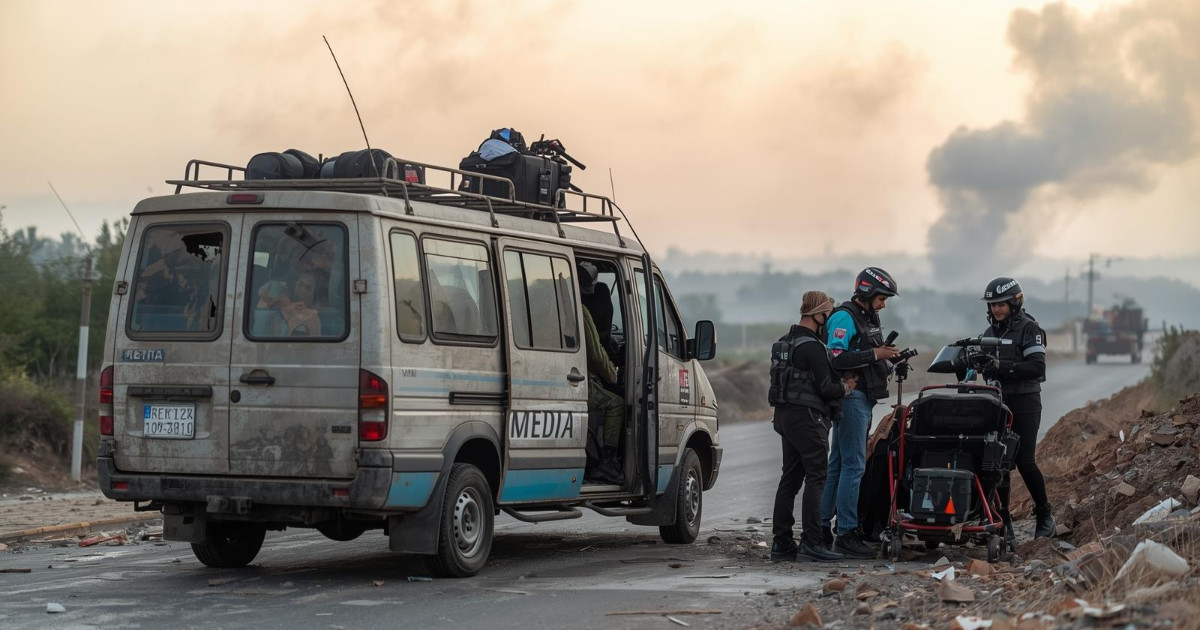
An Israeli airstrike in Jezzine, southern Lebanon, killed three journalists from Al‑Manar and Al‑Mayadeen; Lebanese officials condemned the attack and warned it underscores growing risks for reporters amid the widening Iran‑linked regional conflict.Summary
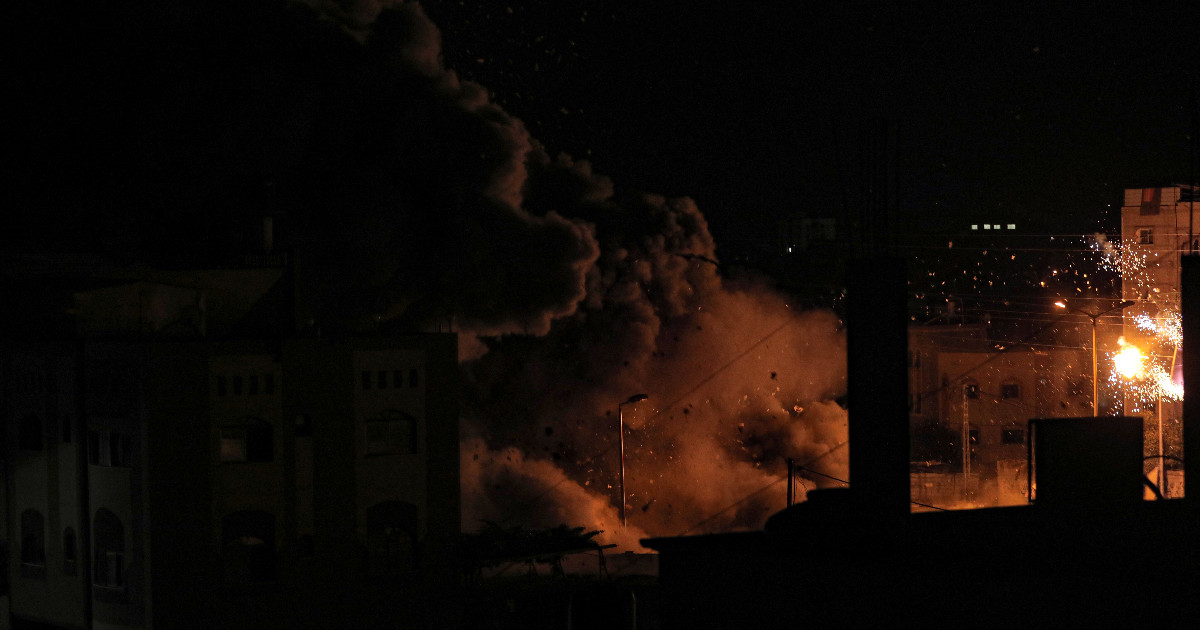
BEIRUT — An Israeli airstrike on Saturday in southern Lebanon killed three journalists, drawing sharp condemnation from Lebanese officials and raising concerns about the safety of media covering the widening Iran‑linked regional war.
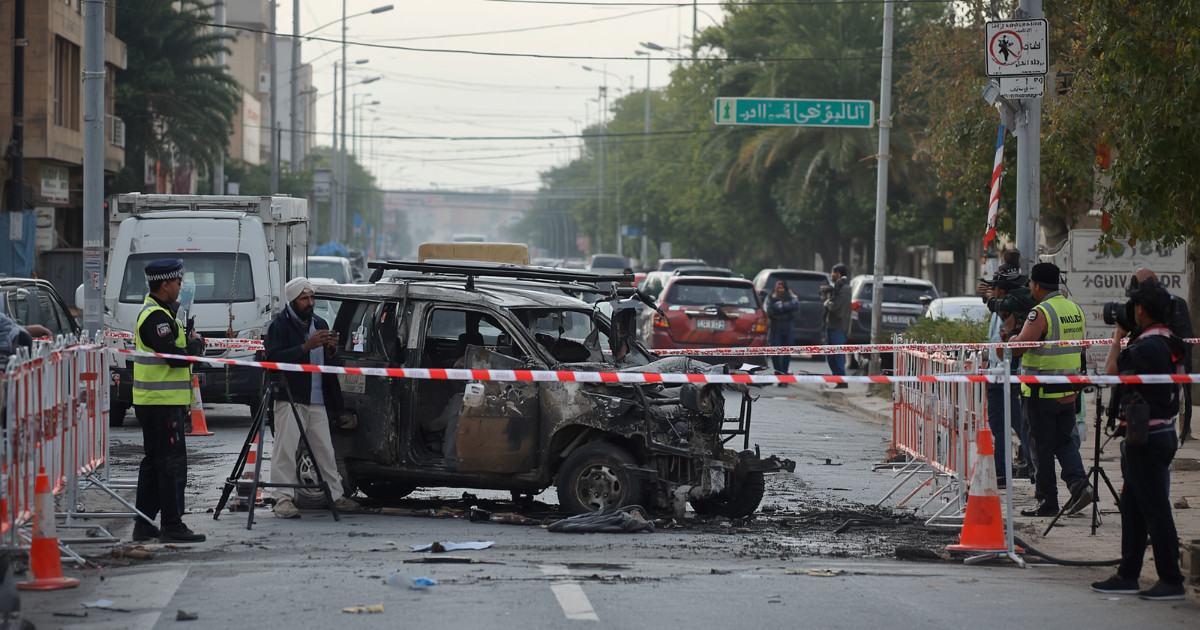
The strike hit the vehicle of a reporting team in the Jezzine district, killing veteran Al‑Manar TV correspondent Ali Shaib and Al‑Mayadeen reporter Fatima Ftouni, along with her brother, Mohammed Ftouni, a cameraman, as they were covering the ongoing hostilities between Israeli forces and Hezbollah and allied groups.
The incident occurred amid intensified Israeli attacks across southern Lebanon and other fronts connected to the broader conflict involving Iran‑aligned militias, which the Guardian has described as expanding in scope beyond the initial war footprint.
Rising dangers for media in active war zones
Israeli military statements acknowledged killing Ali Shaib, alleging without presenting evidence that he was involved in Hezbollah intelligence activities, a claim rejected by Lebanese officials and media outlets. Lebanese President Joseph Aoun condemned the attack as a “blatant crime” and a violation of international protections for journalists, emphasizing that the victims were civilians engaged in professional reporting.
Al‑Manar and Al‑Mayadeen both lauded their fallen journalists for their commitment to coverage despite escalating dangers. The strike follows other deadly incidents in the past weeks in Lebanon, including attacks on media facilities and personnel, underscoring the extreme risks faced by news teams in the active war zone.
Ongoing impacts on press safety and international law
International organizations tracking attacks on journalists have highlighted repeated threats to news workers in the Middle East conflict, with several media personnel killed or wounded in recent months as hostilities have intensified. While Israel justifies some strikes on alleged militant targets, legal experts and press freedom groups emphasize that journalists should be protected under international humanitarian law and that targeting or endangering clearly identified media personnel risks violating those norms.
WHY THIS MATTERS: This incident highlights the acute and escalating risks for journalists reporting from active conflict zones, a lesson Pakistani media professionals must heed when covering hostilities, whether regionally or domestically. It underscores the importance of robust safety protocols, clear marking of press identity, and legal awareness of protections for journalists under international law.
ATTRIBUTION: Information provided by Reuters and The Guardian (March 28, 2026).
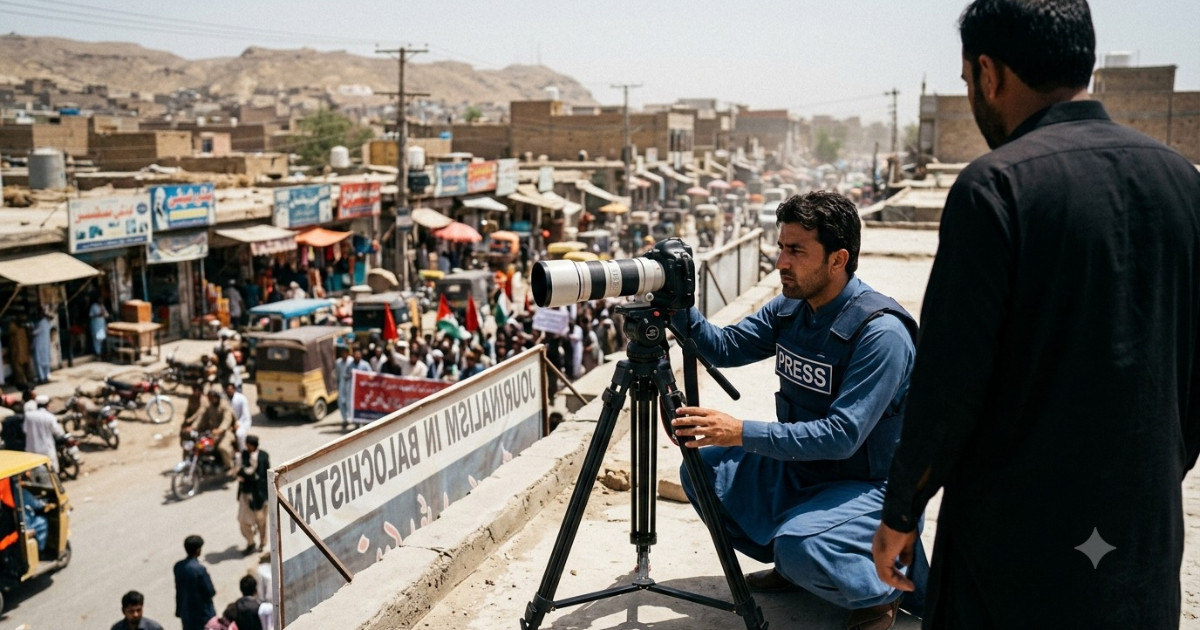
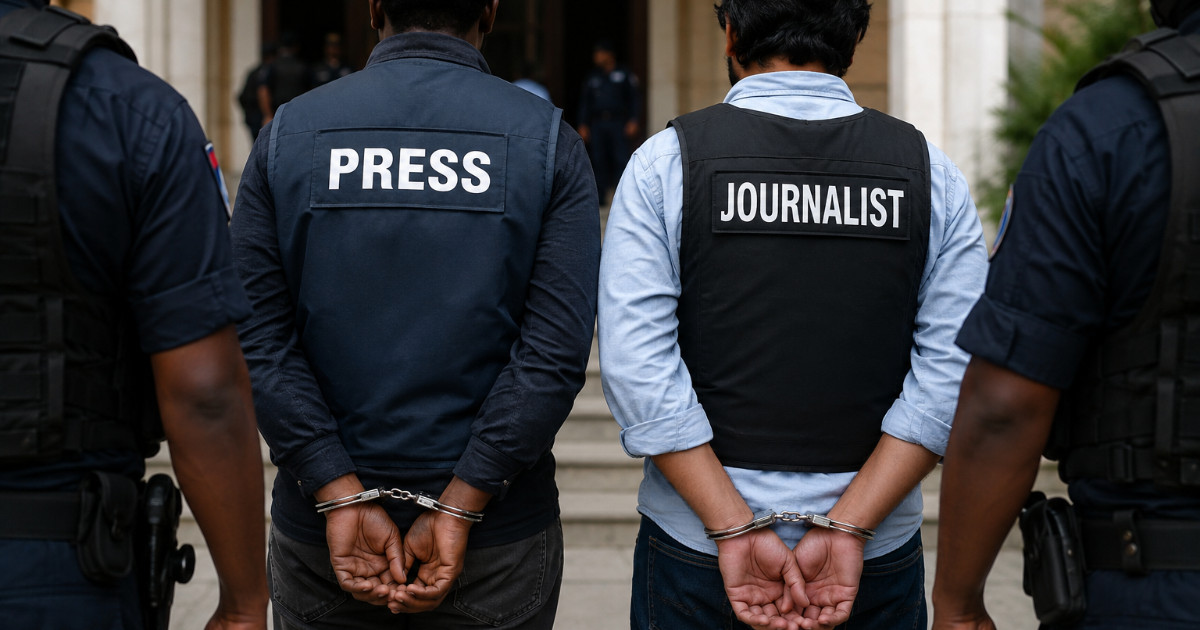
PHOTO: AI‑generated; for illustrative purposes only.
Key Points
- An airstrike in Jezzine, southern Lebanon, killed three journalists traveling in a reporting vehicle.
- Victims included Ali Shaib of Al‑Manar and Fatima Ftouni of Al‑Mayadeen, along with cameraman Mohammed Ftouni.
- The Israeli military said it had killed Shaib, alleging links to Hezbollah intelligence; Lebanese officials rejected the claim.
- Lebanese President Joseph Aoun and media outlets condemned the strike as a violation of protections for journalists.
- The incident highlights escalating dangers for reporters amid intensified attacks across southern Lebanon and other fronts.
Key Questions & Answers
Who were the journalists killed?
Veteran Al‑Manar correspondent Ali Shaib, Al‑Mayadeen reporter Fatima Ftouni, and her brother Mohammed Ftouni, a cameraman, were killed in the strike.
Did Israel acknowledge the strike?
Israeli military statements acknowledged killing Ali Shaib and alleged he had ties to Hezbollah intelligence; Lebanese officials and media rejected those claims.
How have Lebanese officials responded?
Lebanese President Joseph Aoun and media outlets condemned the attack, calling it a crime and a violation of protections for journalists.
What does this mean for press safety?
The deaths underscore growing risks and mounting concerns for reporters covering clashes in southern Lebanon and other fronts linked to the wider regional conflict.
Ask AI: Understand this story your way
AI EnabledDig deeper, ask anything — get instant context, background, and clarity.
Disclaimer: This feature is powered by AI and is intended to help readers explore and understand news stories more easily. While we strive for accuracy, AI-generated responses may occasionally be incomplete or reflect limitations in the underlying model. This feature does not represent the editorial views of JournalismPakistan. For our full, verified reporting, please refer to the original article.