
Press freedom review: Global journalism under sustained assault
JournalismPakistan.com | Published: 22 March 2026 | JP News Desk
Join our WhatsApp channel
This review documents assaults on global journalism, detailing arrests, detentions, legal pressure, censorship and digital constraints in Myanmar, Belarus, Azerbaijan and Pakistan, underscoring threats to independent reporting and media safety.Summary
Editor’s note
Press freedom remains under strain worldwide. From arrests, harassment, and legal intimidation to censorship, digital restrictions, and labor disputes, this week's entries reveal how press freedom continues to face systematic challenges. While some journalists show resilience and persistence, these developments underscore the urgent need for global attention to protect independent reporting and the safety of media professionals.
Arrests, detentions, and kidnappings
MYANMAR — Journalist Maung Maung Myo was released early from prison following detention under terrorism-related charges, while the military junta continues to jail numerous journalists since the 2021 coup to silence independent reporting. (Committee to Protect Journalists, March 2026)
BELARUS — Authorities released journalist Katsiaryna Andreyeva among 250 prisoners following a sanctions-related deal with the United States, while dozens of journalists remain imprisoned, according to the Committee to Protect Journalists. (Committee to Protect Journalists, March 20, 2026)
AZERBAIJAN — Journalist Ahmad Mammadli was sentenced to six years in prison in Baku on charges he denies, with allegations of police abuse and evidence fabrication, according to the Committee to Protect Journalists. (Committee to Protect Journalists, March 19, 2026)
Legal and regulatory pressure
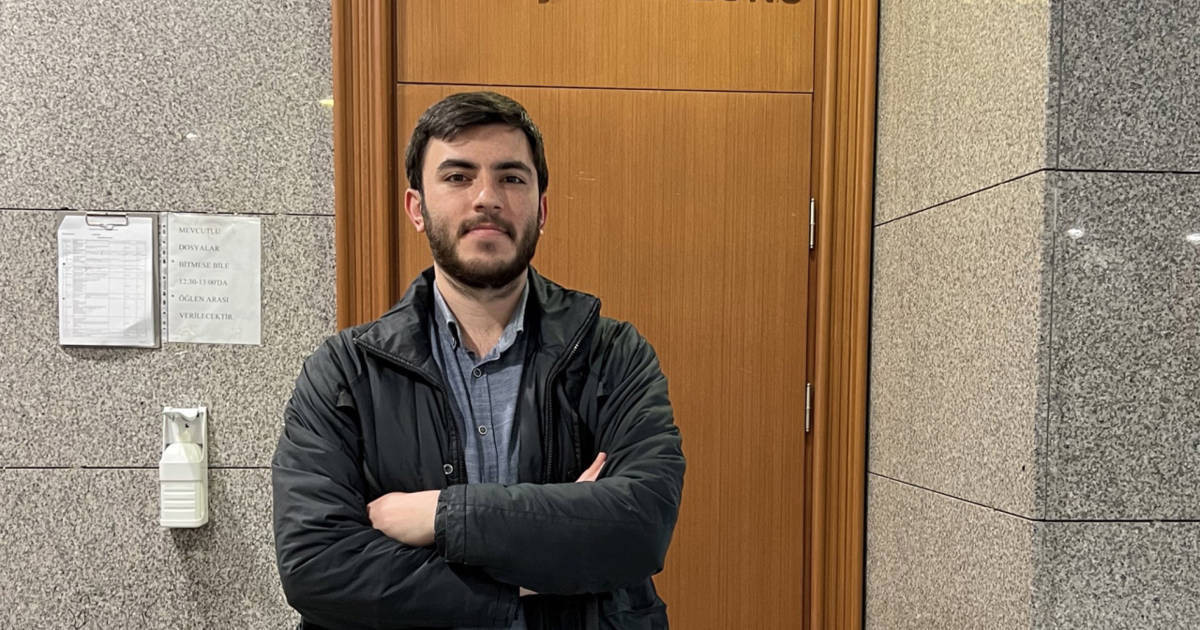
PAKISTAN — Authorities registered an FIR against journalist Nadir Khan shortly after he published a report on alleged LPG smuggling at Karachi Port, with the Human Rights Council of Pakistan condemning the move as an attempt to intimidate journalists. (Human Rights Council of Pakistan statement posted on X, March 20, 2026)
INDIA — The Delhi High Court directed digital outlet Newslaundry to remove allegedly defamatory content targeting TV Today Network, stating certain remarks went beyond fair criticism and could harm commercial reputation. The interim order signals growing judicial intervention in disputes between media organizations over editorial commentary. (Reuters; The News Mill, March 20, 2026)
Attacks, threats, and harassment
PAKISTAN — Journalists in Khyber district accused Counter-Terrorism Department personnel of arresting and torturing senior journalist Qazi Rauf in Bara, prompting protests and a boycott of police coverage by the Bara Press Club, despite an apology from the district police officer. Press clubs in South Waziristan and Lower Dir also condemned attacks and threats against journalists, including an assault on senior journalist Muhammad Israr Khan in Shalam Baba. (JournalismPakistan, March 2026)
PAKISTAN — Journalists protested after PFUJ vice president Farhat Fatima alleged assault and unlawful detention by the SHO of a women’s police station in Islamabad on March 8; an inquiry has been launched by ASP Naushirawan at Kohsar Police Station, with authorities promising a fair investigation. (Journalist Javeria Siddique, March 17, 2026)
INDIA — Police in Shimla, Himachal Pradesh, pushed a senior journalist while he was covering a political convoy on March 17, 2026, prompting an official inquiry after video of the incident circulated widely. (Times of India, March 17, 2026)
HUNGARY — Journalists from HVG and Telex were forcibly removed, obstructed, and intimidated while covering pro-government campaign events ahead of the April elections, including physical ejection by a mayor and security personnel and targeted exclusion from a rally, prompting condemnation from the International Press Institute. (International Press Institute, March 2026)
LEBANON — Mohammed Shari, Al-Manar director of political programs, was killed together with his wife in an Israeli bombing in central Beirut. The International Federation of Journalists said it was monitoring the situation. (International Federation of Journalists, March 18, 2026)
Censorship and digital restrictions
UNITED ARAB EMIRATES — Thirty-five individuals, including foreign nationals, were arrested over sharing AI-generated or manipulated videos of missile strikes amid the Israel–U.S.–Iran conflict. Authorities cited potential public panic and national security risks under UAE cybercrime legislation. (Gulf News, March 16, 2026)
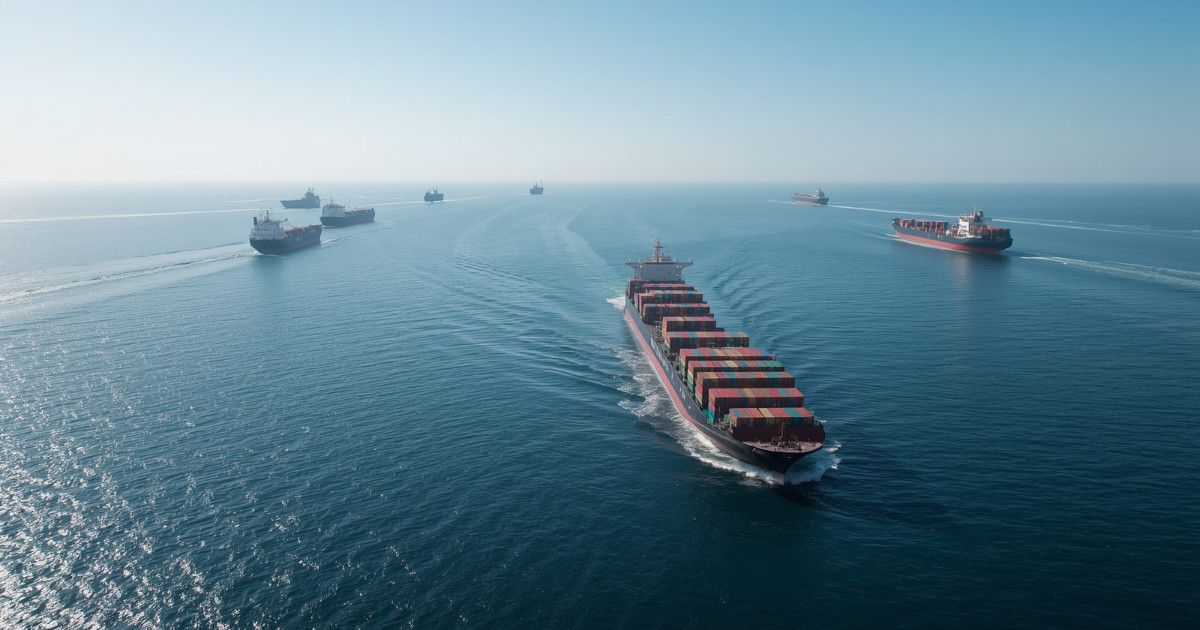
MIDDLE EAST — Heightened security restrictions linked to tensions in the Strait of Hormuz are limiting journalists’ access to affected areas, constraining independent reporting, and increasing reliance on official narratives and remote verification tools. The evolving situation raises concerns about reduced transparency and the growing risk of misinformation during fast-moving geopolitical developments. (Reuters, March 17, 2026)
INDIA — Authorities withheld multiple X accounts critical of the government following a Section 69A IT Act takedown order, limiting visibility within India while content remains accessible internationally. Users affected include pseudonymous accounts posting satire and political commentary, with some pursuing legal challenges. Civil society groups flagged the move as undermining procedural safeguards established in the Supreme Court’s Shreya Singhal v. Union of India ruling. (March 18, 2026)
INDIA — Journalists and transparency advocates filed legal challenges against the Digital Personal Data Protection Act and related changes to the Right to Information framework, warning the measures could restrict access to government data and create a chilling effect on investigative reporting. (Reuters; Centre for Media Transparency statement, March 19, 2026)
Policy and court developments
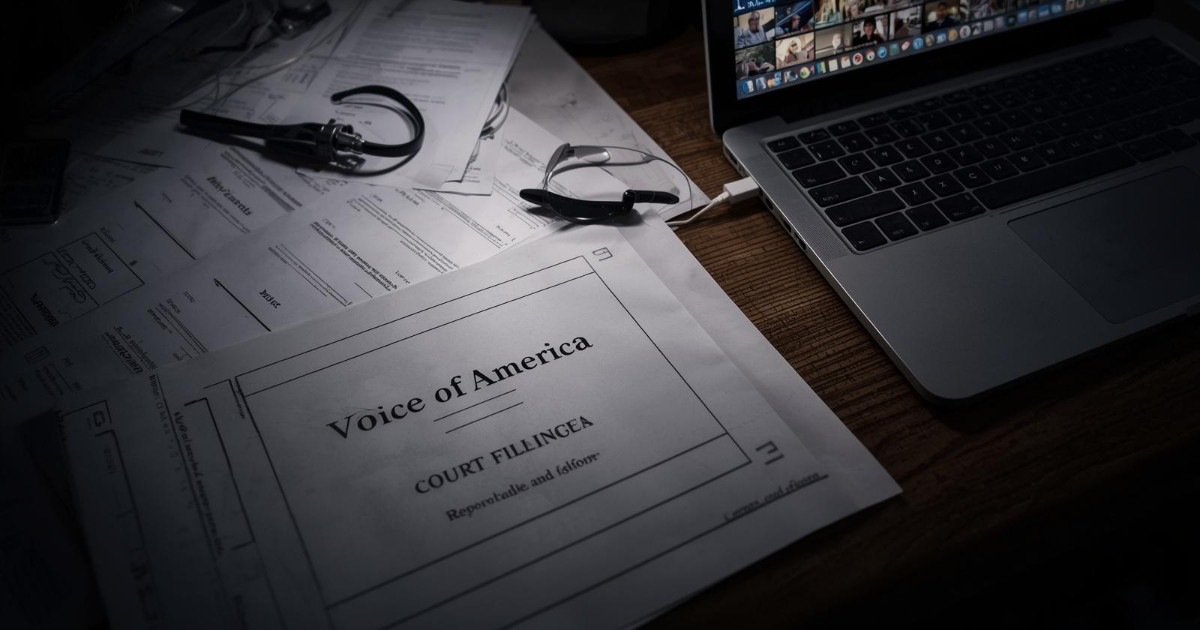
UNITED STATES — A federal judge ordered the reinstatement of more than 1,000 Voice of America employees, finding that efforts to dismantle the broadcaster under the US Agency for Global Media were unlawful and must be reversed, restoring its mandated operations. (Reuters, March 18, 2026)
PAKISTAN — Press freedom groups called on the government to halt deportations of Afghan journalists and establish a temporary protection framework, urging compliance with international human rights obligations. (Joint letter by CPJ, RSF, and FPU, March 13, 2026)
UNITED STATES — A federal judge in Washington, D.C., ruled that the Pentagon’s press access policy violated First and Fifth Amendment protections, ordering restoration of journalists’ credentials and blocking enforcement of the restrictions; the Defense Department said it will appeal. (Reuters; Associated Press, March 20, 2026)
Media labor and union activity
PAKISTAN — Journalists and media workers at several television channels, including Neo News, Lahore Rang, 365 News, Abb Takk News, Suno News, BOL News, Aik News, Aaj News, DawnNews, and ARY News, reported unpaid or partially paid salaries ahead of Eid-ul-Fitr, with some staff owed up to three or four months in arrears, according to newsroom sources and journalists’ unions. (JournalismPakistan, March 16, 2026)
PAKISTAN — Abb Takk News reportedly laid off eight journalists from its Islamabad bureau, including five reporters and three assignment editors, just days before Eid-ul-Fitr, amid a broader crisis in Pakistan’s television news industry marked by delayed salaries and financial strain. (JournalismPakistan, March 16, 2026)
PAKISTAN — Media workers protested unpaid salaries at several TV channels ahead of Eid-ul-Fitr, citing months of delayed or partial payments and warning of wider action if dues were not cleared. (JournalismPakistan, March 17, 2026)
UNITED STATES — CBS News announced layoffs affecting approximately 6 percent of its workforce and the closure of its nearly century-old radio service, highlighting ongoing economic pressures and structural changes impacting newsroom employment and legacy media operations. (Reuters; Variety, March 20, 2026)
Press freedom and journalist safety
LEBANON — British journalist Steve Sweeney and his camera operator, Ali Rida Sbeity, working for Russia Today and wearing clearly marked press gear, were injured near Tyre in an Israeli airstrike, raising concerns over possible targeting and compliance with international protections for journalists. (CPJ, March 19, 2026)
INDIA — The office of United News of India was sealed on March 20 by Delhi Police following a court order linked to a property dispute, with staff alleging forceful eviction and harassment, including rough handling of female journalists. Police denied any misconduct. (Hindustan Times; The Tribune India, March 20, 2026)
Global context
Recent developments underscore persistent threats to press freedom across multiple regions, including continued arrests and legal harassment of journalists in authoritarian settings, rising digital censorship, labor disputes in media organizations, and increasing dangers for reporters in conflict zones. For additional context, readers can review last week’s Press Freedom Tracker.
Key Points
- Multiple journalists detained or sentenced in Myanmar, Belarus and Azerbaijan amid allegations of political motives and fabricated charges.
- Legal and regulatory actions, including FIRs and sanctions-linked releases, are used to intimidate reporters and media outlets.
- Censorship and digital restrictions continue to impede independent reporting and information access in several countries.
- International organizations such as the Committee to Protect Journalists monitor abuses but many journalists remain imprisoned or at risk.
- Labor disputes and harassment compound risks to media professionals, highlighting the need for protective measures.
Key Questions & Answers
What are the primary threats to journalists highlighted in the review?
The review cites arrests, detentions, legal intimidation, censorship, digital restrictions and labor disputes as key threats to journalists and media outlets.
Which countries are specifically mentioned as facing press freedom abuses?
Reports focus on Myanmar, Belarus, Azerbaijan and Pakistan, where journalists face arrests, sentences, regulatory pressure and censorship.
What role do international organizations play in these cases?
Groups like the Committee to Protect Journalists document abuses, advocate for detainees and raise global awareness; however, many challenges persist on the ground.
What immediate measures can help protect journalists?
Strengthening legal safeguards, ensuring independent investigations of abuses, providing digital security training and international advocacy can all help reduce risks.
Relevant Topics
Ask AI: Understand this story your way
AI EnabledDig deeper, ask anything — get instant context, background, and clarity.
Disclaimer: This feature is powered by AI and is intended to help readers explore and understand news stories more easily. While we strive for accuracy, AI-generated responses may occasionally be incomplete or reflect limitations in the underlying model. This feature does not represent the editorial views of JournalismPakistan. For our full, verified reporting, please refer to the original article.