.png)
One article, no newsroom: Viral piece sparks debate on Pakistan media
JournalismPakistan.com | Published: 20 April 2026 | JP Staff Report
Join our WhatsApp channel
Dan Qayyum's independently published longform on Pakistan drew over one million views in days and spread widely across social platforms. A cited comparison to Dawn's web traffic intensified discussion about creators challenging legacy newsrooms.Summary
ISLAMABAD — A viral article by writer and media strategist Dan Qayyum has crossed one million views within days of publication, triggering a wider debate about the future of journalism and the growing influence of independent creators over traditional newsrooms.
The piece, published outside any institutional platform, gained rapid traction across social media, with Qayyum saying it reached one million readers in three days. “When I published this piece three days ago, I hoped it might reach a few thousand people. A million of you read it,” he wrote on X, thanking readers from across Pakistan and the global diaspora.
A viral narrative about Pakistan
The article itself offers a sweeping narrative about Pakistan’s identity, culture, and global perception, arguing that the country has long been misunderstood by the outside world. It highlights Pakistan’s diplomacy, hospitality, cultural exports, and resilience, while challenging common stereotypes and presenting a more nuanced image of the country to international audiences.
Viral success challenges newsroom dominance
Qayyum had earlier noted that the article drew more than 535,000 views shortly after publication, comparing it to traffic estimates for Dawn’s website, which he said averages around 487,000 daily visits across all content, citing SimilarWeb data. The comparison, while not independently verified, has been widely discussed in media circles as an illustration of how a single independently distributed story can rival, or even exceed, the reach of legacy outlets.
The article’s spread was driven largely by organic sharing on platforms such as X, WhatsApp, and Facebook, highlighting the growing role of audience-driven distribution over traditional editorial pipelines.
1,000,000 views
— Dan Qayyum (@DanQayyum) April 20, 2026
When I published this piece three days ago, I hoped it might reach a few thousand people. A million of you read it. Ministers, ambassadors, journalists, students, traders in Karachi, doctors in Chicago, teachers in Lahore, accountants in London. Thank you for… https://t.co/Tj8RuMS7S6
Industry voices call it a wake-up moment
Prominent journalist and anchor Absar Alam described the development as “food for thought for mainstream media,” urging news organizations to invest in quality and investigative journalism to remain relevant.
“If they really want to survive, they need to give quality product and promote investigative journalism,” Alam wrote, warning that independent writers and content creators could otherwise “devour the dinosaurs of traditional media.”
Speed, distribution, and the shifting media landscape
Responding to the attention, Qayyum, who has held senior roles at global organizations including Reuters, The Wall Street Journal, The Economist, TIME, and Politico, argued that the success of the article reflects bigger structural changes in how news is produced and consumed.
He said digital platforms have effectively removed traditional gatekeepers, allowing audiences to decide what gains traction based on the quality and immediacy of content rather than the reputation of a publication.
“By the time an article is even looked at, the news cycle has moved on and the moment is gone,” he wrote, adding that writers who can publish quickly are now able to reach millions while traditional outlets are still working through editorial processes.
At the same time, Qayyum emphasized that legacy media still plays a critical role, particularly in investigative journalism, editorial standards, and institutional credibility. However, he argued that these strengths alone are no longer sufficient to compete in an environment where distribution dynamics have fundamentally shifted.
A broader inflection point for the Pakistan media
The debate sparked by the article reflects a broader transition underway in Pakistan’s media landscape, where independent journalism, personal platforms, and direct audience engagement are increasingly challenging established models.
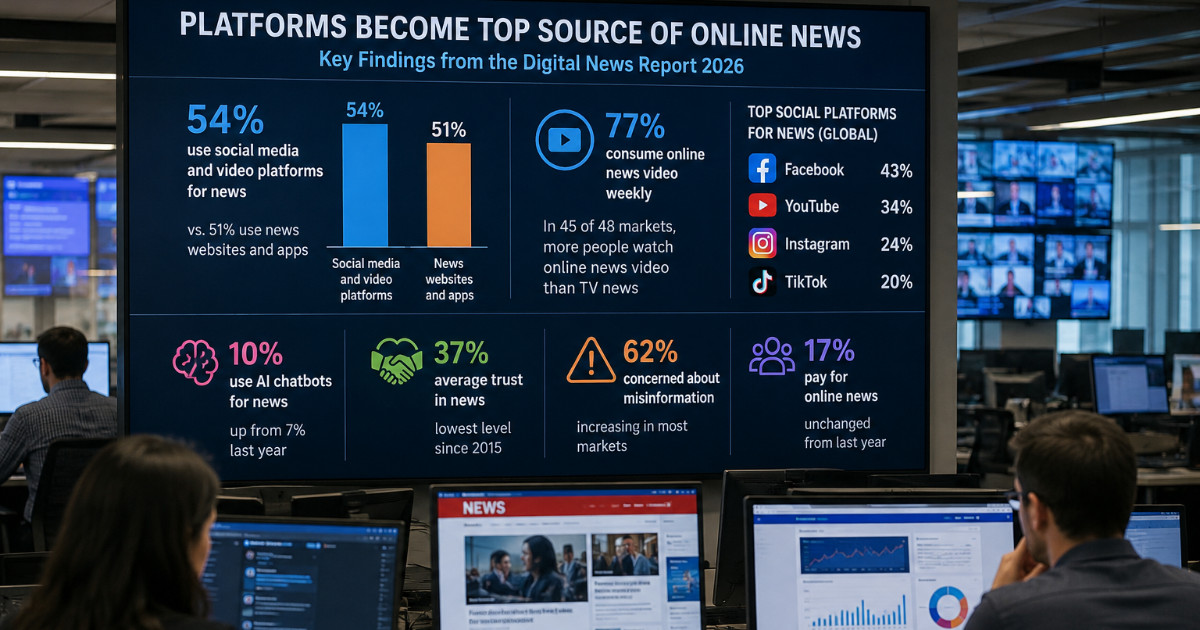
While traditional news organizations continue to command influence and trust, the viral success of independently published content suggests that audience behavior is evolving rapidly, raising questions about how legacy institutions will adapt in an era defined by speed, accessibility, and decentralized distribution.
WHY THIS MATTERS: The episode underscores how distribution power is shifting from institutions to individuals, forcing Pakistani newsrooms to rethink speed, audience engagement, and platform strategy. It highlights the growing importance of timely publishing and direct reach, alongside traditional strengths like verification and investigative depth. For journalists and media organizations, it signals that credibility alone is no longer sufficient without adapting to how audiences now discover and consume news.
ATTRIBUTION: Reporting by JournalismPakistan, based on publicly available posts by Dan Qayyum and Absar Alam on X (April 2026).
Key Points
- Dan Qayyum published an independently distributed longform that reached one million readers within days.
- The piece presents a nuanced narrative of Pakistan's identity, culture and global perception.
- Qayyum compared early traffic to Dawn's web estimates using SimilarWeb data; the comparison was not independently verified.
- The article spread rapidly across social platforms, prompting debate about independent creators versus legacy outlets.
- The episode highlights shifting readership dynamics and questions about the future role of traditional newsrooms.
Key Questions & Answers
Who wrote the viral piece?
The article was written and published independently by Dan Qayyum, a writer and media strategist.
How many views did the article get and in what timeframe?
Qayyum said the piece reached one million readers within three days and earlier reported more than 535,000 views shortly after publication.
Was the traffic comparison to Dawn independently verified?
No, the comparison cited SimilarWeb estimates and has not been independently verified.
What broader debate did the article spark?
The article prompted discussion about the rising influence of independent creators, digital distribution, and implications for traditional Pakistani newsrooms.
Relevant Topics
Ask AI: Understand this story your way
AI EnabledDig deeper, ask anything — get instant context, background, and clarity.
Disclaimer: This feature is powered by AI and is intended to help readers explore and understand news stories more easily. While we strive for accuracy, AI-generated responses may occasionally be incomplete or reflect limitations in the underlying model. This feature does not represent the editorial views of JournalismPakistan. For our full, verified reporting, please refer to the original article.