
From PECA to paychecks: What defined Pakistan's media in March
JournalismPakistan.com | Published: 1 April 2026 | JP Special Report
Join our WhatsApp channel
March put Pakistan's media under legal and financial strain, with high-profile PECA cases and rapid cybercrime FIRs raising press freedom concerns. Broad salary delays and industry shifts accelerated a move toward digital platforms.Summary
ISLAMABAD — March unfolded as a defining month for Pakistan’s media landscape, marked by intensifying legal pressure, deepening financial distress, and a renewed push toward digital transformation. From high-profile journalist cases to widespread salary delays and major industry shifts, the developments of the past weeks revealed a sector navigating multiple, overlapping crises.
Legal pressure and shrinking space
The month was anchored by the prolonged legal battle of journalist Sohrab Barkat, who secured bail in all cases against him after spending more than three months in detention under the Prevention of Electronic Crimes Act (PECA). While his release was welcomed, the case underscored how successive FIRs and bail cancellations can be used to keep journalists in custody without conviction, raising broader concerns about due process and the use of cybercrime laws.
Similar concerns emerged when the National Cyber Crime Investigation Agency swiftly registered a case against Karachi-based journalist Nadir Khan within minutes of his reporting on alleged LPG smuggling. The speed of the legal action drew criticism from rights groups, who warned of growing misuse of law enforcement to deter investigative reporting.
At the policy level, Law Minister Azam Nazeer Tarar publicly cautioned journalists against crossing constitutional “red lines” when discussing foreign policy, prompting concerns from press freedom advocates about a chilling effect on critical coverage.
These developments coincided with the formal operationalization of Pakistan’s Social Media Protection and Regulatory Authority under PECA. This move expands the state’s ability to regulate online content through rapid complaint mechanisms and takedown powers. Taken together, the month’s events point to a tightening regulatory environment that increasingly shapes what journalists can report, and how.
A deepening media wage crisis
If legal pressure defined one axis of concern, financial instability defined another. March saw the chronic issue of delayed salaries escalate into a sector-wide crisis, particularly in the run-up to Eid-ul-Fitr.
Journalists across multiple television networks reported salary delays of up to three months, with organizations including Aaj News, BOL News, Neo News, and Abb Takk News facing mounting criticism. Protests erupted in Islamabad, led by the Rawalpindi-Islamabad Union of Journalists, as media workers demanded payment of long-pending dues during a period of heightened financial need.
The crisis was compounded by layoffs, with several journalists dismissed from the Islamabad bureau of Abb Takk News and wider allegations of nationwide terminations at Aaj TV. Individual cases, such as a former reporter protesting outside The Nation’s offices over years of unpaid dues, further highlighted the lack of enforceable wage protections within the industry.
While union pressure led to partial relief, with some channels clearing outstanding salaries, payments remained uneven, and arrears persisted across multiple organizations. The pattern suggests a structural financial crisis rather than isolated mismanagement, raising questions about the long-term sustainability of Pakistan’s broadcast news model.
Safety risks and harassment across the field
Beyond legal and financial pressures, March also highlighted the physical and psychological risks journalists continue to face.
In Khyber Pakhtunkhwa, journalists staged protests and boycotted police coverage following alleged arrests, assaults, and harassment by security personnel. The incidents prompted demands for accountability and underscored longstanding tensions between law enforcement and the press in conflict-prone regions.
In Islamabad, the risks were equally visible. Three women journalists, Sehrish Qureshi, Farhat Fatima, and Ismat Jabeen, were briefly detained while covering the Aurat March amid the enforcement of Section 144, highlighting the vulnerability of reporters during public demonstrations. Later, Farhat Fatima, who is also a union leader, reported being assaulted during her detention at the women’s police station, sparking outrage within the journalist community.
Elsewhere, a reporter covering a political protest near Adiala Jail returned to find his car vandalized and essential belongings, including his laptop and passport, stolen.
Workplace safety also emerged as a concern after a female journalist filed a police complaint accusing a colleague of harassment and intimidation within a newsroom setting. Together, these incidents illustrate that threats to journalists are not confined to one domain but span state institutions, public spaces, and workplaces alike.
State action and shrinking civic space
The intersection of journalism and state authority was also evident in coverage of protests and cross-border issues.
Authorities detained several individuals, besides the three journalists mentioned above, during the Aurat March in Islamabad after enforcing Section 144, highlighting the recurring use of public order laws to restrict assemblies and limit on-ground reporting.
Meanwhile, the situation of Afghan journalists in Pakistan drew renewed attention. Advocacy groups warned against the detention and deportation of exiled media workers, citing risks they could face if returned to Taliban-controlled Afghanistan. In one case, an Afghan journalist and his family were released from detention only after public intervention, raising concerns about due process and the treatment of refugee journalists.
Industry shifts and the push toward digital
Amid the challenges, March also signaled important shifts in Pakistan’s media industry. The acquisition of digital platform Nukta by ARY Digital Network marked a significant step toward integrating television and digital journalism. The move reflects a broader recognition that future audience growth lies online, with traditional broadcasters seeking to expand their digital footprint.
At the same time, the revival of English-language television channels, including the return of Express 24/7, pointed to renewed efforts to position Pakistan’s media narrative for international audiences. While past attempts at English-language broadcasting have struggled commercially, the latest wave suggests a strategic recalibration rather than a simple revival.
Together, these developments indicate a media industry in transition, balancing immediate financial pressures with longer-term shifts in how news is produced and consumed.
A moment that stood out
One of the most unusual incidents of the month came when several major television channels, including Geo News, ARY News, and Samaa TV, experienced unauthorized disruptions to their satellite transmissions. The brief airing of hostile or inappropriate content across multiple networks suggested a coordinated interference with broadcast infrastructure, raising serious questions about transmission security and vulnerability in Pakistan’s media systems.
Remembering a journalist
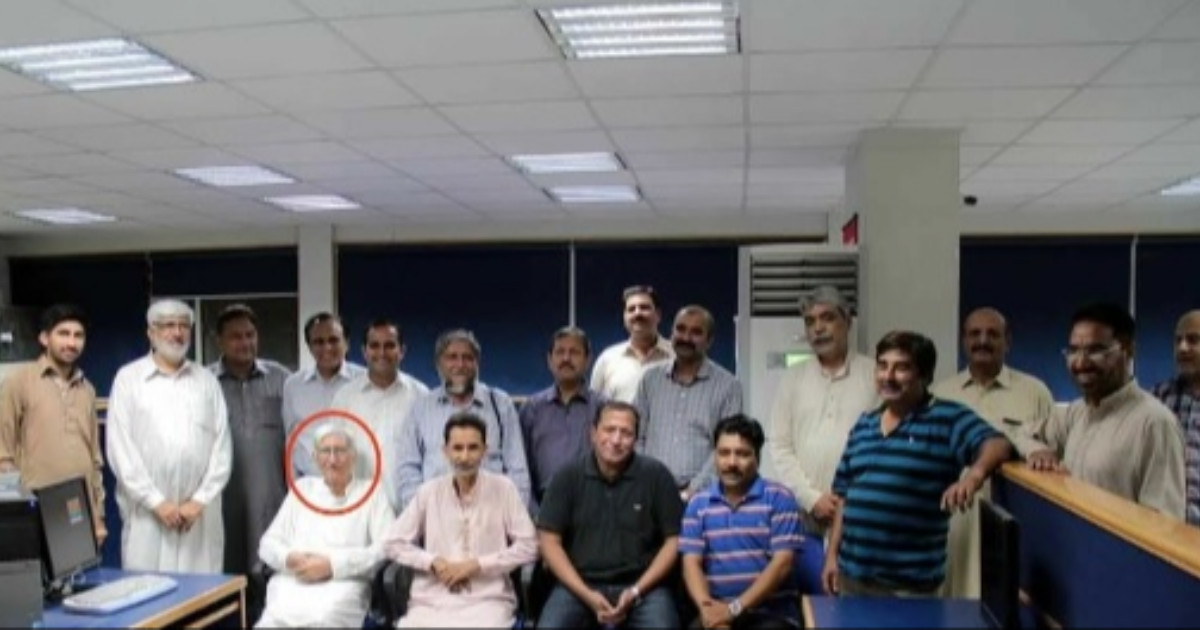
March also saw the passing of Rana Ibrar Khalid, a journalist known for his reporting on the high-profile Toshakhana case. Colleagues remembered him for pursuing investigative work despite sustained pressure, reflecting the personal risks often associated with accountability journalism in Pakistan.
A month of converging pressures
If March offered any clarity, it is that Pakistan’s media sector is confronting not one but several intersecting challenges. Legal constraints are expanding, financial instability is deepening, and the industry is being forced to adapt to a rapidly evolving digital environment.
The trajectory is becoming increasingly clear: tighter regulation, fragile business models, and a race to remain relevant in a changing media landscape.
WHY THIS MATTERS: The developments of March point to a media ecosystem under simultaneous strain from multiple directions. Legal pressures are expanding through both enforcement and policy, financial instability is undermining newsroom sustainability, and journalists continue to face risks in the field and at work. Taken together, these trends do not operate in isolation. Economic vulnerability can make media organizations more susceptible to external pressure, while regulatory tightening shapes what can be reported and how it can be reported. At the same time, the shift toward digital platforms is accelerating, forcing legacy broadcasters to adapt even as their traditional revenue models weaken. The result is a media landscape where independence, sustainability, and safety are increasingly interconnected and increasingly fragile.
ATTRIBUTION: This review is based on reporting by Journalism Pakistan (JP), with information drawn from publicly available reports by the Pakistan Federal Union of Journalists (PFUJ), the Committee to Protect Journalists (CPJ), Reporters Without Borders (RSF), and other credible media and rights organizations.
PHOTO: AI-generated; for illustrative purposes
Key Points
- Prolonged detention under PECA and eventual bail for journalist Sohrab Barkat highlighted use of successive FIRs and bail cancellations.
- A rapid National Cyber Crime Investigation Agency case against Nadir Khan after his LPG smuggling report drew rights groups' criticism.
- Law Minister Azam Nazeer Tarar publicly warned journalists about constitutional 'red lines' when discussing foreign policy.
- Formal operationalization of Pakistan's social media regulator signalled tighter oversight of online platforms.
- Widespread salary delays and mounting financial distress affected newsrooms across the country.
- Industry shifts accelerated a push toward digital platforms and structural transformation.
Key Questions & Answers
What laws featured prominently in March's media cases?
The Prevention of Electronic Crimes Act (PECA) and swift cybercrime FIRs were central; rights groups warned these tools risk chilling investigative reporting.
Who is Sohrab Barkat and why was his case notable?
Barkat is a journalist who spent more than three months detained under PECA before securing bail; his case underscored concerns about successive FIRs and bail cancellations.
Why did the case against Nadir Khan alarm rights groups?
Authorities registered a cybercrime case within minutes of his reporting on alleged LPG smuggling, prompting warnings about misuse of law enforcement to deter reporting.
What are the main non-legal challenges facing Pakistani media?
Newsrooms are coping with deepening financial strain, widespread salary delays and a rapid push toward digital platforms and business models.
Relevant Topics
Ask AI: Understand this story your way
AI EnabledDig deeper, ask anything — get instant context, background, and clarity.
Disclaimer: This feature is powered by AI and is intended to help readers explore and understand news stories more easily. While we strive for accuracy, AI-generated responses may occasionally be incomplete or reflect limitations in the underlying model. This feature does not represent the editorial views of JournalismPakistan. For our full, verified reporting, please refer to the original article.