.png)
Eid nears but salaries remain unpaid at several TV channels
JournalismPakistan.com | Published: 16 March 2026 | JP Staff Report
Join our WhatsApp channel
Eid-ul-Fitr nears and employees at multiple Pakistani television channels remain unpaid or partially paid, with some owed up to four months. Journalists' unions report payments expected before the holidays have not been released, increasing financial strain on media workers.Summary
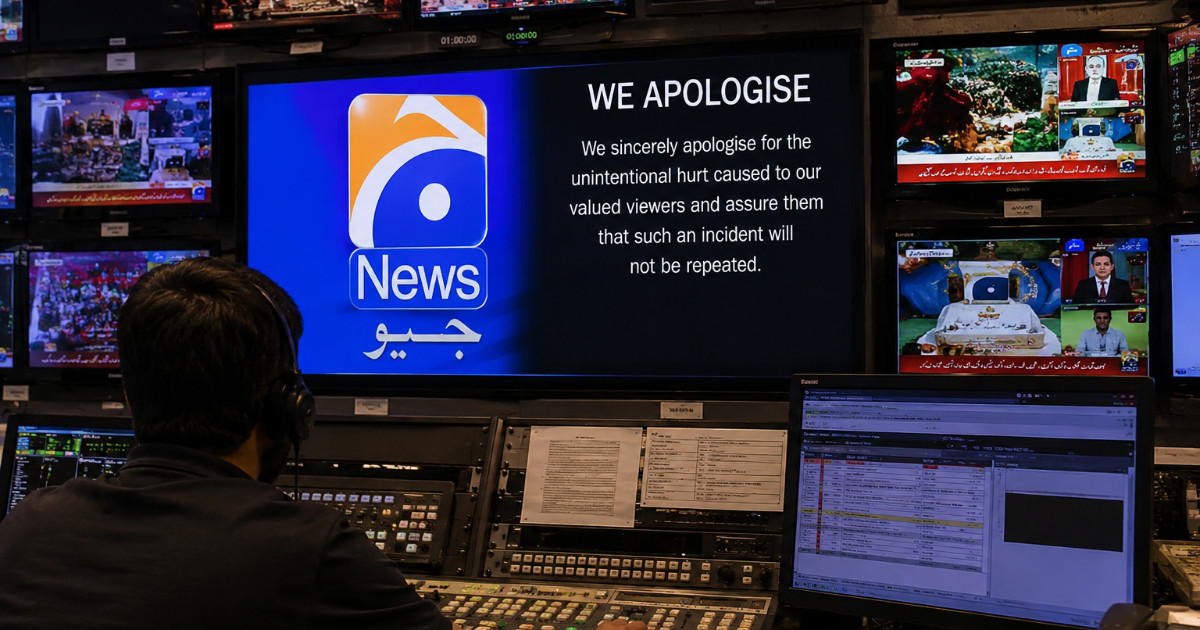
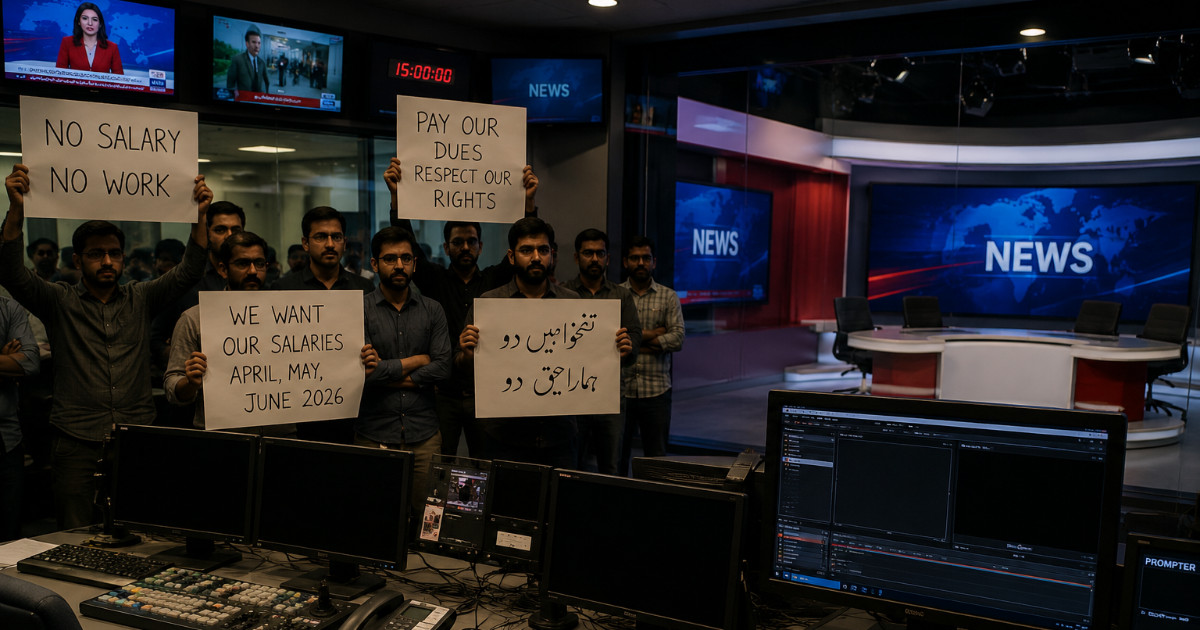
ISLAMABAD — With Eid-u-Fitr approaching, salary arrears at several Pakistani television channels remain unpaid despite earlier expectations that dues would be cleared before the holidays, deepening anxiety among journalists and media workers across the industry.
Journalists’ unions and newsroom employees say payments expected ahead of Eid have not yet been released across multiple outlets, leaving many staff uncertain about how they will manage household expenses during the festive period.
More channels reported to have pending salaries
Updated information shared with journalists’ unions and newsroom sources indicates that employees at several television networks remain unpaid or partially paid as of mid-March.
At Neo News, many employees are still waiting for three months of unpaid salaries. Lahore Rang employees are reportedly facing three months of arrears, with some staff owed up to four months. Several other channels are also experiencing delays in releasing February salaries. These include 365 News, Abb Takk News, Suno News, and BOL News, where payments for February have not yet been released.
At Aik News, February salaries remain unpaid, and employees have also received only half of their December salary. Meanwhile, staff at Aaj News are still awaiting February payments, with some employees facing two months of arrears. One employee told JournalismPakistan that they had received half of their December salary on March 12, with the remaining dues to be cleared next week, meaning the staffers would get only their December dues cleared in Ramzan. The staffer said that pay for January, February, and March remains pending.
Meanwhile, reports say that at DawnNews, the employees were paid half their monthly salary, a first in the organization's history, and ARY staffers have reportedly not received their February pay.
Union representatives say the growing list of affected outlets suggests the problem is becoming systemic across parts of Pakistan’s television industry rather than isolated to individual companies.
Many media workers had expected their salaries to be released before Eid after informal assurances from management at several outlets. With the holidays nearing and payments still pending at multiple channels, frustration among journalists has grown.
Unions push government for stronger intervention
The Rawalpindi-Islamabad Union of Journalists (RIUJ) has intensified its call for government intervention, arguing that regulatory warnings alone have failed to address the recurring salary crisis. In communications with Information Minister Attaullah Tarar, RIUJ leadership urged authorities to adopt concrete enforcement measures to ensure that media workers receive their wages on time.
Among the union’s key demands are directing media houses to clear pending salaries before the Eid holidays, linking government advertising payments to verified clearance of employee salaries, and issuing notices to managements that repeatedly delay staff payments.
Union leaders say the proposal to tie government advertising to salary payments could introduce greater accountability within the industry.
Government advertising represents an important revenue stream for many television channels. Requiring proof that employees have been paid before such funds are released could create financial pressure on management to prioritize staff wages.
Regulatory warnings but limited enforcement
The Pakistan Electronic Media Regulatory Authority (PEMRA) has previously acknowledged the salary delay problem and recently advised television channels to ensure timely payments ahead of Eid-ul-Fitr following complaints from journalists’ unions.
However, journalists say regulatory warnings have rarely translated into lasting change. While PEMRA occasionally issues directives reminding broadcasters to clear dues, enforcement mechanisms remain limited, and penalties are rarely imposed in ways that significantly alter management behavior. As a result, many media workers say salary delays have gradually become normalized within parts of the industry.
A broader crisis affecting media sustainability
The latest wave of delayed salaries highlights deeper structural challenges facing Pakistan’s television news sector. Advertising revenue remains the primary financial lifeline for most broadcasters, yet the market has become increasingly fragmented. Television channels now compete not only with each other but also with digital platforms that dominate online advertising. At the same time, the number of news channels expanded rapidly over the past two decades, intensifying competition for a limited advertising pool.
Economic pressures have further tightened advertising budgets, leaving financially vulnerable media houses struggling to meet operational costs. Industry observers say these pressures frequently translate into delayed salaries, layoffs, or downsizing within newsrooms.
Impact on journalists and newsroom morale
For journalists and media workers, delayed salaries are more than a financial inconvenience; they can undermine professional stability and newsroom morale. Reporters, producers, camera operators, editors, and technical staff often continue working for weeks or months without pay while waiting for management to release their dues.
Junior newsroom employees are particularly vulnerable because their incomes typically depend entirely on monthly wages. When salaries are delayed, many are forced to borrow money, postpone household payments, or rely on family support.
Repeated salary crises have also accelerated a gradual talent shift away from traditional media. Some experienced journalists have moved to digital platforms, corporate communications roles, or international opportunities offering greater financial stability.
Unless stronger enforcement measures are introduced, unions warn that delayed salaries could continue to erode confidence in Pakistan’s broadcast journalism sector and push more professionals away from the industry.
WHY THIS MATTERS: Chronic salary delays in Pakistan’s media industry highlight deeper structural problems affecting the sustainability of journalism. When news organizations fail to pay staff on time, the impact goes beyond financial hardship for individual journalists. Persistent arrears can weaken newsroom morale, push experienced reporters to leave the profession, and undermine the stability of already fragile media institutions. With Eid approaching, the continued delays also expose the limited protections available to media workers in Pakistan’s broadcast sector.
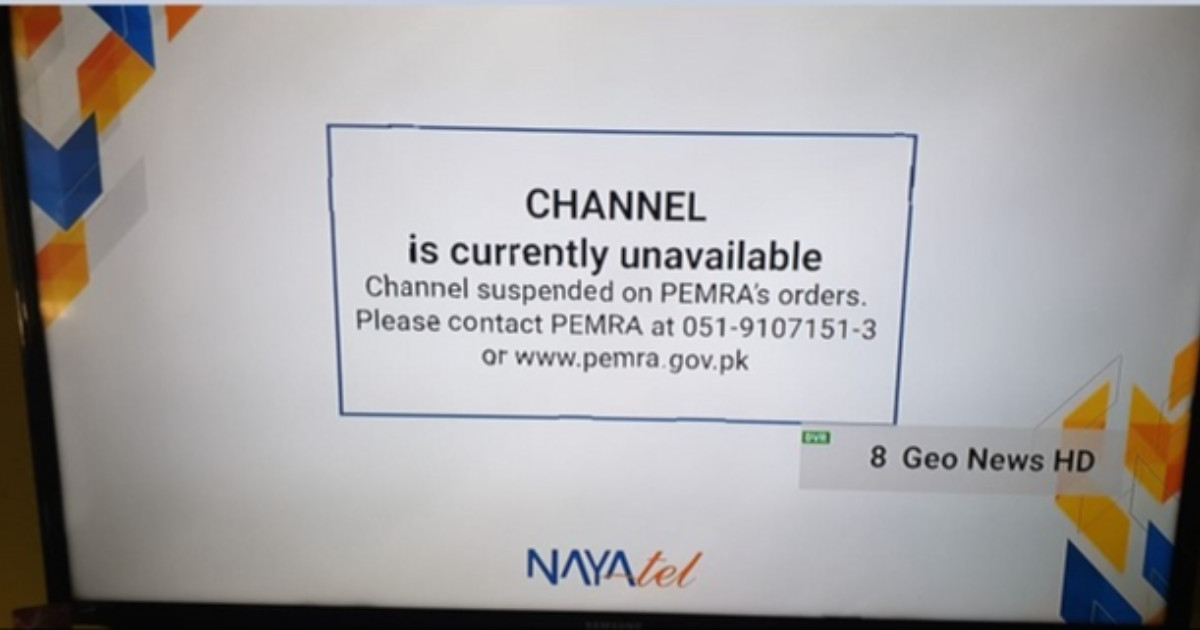
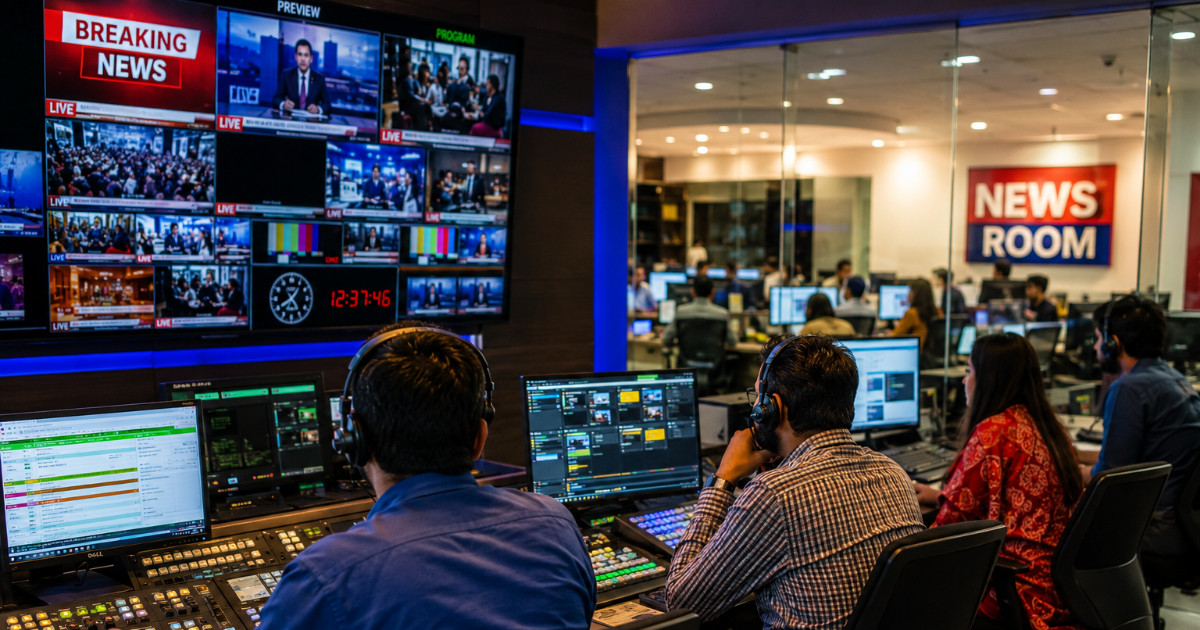
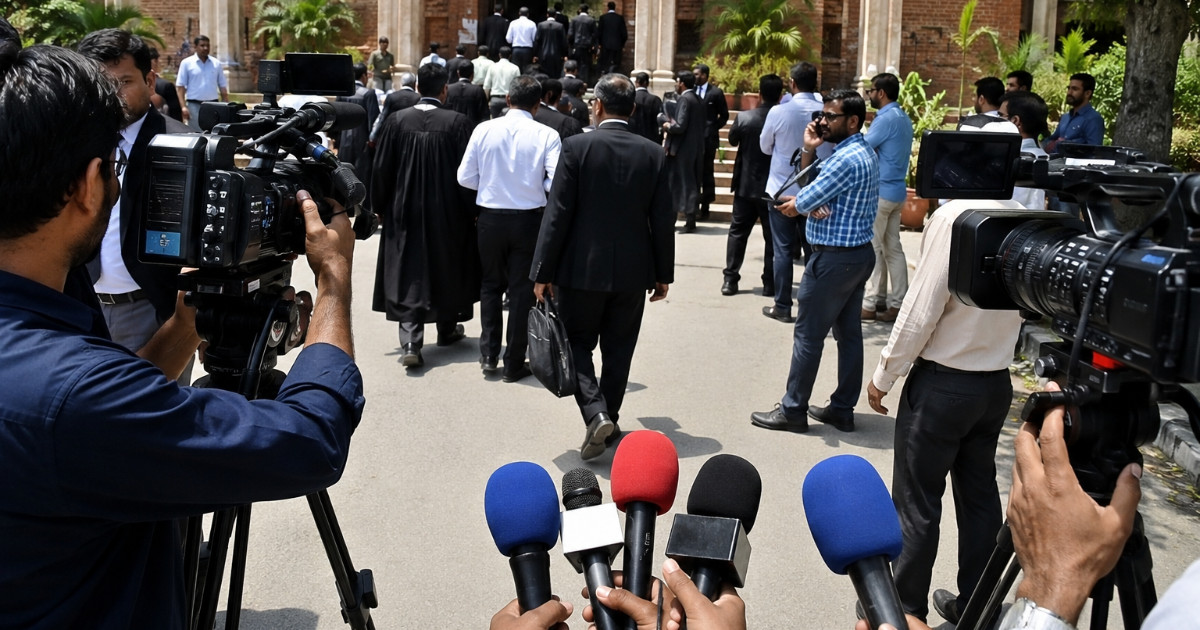
PHOTO: AI-generated; for illustrative purposes
Key Points
- Several channels, including Neo News, 365 News, Abb Takk, Suno News, BOL, Aik News, and Aaj News, report unpaid or partially paid salaries.
- Some employees face three to four months of arrears while others await February payments.
- Journalists' unions say payments promised before Eid have not been released, heightening anxiety ahead of the holiday.
- Aik News staff report only partial December pay; Aaj employees received half of December pay with remaining dues promised later.
- Unpaid salaries are creating financial strain for journalists and media workers across the industry as Eid approaches.
Key Questions & Answers
Which channels are reported to have unpaid salaries?
Channels cited include Neo News, 365 News, Abb Takk, Suno News, BOL, Aik News and Aaj News, among others, with varying levels of arrears.
How long are the reported salary arrears?
Some employees report three months of unpaid pay, with a few facing up to four months; others are awaiting February salaries or partial December payments.
Have journalists' unions commented on the situation?
Yes, unions and newsroom sources say payments expected before Eid have not been released, raising concerns about workers' financial well-being.
Will the unpaid salaries be cleared before Eid?
The reporting states payments expected ahead of Eid have not been released; no confirmed timeline for full clearance was provided.
Ask AI: Understand this story your way
AI EnabledDig deeper, ask anything — get instant context, background, and clarity.
Disclaimer: This feature is powered by AI and is intended to help readers explore and understand news stories more easily. While we strive for accuracy, AI-generated responses may occasionally be incomplete or reflect limitations in the underlying model. This feature does not represent the editorial views of JournalismPakistan. For our full, verified reporting, please refer to the original article.