.png)
Media coverage of violence against women falls sharply globally
JournalismPakistan.com | Published: 18 April 2026 | JP Global Monitoring
Join our WhatsApp channel
In 2025, 1.3% of 1.14 billion online news articles referenced violence against women and girls, the lowest share since 2017. Researchers say coverage often treats cases as isolated and underrepresents systemic causes and survivor voices.Summary
LONDON — A new global media analysis has found that online news coverage of violence against women and girls has declined to its lowest level in years, raising concerns about the visibility of one of the world’s most widespread human rights issues.
The study is based on an analysis of more than 1.14 billion online news articles published between 2017 and 2025, examining how often global media outlets reported on violence against women and girls across digital platforms.
Global coverage of violence against women declines
Researchers found that in 2025, just about 1.3% of global online news stories referenced violence against women and girls, the lowest proportion recorded since 2017. The report says this marks a sustained downward trend in media attention despite ongoing global concern over gender-based violence.
Limited framing of systemic gender violence
The analysis also highlights that even when high-profile cases are reported, they are often framed without consistent reference to broader systemic patterns of misogyny or structural inequality. In many instances, coverage focuses on individual incidents rather than wider social drivers.
Media scholars involved in the research say this pattern contributes to the underrepresentation of women’s experiences in mainstream news agendas. They also note that male perspectives continue to dominate much of the reporting landscape, while survivor voices remain limited or under-contextualized.
Rise of digital platforms reshaping violence narratives
The report warns that digital platforms are increasingly shaping how violence against women is both experienced and reported, with online harassment, coordinated abuse, and AI-generated misogynistic content becoming more visible but not always adequately reflected in traditional journalism coverage.
It adds that this gap between digital realities and newsroom reporting risks weakening public understanding of the scale and evolving nature of gender-based violence.
The analysis also calls for stronger editorial prioritization of gender-sensitive reporting, improved inclusion of survivor narratives, and greater newsroom accountability in covering violence against women as a structural issue rather than isolated events.
WHY THIS MATTERS: For Pakistani journalists and media organizations, the findings highlight a significant gap in sustained gender-focused reporting and contextual storytelling. It underscores the importance of integrating structural analysis of gender-based violence into mainstream coverage rather than treating it as episodic news. The trend also signals an opportunity for Pakistani newsrooms to strengthen digital-era reporting frameworks, particularly as online harassment and gendered abuse increasingly intersect with traditional media narratives.
ATTRIBUTION: Reporting by JournalismPakistan, based on a publicly available story by The Guardian (April 17, 2026) and supporting global media analysis cited in the same report.
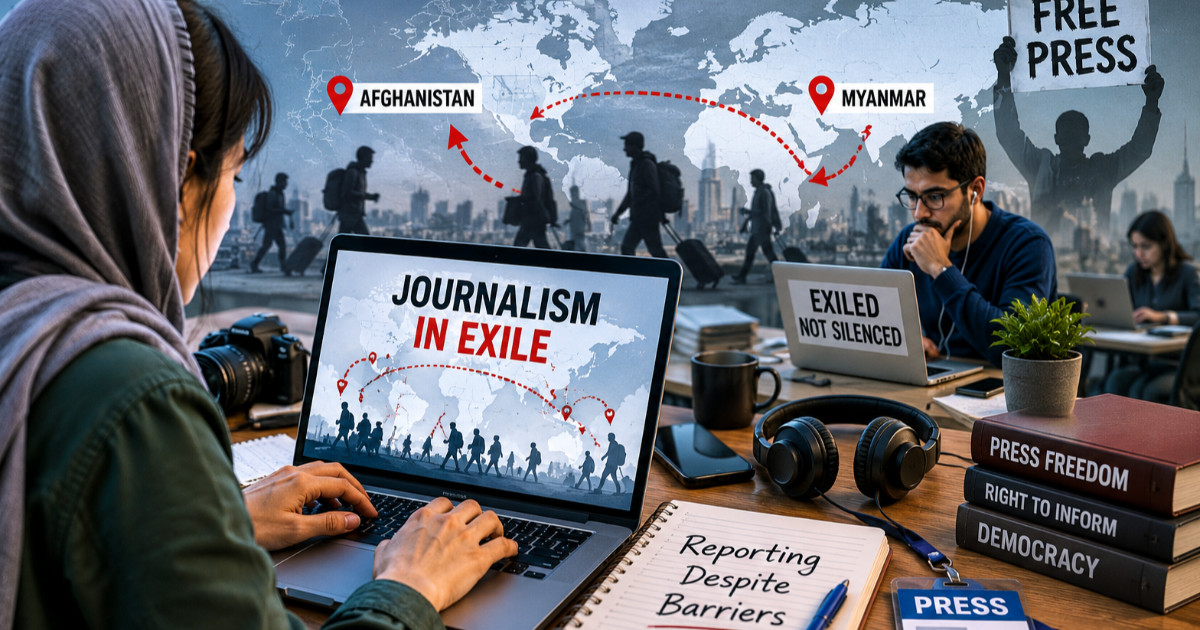
PHOTO: AI-generated; for illustrative purposes only.
Key Points
- Analysis covered more than 1.14 billion online news articles published between 2017 and 2025.
- In 2025, only about 1.3% of global online news stories referenced violence against women and girls.
- Coverage has trended downward since 2017, reaching its lowest recorded share in 2025.
- Reports frequently frame incidents as isolated events rather than linking them to systemic misogyny or inequality.
- Survivor voices are limited and male perspectives continue to dominate reporting; digital platforms are reshaping narratives.
Key Questions & Answers
Why did coverage decline?
Researchers report a sustained drop in reporting; global references fell to about 1.3% of online stories in 2025.
What did the study analyse?
The analysis examined more than 1.14 billion online news articles published between 2017 and 2025 to track references to violence against women and girls.
How are incidents typically framed?
Coverage often focuses on individual incidents and lacks consistent reference to broader systemic patterns like misogyny or structural inequality.
Are survivor voices prominent in reporting?
No, survivor voices remain limited and under-contextualized; male perspectives continue to dominate much of the reporting landscape.
Relevant Topics
Ask AI: Understand this story your way
AI EnabledDig deeper, ask anything — get instant context, background, and clarity.
Disclaimer: This feature is powered by AI and is intended to help readers explore and understand news stories more easily. While we strive for accuracy, AI-generated responses may occasionally be incomplete or reflect limitations in the underlying model. This feature does not represent the editorial views of JournalismPakistan. For our full, verified reporting, please refer to the original article.