
Veteran journalist Khan Nisar dies at 79 in Islamabad
JournalismPakistan.com | Published: 24 March 2026 | Syed Qamar Abbas
Join our WhatsApp channel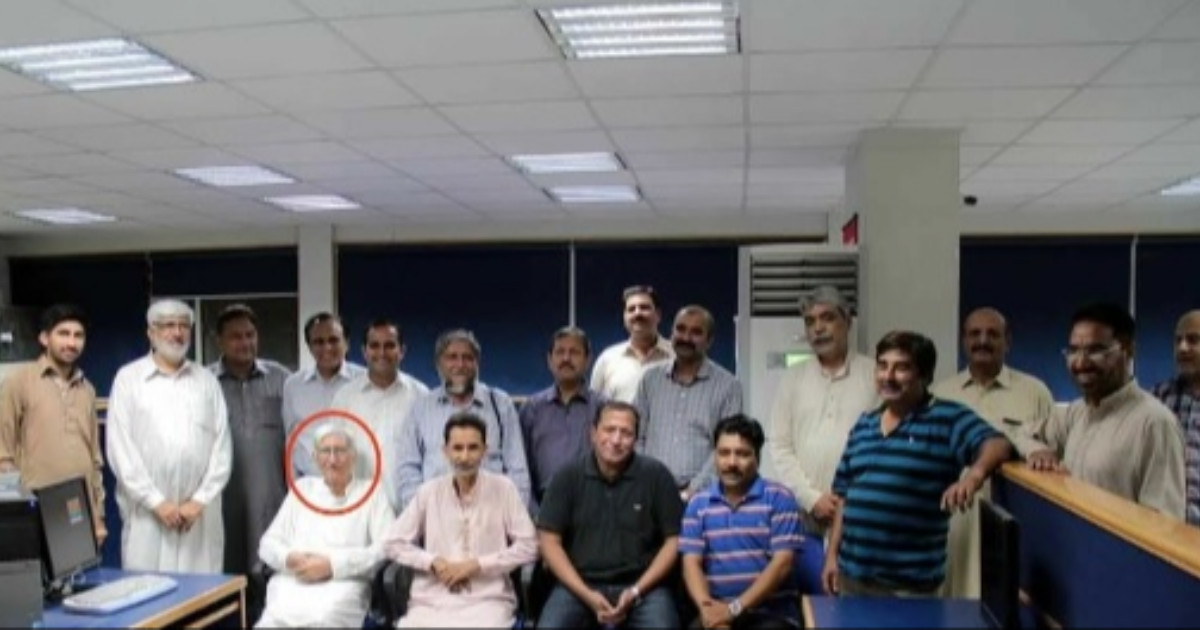
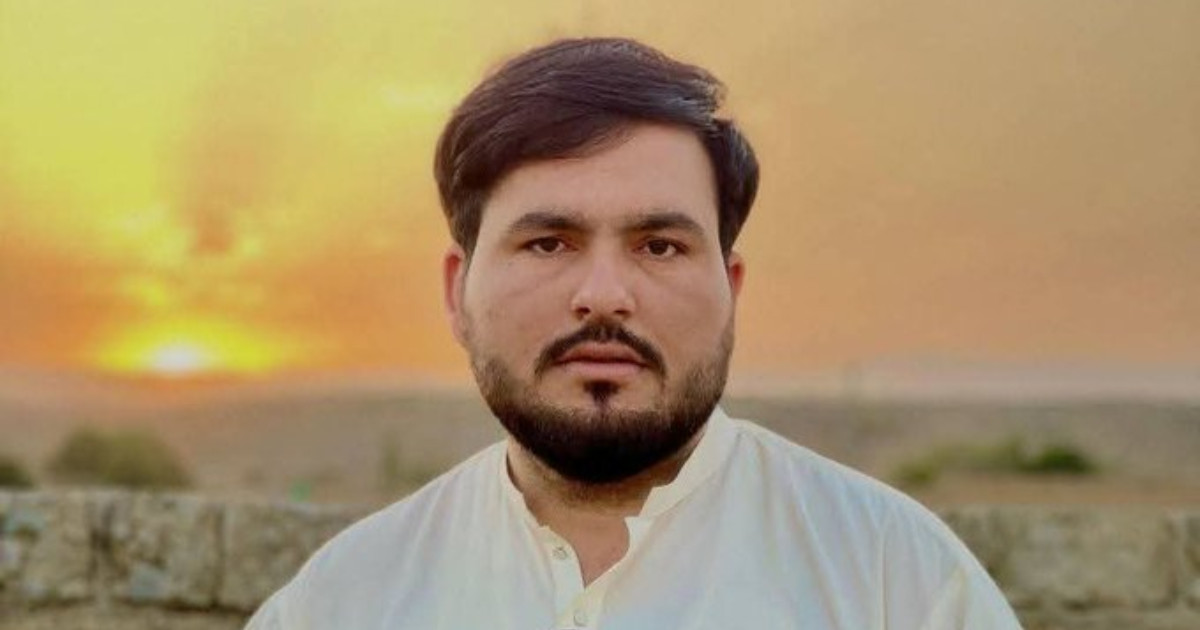
Khan Mohammad Nisar, 79, has died in Islamabad. A labor union leader who later became a senior sub-editor at The Muslim, he spent decades advocating for workers' rights and faced imprisonment for his activism. He played a key role in securing unpaid employee dues following the newspaper's closure.Summary
ISLAMABAD — Khan Mohammad Nisar, a veteran journalist and prominent labor unionist, died on Monday (March 23, 2026) in Islamabad after a prolonged illness. He was 79.
Nisar was widely known for his decades-long advocacy for workers’ rights, both in the industrial and media sectors. He first rose to prominence as a union leader while working at a fertilizer factory in Multan, where he became a leading voice for labor protections and collective bargaining.
A lifetime of labor activism
His activism often placed him at odds with powerful figures. According to colleagues and contemporaries, his outspoken stance on workers’ rights led to severe repercussions, including imprisonment at Kot Lakhpat Jail in Lahore. He also faced threats during his union activities, reflecting the risks associated with labor organizing during politically turbulent periods.
In 1979, when the English-language daily The Muslim began publication from Islamabad, Nisar transitioned into journalism, joining as a sub-editor. Over time, he was promoted to senior sub-editor, gaining recognition not only for his editorial work but also for his continued leadership in journalists’ unions.
Champion of media workers’ rights
During his tenure at The Muslim, which ceased publication in November 1998, Nisar played a key role in advocating for the rights of newspaper employees. His legal efforts were instrumental in securing long-delayed dues for workers after the newspaper’s closure, a significant achievement in Pakistan’s media labor landscape.
Following a period of unemployment after the shutdown, he later joined the English daily The News as a senior sub-editor. He remained associated with the publication until health issues forced him to step back from active work in recent years.
Colleagues remember Nisar as a principled and deeply knowledgeable figure, particularly in legal matters related to labor rights. His integrity and commitment earned him respect among journalists in Rawalpindi and Islamabad, as well as among industrial workers in Multan.
His funeral prayers were to be offered after Zuhr prayers on Tuesday (March 24, 2026) at a mosque near his residence in Chak Shehzad, Islamabad.
Legacy across industries
Nisar’s legacy spans both industrial labor movements and the journalism profession, highlighting the interconnected struggles for workers’ rights across sectors. His contributions to union organizing and legal advocacy continue to resonate among media workers facing job insecurity and delayed wages.
WHY THIS MATTERS: Khan Nisar’s career underscores the critical role of unions in protecting journalists’ rights in Pakistan, particularly during times of media closures and financial instability. His success in securing dues for laid-off workers offers a precedent for collective action in today’s evolving media landscape.
ATTRIBUTION: Information provided by colleagues and contemporaries of Khan Mohammad Nisar and publicly shared funeral and biographical details (March 23, 2026).
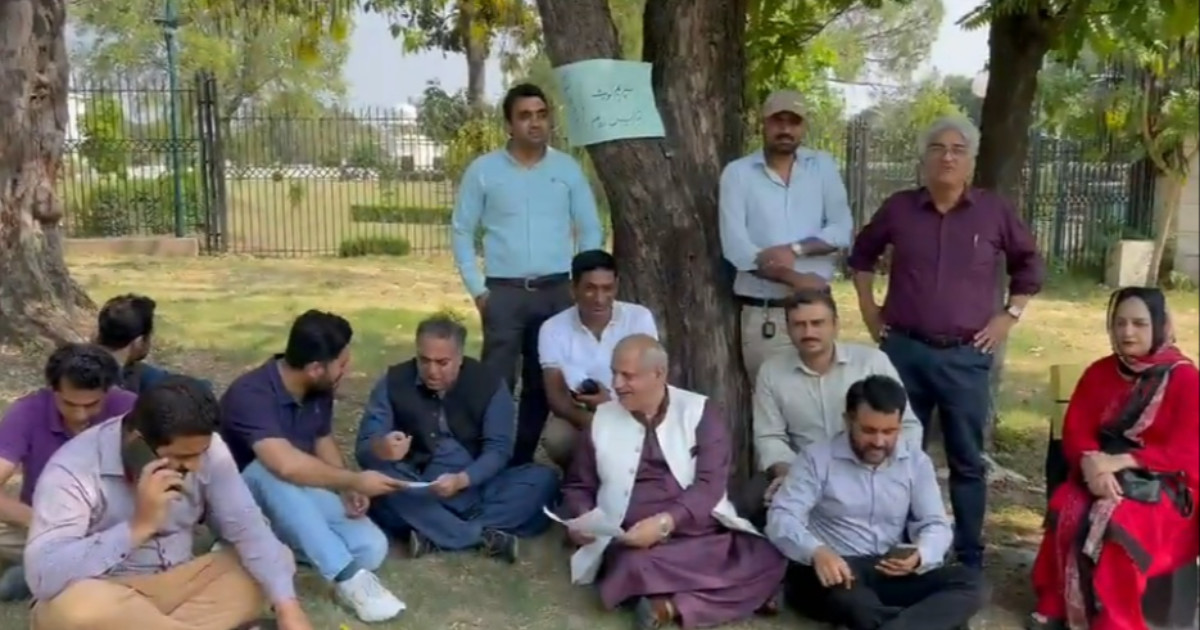
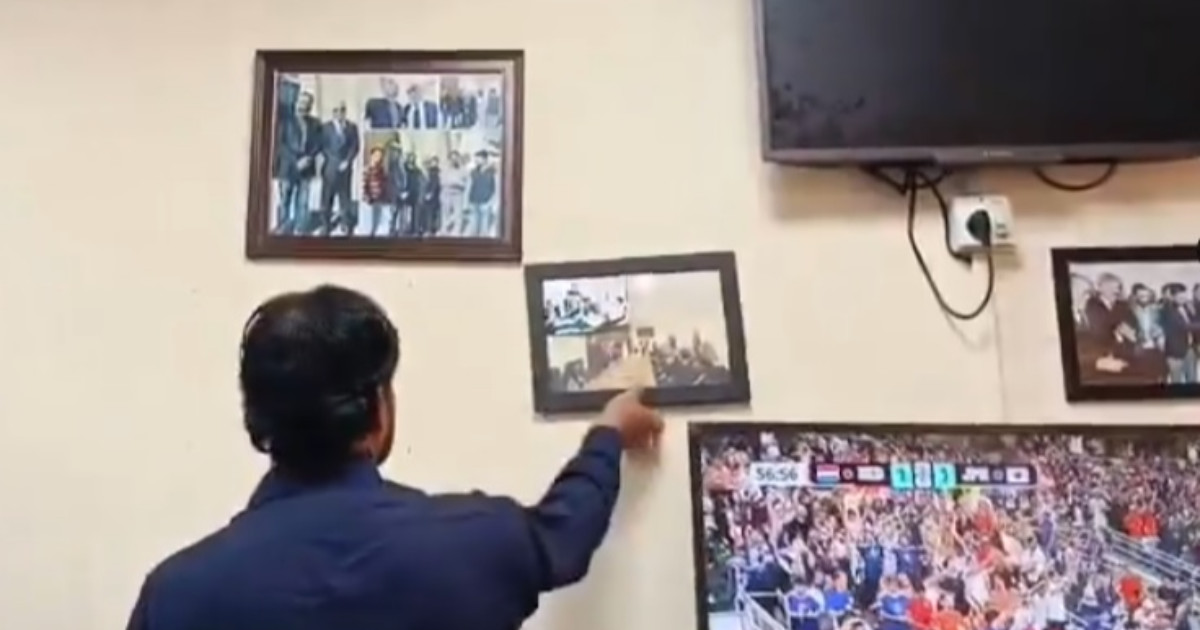
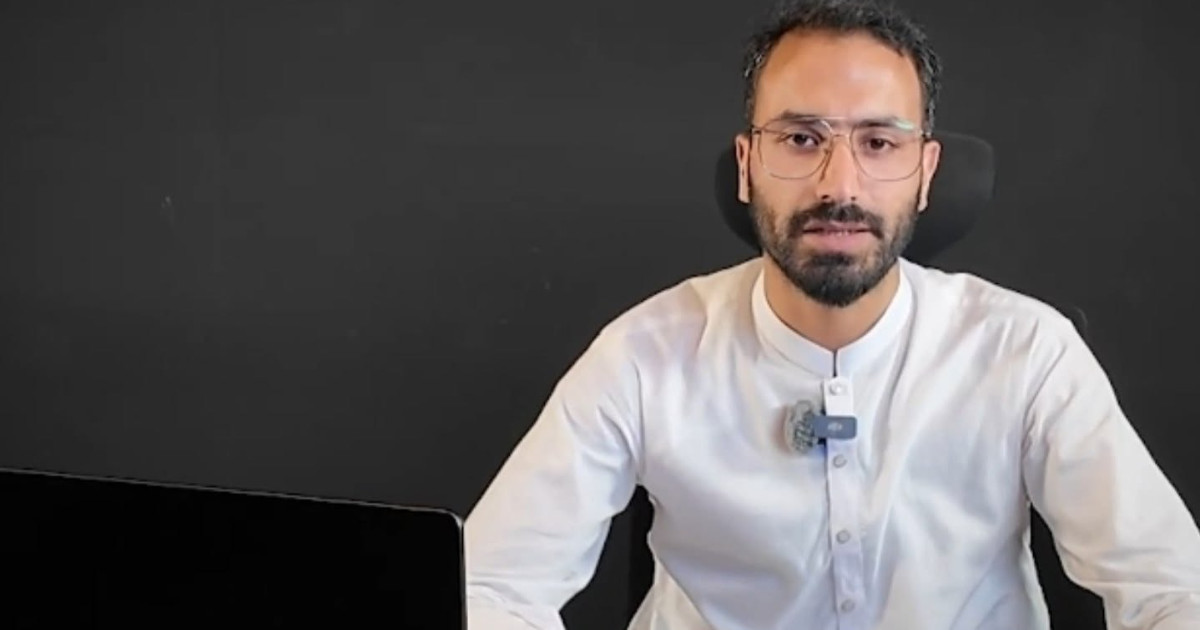
PHOTO: Photo courtesy of the author
Key Points
- Khan Mohammad Nisar died in Islamabad at age 79 after a prolonged illness.
- He began as a union leader at a Multan fertilizer factory advocating for workers' protections.
- In 1979 he joined The Muslim as a sub-editor and later became a senior sub-editor.
- His labour activism led to imprisonment at Kot Lakhpat Jail and he faced threats during union work.
- He helped secure long-delayed unpaid dues for newspaper employees after The Muslim ceased publication.
Key Questions & Answers
Who was Khan Mohammad Nisar?
He was a veteran journalist and labor unionist known for long-standing advocacy for workers' rights and leadership in journalists' unions.
What caused his death?
He died after a prolonged illness.
What was his role at The Muslim?
He joined The Muslim in 1979 as a sub-editor and rose to senior sub-editor while continuing to lead union efforts for media workers.
What is his legacy?
He is remembered for persistent labor activism, surviving imprisonment, and legally securing unpaid dues for newspaper employees after the paper closed.
Relevant Topics
Ask AI: Understand this story your way
AI EnabledDig deeper, ask anything — get instant context, background, and clarity.
Disclaimer: This feature is powered by AI and is intended to help readers explore and understand news stories more easily. While we strive for accuracy, AI-generated responses may occasionally be incomplete or reflect limitations in the underlying model. This feature does not represent the editorial views of JournalismPakistan. For our full, verified reporting, please refer to the original article.