
UNI office sealing sparks press freedom concerns in India
JournalismPakistan.com | Published: 20 March 2026 | JP Asia Desk
Join our WhatsApp channel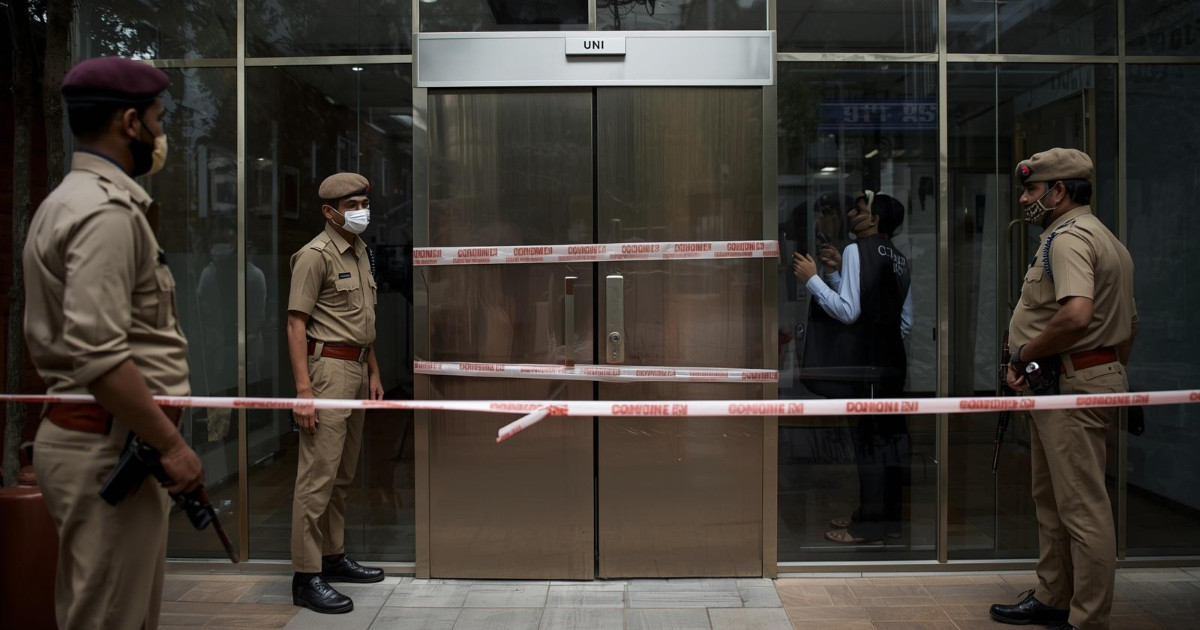
Delhi Police sealed the United News of India office on March 20 under a court order tied to a land allotment dispute, prompting journalists to allege forceful eviction and misconduct. Authorities deny wrongdoing and say the operation followed legal procedures.Summary
NEW DELHI — The sealing of the office of United News of India (UNI), one of India’s oldest news agencies, has triggered fresh concerns about press freedom after journalists alleged forceful eviction during a police operation in the capital.
The action was carried out by Delhi Police on March 20 following a directive linked to a property dispute and a court order, according to official statements. Authorities said the operation was conducted in compliance with legal procedures and under judicial authorization.
Journalists allege force and misconduct
UNI staff and journalists present during the operation alleged that they were forcibly removed from the premises, with some unable to retrieve their personal belongings. Several journalists also claimed that female staff members were roughly handled during the eviction process.
Additional allegations included claims that some police personnel were intoxicated while on duty and that both lawyers and police officers used abusive language during the operation. These claims have not been independently verified and have been disputed by authorities.
Police cite legal process and deny wrongdoing
Delhi Police denied allegations of misconduct, stating that due process was followed and the operation was documented. Officials maintained that the sealing of the premises was carried out in line with a court order related to a land allotment dispute involving the news agency.
The incident has drawn attention from media bodies and press freedom advocates, who have raised concerns about the manner in which the operation was executed, particularly given UNI’s longstanding role in India’s media ecosystem since its establishment in 1959.
Broader concerns over the media environment
The developments come amid ongoing scrutiny of press freedom conditions in India, where journalists and media organizations have increasingly raised concerns over legal pressures, regulatory actions, and operational constraints.
While the UNI case is rooted in a legal dispute, the allegations surrounding the eviction have amplified fears about the safety of journalists and the protection of media institutions during state-led actions.
WHY THIS MATTERS: The incident underscores the importance of clear protocols when state authorities interact with media organizations. For Pakistani journalists, it highlights the need to safeguard newsroom spaces and ensure legal protections are in place during disputes involving media infrastructure.
ATTRIBUTION: Information cited from publicly available reporting by Hindustan Times (March 20, 2026) and The Tribune India (March 20, 2026).
PHOTO: AI-generated; for illustrative purposes only.
Key Points
- Delhi Police sealed the United News of India office on March 20 under judicial authorization tied to a property and land allotment dispute.
- UNI staff and journalists allege they were forcibly evicted and some could not retrieve personal belongings.
- Several journalists claimed female staff were handled roughly and some officers appeared intoxicated; these claims remain unverified.
- Delhi Police denied misconduct, saying the action followed a court order and was documented as due process.
- Media bodies and press freedom advocates have raised concerns about the manner of the operation and its implications for journalism.
Key Questions & Answers
Why was the UNI office sealed?
Authorities say the sealing followed a court order linked to a property and land allotment dispute.
When did the operation take place?
Delhi Police carried out the sealing on March 20, according to official statements.
What allegations have journalists made?
Journalists alleged forceful eviction, rough handling of some staff members, and that some officers were intoxicated; these claims have not been independently verified.
How have authorities responded?
Delhi Police denied wrongdoing, asserting the operation was legally authorized and properly documented.
Relevant Topics
Ask AI: Understand this story your way
AI EnabledDig deeper, ask anything — get instant context, background, and clarity.
Disclaimer: This feature is powered by AI and is intended to help readers explore and understand news stories more easily. While we strive for accuracy, AI-generated responses may occasionally be incomplete or reflect limitations in the underlying model. This feature does not represent the editorial views of JournalismPakistan. For our full, verified reporting, please refer to the original article.