
VOA journalists sue, alleging White House propaganda control
JournalismPakistan.com | Published: 24 March 2026 | JP Global Monitoring
Join our WhatsApp channel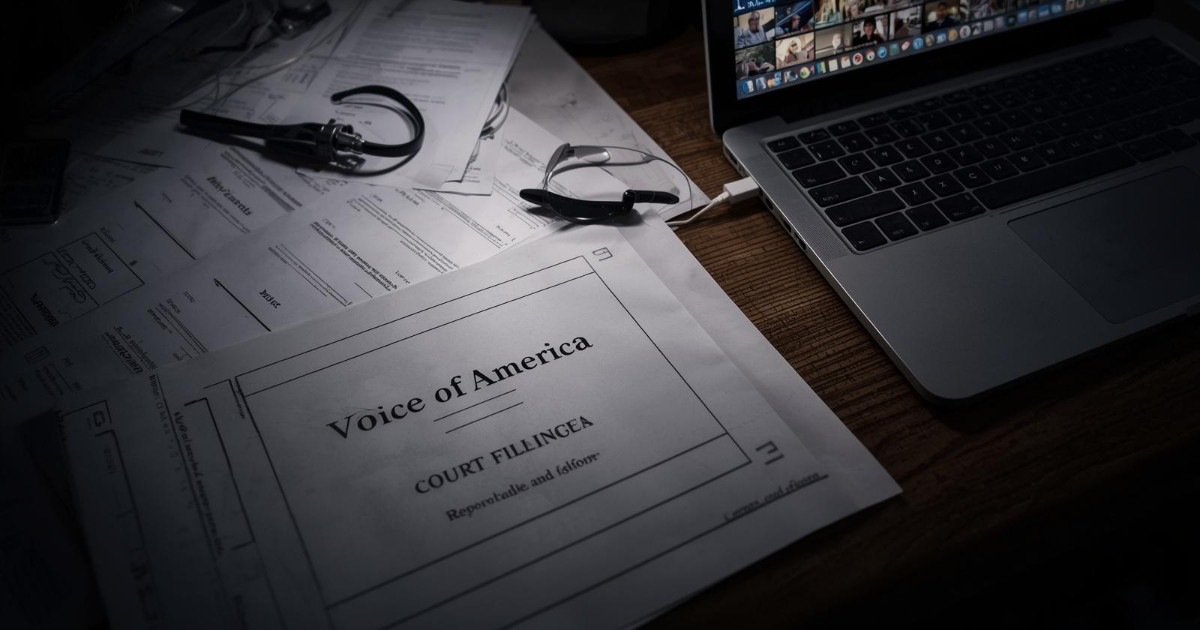
VOA journalists filed a federal lawsuit alleging political appointees at USAGM steered coverage to mirror White House talking points and suppressed unfavorable reporting, a breach they say violates VOA's mandate and harms its credibility abroad.Summary
WASHINGTON — Journalists at the U.S.‑funded international broadcaster Voice of America (VOA) filed a federal lawsuit this week, accusing the Trump administration and political appointees of undermining the outlet’s legally mandated editorial independence by steering coverage toward White House talking points and suppressing disfavored news.
The complaint targets programming aimed at audiences in Iran, China, North Korea, and Kurdish‑speaking regions, saying it now echoes government messaging rather than objective reporting. Plaintiffs argue such interference violates mandates in U.S. law designed to protect VOA’s editorial “firewall,” and threatens the broadcaster’s credibility abroad.
Lawsuit details claims of censorship and propaganda
Filed Monday in the U.S. District Court in Washington, the lawsuit alleges that decisions by VOA’s parent agency, the U.S. Agency for Global Media (USAGM), directed by Trump loyalists, have effectively turned the news service into a vehicle for political propaganda. According to the complaint, coverage of protests inside Iran was censored, key stories were suppressed, and Mandarin‑language broadcasts republished White House material “verbatim” as news. The plaintiffs, a group of current and former VOA journalists, describe this as a breach of VOA’s charter to provide accurate, objective, and comprehensive news.
Editorial independence under strain amid legal fight
The journalists also allege that political appointees installed in editorial oversight positions pressured newsroom staff to align with the administration’s policy aims, including reportedly requiring loyalty to the Trump administration to keep jobs. As part of the suit, they are seeking a court order to reinstate protections for editorial staff and prevent further political intrusion into news decisions. VOA and USAGM officials have defended their actions as consistent with a legal requirement that content reflect U.S. policy abroad, although critics say this undermines global journalistic trust.
Context of wider legal struggles over VOA
The lawsuit comes against the backdrop of broader legal battles over VOA’s future. Earlier this month, a federal judge ruled that the Trump administration’s attempt to dismantle USAGM and sideline more than 1,000 VOA employees was unlawful, ordering staff to be reinstated. That ruling underscored longstanding tensions between VOA’s statutory mandate to operate independently of political influence and efforts by successive administrations to exert control over its direction and staffing.
WHY THIS MATTERS: For Pakistani journalists and media organizations, the VOA lawsuit highlights the critical importance of editorial independence, particularly in state‑funded outlets. It underscores how legal safeguards and newsroom protections are essential to maintain credibility and public trust, especially when covering politically sensitive international issues that resonate with audiences in closed media environments. This case also serves as a reminder to local media of the challenges and legal avenues for resisting political influence in journalism.
ATTRIBUTION: Information cited from publicly available reporting by The Associated Press (March 23, 2026) and The Guardian (March 17, 2026).
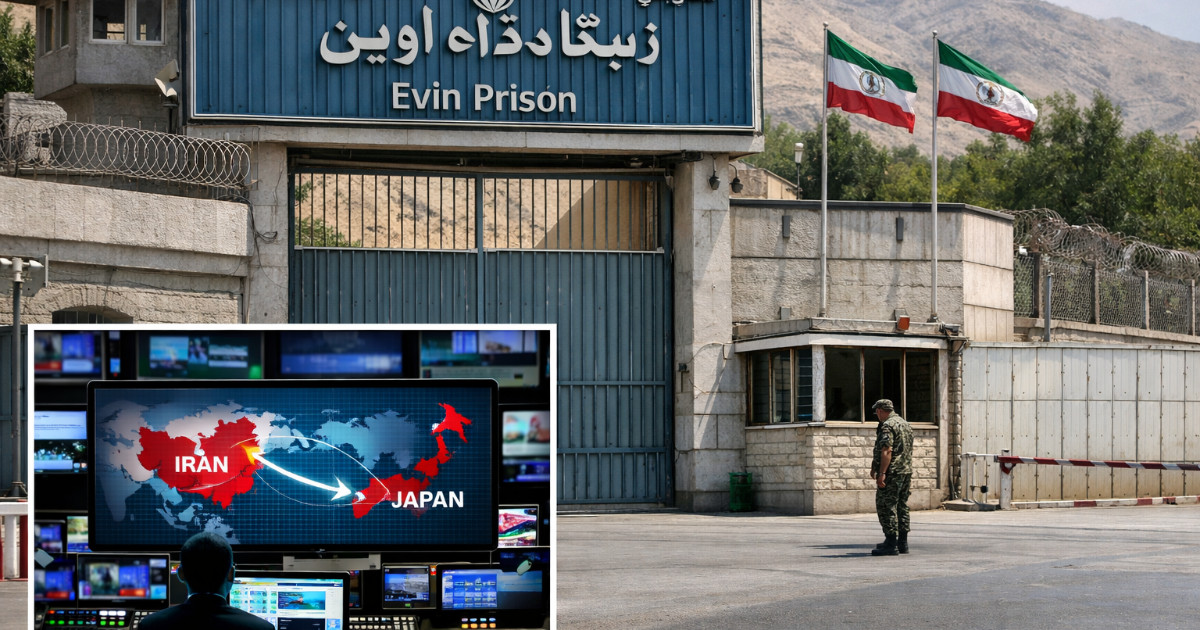
PHOTO: AI‑generated; for illustrative purposes only.
Key Points
- Current and former VOA journalists filed a federal complaint in U.S. District Court in Washington.
- Plaintiffs allege political appointees at the U.S. Agency for Global Media pressured newsrooms and steered coverage to echo White House talking points.
- The suit cites targeted programming for Iran, China (Mandarin), North Korea, and Kurdish‑speaking audiences as affected.
- Allegations include censorship, suppression of stories, and republishing White House material as news, which plaintiffs say breaches VOA's charter.
- Journalists contend the interference undermines VOA's credibility abroad and violates statutory protections for editorial independence.
Key Questions & Answers
What are the journalists alleging?
They allege political appointees at the USAGM steered coverage to echo White House talking points and suppressed disfavored reporting.
Which VOA services are cited in the lawsuit?
The complaint highlights programming aimed at audiences in Iran, Mandarin‑language broadcasts to China, North Korea services and Kurdish‑speaking regions.
What legal protections does VOA have?
VOA operates under statutes that require an editorial firewall to protect independence; plaintiffs say those legal protections were violated.
What remedy are the journalists seeking?
They seek court orders to stop political interference and restore VOA's editorial independence, and may pursue injunctive relief to enforce those protections.
Relevant Topics
Ask AI: Understand this story your way
AI EnabledDig deeper, ask anything — get instant context, background, and clarity.
Disclaimer: This feature is powered by AI and is intended to help readers explore and understand news stories more easily. While we strive for accuracy, AI-generated responses may occasionally be incomplete or reflect limitations in the underlying model. This feature does not represent the editorial views of JournalismPakistan. For our full, verified reporting, please refer to the original article.