
UK plans social media ban for under-16s
JournalismPakistan.com | Published: 15 June 2026 | JP Global Monitoring
Join our WhatsApp channel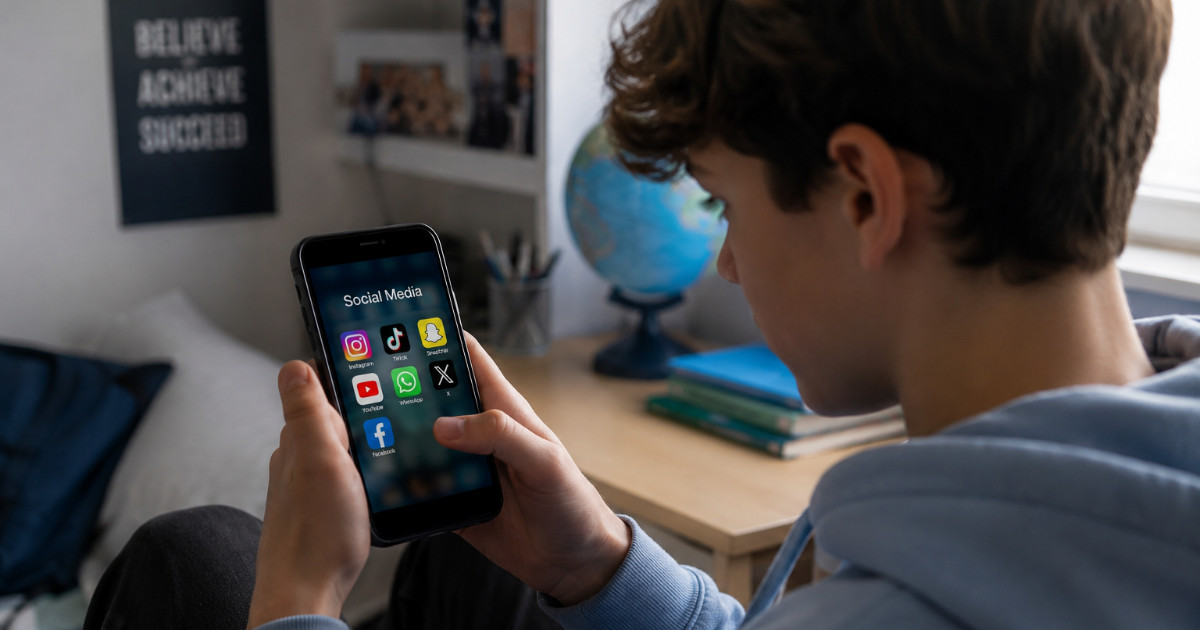
Keir Starmer has proposed banning under-16s from major social platforms including TikTok, Instagram, Facebook, Snapchat, YouTube and X, while exempting messaging apps, as part of a broader online safety package; the government aims to pass the law by December and implement it next spring.Summary
LONDON — British Prime Minister Keir Starmer has announced plans to ban children under the age of 16 from accessing major social media platforms, marking one of the most far-reaching online safety proposals introduced by a Western democracy. The government said the measure would apply to platforms including TikTok, Instagram, Facebook, Snapchat, YouTube, and X, while excluding messaging services such as WhatsApp.
Starmer said social media companies were exposing children to harmful and addictive content and argued that stronger safeguards were needed to protect young users. The government hopes to pass the legislation by the end of December, with implementation targeted for spring next year.
Government expands child online safety agenda
The proposed ban forms part of a broader digital safety strategy that could also include overnight curfews, restrictions on infinite scrolling features, and new measures affecting gaming and live-streaming services where children may interact with strangers. Officials said further details would be released in July.
Starmer cited Australia’s landmark decision to prohibit social media access for under-16s as an important influence on the UK approach. The announcement follows a government consultation in which teenagers tested social media restrictions and app time limits. According to government figures, the consultation attracted approximately 116,000 responses, with a large majority of participating parents supporting a minimum age of 16 for social media access.
Technology firms raise concerns
The proposal has already prompted concerns from technology companies. A YouTube spokesperson warned that a blanket ban could drive younger users toward less regulated or less safe online services. Industry groups are expected to closely scrutinize how age verification and enforcement mechanisms would operate in practice.
The move comes shortly after the UK government ordered major technology companies to strengthen protections preventing children from creating, sending, or receiving nude images on personal devices. Ministers have also linked the proposed measures to efforts to combat online grooming, coercion, abuse, and sextortion involving minors.
Part of a growing global trend
The UK joins a growing list of countries seeking tighter regulation of children’s access to social media. Canada recently introduced legislation proposing similar age restrictions, while Indonesia began enforcing a social media ban for under-16s earlier this year. Several European governments are also exploring comparable measures amid concerns about mental health, online safety, and platform accountability.
The debate reflects increasing pressure on governments worldwide to balance child protection, freedom of expression, privacy rights, and the role of digital platforms in young people’s lives. For media organizations and digital publishers, the proposed restrictions could have significant implications for audience development strategies, content distribution, and future engagement with younger users.
WHY THIS MATTERS: The UK proposal signals a major shift in how governments are approaching platform regulation and youth engagement online. Media organizations, publishers, and digital content creators may face changes in audience reach, advertising strategies, and platform-dependent distribution models if age-based restrictions become more common internationally. The development also highlights growing regulatory scrutiny of algorithmic design, user engagement tools, and online safety practices.
ATTRIBUTION: Reporting by JournalismPakistan, based on publicly available statements and a report by AFP on June 15, 2026.
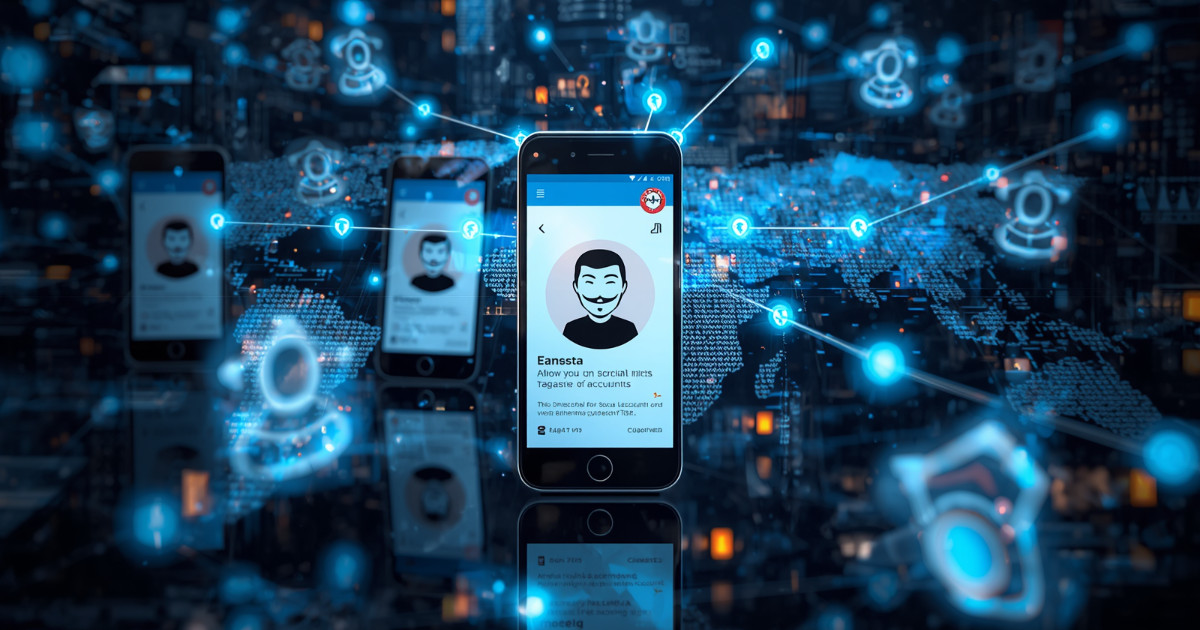
PHOTO: AI-generated; for illustrative purposes
Key Points
- Prime Minister Keir Starmer proposes banning children under 16 from major social media platforms.
- The proposal targets TikTok, Instagram, Facebook, Snapchat, YouTube and X, but excludes messaging services such as WhatsApp.
- It forms part of a wider digital safety agenda that could include overnight curfews, limits on infinite scrolling, and new rules for gaming and live-streaming.
- The government hopes to pass the legislation by December with implementation planned for next spring after a public consultation that drew about 116,000 responses.
- Technology firms have raised concerns and officials said further details would be released in July.
Key Questions & Answers
Which platforms would the ban cover?
The proposal names major public social platforms such as TikTok, Instagram, Facebook, Snapchat, YouTube and X; it does not cover private messaging services.
Who is exempt from the proposed ban?
Messaging apps like WhatsApp are excluded from the ban; the measure specifically targets public social media platforms.
When would the ban take effect?
The government aims to pass the legislation by December and begin implementation in the spring following passage.
Why is the government proposing this change?
Officials say the move aims to protect children from harmful and addictive content and is part of a broader online safety push informed by a large public consultation.
Ask AI: Understand this story your way
AI EnabledDig deeper, ask anything — get instant context, background, and clarity.
Disclaimer: This feature is powered by AI and is intended to help readers explore and understand news stories more easily. While we strive for accuracy, AI-generated responses may occasionally be incomplete or reflect limitations in the underlying model. This feature does not represent the editorial views of JournalismPakistan. For our full, verified reporting, please refer to the original article.