
Why democracies and autocracies are tightening digital speech
JournalismPakistan.com | Published: 14 February 2026 | JP Special Report
Join our WhatsApp channel
Democratic and authoritarian governments alike are tightening online speech rules to curb misinformation, hate, and threats to public safety, elections, and national security, with laws like the EU's DSA and the UK Online Safety Act expanding platform duties.Summary
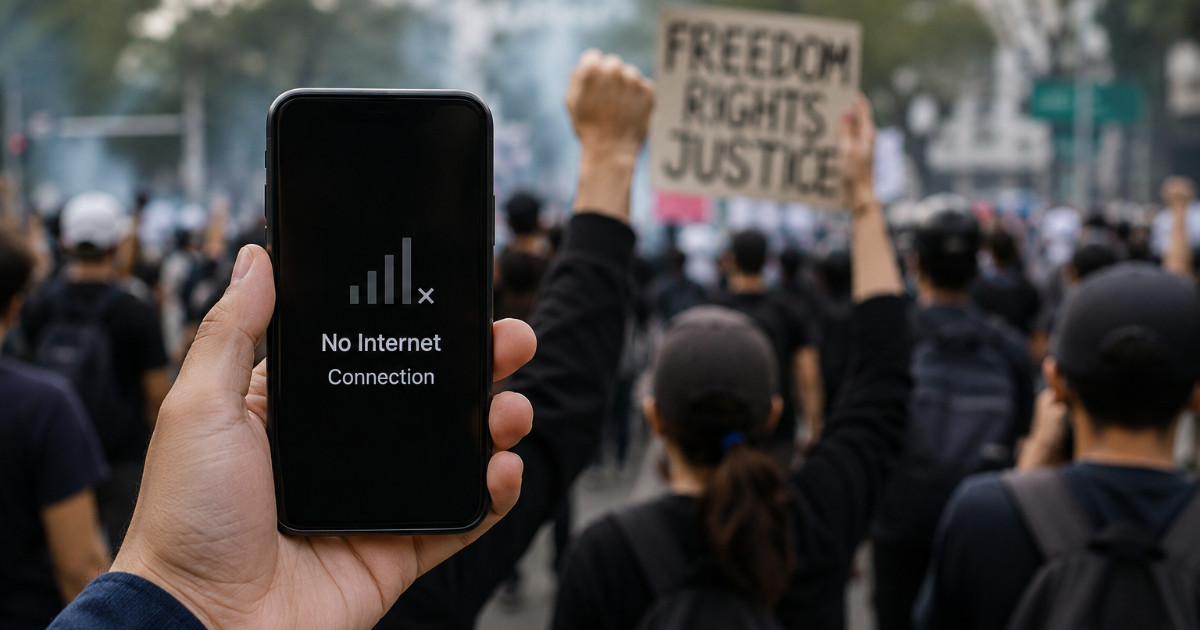
ISLAMABAD — Governments around the world, both democratic and authoritarian, are increasingly regulating digital speech, driven by converging concerns over misinformation, social harm, national security, and political stability, even as their motivations and safeguards differ.
Freedom on the Net data show that global internet freedom has declined for the 15th consecutive year, with democracies such as the United States, Germany, and Georgia registering notable declines alongside deeply repressive environments like China and Myanmar.
In many democratic states, lawmakers have enacted new laws requiring online platforms to address harmful content like disinformation, hate speech, and electoral manipulation. Examples include the European Union’s Digital Services Act (DSA), which compels platforms to remove illegal content and mitigate risks to civic discourse, public health, and safety, and the United Kingdom’s Online Safety Act 2023, which mandates content controls on major tech services. Critics argue these laws sometimes grant broad powers that risk dampening lawful expression without adequate judicial oversight.
Driving forces in democracies
Democratic regulation often stems from a desire to preserve electoral integrity, protect vulnerable communities, and ensure that digital platforms do not become vectors for violence or foreign influence. For example, U.S. and EU policymakers have flagged concerns that unchecked misinformation and extremist content can undermine democratic trust and social cohesion, prompting debates over liability and transparency requirements for tech companies.
Yet democracies also face internal criticism: some civil liberties advocates contend that poorly crafted digital speech laws can be “censor’s charters” that undermine free speech protections and invite abuse by future governments. The delicate balance between combating harm and preserving expression remains a core tension in free societies.
Authoritarian motivations to control online speech
Authoritarian states pursue regulation with a markedly different intent — to maintain political control and suppress dissent. Governments like those in China and Russia enforce stringent censorship frameworks that compel platforms and Internet service providers to block content critical of the state, mandate data localization, and embed censorship mechanisms directly in digital infrastructure. Such measures often extend to arresting critics, blocking websites, and requiring companies to pre-emptively remove sensitive political speech.
These regimes also increasingly leverage advanced technologies, including AI-driven surveillance and automated filters to monitor, remove, or demote content, aiming to prevent the spread of opposing viewpoints and coordinate unpopular movements. Freedom on the Net reports record numbers of legal reprisals for online expression globally, particularly in authoritarian contexts.
Balancing rights and risks
Despite divergent political systems, a common theme emerges: the digital age has transformed speech dynamics, making the global public sphere simultaneously more accessible and more vulnerable to manipulation and harm. Democracies generally emphasize procedural safeguards, judicial review, and proportionality in regulation, while authoritarian states prioritize political stability and regime security, often at the expense of individual liberties. Understanding these differences is crucial as nations navigate how to protect citizens online without eroding foundational rights.
WHY THIS MATTERS: Pakistani media professionals face similar debates as global peers over digital speech regulation and free expression. The trend highlights the importance of carefully crafted laws that balance online safety with press freedom, and of robust legal safeguards that prevent overreach against journalists and citizens alike. Clear definitions of harmful content, transparent enforcement, and respect for due process are critical lessons for Pakistan’s evolving digital governance environment.
ATTRIBUTION: Reporting draws on Freedom House and other publicly available policy analyses and legal documents on global internet freedom and digital speech regulation.
PHOTO: By tookapic from Pixabay
Key Points
- Both democracies and autocracies are increasing regulation of digital speech.
- Primary drivers include misinformation, social harm, national security and threats to electoral integrity.
- Democratic laws such as the EU's DSA and the UK Online Safety Act expand platform obligations.
- Critics argue these measures can grant broad powers and may chill lawful expression without strong oversight.
- Global internet freedom has declined for the 15th consecutive year, affecting open and repressive systems alike.
Relevant Topics
Ask AI: Understand this story your way
AI EnabledDig deeper, ask anything — get instant context, background, and clarity.
Disclaimer: This feature is powered by AI and is intended to help readers explore and understand news stories more easily. While we strive for accuracy, AI-generated responses may occasionally be incomplete or reflect limitations in the underlying model. This feature does not represent the editorial views of JournalismPakistan. For our full, verified reporting, please refer to the original article.