
Why audiences now trust influencers over news anchors
JournalismPakistan.com | Published: 15 March 2026 | JP Special Report
Join our WhatsApp channel
Pew Research and media analysts say younger audiences increasingly get news from influencers on platforms like YouTube, TikTok and Instagram, drawn to conversational explainers and perceived intimacy but raising questions about editorial standards.Summary
ISLAMABAD — In many parts of the world, including Pakistan, audiences are increasingly turning to social media influencers for news and commentary rather than traditional television anchors or established news organizations. Media analysts say the shift reflects a profound change in how people consume information, particularly among younger audiences who spend more time on digital platforms than watching scheduled television broadcasts.
Research by the Pew Research Center shows that about one in five adults now regularly gets news from influencers on social media, with the share rising sharply among people under 30. Many respondents say influencers help them understand complex issues in a more relatable and conversational way.
The trend is reshaping the global media landscape and raising new questions about the future of traditional journalism, editorial authority, and the role of professional newsrooms in the digital age.
Social media personalities reshape news consumption
Digital platforms such as YouTube, TikTok, and Instagram have enabled creators to build large audiences by sharing commentary, explainers, and live reactions to current events. Unlike television news, which often follows formal editorial structures, influencer content tends to be direct, personal, and conversational.
Studies suggest this format creates what researchers call “parasocial relationships,” in which followers feel a personal connection with online personalities who speak directly to the camera and interact with comments or messages. This perceived intimacy often makes audiences feel they know the creator personally, increasing the level of trust in their opinions or interpretations of events.
At the same time, younger audiences increasingly rely on social video platforms for information. Some research suggests nearly 38 percent of adults under 30 regularly rely on “news influencers,” compared with only 8 percent of those over 65.
Declining trust in traditional media
The rise of influencers has coincided with a broader decline in trust in traditional news institutions. Surveys show that public trust in national news organizations has fallen significantly in recent years, reflecting political polarization, media fragmentation, and widespread skepticism toward established outlets.
In this environment, audiences often prefer personalities who openly express opinions or explain news in simple language rather than anchors who present scripted broadcasts. Some media scholars say influencers appear more transparent about their views, which paradoxically makes them seem more credible to their followers.
However, the shift also carries risks. Studies indicate that a large share of news influencers have no professional journalism background, raising concerns about misinformation, lack of fact-checking, and blurred boundaries between opinion, advocacy, and reporting.
Pakistan’s evolving media landscape
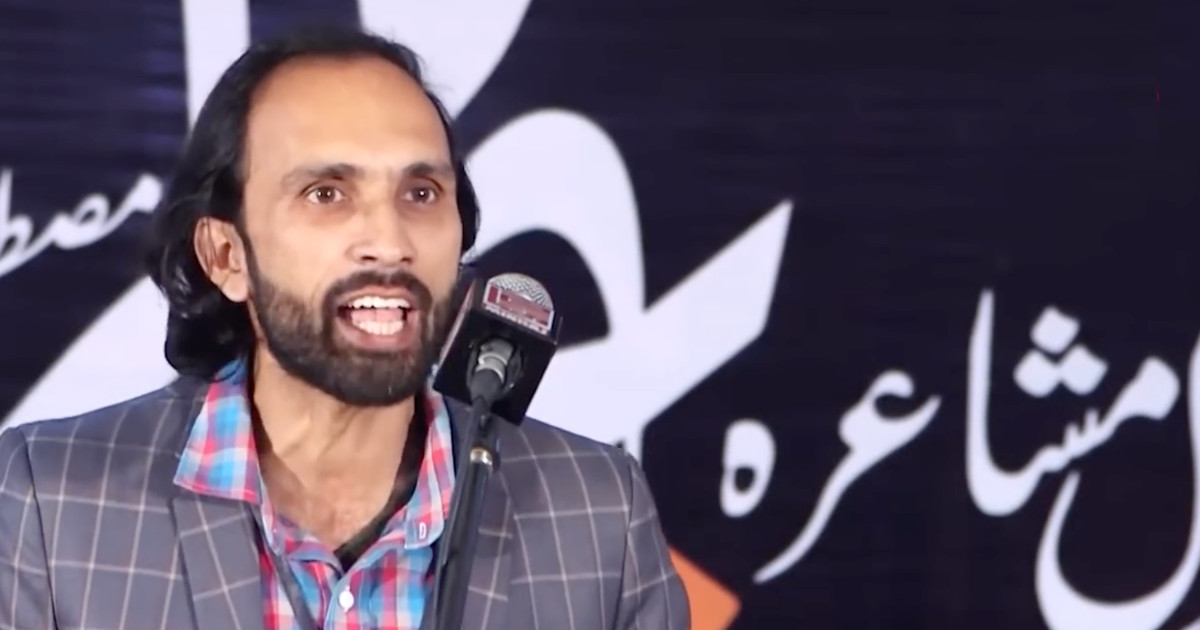
Pakistan is experiencing similar trends as social media becomes a major source of news and commentary. Political YouTubers, TikTok commentators, and digital creators often attract audiences that rival or exceed those of traditional television programs.
Prominent Pakistani digital commentators have built substantial online followings by publishing analysis and commentary directly on social media platforms.
Many younger Pakistanis now consume political discussion through YouTube channels, podcasts, and TikTok explainers rather than nightly television bulletins. The interactive nature of these platforms allows audiences to comment, share, and debate content instantly, reinforcing a sense of community around individual creators.
For news organizations, this shift presents both a challenge and an opportunity. Some outlets are experimenting with “journalist-creators,” encouraging reporters to build personal brands online while maintaining professional editorial standards.
WHY THIS MATTERS: The rise of influencer-driven news highlights how audience trust is shifting from institutions to individuals. For Pakistani journalists, the trend underscores the need to adapt storytelling formats, strengthen audience engagement, and maintain transparency while competing in a personality-driven digital media environment.
ATTRIBUTION: Based on reporting and analysis by the Pew Research Center (January 23, 2026) and research summaries published by Advanced Television (January 23, 2026).
PHOTO: AI-generated; for illustrative purposes only.
Key Points
- Growing audience shift: many, especially under-30s, now get news from influencers on YouTube, TikTok and Instagram.
- Format matters: conversational, direct explainers foster perceived intimacy and engagement.
- Research evidence: Pew finds about one in five adults regularly gets news from influencers, with higher shares among younger people.
- Impact on journalism: the trend challenges traditional editorial authority and prompts questions about verification and accuracy.
- Platform dynamics: social platforms enable creators to build large followings and reshape news consumption habits.
Key Questions & Answers
Why do some audiences trust influencers more than TV anchors?
Viewers, particularly younger ones, find influencers' conversational explainers more relatable; direct engagement and perceived intimacy create stronger personal connections.
Does this shift mean traditional journalism is obsolete?
No, professional newsrooms still provide verification and editorial standards; however, they face pressure to adapt formats and audience engagement practices.
Are influencers held to the same editorial standards as news organizations?
Generally no; many influencers lack formal editorial processes, which raises concerns about accuracy, sourcing and potential bias.
How widespread is the trend of getting news from influencers?
Pew Research reports about one in five adults regularly gets news from influencers, with notably higher adoption among people under 30.
Relevant Topics
Ask AI: Understand this story your way
AI EnabledDig deeper, ask anything — get instant context, background, and clarity.
Disclaimer: This feature is powered by AI and is intended to help readers explore and understand news stories more easily. While we strive for accuracy, AI-generated responses may occasionally be incomplete or reflect limitations in the underlying model. This feature does not represent the editorial views of JournalismPakistan. For our full, verified reporting, please refer to the original article.