
What Pakistani journalists are most worried about in 2026
JournalismPakistan.com | Published: 27 January 2026 | JP Staff Report
Join our WhatsApp channel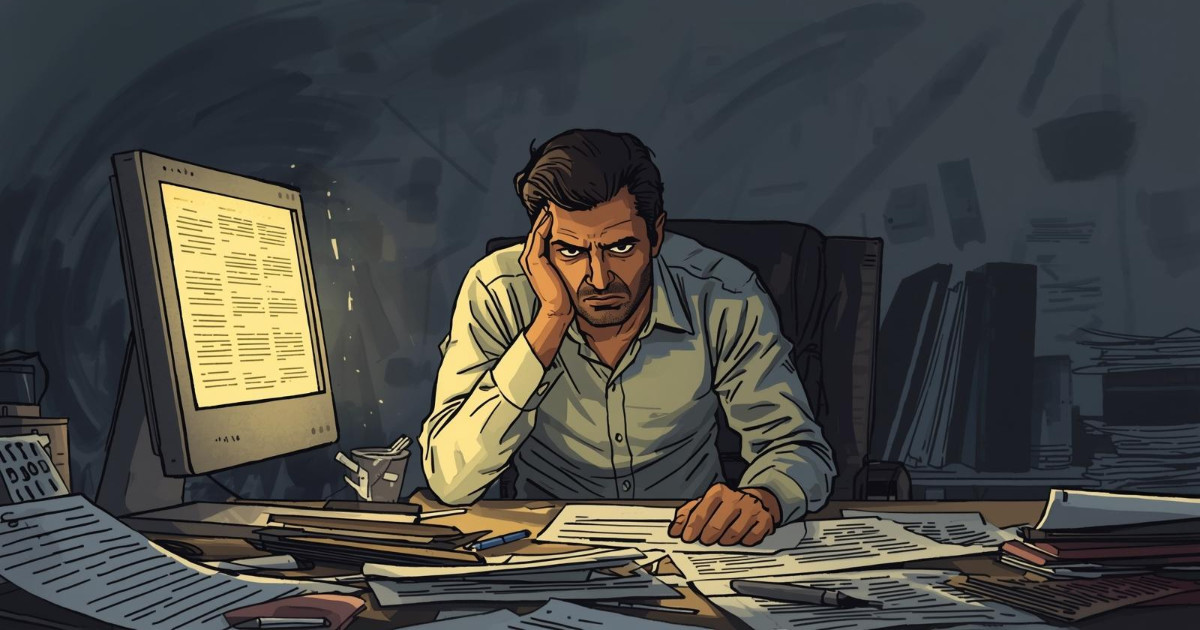
As Pakistan enters 2026, journalists report converging legal, economic and safety pressures that they say imperil independent newsrooms. Shrinking resources, regulatory expansion and rising risks are limiting investigations and prompting self-censorship.Summary
ISLAMABAD — Pakistan’s journalism community is entering 2026 facing a convergence of legal, economic, and safety pressures that many reporters and editors say threaten the sustainability of independent newsrooms. These concerns are grounded in patterns documented over the past two years by local press unions, international watchdogs, and publicly available court records rather than speculation about future events.
From newsroom layoffs to expanding regulatory oversight of digital platforms, journalists describe a climate in which professional risks are rising while institutional protection remains weak. The issues shaping these anxieties are already visible in policy debates, legislation, and newsroom practices across the country.
Shrinking newsroom resources
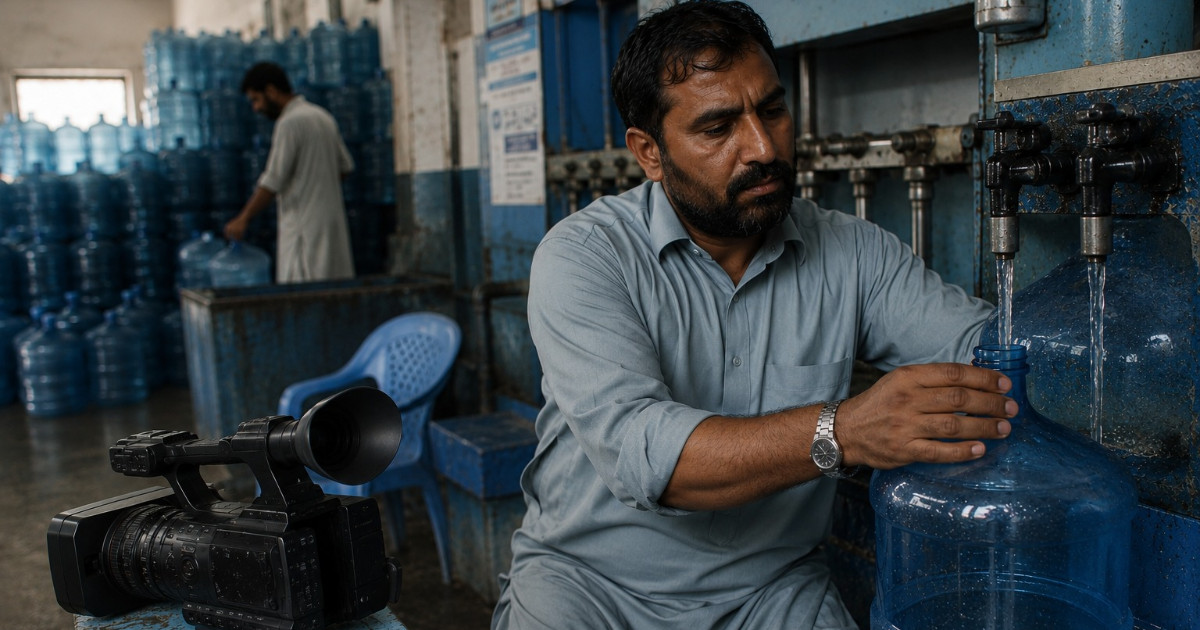
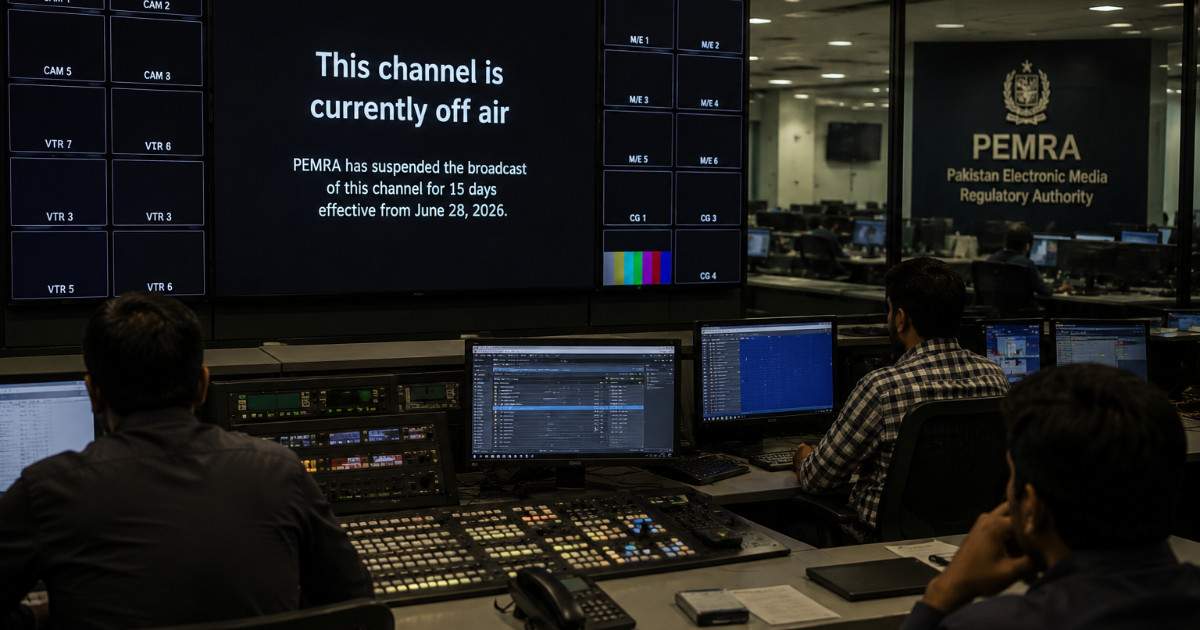
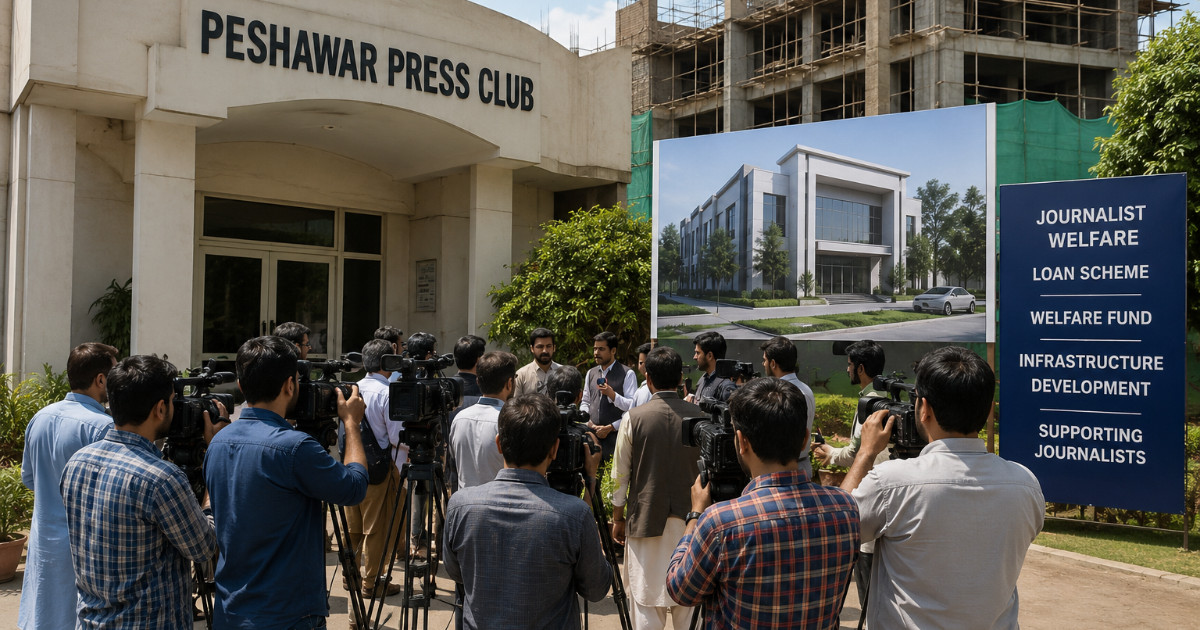
One of the most immediate worries for journalists is financial instability within the media sector. Pakistani news organizations have experienced repeated rounds of layoffs, salary delays, and closures in the past few years, driven by declining advertising revenue and rising operational costs. The Pakistan Federal Union of Journalists has repeatedly warned in public statements that job insecurity is undermining editorial independence, as reporters feel pressure to self-censor to retain employment.
This economic strain has also affected newsgathering capacity. Fewer field reporters and reduced travel budgets have limited investigative reporting, particularly outside major cities, reinforcing urban-centric coverage and reducing scrutiny of local governance.
Legal and regulatory pressure on reporting
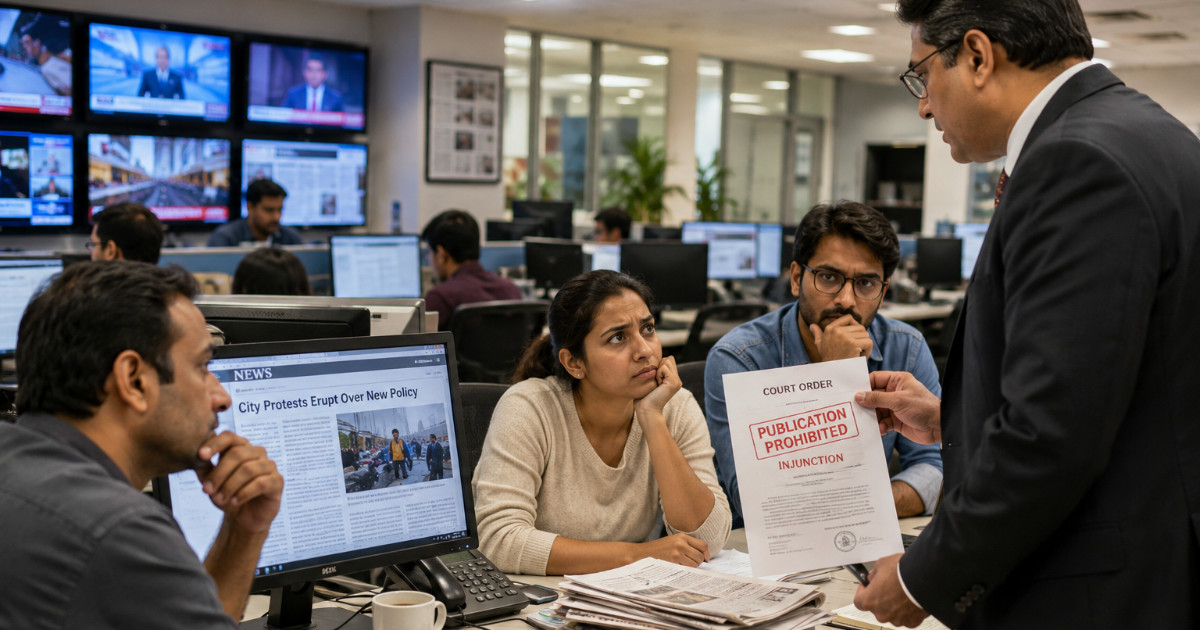
Another central concern is the expanding legal framework governing media and online expression. Amendments to the Pakistan Electronic Crimes Act (PECA) and the increasing use of defamation laws have been cited by journalists as sources of uncertainty and risk. Publicly available court filings show that journalists and media outlets continue to face criminal complaints and civil suits related to reporting on political and security matters.
Press freedom organizations, including the Committee to Protect Journalists and Reporters Without Borders, have documented Pakistan’s continued use of legal tools to restrict critical reporting. While authorities have defended these measures as necessary for national security and public order, journalists argue that vague provisions create room for arbitrary enforcement.
Digital surveillance and online harassment
Concerns about digital safety have also intensified. Journalists report growing anxiety about surveillance of communications, particularly for reporters covering politics, religion, and security. While definitive details of surveillance practices are rarely disclosed, public debates around data retention rules and lawful interception frameworks have heightened unease within newsrooms.
Online harassment, especially targeting women journalists, remains another documented problem. Studies by Pakistani media advocacy groups have shown that coordinated online abuse campaigns can escalate into professional consequences, including threats, doxxing, and pressure on employers to discipline reporters.
Physical safety and access to information
Physical safety continues to rank high among journalists’ concerns. Pakistan has a documented history of attacks on reporters, and unresolved cases remain a point of contention between journalists and authorities. According to publicly available records compiled by press freedom groups, investigations into attacks on journalists often progress slowly, contributing to a perception of impunity.
At the same time, access to information remains uneven. Despite the existence of right-to-information laws at the federal and provincial levels, journalists frequently report delays or denials when seeking official records, limiting their ability to produce evidence-based reporting.
Political polarization and editorial independence
Finally, journalists point to political polarization as a structural challenge. Coverage decisions are increasingly scrutinized through partisan lenses, exposing newsrooms to pressure from political actors and interest groups. Editors have publicly acknowledged the difficulty of maintaining consistent editorial standards amid competing demands from regulators, advertisers, and political stakeholders.
WHY THIS MATTERS: These concerns highlight structural issues shaping Pakistan’s media environment rather than isolated incidents. For journalists and media organizations, understanding these pressures is essential for planning newsroom strategies, legal preparedness, and professional training. The trends also underscore the need for stronger institutional safeguards to support credible journalism.
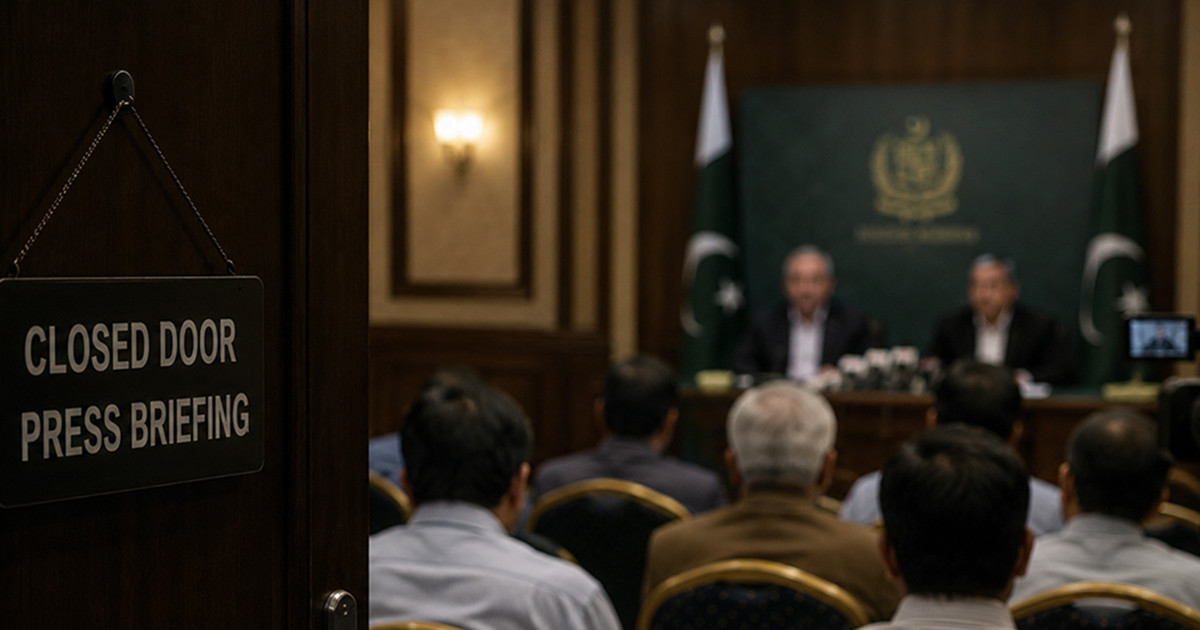
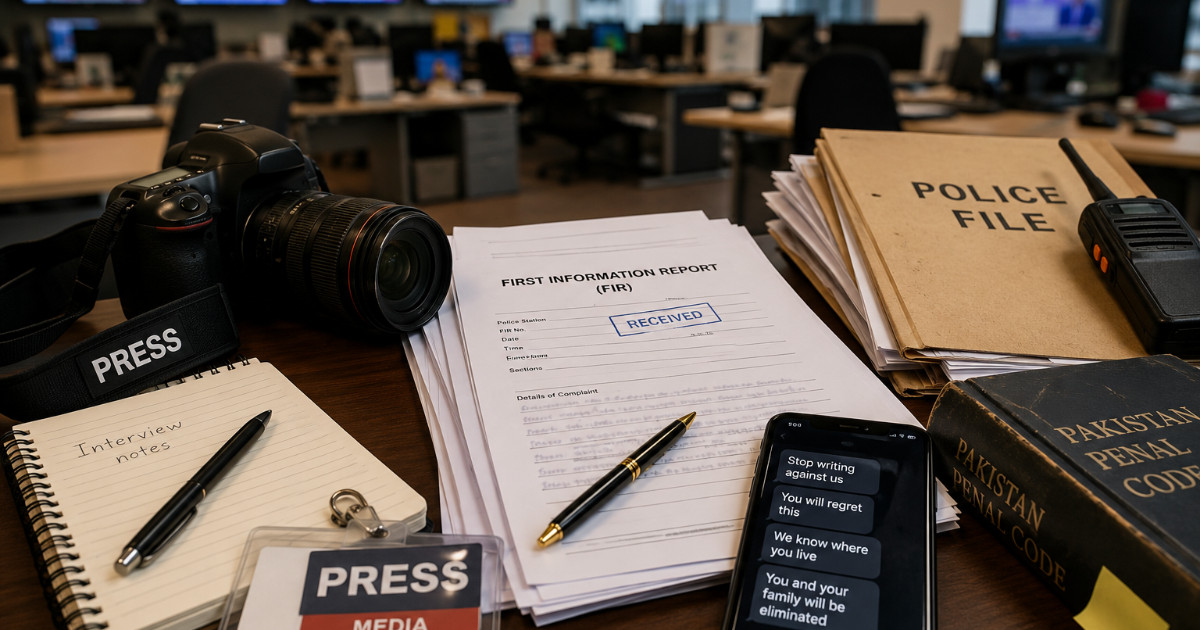
PHOTO: AI-generated; for illustrative purposes only
Key Points
- Newsrooms face repeated layoffs, salary delays and closures amid declining ad revenue.
- Economic strain reduces field reporting and investigative capacity, especially outside major cities.
- Legal and regulatory pressures are expanding oversight of reporting and digital platforms.
- Reporters cite rising safety risks and weak institutional protections for journalists.
- Concerns about editorial independence drive increased self-censorship among staff.
Relevant Topics
Ask AI: Understand this story your way
AI EnabledDig deeper, ask anything — get instant context, background, and clarity.
Disclaimer: This feature is powered by AI and is intended to help readers explore and understand news stories more easily. While we strive for accuracy, AI-generated responses may occasionally be incomplete or reflect limitations in the underlying model. This feature does not represent the editorial views of JournalismPakistan. For our full, verified reporting, please refer to the original article.