
What happens when a journalist is charged under PECA?
JournalismPakistan.com | Published: 8 July 2026 | JP Special Report
Join our WhatsApp channel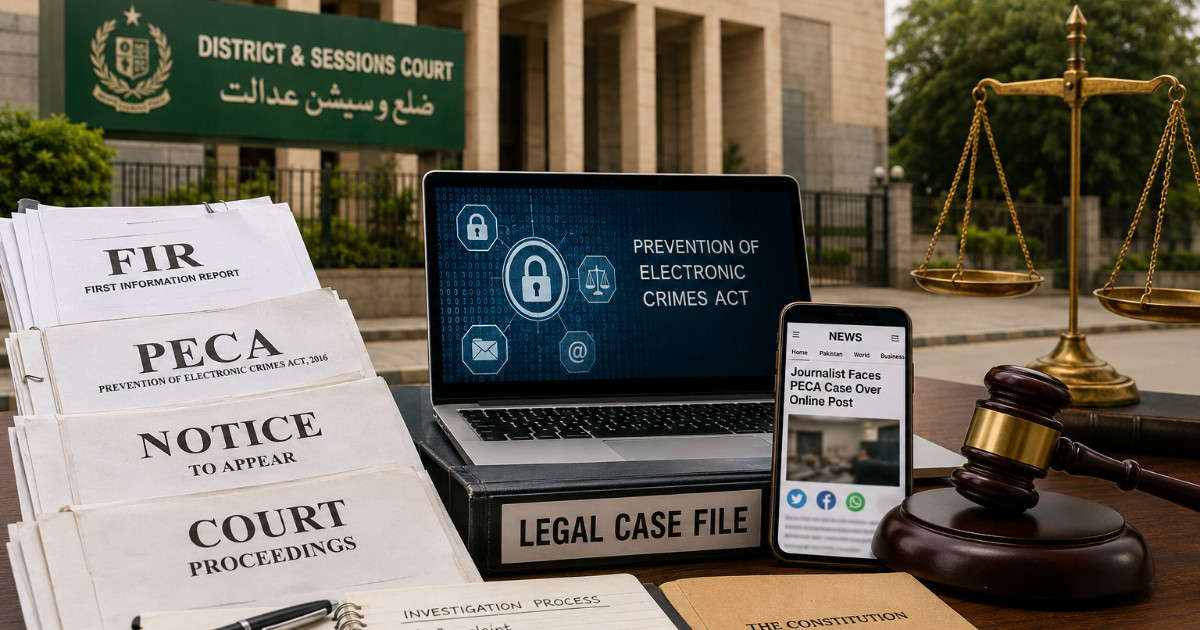
When a journalist is charged under the Prevention of Electronic Crimes Act, the case typically proceeds through cybercrime investigation, potential seizure of digital devices, FIR registration, arrest or remand and subsequent prosecution; these steps can impede reporting and spark legal challenges over free expression.Summary
ISLAMABAD — Pakistan's Prevention of Electronic Crimes Act (PECA) has become one of the country's most frequently discussed digital laws, particularly when journalists, content creators, and media organizations face investigations or criminal cases. Over the past few years, PECA has increasingly been invoked in cases involving online reporting, social media posts, digital publications, and alleged dissemination of false or defamatory information.
Understanding what happens after a journalist is charged under PECA is important because the legal process can affect reporting, freedom of expression, newsroom operations, and an individual's rights. While every case depends on its specific facts and the charges involved, the overall legal process generally follows a similar path.
What is PECA?
The Prevention of Electronic Crimes Act, 2016, is Pakistan's primary law governing cybercrime. It criminalizes a wide range of online activities, including unauthorized access to computer systems, identity theft, cyberstalking, online harassment, electronic fraud, hate speech, and certain forms of online publication.
Journalists are usually not charged merely for publishing news. However, PECA has been used in cases involving allegations such as spreading false information, online defamation, where applicable under relevant laws, unauthorized use of digital information, or content that authorities argue violates provisions of the Act or other applicable laws.
Investigations are typically conducted by the National Cyber Crime Investigation Agency (NCCIA), which assumed cybercrime investigation functions previously carried out by the Federal Investigation Agency's Cyber Crime Wing.
How does a PECA complaint begin?
A case may begin in several ways:
- A private individual files a complaint.
- A government department submits a complaint.
- A public official alleges that online content violates the law.
- Investigators receive information suggesting a possible cybercrime.
Not every complaint immediately becomes a criminal case. Authorities may first conduct a preliminary inquiry to determine whether sufficient grounds exist to register a formal case.
If investigators conclude that an offense may have occurred, they may register a First Information Report (FIR), which formally initiates criminal proceedings.
What happens after an FIR is registered?
Once an FIR is registered, investigators begin collecting evidence.
This may include:
- Social media posts.
- Website articles.
- Videos or livestreams.
- Digital devices.
- Mobile phone records where legally authorized.
- Computer data.
- Statements from witnesses.
Depending on the alleged offense and the circumstances of the case, investigators may issue notices requiring individuals to appear for questioning.
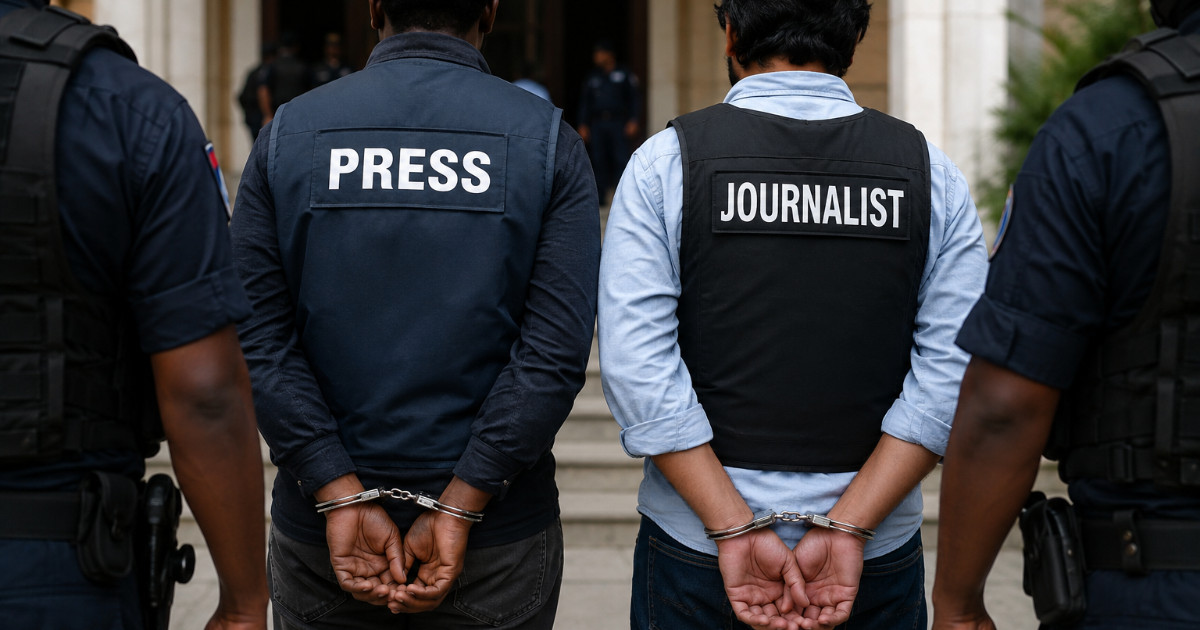
In some situations, authorities may arrest if permitted under the relevant legal provisions and criminal procedure. Whether an arrest is necessary depends on the specific offense, available evidence, court directions, and other legal considerations.
Can a journalist be arrested immediately?
Not necessarily.
Some PECA offenses are bailable, while others may be non-bailable depending on the particular section invoked and any accompanying charges under other laws, including the Pakistan Penal Code.
If a journalist is arrested, they must generally be produced before a magistrate within the period required by Pakistan's criminal procedure. The court then considers issues such as physical remand, judicial remand, or release on bail where legally available.
An arrest does not establish guilt. Like any criminal defendant, a journalist remains presumed innocent unless proven guilty in court.
What happens during the investigation?
Investigators attempt to establish whether evidence supports the allegations.
They may examine:
- Whether the journalist authored or shared the disputed content.
- When and where the content was published.
- Digital records linking accounts or devices.
- The authenticity of electronic evidence.
- Whether the alleged conduct falls within the legal requirements of the charged offense.
Electronic evidence is generally subject to rules governing admissibility and authenticity. Courts may examine whether digital evidence has been collected and preserved according to applicable legal standards.
What rights does a journalist have?
A journalist charged under PECA retains the same constitutional and legal rights available to other criminal defendants.
These generally include:
- The right to legal representation
- The right to know the allegations
- The right to apply for bail where available
- The right to challenge investigative actions through the courts
- The right to present evidence in defense
- The right to appeal convictions where applicable
Pakistan's Constitution also guarantees certain fundamental rights, including due process and fair trial protections, although courts determine how those rights apply in individual cases.
What happens if prosecutors file a case in court?
If investigators conclude that sufficient evidence exists, they may submit a report before the relevant court.
The prosecution must then prove every element of the alleged offense beyond a reasonable doubt.
During trial:
- Prosecutors present witnesses and evidence.
- Defense lawyers cross-examine witnesses.
- The accused may present a defense.
- The court evaluates the evidence before reaching a verdict.
If the prosecution fails to meet the required legal standard, the accused may be acquitted.
Why is PECA controversial among journalists?
Media organizations, journalist unions, digital rights groups, and international press freedom organizations have repeatedly expressed concern about the use of PECA against journalists.
Critics argue that broadly worded provisions or their application in certain cases may discourage investigative reporting or create uncertainty for journalists covering politically sensitive issues. Organizations, including the Committee to Protect Journalists, Reporters Without Borders, and Amnesty International, have called for reforms to ensure that cybercrime laws do not unnecessarily restrict freedom of expression.
Government officials have generally maintained that PECA is intended to combat cybercrime, online fraud, misinformation, harassment, and other unlawful online activities while operating within Pakistan's legal framework. They have stated that legitimate journalism is not the target of the law.
These differing perspectives continue to shape legal and public debate over PECA's implementation.
What should journalists do if they receive a PECA notice?
Legal experts generally advise journalists to:
- Read the notice carefully.
- Preserve relevant records and communications.
- Avoid deleting potentially relevant digital material unless advised by legal counsel.
- Seek advice from a lawyer experienced in cybercrime law.
- Cooperate with lawful investigative requirements while protecting their legal rights.
- Inform their employer or newsroom if the matter relates to professional reporting.
The appropriate response may differ depending on the facts of each case.
Could the law change in the future?
Pakistan's cybercrime framework continues to evolve through legislative amendments, court decisions, and administrative changes.
Courts may interpret provisions differently over time, Parliament may amend the law, and future judicial rulings could clarify how specific sections apply to journalism and online publishing. Journalists should therefore follow current legal developments rather than relying on outdated guidance.
Why this matters
Journalists increasingly publish across websites, social media platforms, newsletters, and video channels, making digital laws part of everyday reporting. Understanding how PECA investigations work can help newsrooms prepare appropriate legal responses, protect reporting processes, and make informed editorial decisions while navigating Pakistan's evolving digital legal landscape.
ATTRIBUTION: Reporting by JournalismPakistan, based on publicly available laws, official documents, court records, regulatory notices, academic research, and reporting from credible news organizations where applicable.
PHOTO: AI-generated; for illustrative purposes
Key Points
- PECA criminalizes various online activities and can be invoked in cases involving journalists.
- Investigations are usually led by cybercrime units such as the NCCIA.
- Authorities may seize digital devices and obtain electronic evidence for prosecution.
- Cases can lead to FIR registration, arrest, remand and formal court proceedings.
- Legal processes under PECA can constrain reporting and raise questions about press freedom.
Key Questions & Answers
What happens first when a journalist is charged under PECA?
An initial complaint or tip leads to a cybercrime probe, which may include online account checks and preservation of digital evidence before formal FIR registration.
Who investigates PECA cases involving journalists?
Investigations are typically handled by specialised cybercrime units, such as the National Cyber Crime Investigation Agency (NCCIA) or relevant law enforcement wings.
Can authorities seize a journalist's devices?
Yes. Investigators can seek warrants to seize phones, computers and storage devices to examine digital evidence subject to legal procedures.
How can a journalist defend against PECA charges?
Defence can include engaging a lawyer experienced in cyber and media law, challenging evidence seizure, seeking dismissal of baseless charges, and invoking constitutional free-expression protections where applicable.
Relevant Topics
Ask AI: Understand this story your way
AI EnabledDig deeper, ask anything — get instant context, background, and clarity.
Disclaimer: This feature is powered by AI and is intended to help readers explore and understand news stories more easily. While we strive for accuracy, AI-generated responses may occasionally be incomplete or reflect limitations in the underlying model. This feature does not represent the editorial views of JournalismPakistan. For our full, verified reporting, please refer to the original article.