
Supreme Court reporters protest removal of media workspace
JournalismPakistan.com | Published: 7 July 2026 | JP Staff Report
Join our WhatsApp channel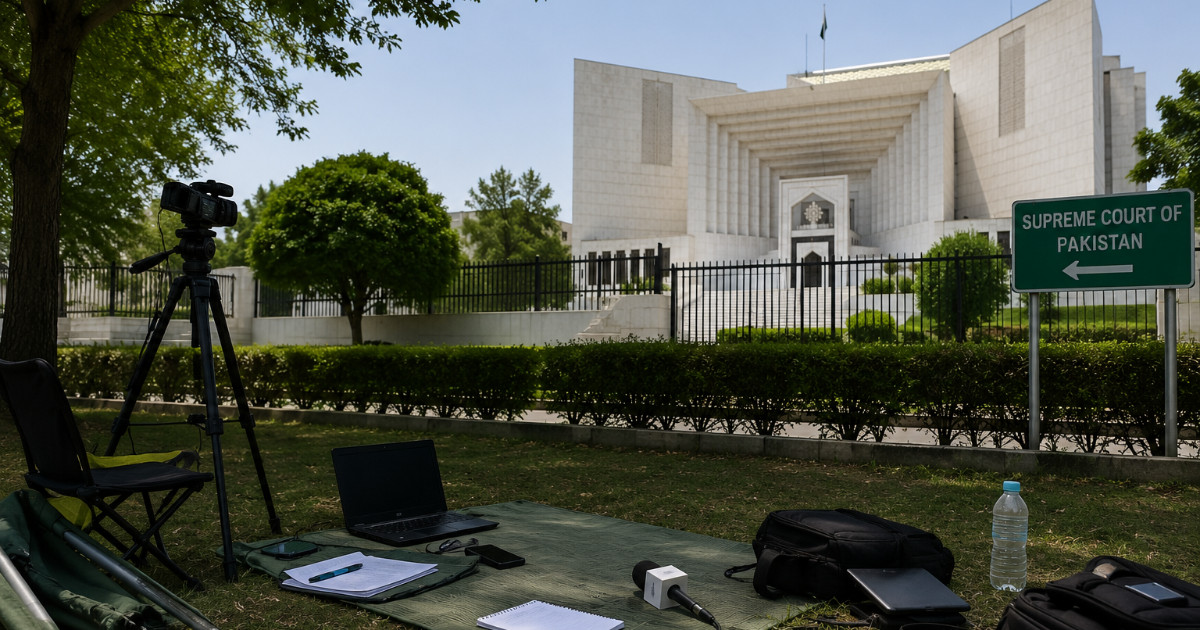
Press Association says the registrar's office dismantled a temporary press room and removed chairs and sofas at the media point, forcing reporters to sit on the ground; it called the move a blow to press access and urged the chief justice to act.Summary
ISLAMABAD — The Press Association of the Supreme Court has accused the Supreme Court administration of further restricting journalists' ability to work at Pakistan's apex court after members said a temporary media workspace they tried to establish was dismantled on the orders of the registrar's office.
In a letter addressed to Chief Justice Yahya Afridi on Tuesday, the association said journalists were prevented from creating even a basic working area at the designated media briefing point after the long-standing Supreme Court press room was vacated and dismantled last month. The group described the latest development as a serious setback for press access and the dignity of journalists working on the judicial beat.
Journalists describe worsening working conditions
According to the letter, signed by association president Imran Waseem and secretary Amanat Gishkori, members placed a few chairs and sofas at the designated media talk point in an effort to create a dignified working space. The association alleged that, on the instructions of the registrar's office, the furniture was confiscated and journalists were left sitting on the ground while carrying out their professional duties.
The association called the action "an affront to the dignity of the journalistic community" and "a severe blow to the freedom of the press in Pakistan." It urged the chief justice to intervene, arguing that access for court reporters should reflect democratic principles of transparency and institutional openness rather than increasing restrictions.
Concerns over access and transparency
The letter also expressed concern over broader limits on journalists' access to the Supreme Court premises. It said the press room, which had served court reporters for the past 24 years, was withdrawn on June 15, leaving journalists without a dedicated workspace inside the court complex.
Since then, members of the association said they have been working from the greenbelt outside the Supreme Court, where they contend extreme summer temperatures have made reporting conditions increasingly difficult. The association said journalists have been forced to perform their duties in the open despite temperatures exceeding 40 degrees Celsius in Islamabad, describing the conditions as both grueling and inhumane.
Association seeks restoration of facilities
The association argued that courts in democratic societies generally recognize the media as an essential link between the judiciary and the public, enabling accurate reporting of judicial proceedings and strengthening public confidence in the justice system.
The letter urges the chief justice to restore an appropriate working environment for accredited court reporters and to address what it characterizes as growing restrictions on media access within the Supreme Court. No response from the Supreme Court or the registrar's office was included in the material available at the time of publication.
WHY THIS MATTERS: The dispute highlights the importance of practical access to courts for journalists covering the judiciary. Dedicated workspaces and reasonable access arrangements are widely regarded as essential for accurate, timely, and accountable reporting of judicial proceedings, making the issue significant for media organizations, court reporters, and advocates of institutional transparency.
ATTRIBUTION: Reporting by JournalismPakistan, based on the Press Association of the Supreme Court's letter to the Chief Justice dated July 7, 2026.
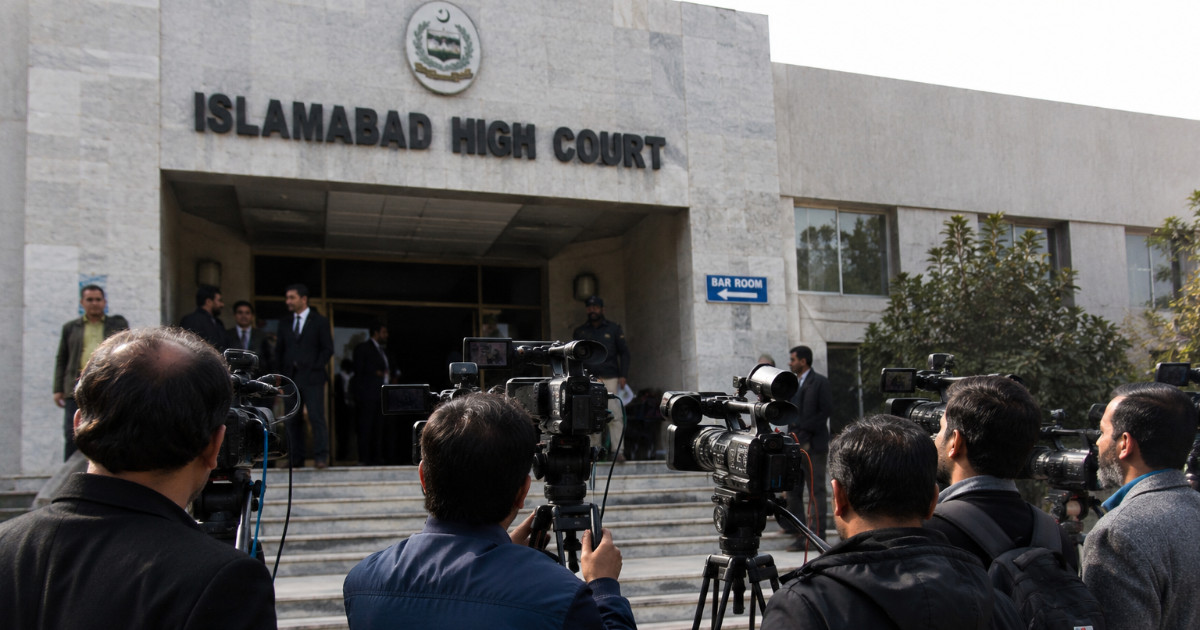
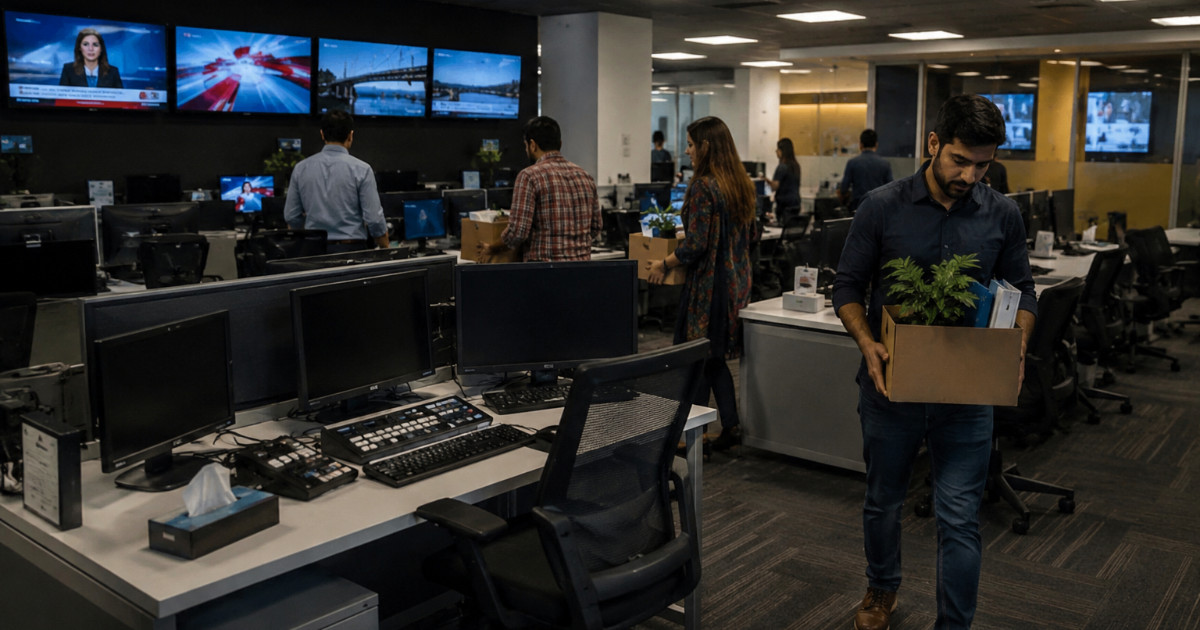
PHOTO: AI-generated; for illustrative purposes.
Key Points
- The Press Association of the Supreme Court alleges the registrar's office ordered removal of a temporary media workspace.
- Journalists say chairs and sofas placed at the designated briefing point were confiscated on registrar instructions.
- Reporters were left with no basic facilities and forced to carry out duties while seated on the ground.
- The association described the action as an affront to journalists' dignity and a blow to press access.
- They have urged the chief justice to intervene to restore dignified working conditions for court reporters.
Key Questions & Answers
What did the Press Association complain about?
They said the registrar's office dismantled a temporary media workspace, confiscated furniture and hindered reporters' ability to work at the Supreme Court.
Where were the chairs and sofas placed?
Journalists had placed a few chairs and sofas at the designated media briefing point after the long-standing press room was vacated.
How did the association describe the action?
They called it an affront to the dignity of journalists and a severe blow to press access and freedom at the court.
What did the association request?
They urged the chief justice to intervene and ensure court reporters have appropriate access and working facilities.
Ask AI: Understand this story your way
AI EnabledDig deeper, ask anything — get instant context, background, and clarity.
Disclaimer: This feature is powered by AI and is intended to help readers explore and understand news stories more easily. While we strive for accuracy, AI-generated responses may occasionally be incomplete or reflect limitations in the underlying model. This feature does not represent the editorial views of JournalismPakistan. For our full, verified reporting, please refer to the original article.