.png)
South Korea's fake news law raises media freedom concerns
JournalismPakistan.com | Published: 7 July 2026 | JP Asia Desk
Join our WhatsApp channel
South Korea's law allows punitive damages against outlets and influencers judged to have spread false or manipulated content and requires platforms to accelerate takedowns. Critics warn it may chill reporting and prompt over-removal; supporters cite need to curb coordinated disinformation.Summary
SEOUL — South Korea's new law targeting the spread of false information came into force on Monday, introducing punitive damages for news organizations and social media influencers found by courts to have knowingly disseminated false or manipulated information. The legislation also requires major online platforms to implement faster procedures for removing disputed content after complaints.
The measure marks one of the most significant changes to South Korea's media regulatory framework in recent years. It is expected to be closely watched across Asia as governments grapple with how to tackle online disinformation while protecting freedom of expression. Officials have defended the law as a necessary response to the rapid spread of fabricated content and manipulated media online.
Concerns over media freedom
Journalist associations, civil liberties organizations, and international media observers have expressed concern that the legislation's broad language could create uncertainty for newsrooms and digital publishers. Critics argue that the threat of punitive damages may encourage media organizations to avoid reporting on contentious issues and could prompt online platforms to remove content more aggressively than necessary to minimize legal risk.
Supporters of the legislation contend that stronger legal tools are needed to address the growing influence of coordinated disinformation campaigns and manipulated digital content, particularly as artificial intelligence makes fabricated images, audio, and video increasingly difficult to detect. They argue that existing remedies have struggled to keep pace with the speed at which false information spreads online.
Regional implications
The law is likely to become a reference point for policymakers throughout Asia, where several governments are reviewing or introducing measures aimed at curbing online misinformation. Media organizations across the region are expected to monitor how South Korean courts interpret key provisions, including what constitutes knowingly spreading false information and how punitive damages are applied in practice.
For international technology companies operating in South Korea, the new rules also introduce additional compliance obligations. Large digital platforms will need to respond more rapidly to complaints regarding disputed content, potentially influencing moderation practices and raising broader questions about balancing legal compliance with the protection of legitimate journalism and public debate.
Why the implementation will be closely watched
Legal experts say the practical impact of the law will depend largely on judicial interpretation and enforcement. The first court cases brought under the legislation are expected to shape how news organizations, independent publishers, and digital creators assess legal risk when reporting on controversial or developing stories.
WHY THIS MATTERS: The South Korean law illustrates the increasingly difficult balance between combating online disinformation and protecting independent journalism. Newsrooms across Asia may need to reassess legal review processes, verification standards, and risk management as governments introduce stronger regulatory measures affecting digital publishing and platform governance.
ATTRIBUTION: Reporting by JournalismPakistan, based on a publicly available report by AP News (July 7, 2026).
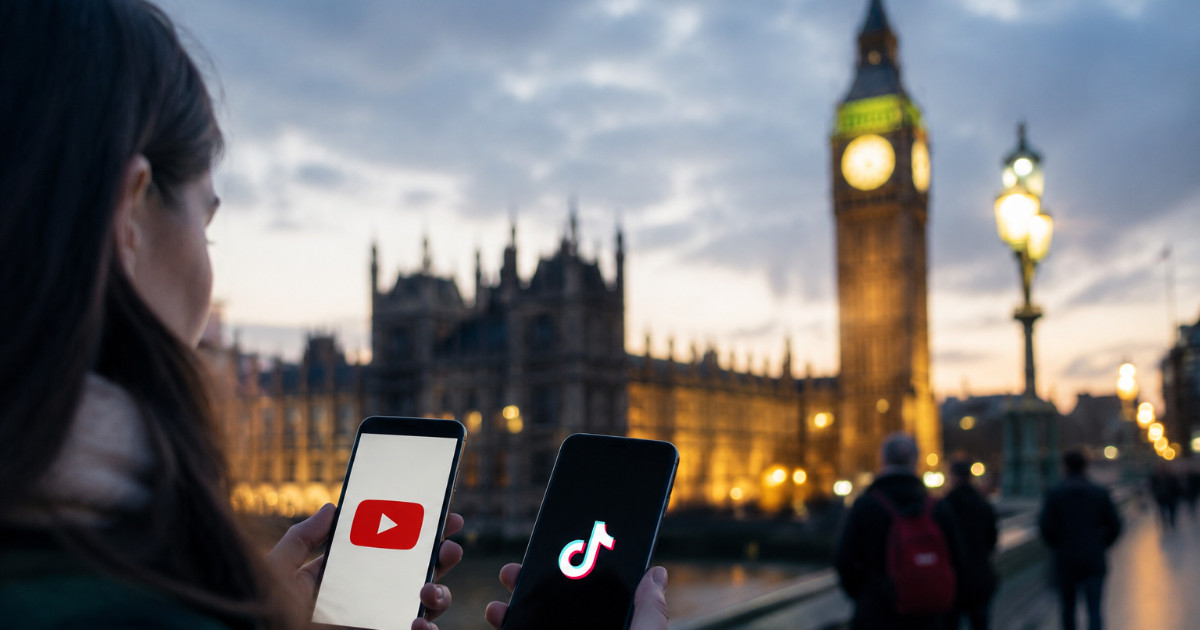
PHOTO: AI-generated; for illustrative purposes only.
Key Points
- The law introduces punitive damages for outlets and influencers proven to have knowingly spread false or manipulated information.
- Major online platforms must implement faster procedures to remove disputed content after complaints.
- Journalist groups and civil liberties organizations warn the law's broad wording could chill reporting.
- Supporters argue stronger legal tools are needed to combat coordinated and AI-aided disinformation campaigns.
- Observers expect the measure to be watched across Asia as governments balance disinformation control with free expression.
Key Questions & Answers
What does the new law do?
It allows courts to impose punitive damages on news organizations and social media influencers found to have knowingly spread false or manipulated information and requires faster platform takedown procedures.
Who is most likely to be affected?
Newsrooms, digital publishers, social media influencers, and major online platforms could face legal and operational impacts from the law's provisions.
Why do critics oppose the law?
Critics say the law's broad language may create legal uncertainty, chill reporting on contentious issues, and push platforms to over-remove content to avoid risk.
What do supporters say about the law?
Supporters argue clearer and stronger legal tools are necessary to address growing coordinated disinformation and manipulated media, especially as AI makes fabrication harder to detect.
Relevant Topics
Ask AI: Understand this story your way
AI EnabledDig deeper, ask anything — get instant context, background, and clarity.
Disclaimer: This feature is powered by AI and is intended to help readers explore and understand news stories more easily. While we strive for accuracy, AI-generated responses may occasionally be incomplete or reflect limitations in the underlying model. This feature does not represent the editorial views of JournalismPakistan. For our full, verified reporting, please refer to the original article.