
UN warns PECA convictions may curb free speech
JournalismPakistan.com | Published: 30 January 2026 | JP Staff Report
Join our WhatsApp channel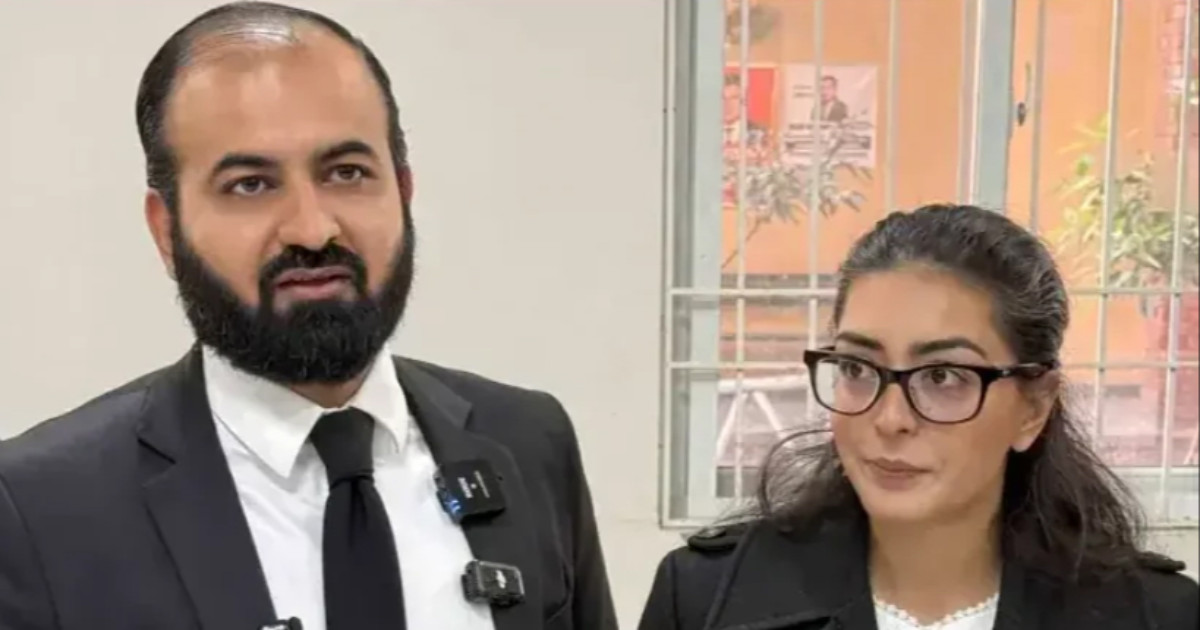
UN Human Rights criticized convictions of Imaan Zainab Mazari-Hazir and Hadi Ali Chatha under Pakistan's Prevention of Electronic Crimes Act, raising fair trial concerns. The UN warned that PECA risks being used to suppress dissent and limit freedom of expression.Summary
GENEVA — The United Nations Human Rights Office has criticized the conviction and sentencing of lawyers Imaan Zainab Mazari-Hazir and Hadi Ali Chatha under Pakistan’s Prevention of Electronic Crimes Act, citing concerns about the fairness of the trial and warning that the law may be used to suppress dissent.
In a statement posted on X by the official UN Human Rights account, the UN described the case as “deeply disturbing” and said it underscored broader risks associated with the application of PECA to expression and assembly-related activity.
Fair trial concerns raised by the UN
The UN Human Rights office said the convictions followed proceedings that raised fair trial concerns, without detailing specific procedural issues. It urged Pakistani authorities to ensure that legal processes comply with international standards, particularly in cases involving speech, protest, or political expression.
The statement also called on the government to protect and uphold freedom of expression and the right to peaceful assembly, noting that these rights are protected under Pakistan’s international human rights obligations. The UN did not reference any response from Pakistani authorities at the time of posting.
Concerns over PECA’s use against dissent
Human rights groups and press freedom advocates have long raised concerns about the scope of PECA and its potential impact on journalists, activists, and political critics. The UN’s intervention places the Mazari-Hazir and Chatha case within this wider debate about how cybercrime and speech-related laws are enforced in Pakistan.
The UN’s comments add international scrutiny to the use of digital and speech laws, particularly when prosecutions intersect with political activity or public criticism of state institutions. Such scrutiny often shapes how these cases are viewed by global rights bodies and foreign governments.
WHY THIS MATTERS: For Pakistani journalists and media organizations, the UN’s statement highlights ongoing international concern over how PECA can affect reporting, commentary, and online expression. It reinforces the need for newsrooms to closely track legal risks linked to digital publishing and protest coverage, as well as the importance of understanding international human rights standards when reporting on speech-related prosecutions.
ATTRIBUTION: Based on a public statement posted by UN Human Rights on X.
#Pakistan: The conviction & sentencing of Imaan Zainab Mazari-Hazir & Hadi Ali Chatha under the Prevention of Electronic Crimes Act (PECA), following fair trial concerns, is deeply disturbing. This case highlights the danger of this law being used to suppress dissent. We urge… pic.twitter.com/pl4nUnw5J9
— UN Human Rights (@UNHumanRights) January 29, 2026
Key Points
- UN Human Rights criticized the conviction and sentencing of two lawyers under PECA.
- The office said the proceedings raised concerns about a fair trial.
- The UN warned PECA could be used to suppress dissent and restrict expression and peaceful assembly.
- Human rights and press freedom groups have long expressed concern about the scope of PECA.
- The UN urged Pakistani authorities to uphold international standards on free speech and fair trials.
Relevant Topics
Ask AI: Understand this story your way
AI EnabledDig deeper, ask anything — get instant context, background, and clarity.
Disclaimer: This feature is powered by AI and is intended to help readers explore and understand news stories more easily. While we strive for accuracy, AI-generated responses may occasionally be incomplete or reflect limitations in the underlying model. This feature does not represent the editorial views of JournalismPakistan. For our full, verified reporting, please refer to the original article.