
TV news priorities questioned after Islamabad blast
JournalismPakistan.com | Published: 6 February 2026 | JP Staff Report
Join our WhatsApp channel
Dozens were killed and more than 100 injured in a suicide bombing at a mosque in Islamabad. Critics questioned why many television channels continued Basant festival programming for hours before shifting to live coverage of the attack and emergency response.Summary
ISLAMABAD — A suicide bombing during Friday prayers in the federal capital left dozens dead and more than 100 injured, according to local officials, marking one of the deadliest attacks in Islamabad in recent years. The blast targeted a mosque in a residential area, triggering an emergency response as ambulances transported victims to nearby hospitals and security forces cordoned off the site.
Authorities said an investigation was underway to determine responsibility and assess any security lapses. Political leaders condemned the attack, and security was heightened in sensitive areas of the capital as the country absorbed the shock of another major act of violence.
Broadcast priorities under scrutiny
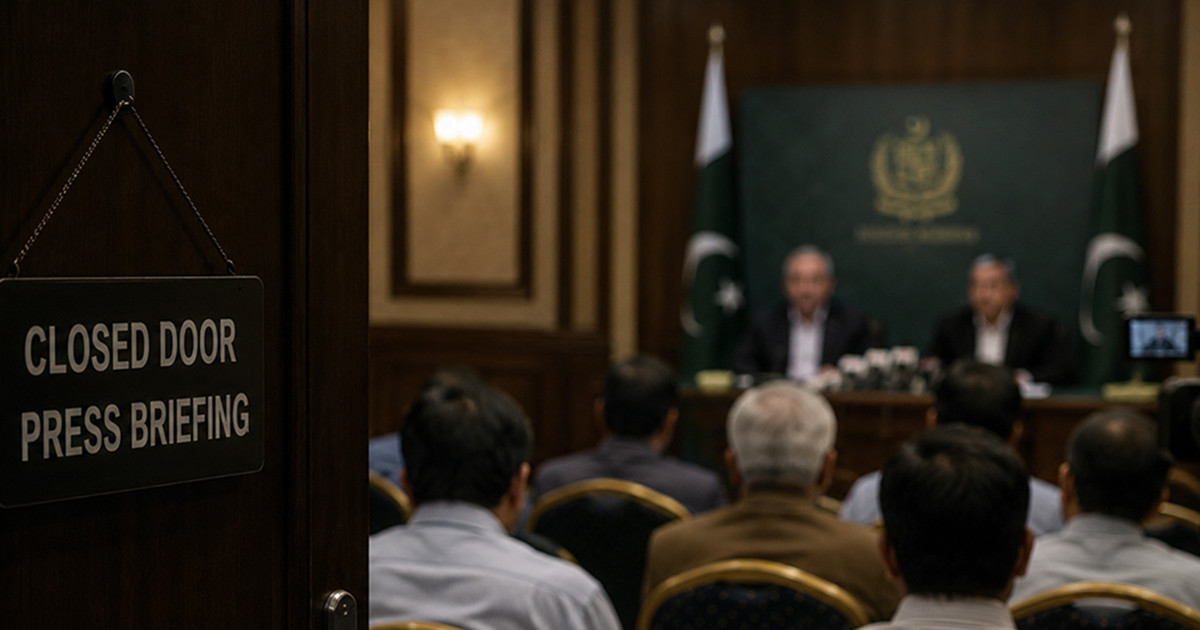
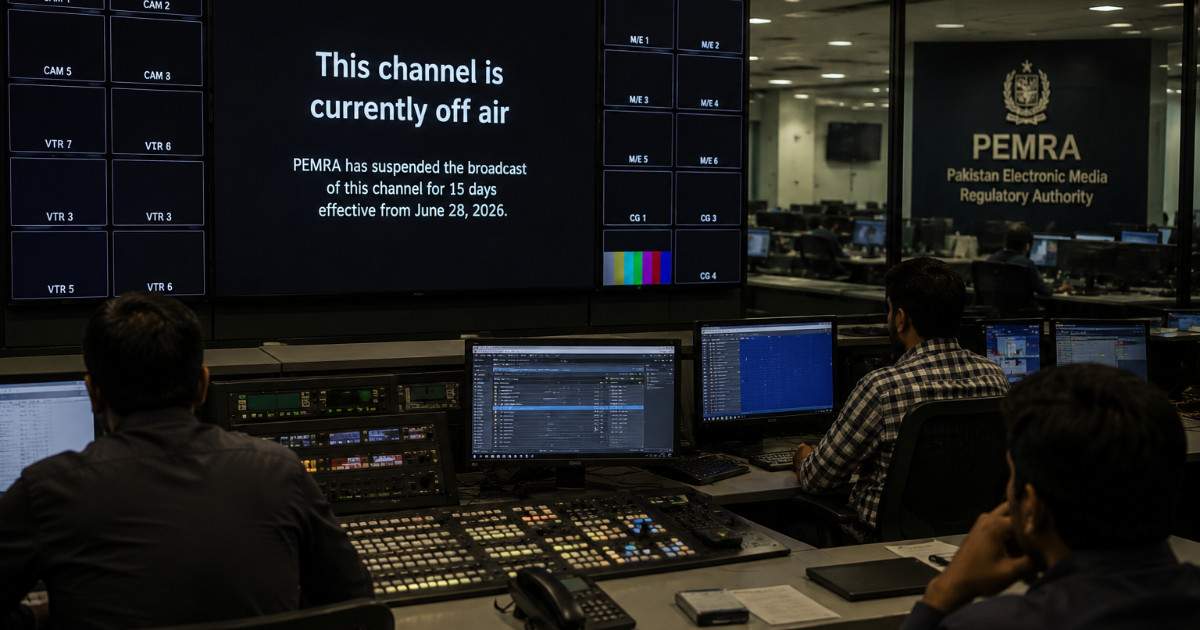
In the immediate aftermath, most Pakistani television channels continued airing Basant kite-flying festival programming and related entertainment packages. For the first several hours, coverage of the Islamabad attack was largely confined to scrolling tickers at the bottom of screens, while studio discussions and field reports focused on festival activities in Lahore.
Media critics argued that extended entertainment coverage during a national emergency reflected commercial considerations, including advertising revenue tied to festival programming. As the day progressed, however, channels shifted their focus and began telecasting footage from the Imambargah and surrounding areas, airing updates from reporters on the ground and statements from officials.
The sequence of coverage prompted debate within journalism circles about how quickly broadcast outlets should pivot from scheduled programming to breaking national security news. Editors in television newsrooms often cite verification processes and the need to confirm casualty figures before switching to rolling coverage, but critics contend that the scale of the attack warranted more immediate prominence.
Should terror attacks receive limited coverage?
The episode also revived a broader ethical debate about whether extensive media coverage of terrorist incidents inadvertently advances the objectives of violent groups. A social media post argued that terror attacks should receive no media coverage at all, claiming that publicity spreads panic and amplifies the impact sought by perpetrators.
The argument reflects a longstanding discussion in media studies sometimes described as the “oxygen of publicity” theory, which suggests that extremist actors seek attention to magnify fear beyond the immediate victims. At the same time, journalism ethics frameworks generally emphasize the public’s right to accurate, timely information about threats to safety and state response, while cautioning against sensationalism, graphic imagery, or the uncritical repetition of extremist narratives.
Digital platforms fill early information gaps
For many residents, the first information about the attack came through social media, where eyewitness accounts, images, and unofficial casualty updates circulated rapidly. Hashtags related to the blast trended nationally, and users shared appeals for blood donations and safety updates attributed to local authorities.
The disparity between real-time digital updates and the more measured pace of broadcast reporting highlighted the growing structural tension between online information flows and traditional television gatekeeping. As audiences increasingly expect immediate coverage, broadcast newsrooms face mounting pressure to respond swiftly without compromising verification standards.
WHY THIS MATTERS: The controversy illustrates the complex balance Pakistani media organizations must strike between commercial programming, responsible crisis reporting, and ethical considerations about amplifying extremist violence. Newsrooms may need clearer internal protocols to ensure that major public safety incidents receive timely and proportionate coverage while maintaining accuracy and avoiding sensationalism. The way broadcast outlets navigate such moments has direct implications for public trust and the credibility of mainstream journalism.
ATTRIBUTION: Information about the bombing and casualty figures was reported by local authorities and covered by international news agencies, including Reuters and the Associated Press. Public reaction and commentary referenced in this story are drawn from widely circulated social media posts and televised programming observed on the day of the incident.
Key Points
- Suicide bombing at an Islamabad mosque killed dozens and injured over 100.
- Ambulances and security forces responded; an investigation is underway.
- Many TV channels continued Basant festival programming for hours after the attack.
- Media critics linked extended entertainment coverage to commercial interests and advertising.
- Channels later shifted to on-site reporting, prompting debate on broadcast priorities during emergencies.
Relevant Topics
Ask AI: Understand this story your way
AI EnabledDig deeper, ask anything — get instant context, background, and clarity.
Disclaimer: This feature is powered by AI and is intended to help readers explore and understand news stories more easily. While we strive for accuracy, AI-generated responses may occasionally be incomplete or reflect limitations in the underlying model. This feature does not represent the editorial views of JournalismPakistan. For our full, verified reporting, please refer to the original article.