.png)
The rise and fall of Pakistan's TV anchors: 5 factors you need to know
JournalismPakistan.com | Published: 4 April 2026 | JP Staff Report
Join our WhatsApp channel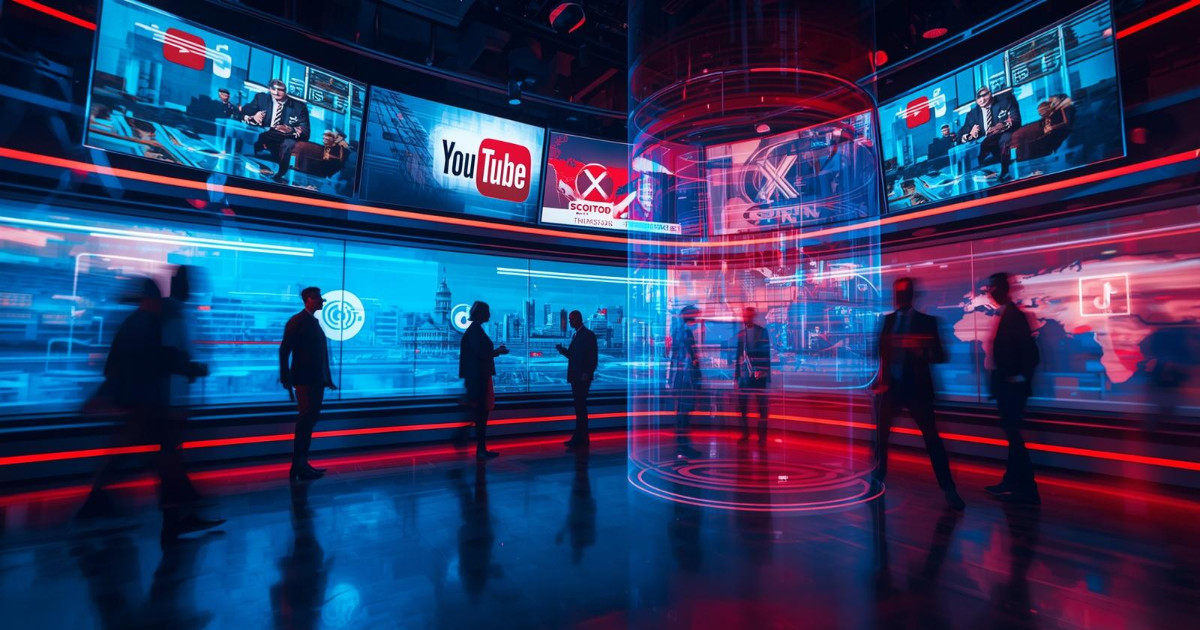
Pakistani TV anchors are losing traditional sway as audiences shift to YouTube, X, and other social platforms, compelling many presenters to adapt or fade. Career fortunes now depend on channel backing, digital strategy, and regulatory or editorial shifts.Summary
ISLAMABAD — Pakistani television anchors have long held outsized influence in shaping public discourse, commanding prime-time audiences and driving national conversations. But in recent years, the trajectory of many high-profile anchors has become less predictable. Their rise, and, in some cases, sudden disappearance from screens, reflects deeper shifts within the country’s media ecosystem rather than purely individual success or failure.
Shifting audience habits
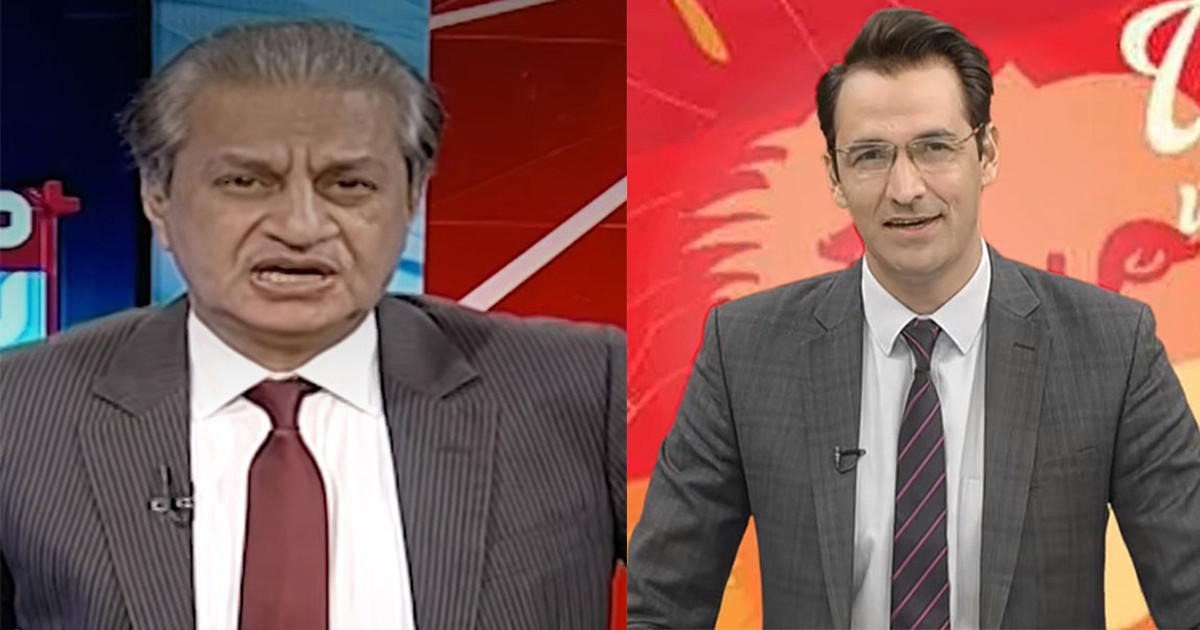
One of the most significant changes has been the steady migration of audiences from traditional television to digital platforms. Viewers, particularly younger demographics, increasingly consume news through YouTube, X, and other social media channels. This shift has diluted the once-dominant position of prime-time TV anchors, who previously enjoyed a near-monopoly over nightly political discourse. Even established figures like Hamid Mir have had to adapt to changing consumption patterns, while others have struggled to maintain relevance outside television.
Dependence on channel power
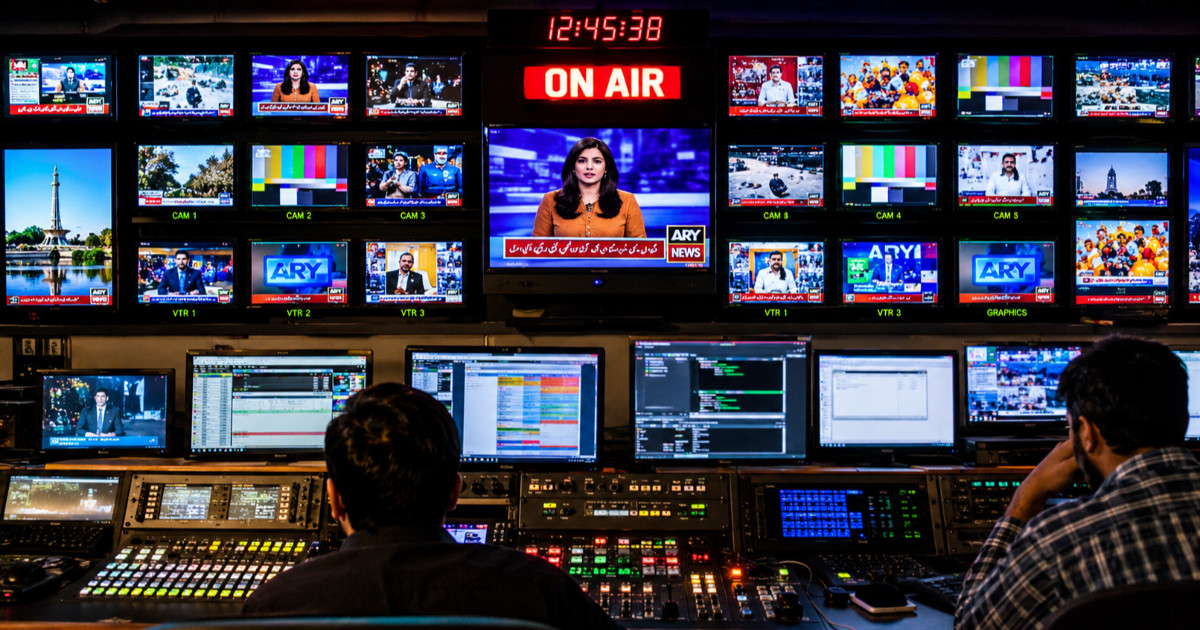
In Pakistan’s broadcast landscape, an anchor’s prominence is often closely tied to the strength and reach of the channel they are associated with. High ratings, strong distribution, and editorial backing can elevate an anchor to national prominence. Conversely, losing a prime-time slot or shifting between networks can quickly impact visibility. The career movements of anchors such as Kamran Khan illustrate how closely individual success can be linked to institutional support and platform stability.
Regulatory and editorial pressures
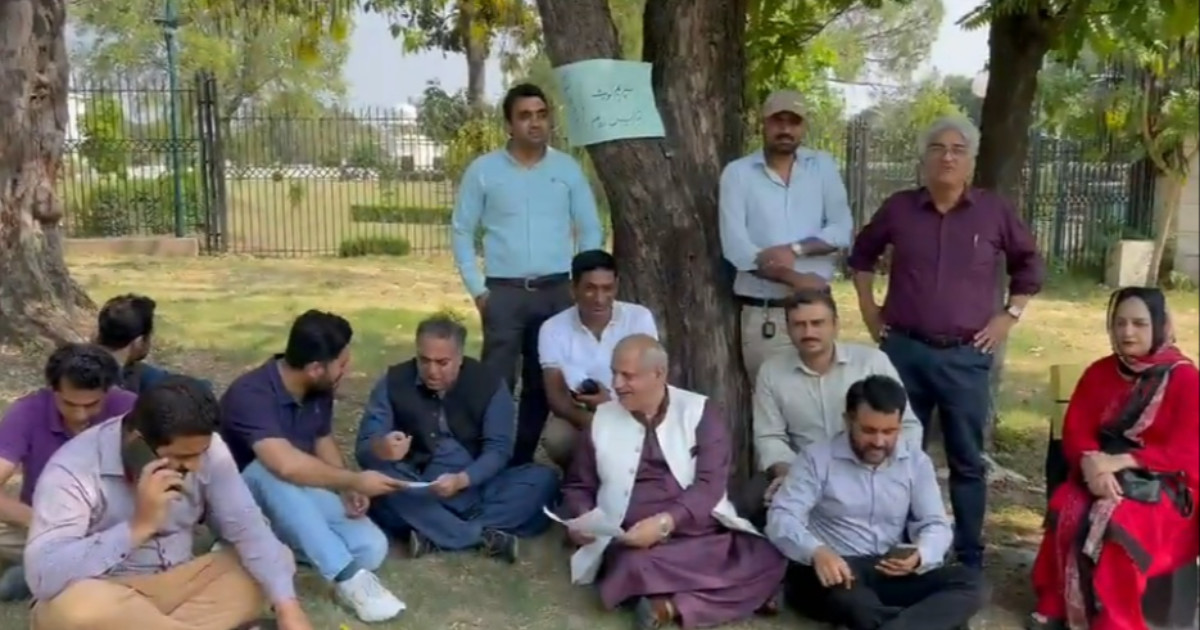
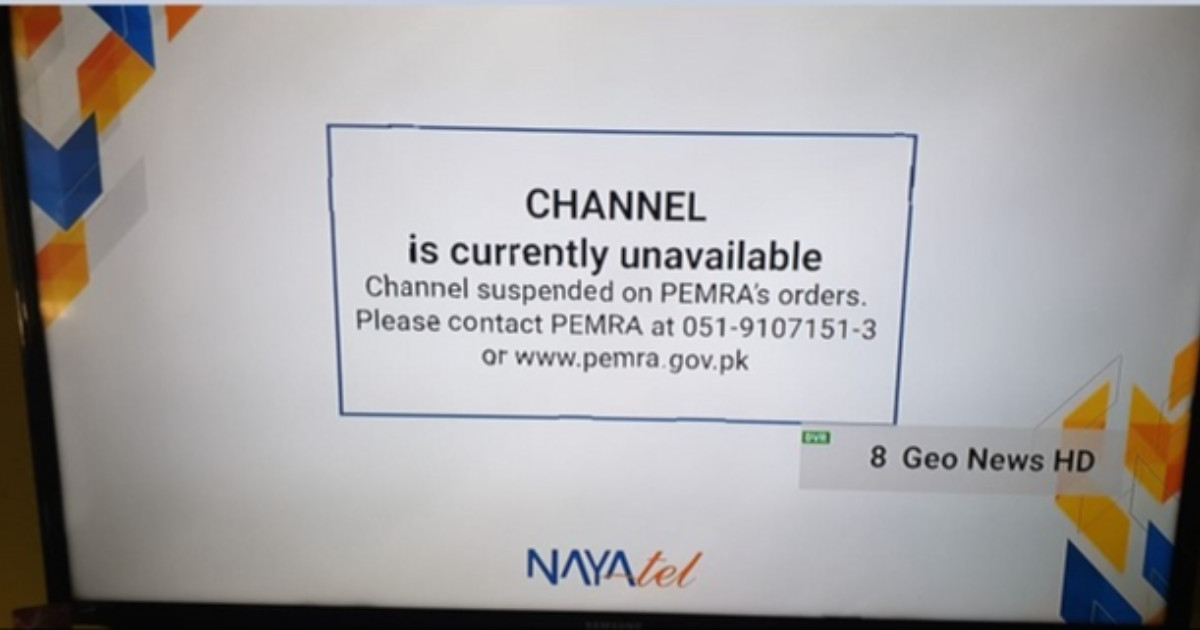
The media environment in Pakistan is also shaped by regulatory frameworks, editorial constraints, and political pressures that can affect who appears on air and how frequently. Several anchors have been removed from broadcast schedules or faced interruptions because authorities objected to their commentary. In some cases, prominent journalists have been forced into temporary or long-term exile, highlighting the risks faced by those covering sensitive political topics. These pressures, while not always publicly detailed, play a significant role in determining which voices remain consistently visible and which fade from mainstream screens.
Credibility and public trust
Audience trust has emerged as another decisive factor. With increasing access to diverse viewpoints online, viewers are more critical of perceived bias or partisanship. Anchors who maintain a reputation for credibility and balanced reporting tend to sustain their influence longer, while those seen as aligned too closely with specific narratives risk losing public confidence. The scrutiny is constant, and reputational shifts can happen quickly in the digital age.
Digital reinvention, or failure to adapt
Perhaps the clearest dividing line today is the ability to transition beyond television. Some anchors have successfully built independent digital audiences, leveraging YouTube and social media to remain influential even outside traditional broadcast structures. Others, including figures like Moeed Pirzada, have demonstrated how digital platforms can offer alternative avenues for engagement. However, not all have made this transition effectively, leading to a noticeable decline in visibility for those who remain tied solely to legacy formats.
The evolving fortunes of Pakistani TV anchors ultimately underscore a broader transformation within the media industry. Success is no longer defined solely by prime-time ratings but by adaptability, credibility, and the ability to navigate an increasingly fragmented, fast-changing, and politically sensitive information landscape.
WHY THIS MATTERS: The career trajectories of Pakistani TV anchors reveal critical lessons about the country’s media landscape, including how political pressures, regulatory frameworks, and audience shifts shape visibility and influence. Journalists and media organizations can learn the importance of adaptability, credibility, and digital engagement to sustain relevance. The story also highlights the professional risks associated with editorial independence and sensitive reporting in Pakistan.
ATTRIBUTION: Reporting by JournalismPakistan, drawing on publicly available information and industry trends.
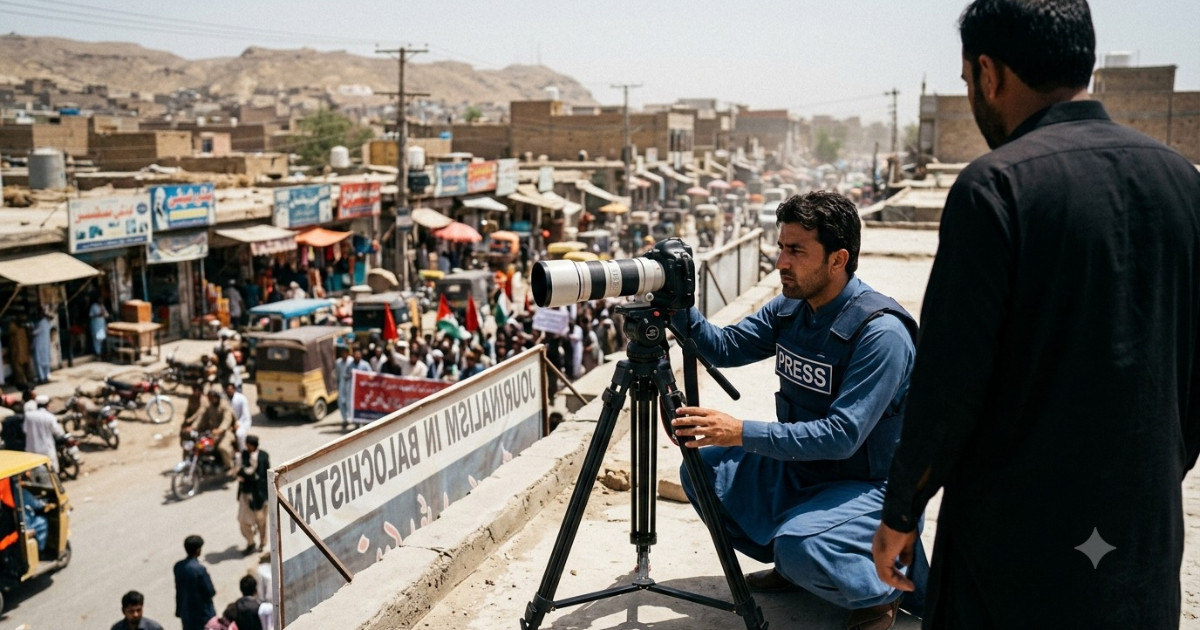
PHOTO: AI-generated; for illustrative purposes
Key Points
- Audiences are migrating from TV to YouTube, X and social platforms, reducing prime-time viewership.
- An anchor's prominence often depends on the channel's reach, ratings and editorial support.
- Regulatory and editorial pressures can curtail visibility and shape program content.
- Successful anchors increasingly need digital strategies to retain or grow audiences outside TV.
- Shifts in slots, network moves or loss of platform backing can rapidly diminish an anchor's influence.
Key Questions & Answers
Why are TV anchors losing influence?
Audience migration to digital platforms and changing consumption habits have reduced traditional TV viewership; anchors must adapt beyond prime-time broadcasting.
How important are channels to an anchor's career?
Very important; channel reach, editorial backing and prime-time slots largely determine an anchor's national visibility and ratings.
Can anchors succeed on digital platforms?
Yes; many established presenters adapt by using YouTube and social media to reach younger audiences and diversify reach.
What role do regulations play?
Regulatory and editorial decisions can limit content and airtime, affecting anchors' careers; compliance and oversight shape the broadcast environment.
Ask AI: Understand this story your way
AI EnabledDig deeper, ask anything — get instant context, background, and clarity.
Disclaimer: This feature is powered by AI and is intended to help readers explore and understand news stories more easily. While we strive for accuracy, AI-generated responses may occasionally be incomplete or reflect limitations in the underlying model. This feature does not represent the editorial views of JournalismPakistan. For our full, verified reporting, please refer to the original article.