
The JournalismPakistan Global Media Brief | Edition 28 | July 10, 2026
JournalismPakistan.com | Published: 10 July 2026 | JP News Desk
Join our WhatsApp channel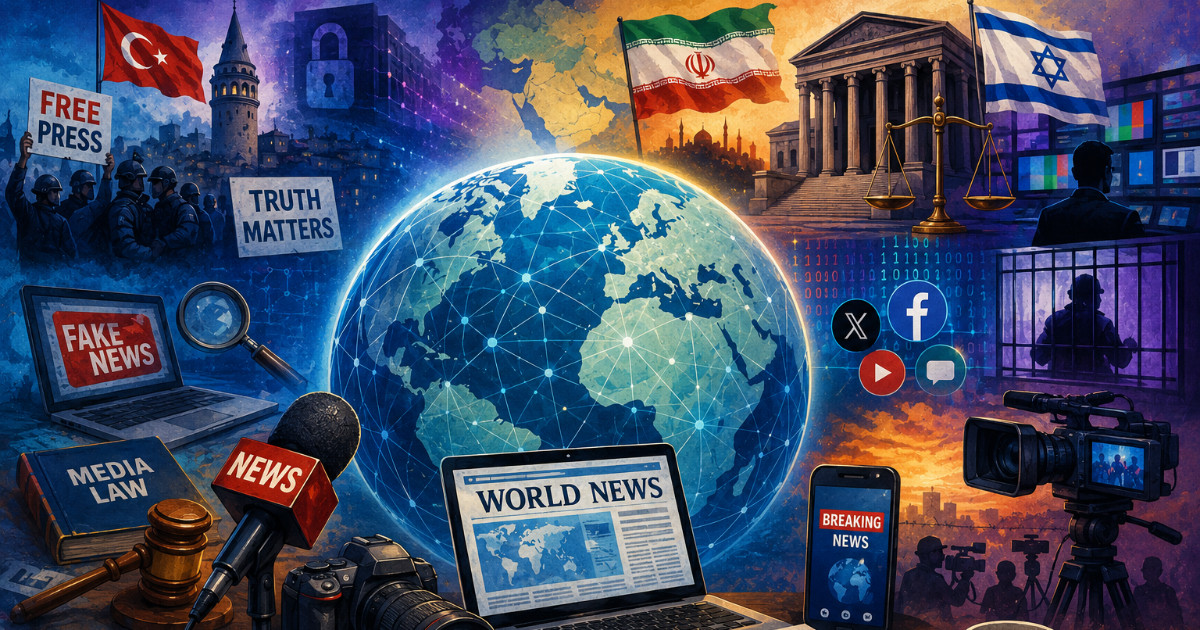
Edition notes rising pressures on media: governments tighten information controls and courts become battlegrounds, while newsrooms face legal, political and financial strains. Verification, newsroom accountability and digital regulation are reshaping journalism.Summary
Editor's note
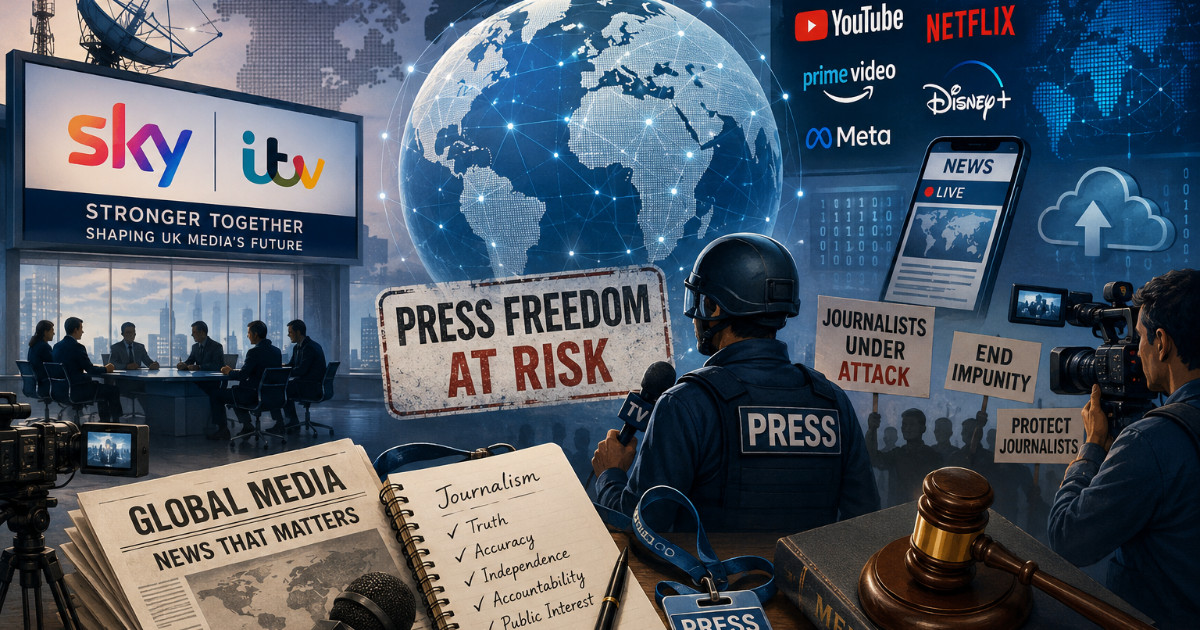
The stories in this edition reflect a media industry facing pressure on multiple fronts. Governments are tightening control over information, courts are becoming key battlegrounds for media independence, and news organizations continue to navigate legal, political, and financial challenges. At the same time, the demands of verification, newsroom accountability, and digital regulation are reshaping how journalism is practiced. Together, these developments show that defending a free and credible press increasingly depends on strong institutions, sustainable newsrooms, and unwavering editorial standards.
Asia media watch
Turkey expands pre-NATO crackdown — Turkish authorities detained more than 200 people, including journalists, and extended demonstration bans ahead of the NATO summit in Ankara. Human Rights Watch and press freedom organizations said the measures further restrict independent reporting and public scrutiny during a major international event, adding to concerns over Turkey's increasingly difficult environment for journalists. (Reuters, July 5-6, 2026)
Middle East media
Media watchdog challenges Gaza casualty reporting — Media watchdog CAMERA urged international news organizations to review reporting that relied on casualty figures from the Committee to Protect Journalists (CPJ) after the organization announced a review of its Gaza database. The move followed evidence that some individuals previously listed as journalists were affiliated with Hamas or Palestinian Islamic Jihad, renewing debate over newsroom verification standards in conflict reporting. (CPJ, June 25, 2026; CAMERA, July 2, 2026)
Foreign media navigate Iran funeral restrictions — International news organizations relied heavily on remote reporting, verified visual evidence, and official sources while covering the funeral of Iran's late Supreme Leader amid tight information controls. The coverage highlighted the growing importance of verification and open-source reporting techniques as journalists face increasing restrictions and limited access during major regional events. (Reuters, July 6, 2026)
Israel rejects court ruling in TV regulator dispute — Israel's government formally rejected a Supreme Court ruling on appointments to the country's commercial television regulator, triggering what legal experts describe as an unprecedented constitutional confrontation. Journalists' organizations warned the move could undermine the independence of broadcast regulation and influence future oversight and ownership decisions involving major broadcasters, raising fresh concerns about political interference in the media sector. (Reuters, July 6, 2026)
Media business and sustainability
Rohi TV cuts 36 jobs as Pakistan media layoffs deepen — Rohi TV's new management dismissed 36 employees, including reporters, anchors, editors, and production staff, prompting calls from press freedom advocates for their reinstatement. The latest cuts continue a broader wave of layoffs across Pakistan's television industry, highlighting the financial pressures and shrinking employment opportunities confronting many news organizations. (JournalismPakistan, July 7, 2026)
Media law and regulation
Supreme Court reporters protest media restrictions — Pakistan's Press Association of the Supreme Court said journalists have been prevented from establishing even a temporary workspace after the long-standing Supreme Court press room was dismantled. The association warned that the lack of basic reporting facilities could undermine media access, transparency, and public coverage of proceedings at the country's highest court. (Press Association of Supreme Court letter, July 7, 2026)
South Korea's fake news law takes effect — South Korea's new law allowing punitive damages against media outlets and influencers found to have knowingly spread false information has come into force, while major online platforms must speed up content removal procedures following complaints. Press freedom groups warn that the legislation's broad wording could encourage self-censorship and excessive moderation, with implications for digital journalism and public debate. (AP News, July 7, 2026)
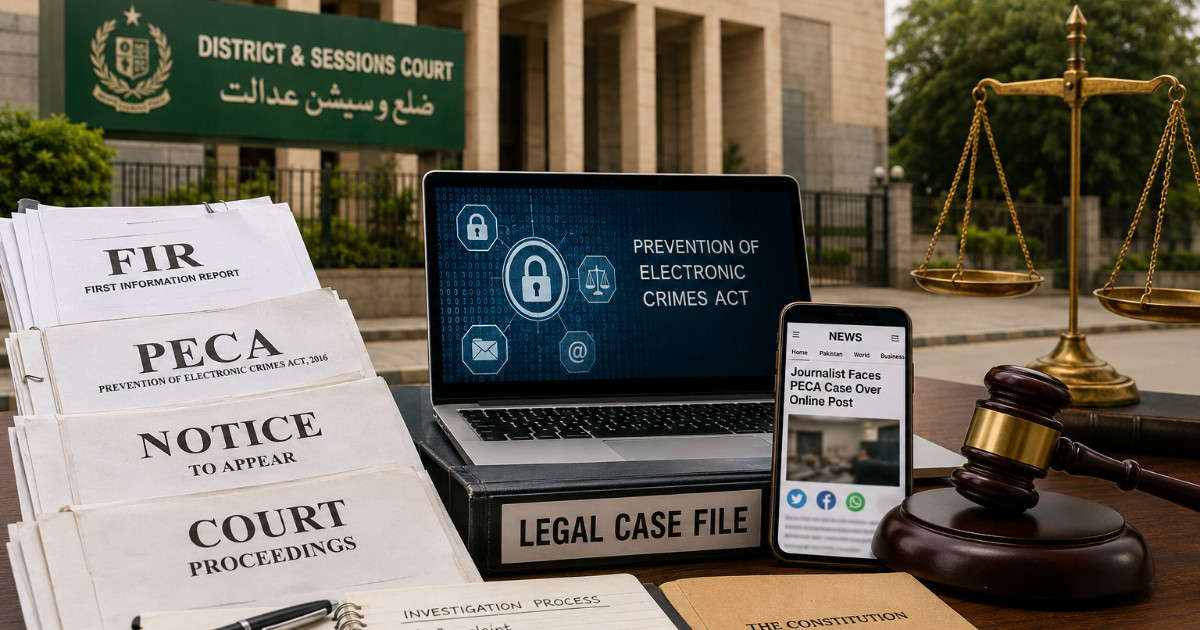
Pakistan remands podcast host in PECA case — A Lahore court granted the National Cyber Crime Investigation Agency (NCCIA) six days' physical remand of podcast host Rehan Tariq after he was booked under PECA and blasphemy-related provisions over a controversial podcast. The case highlights Pakistan's continued use of cybercrime laws in investigations involving online media content and freedom of expression. (Daily Pakistan, July 8, 2026)
Pakistan court awards death sentence in Mureed Abbas case — A Karachi court sentenced Atif Zaman to death twice for the 2019 murders of television anchor Mureed Abbas and businessman Khizar Hayat, while issuing permanent arrest warrants for absconding co-accused Adil Zaman. The ruling concludes a seven-year trial in one of Pakistan's most closely watched cases involving violence against a prominent media personality. (Court information, July 9, 2026)
Justice and accountability
Three acquitted in Lyra McKee murder trial — A court in Northern Ireland acquitted three men charged with the 2019 murder of journalist Lyra McKee, finding them not guilty of joint enterprise murder. Prosecutors alleged the men had accompanied and assisted the gunman who fatally shot McKee during unrest in Londonderry, but the defense argued the case relied on speculation, leaving no one convicted for the journalist's killing. (BBC News, July 3, 2026)
Press freedom and journalist safety
CPJ calls for release of Kashmir journalist — The Committee to Protect Journalists urged authorities in Pakistan-administered Kashmir to immediately release journalist Syed Farhad Ali Shah, who has been held without charge under a preventive detention law after reporting on protests ahead of regional elections. CPJ warned the detention could have a chilling effect on election coverage and press freedom in the region. (Committee to Protect Journalists, July 8, 2026)
RSF condemns attacks on Israeli media outlets — Reporters Without Borders (RSF) condemned a second attack targeting Israeli media organizations after a masked man vandalized the offices of Haaretz in Tel Aviv, days after a similar incident at Channel 12. In a post on X, RSF said the attacks create a climate of fear for journalists and urged Israeli authorities to protect media organizations and hold those responsible accountable. (RSF on X, July 9, 2026)
Press freedom incidents are reported in detail in the JP Press Freedom Tracker, published every Sunday. The new edition will be available on July 12.
WHY THIS MATTERS This week's developments show that journalism is being challenged from every direction. Governments are expanding legal and administrative controls, courts are increasingly shaping the future of media regulation, economic pressures continue to weaken newsrooms, and journalists face growing physical and legal risks. At the same time, conflict reporting has reinforced the importance of rigorous verification and editorial accountability. Together, these stories demonstrate that the future of independent journalism depends not only on protecting press freedom but also on strengthening newsroom resilience, credibility, and public trust.
ATTRIBUTION: Compiled by JournalismPakistan
PHOTO: AI-generated; for illustrative purposes only
Key Points
- Governments are tightening control over information, limiting independent reporting.
- Courts have emerged as key battlegrounds for media independence and legal challenges.
- Verification and newsroom accountability have become central after disputed casualty reporting.
- Turkey detained journalists and banned demonstrations ahead of a NATO summit, raising press freedom concerns.
- Digital regulation, legal pressures and financial strains are reshaping newsroom practice and sustainability.
Key Questions & Answers
What is the main focus of this edition?
The edition examines rising pressures on media from government controls, court actions, verification challenges and digital regulation affecting journalism and press freedom.
Why is Turkey mentioned in the brief?
Turkish authorities detained over 200 people, including journalists, and extended demonstration bans ahead of a NATO summit, prompting concerns about restrictions on independent reporting.
What issue arose around Gaza casualty reporting?
Media watchdogs challenged reporting that relied on certain databases after CPJ announced a review of its Gaza listings amid evidence some individuals had militant affiliations, highlighting verification gaps.
What are the broader implications for newsrooms?
Newsrooms face legal, political and financial pressures and must strengthen verification, editorial standards and institutional resilience to protect credible journalism.
Relevant Topics
Ask AI: Understand this story your way
AI EnabledDig deeper, ask anything — get instant context, background, and clarity.
Disclaimer: This feature is powered by AI and is intended to help readers explore and understand news stories more easily. While we strive for accuracy, AI-generated responses may occasionally be incomplete or reflect limitations in the underlying model. This feature does not represent the editorial views of JournalismPakistan. For our full, verified reporting, please refer to the original article.