.png)
The changing role of social media in investigative journalism
JournalismPakistan.com | Published: 20 January 2026 | JP Staff Report
Join our WhatsApp channel
Social media have become central to investigative reporting, allowing journalists to gather tips, monitor trends and amplify stories directly, while creating new verification, misinformation and ethical challenges that newsrooms must address.Summary
ISLAMABAD – Social media platforms have become a central tool for journalists, reshaping how investigative reporting is conducted. Over the past decade, platforms like Twitter, X, and Threads have allowed reporters to gather tips, verify information, and reach audiences directly, often bypassing traditional editorial channels. While this shift has created opportunities for faster reporting and broader engagement, it has also introduced new challenges around accuracy, ethics, and verification.
The use of social media in investigations has accelerated the pace at which stories break. Journalists can track emerging trends, monitor public sentiment, and uncover leads from posts and discussions that might otherwise go unnoticed. The accessibility of these platforms allows even smaller newsrooms to participate in complex investigative work that once required extensive resources.
Social media as a source and amplifier
However, relying on social media introduces risks. Misinformation, doctored images, and coordinated campaigns can mislead reporters or compromise the integrity of an investigation. Editors increasingly require that social media content be rigorously verified before inclusion in reporting. Verification tools, cross-referencing with public records, and expert consultation have become standard practices for journalists aiming to maintain credibility.
Platforms also influence how audiences engage with investigative journalism. Stories shared widely on social media can generate significant public attention, prompting follow-up reporting or policy discussions. This immediacy can create pressure for reporters to publish quickly, sometimes at the expense of thorough fact-checking. Balancing speed and accuracy has become one of the defining challenges for investigative teams in the digital era.
The evolving ethical landscape
Journalists are also navigating new ethical considerations. Collecting information from public posts raises questions about privacy, consent, and the potential impact on individuals mentioned in investigations. Social media has blurred the lines between public interest reporting and surveillance, requiring reporters to make judgment calls about what to publish and how to contextualize online content.
As social media continues to evolve, its role in investigative journalism is likely to expand further. While the platforms provide unprecedented access to information and audiences, they demand greater vigilance and professionalism from reporters. Newsrooms that adapt effectively will need to combine traditional investigative skills with digital literacy, verification expertise, and a strong ethical framework.
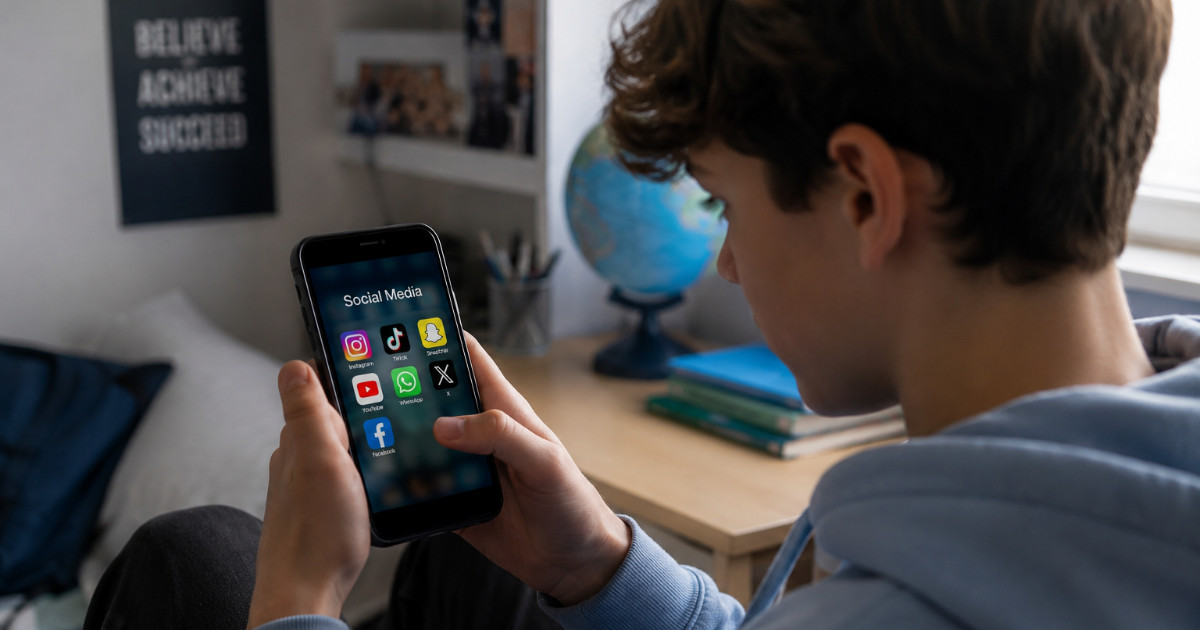
PHOTO:By Gerd Altmann from Pixabay
Key Points
- Social media are now central tools for investigative reporters, enabling tip collection and trend monitoring.
- Platforms speed up story discovery and allow smaller newsrooms to pursue complex investigations.
- Wider audience reach amplifies stories and can prompt public and policy responses.
- Risks include misinformation, doctored content and coordinated manipulation targeting journalists.
- Robust verification-tools, public records checks and expert consultation-is required before publication.
Relevant Topics
Ask AI: Understand this story your way
AI EnabledDig deeper, ask anything — get instant context, background, and clarity.
Disclaimer: This feature is powered by AI and is intended to help readers explore and understand news stories more easily. While we strive for accuracy, AI-generated responses may occasionally be incomplete or reflect limitations in the underlying model. This feature does not represent the editorial views of JournalismPakistan. For our full, verified reporting, please refer to the original article.