
The biggest threats to journalism right now
JournalismPakistan.com | Published: 8 April 2026 | JP Staff Report
Join our WhatsApp channel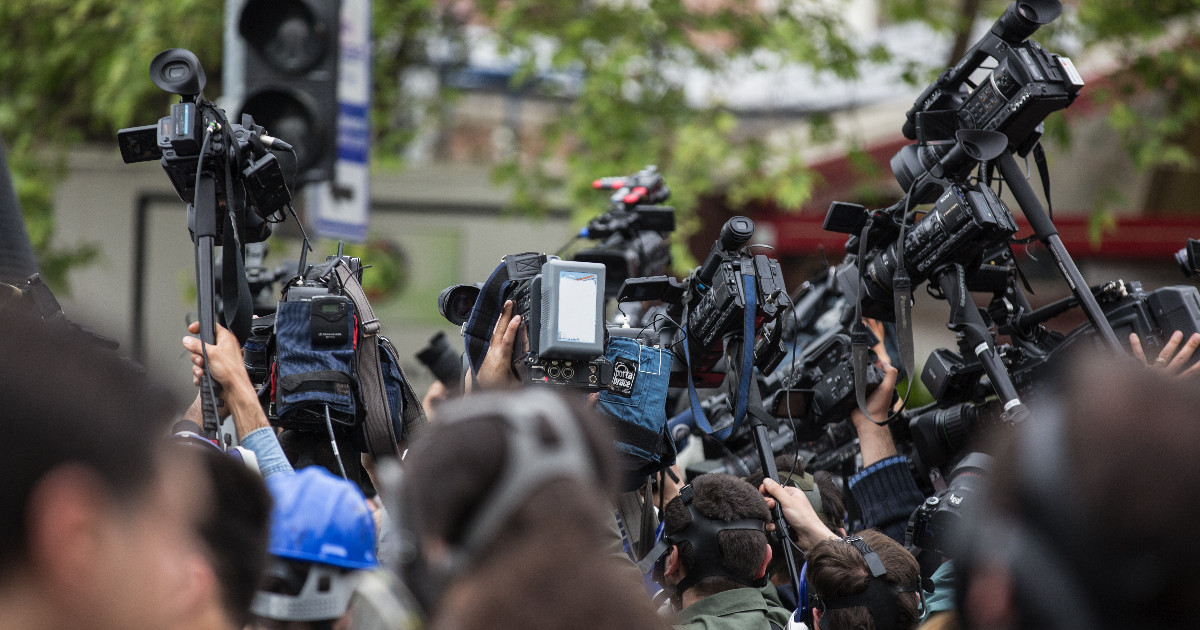
Journalism is being reshaped by interconnected threats, legal harassment, shrinking revenues, technological change, and political pressures, which together endanger reporters' safety, editorial independence and the economic models that sustain newsrooms.Summary
KARACHI—From shrinking revenues to rising political pressure, journalism is confronting a convergence of threats that are reshaping how news is produced, distributed, and sustained worldwide. Media organizations are grappling with financial instability, legal challenges, and the growing influence of technology platforms, all while trying to maintain editorial independence and public trust.
The question of what poses the single biggest threat to journalism has gained urgency as these pressures intensify simultaneously. Industry experts and media watchdogs increasingly point out that the risks are interconnected, creating a fragile environment for newsrooms across both developed and emerging markets.
Five pressures redefining journalism
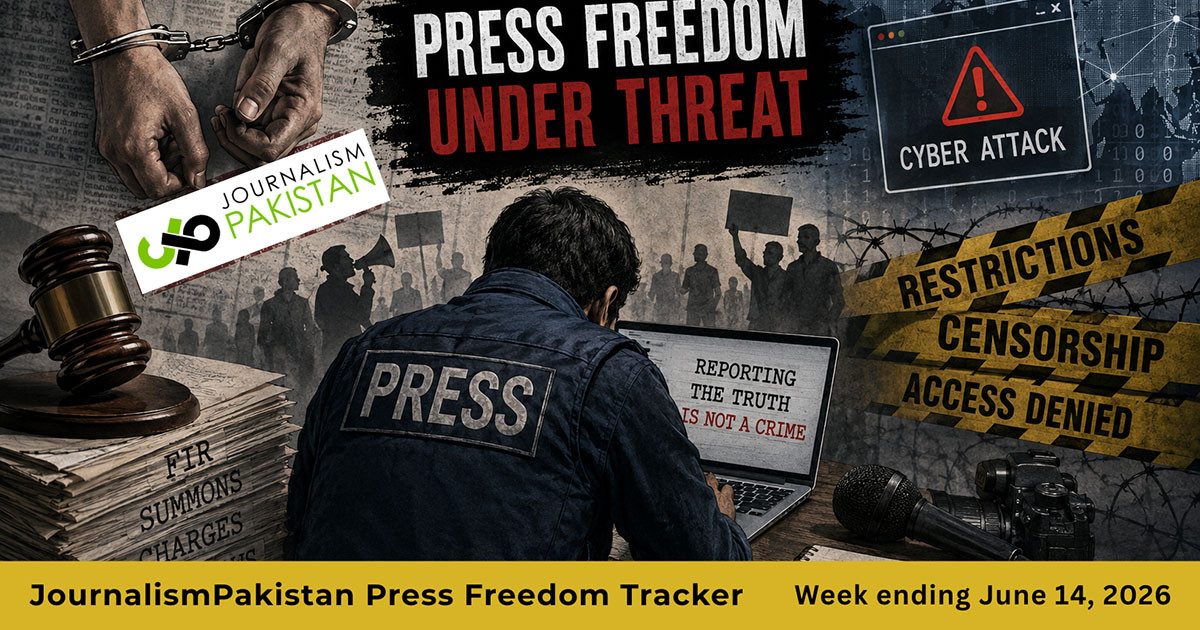
Legal pressure continues to mount in many countries, where journalists face lawsuits, restrictive media laws, and regulatory crackdowns. According to recent reports by Reporters Without Borders, legal harassment and strategic lawsuits against public participation (SLAPPs) are increasingly used to silence investigative reporting and critical voices.
Economic pressure remains one of the most immediate challenges. Declining advertising revenues, layoffs, and reduced newsroom budgets have weakened the financial foundation of journalism. Data from the Reuters Institute for the Study of Journalism highlights ongoing struggles with sustainable business models, particularly as audiences shift to digital platforms.
Technology and control reshape the landscape
Artificial intelligence is rapidly transforming the industry. While AI tools can enhance reporting efficiency and data analysis, they also raise concerns about misinformation, deepfakes, and the erosion of trust. Newsrooms are still adapting to how AI-generated content may affect credibility and employment within the sector.
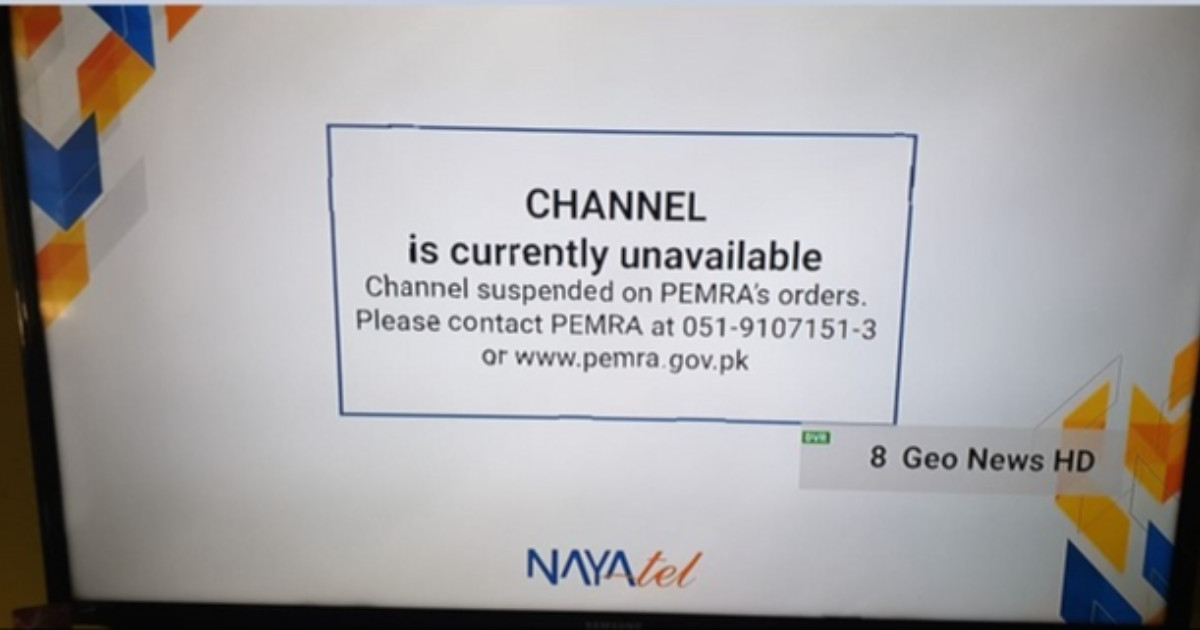
State censorship remains a persistent threat, especially in regions where governments impose strict controls on media narratives or restrict digital access. Global press freedom rankings continue to show declining conditions in several countries, with journalists facing increased surveillance and intimidation.
Platform dominance by major tech companies has further complicated the landscape. Social media and search engines control much of the distribution of news, often prioritizing engagement-driven algorithms over editorial judgment. This dependency has left many outlets vulnerable to sudden changes in platform policies and revenue structures.
A defining moment for global media
Analysts emphasize that the most significant risk may lie in the interaction of these threats rather than any single factor. Financial instability can make media outlets more susceptible to political influence, while platform algorithms can amplify misleading AI-generated content.
As the global media industry navigates this turning point, the debate continues over which of these pressures is most damaging. Increasingly, journalists and audiences alike are being asked to weigh in, reflecting a broader concern about the future of independent and credible journalism.
WHY THIS MATTERS: For Pakistani journalists, these global trends mirror challenges already visible in the local media landscape, particularly economic strain and regulatory pressures. Understanding how these threats intersect can help newsrooms develop more resilient strategies, especially in navigating digital platforms and emerging technologies. It also highlights the need for stronger safeguards to protect editorial independence.
ATTRIBUTION: Reporting by JournalismPakistan, based on publicly available reports from Reporters Without Borders (2025) and Reuters Institute for the Study of Journalism (2025).
PHOTO: By Engin Akyurt from Pixabay
Key Points
- Legal harassment and SLAPPs are increasingly used to intimidate journalists and suppress investigative reporting.
- Economic decline from falling ad revenues and newsroom cuts undermines long-term sustainability.
- Technology, including AI, both aids reporting and creates new risks around misinformation and automated control.
- Political pressure and regulatory crackdowns erode editorial independence and can lead to censorship.
- Platform dominance reshapes distribution and monetization, intensifying challenges to trust and access.
Key Questions & Answers
What is the biggest threat to journalism?
Experts say no single threat dominates; legal, economic, technological and political pressures interact to create the most serious risks to the industry.
How do SLAPPs affect reporters?
SLAPPs impose legal costs and chilling effects that deter investigative reporting; they can bankrupt outlets and silence critics.
What role does AI play in these challenges?
AI can both aid reporting and enable manipulation; it reshapes workflows while raising concerns about misinformation and automated moderation.
How can newsrooms improve their resilience?
Newsrooms can diversify revenue, invest in digital strategy and legal defenses, and reinforce editorial standards to maintain public trust.
Ask AI: Understand this story your way
AI EnabledDig deeper, ask anything — get instant context, background, and clarity.
Disclaimer: This feature is powered by AI and is intended to help readers explore and understand news stories more easily. While we strive for accuracy, AI-generated responses may occasionally be incomplete or reflect limitations in the underlying model. This feature does not represent the editorial views of JournalismPakistan. For our full, verified reporting, please refer to the original article.