
Ten ways governments regulate digital news platforms
JournalismPakistan.com | Published: 25 February 2026 | JP Special Report
Join our WhatsApp channel
Governments from the EU to India and Australia are imposing laws to regulate digital news platforms, affecting moderation, revenue-sharing and competition; measures target misinformation but raise press freedom concerns and news viability.Summary
BRUSSELS — Governments around the world are expanding legal and regulatory oversight of digital news platforms, reshaping how global technology companies distribute journalism, moderate content, and share revenue with publishers. From the European Union to Australia and India, new frameworks are redefining the relationship between states, platforms, and news organizations, often with significant implications for press freedom and newsroom sustainability.
While approaches differ by region, the trend reflects a broader push to curb misinformation, enforce competition law, and strengthen national control over digital information ecosystems. Recent legislation and regulatory enforcement actions in 2024 and 2025 illustrate how these measures are evolving and where tensions remain between regulation and media independence.
Content moderation mandates
Governments are increasingly imposing statutory duties on platforms to remove illegal or harmful content. The European Union’s Digital Services Act, which became fully applicable in 2024, requires very large online platforms to assess systemic risks and remove illegal content promptly or face significant fines. In India, amendments to the Information Technology Rules require platforms to take down certain categories of content within specified timelines and appoint grievance officers, drawing criticism from digital rights groups concerned about executive overreach.
In the United Kingdom, the Online Safety Act 2023 empowers regulator Ofcom to oversee platform compliance with content safety obligations, including protecting children from harmful material. Although primarily framed as a user safety regulation, the law has implications for how news content is flagged or deprioritized online.
Platform transparency requirements
Regulators are mandating greater transparency around algorithms and advertising. Under the EU Digital Services Act, major platforms must provide public reports on content moderation and give researchers access to certain data. The European Commission has initiated formal proceedings against several companies under the regulation, signaling active enforcement.
In the United States, while there is no comprehensive federal platform law, the Federal Trade Commission and state attorneys general have pursued transparency and competition cases involving large technology firms. Legislative proposals addressing algorithmic accountability remain under debate in Congress as of early 2026.
Revenue-sharing and bargaining codes
Some governments are intervening to ensure news publishers are compensated for content distributed on digital platforms. Australia’s News Media Bargaining Code, enacted in 2021 and still in force, established a framework for commercial negotiations between platforms and news businesses. Canada’s Online News Act, which took effect in 2023, similarly requires dominant platforms to negotiate compensation agreements with eligible publishers.
Meta’s decision in 2023 to block news links on Facebook and Instagram in Canada in response to the law demonstrated how regulatory efforts can trigger platform pushback, with ongoing negotiations and policy adjustments.
Data localization and licensing rules
Countries, including India and Indonesia, have implemented or proposed data localization rules requiring certain data to be stored domestically. Such policies can affect cross-border news operations and investigative collaborations.
In some jurisdictions, authorities require digital news publishers to register or obtain licenses. Turkey’s 2022 “disinformation” law introduced penalties for spreading what authorities define as false information, raising concerns among press freedom organizations about self-censorship and enforcement discretion.
Competition and antitrust enforcement
Competition regulators in the EU and the United States have intensified scrutiny of dominant technology companies’ market practices. The European Commission has used the Digital Markets Act, fully applicable in 2024, to designate “gatekeeper” platforms and impose obligations aimed at preventing anti-competitive behavior. Enforcement actions can affect how news apps and services are ranked or accessed on app stores and search engines.
In the US, ongoing antitrust litigation involving major technology firms could reshape advertising markets that sustain digital journalism, although court outcomes remain pending.
National security and foreign influence laws
Governments have also invoked national security frameworks to regulate platform operations. The United States enacted legislation in 2024 requiring the China-based parent company of TikTok, ByteDance, to divest the platform’s US operations or face a ban, citing national security concerns.
Other countries have introduced foreign influence transparency laws requiring platforms to label or restrict state-affiliated media content, affecting the global distribution of certain international news outlets.
Election integrity regulations
In response to disinformation concerns, several countries have adopted election-specific digital rules. The European Union’s 2024 Regulation on the transparency and targeting of political advertising sets standards for labeling political ads online. Platforms must maintain public repositories of such advertisements, a move aimed at safeguarding electoral processes.
Latin American and African regulators have also issued temporary content rules during election periods, sometimes in coordination with telecommunications authorities.
Taxation and digital levies
Some governments have imposed digital services taxes on large technology firms, arguing that companies should contribute to local economies where they generate advertising revenue. France’s digital services tax, introduced earlier but still in force pending global tax negotiations under the OECD framework, reflects broader fiscal policy debates affecting platform operations and, indirectly, news partnerships.
Cross-border content blocking
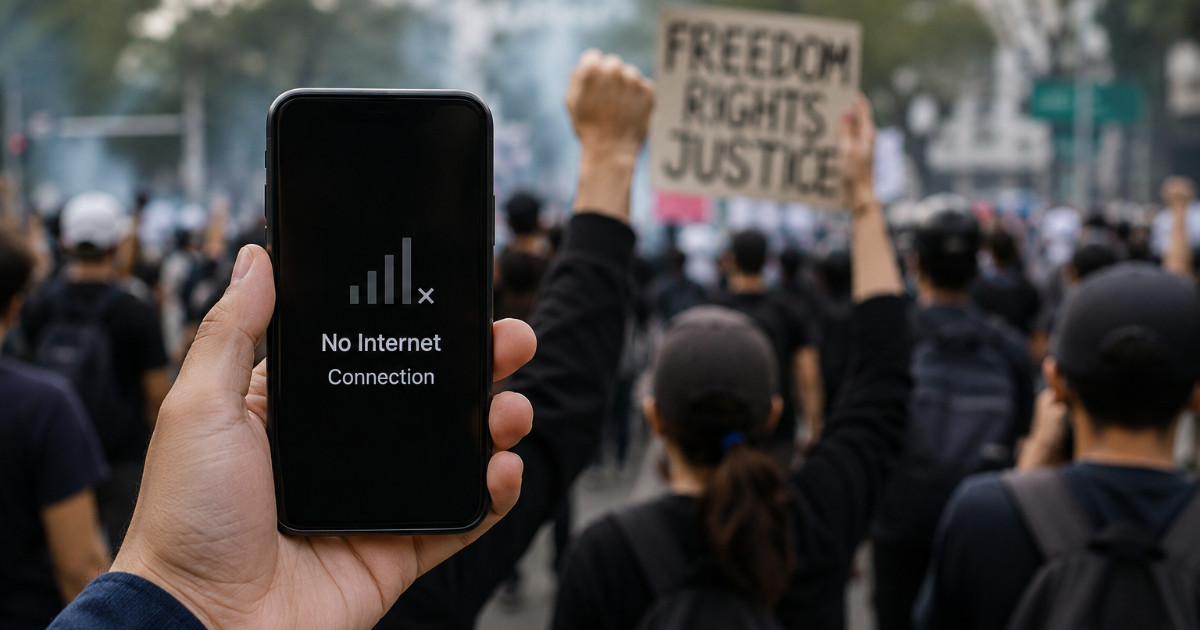
Authorities in multiple jurisdictions have ordered temporary platform blocks or throttling during political unrest. Courts or communications regulators in countries including Pakistan and Brazil have directed internet service providers to restrict access to specific platforms during security operations, citing public order concerns. Such measures can disrupt news distribution and audience access.
User verification and identity rules
Some governments require platforms to implement stronger user identification measures. Proposals in parts of Asia and the Middle East mandate traceability of encrypted messages under certain conditions. Technology companies argue that such measures could weaken encryption, while regulators frame them as tools to combat misinformation and crime.
WHY THIS MATTERS: For Pakistani journalists and media organizations, these global regulatory models offer both cautionary lessons and strategic insights. As Pakistan debates digital governance and platform accountability, newsroom leaders must assess how revenue-sharing mechanisms, content moderation mandates, and data policies could affect editorial independence, digital reach, and business sustainability. Understanding international precedents can help media stakeholders anticipate regulatory shifts at home.
ATTRIBUTION: This report is based on publicly available legislation and regulatory documents from the European Union, the United Kingdom, Australia, Canada, India, Turkey, France, the United States Congress, and official communications from relevant regulatory authorities.
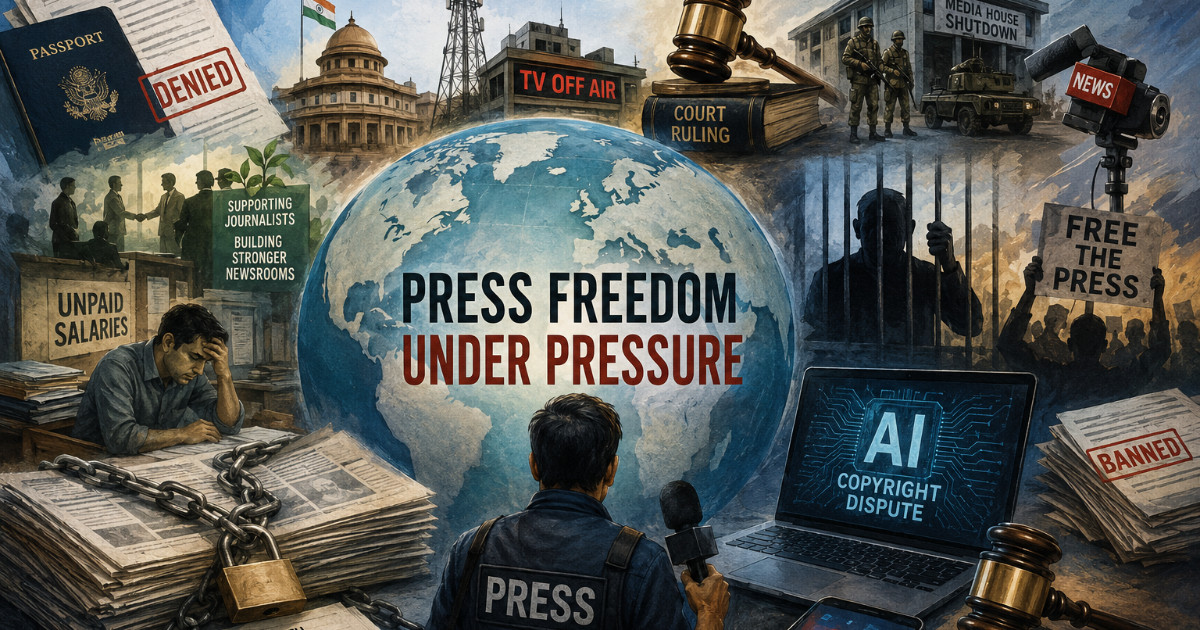
PHOTO: AI-generated; for illustrative purposes only.
Key Points
- States are imposing statutory duties on platforms to remove illegal or harmful content and conduct systemic risk assessments.
- New rules set timelines for takedowns, require grievance officers and increase regulator oversight, as with the EU DSA and India’s IT rules.
- Legislation and enforcement push for revenue-sharing or bargaining mechanisms between platforms and news publishers.
- Competition and antitrust actions target dominant platform practices that may harm news distribution and market fairness.
- Regulatory aims to curb misinformation and strengthen national control can also raise concerns about press freedom and news viability.
Key Questions & Answers
What do these regulations typically cover?
They generally target content moderation, takedown duties, transparency, systemic risk assessments, data practices, competition issues and frameworks for platform-publisher payments.
How does the EU's Digital Services Act affect platforms?
The DSA requires very large platforms to assess systemic risks, improve transparency and remove illegal content promptly; noncompliance can trigger substantial fines.
Why do critics worry about press freedom?
Critics say expedited takedown timelines and expanded state powers can enable overreach; safeguards and independent oversight are needed to protect journalism.
Will regulation help newsrooms financially?
Some measures aim to secure revenue-sharing or bargaining rights for publishers, but outcomes depend on enforcement, market dynamics and implementation details.
Relevant Topics
Ask AI: Understand this story your way
AI EnabledDig deeper, ask anything — get instant context, background, and clarity.
Disclaimer: This feature is powered by AI and is intended to help readers explore and understand news stories more easily. While we strive for accuracy, AI-generated responses may occasionally be incomplete or reflect limitations in the underlying model. This feature does not represent the editorial views of JournalismPakistan. For our full, verified reporting, please refer to the original article.