
Taliban revoke licences of most media support groups
JournalismPakistan.com | Published: 27 January 2026 | JP Asia Desk
Join our WhatsApp channel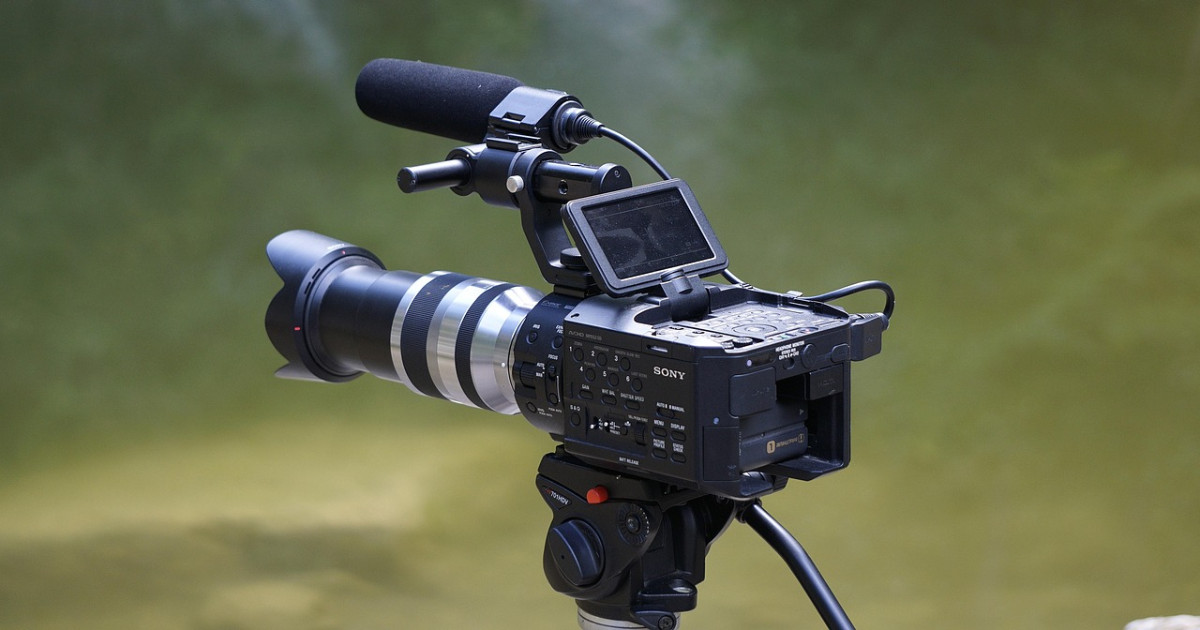
The Taliban's Ministry of Information and Culture revoked licences for most media support organizations, leaving only three to operate after internal reviews; observers say this sharply reduces training, legal aid and protections for Afghan journalists.Summary
KABUL — Afghanistan’s Taliban-run Ministry of Information and Culture has revoked the operating licences of most media support organizations, significantly reducing the number of bodies permitted to work with journalists in the country. The ministry said only three organizations were granted extensions, while the rest lost authorization following internal reviews and complaints.
The decision removes key institutional structures that had provided training, legal assistance, and professional support to journalists operating under increasingly restrictive conditions. Media workers and observers say the move further limits already scarce avenues for professional development and protection.
The media support sector sharply reduced
Media support organizations in Afghanistan have played a central role in sustaining the sector since the Taliban returned to power in August 2021, particularly as many independent outlets shut down or reduced operations. These groups have offered safety training, legal guidance, and coordination with international press freedom bodies, functions that are now largely absent following the licence cancellations.
The Ministry of Information and Culture has not publicly detailed the specific complaints or review criteria that led to the revocations. Taliban officials have previously stated that all media-related organizations must operate in line with national laws and cultural values as defined by the authorities.
Impact on journalists and newsrooms
Journalists remaining in Afghanistan already face tight editorial restrictions, licensing requirements, and limits on coverage topics. The loss of media support organizations is expected to further isolate reporters, particularly freelancers and local journalists who relied on these bodies for legal advice and professional resources.
Press freedom groups have repeatedly warned that the steady removal of independent media infrastructure increases self-censorship and weakens professional standards. While the Taliban insist media can operate within set rules, the shrinking ecosystem leaves little room for independent journalism or external support.
WHY THIS MATTERS: The dismantling of media support structures in Afghanistan highlights how regulatory pressure can quietly erode journalism without directly closing newsrooms. For Pakistani journalists and media organizations, it underscores the importance of strong professional associations, legal defense mechanisms, and cross-border solidarity networks. It also illustrates how administrative controls can reshape media landscapes over time.
ATTRIBUTION: Reporting based on official statements from Afghanistan’s Ministry of Information and Culture and coverage by international news organizations.
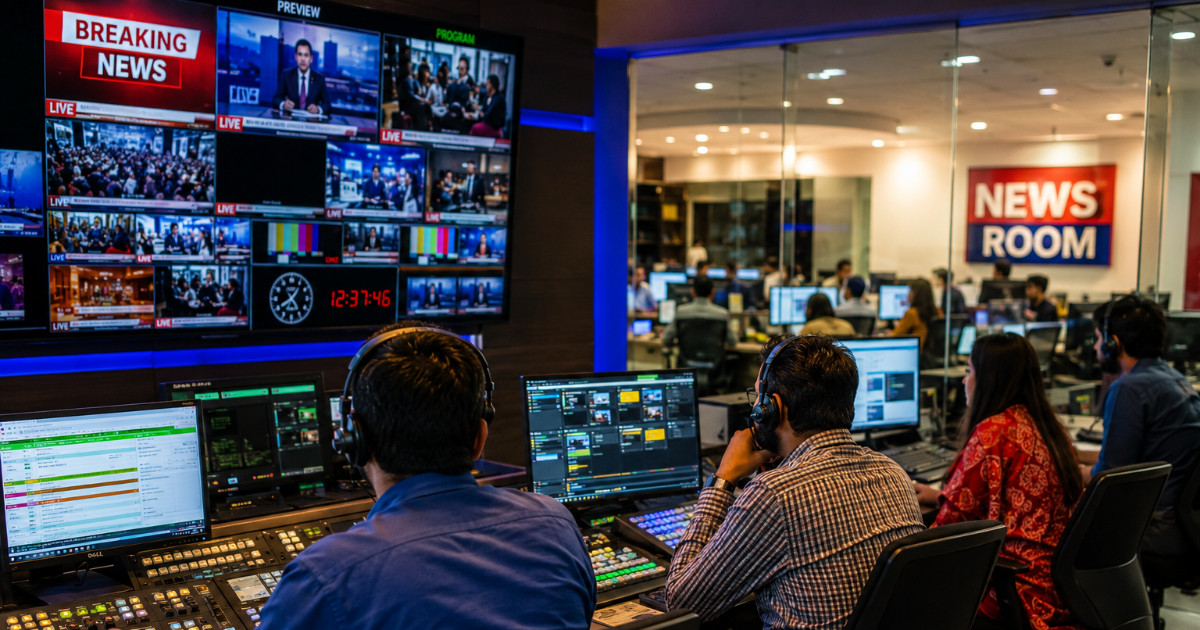
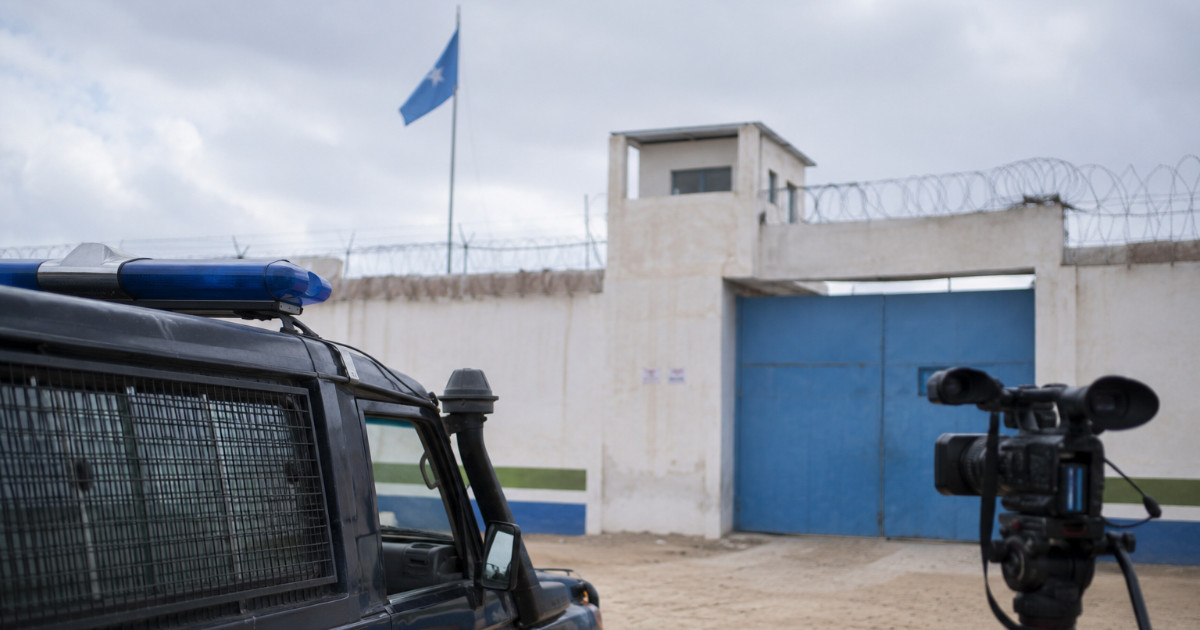
PHOTO: By Josep Monter Martinez from Pixabay (Representational)
Key Points
- Ministry revoked licences of most media support organizations; only three groups were granted extensions.
- Revocations followed internal reviews and undisclosed complaints; the ministry has not detailed the criteria.
- Media support groups provided safety training, legal assistance and coordination with international press bodies.
- The decision cuts key avenues for professional development and protection for journalists working under restrictive conditions.
- Newsrooms and reporters face heightened constraints, further limiting press freedom and independent reporting.
Relevant Topics
Ask AI: Understand this story your way
AI EnabledDig deeper, ask anything — get instant context, background, and clarity.
Disclaimer: This feature is powered by AI and is intended to help readers explore and understand news stories more easily. While we strive for accuracy, AI-generated responses may occasionally be incomplete or reflect limitations in the underlying model. This feature does not represent the editorial views of JournalismPakistan. For our full, verified reporting, please refer to the original article.