
Sunday read: Global media freedom under pressure in critical week
JournalismPakistan.com | Published: 25 January 2026 | JP Staff Report
Join our WhatsApp channel
A CPJ report shows 330 journalists jailed worldwide by Dec 1, 2025, down from 384 a year earlier, while 127 media workers were killed in 2025; rights groups warn rising torture reports, censorship and conflict-related risks are degrading global press freedom.Summary
ISLAMABAD — The global media landscape continues to face intense pressure as multiple developments highlight a worsening environment for press freedom and journalist safety around the world. A new report by the Committee to Protect Journalists shows a slight decrease in the number of journalists imprisoned in 2025 compared with the previous year, but the overall toll of repression, violence, and death remains alarmingly high.
According to the CPJ report published on January 21, as of December 1, 2025, 330 journalists were in detention globally, down from a record 384 at the end of 2024. China, Myanmar, and Israel accounted for the highest numbers of jailed journalists, and nearly 20 percent of detained journalists reported instances of torture or physical abuse. The CPJ also documented the deaths of 127 journalists and media workers in 2025, underscoring the continued dangers faced by media professionals in conflict zones and authoritarian contexts.
The escalating risks for journalists are occurring against a broader backdrop of declining press freedom worldwide. The 2025 World Press Freedom Index by Reporters Without Borders places many countries in precarious positions, with media environments deteriorating under government constraints, censorship, and legal restrictions. One stark example comes from Iraq, which has fallen to 155th place in the press freedom rankings as independent reporting faces increased threats and limitations.
Deadly conditions in conflict zones
Recent news from Gaza highlights the lethal dangers journalists encounter in active conflict zones. On January 21, three journalists were killed in a military strike south of Gaza City, including a contributor to CBS News and Agence France-Presse. The journalists were documenting conditions in a tent encampment for displaced people when the strike occurred. The Israel Defense Forces said the target was linked to an unmanned aerial vehicle threat, but did not clarify whether the victims were identified as journalists at the time of the strike. This incident adds to hundreds of media professionals killed in the territory since the start of the prolonged conflict, further illustrating the perils of reporting from war zones and the difficulties of maintaining independent coverage amid hostilities.
Digital repression and censorship in Iran
Beyond traditional violence, digital repression is emerging as a powerful tool to silence dissent and independent reporting. As Iran grapples with widespread protests that began in late 2025, the government has imposed extensive internet blackouts and restrictions, severely curtailing independent news flow and communication. Reports indicate the blackout, initially justified by authorities as a security measure, may extend for months. Digital rights advocates warn that this tactic could become a permanent instrument of state control, effectively isolating the population from global information networks and weakening dissent. In such an environment, independent reporting is all but impossible, and the risk of misinformation and state narratives dominating public discourse increases significantly.
The situation in Iran is compounded by the broader crackdown on reporting, demonstration coverage, and the arrest of protesters and journalists alike. With 127 killed and hundreds detained worldwide, the conditions for free reporting remain dire and highly constrained.
Digital pressure on independent media in Pakistan
Digital Media Alliance for Pakistan (DigiMAP) strongly condemned the blocking of Lok Sujag, a prominent independent journalism platform, calling the move state censorship, a direct assault on freedom of expression, and a serious violation of constitutional rights. According to DigiMAP and digital rights monitors, the website is inaccessible on standard browsers inside Pakistan and can only be accessed through a VPN, while remaining available internationally. Digital and cybersecurity experts have said such restrictions are consistent with network-level blocking carried out by the Pakistan Telecommunication Authority under existing regulatory powers.
The Lok Sujag case follows a broader pattern of digital restrictions affecting journalism in Pakistan. In recent years, the PTA has ordered the blocking or throttling of news websites, social media platforms, and individual journalist accounts, often without transparent notice or judicial oversight. Temporary shutdowns of X, YouTube, and mobile internet services during protests or political unrest have repeatedly disrupted news distribution and real-time reporting, particularly for digital-first outlets.
Global context and regional pressures
These acute issues come amid a global backdrop of shrinking press freedom and persistent threats to independent journalism. Highly publicized indexes and reports document a half-century low in press freedom in many countries, with legal constraints, intimidation tactics, and economic pressures undermining media independence. Countries grappling with political instability, conflict, or authoritarian governance have been tough hit, and journalists face a convergence of physical, legal, and digital risks as they attempt to report on critical events.
WHY THIS MATTERS: This roundup matters to Pakistani journalists and media professionals because it highlights shared vulnerabilities and common trends in the erosion of press freedom both globally and within the region. Understanding how digital repression, legal instruments, and conflict-related dangers are being used against journalists worldwide allows Pakistani media workers to better anticipate risks, advocate for protection, and strengthen networks of solidarity and support. It underscores the urgency of safeguarding independent reporting and resisting restrictive policies that can curtail free expression under the guise of security or public order.
ATTRIBUTION: Reporting based on the Committee to Protect Journalists, Reporters Without Borders, international news outlets, DigiMAP, statements from Siasat.pk staff, and publicly available Pakistan Telecommunication Authority notices.
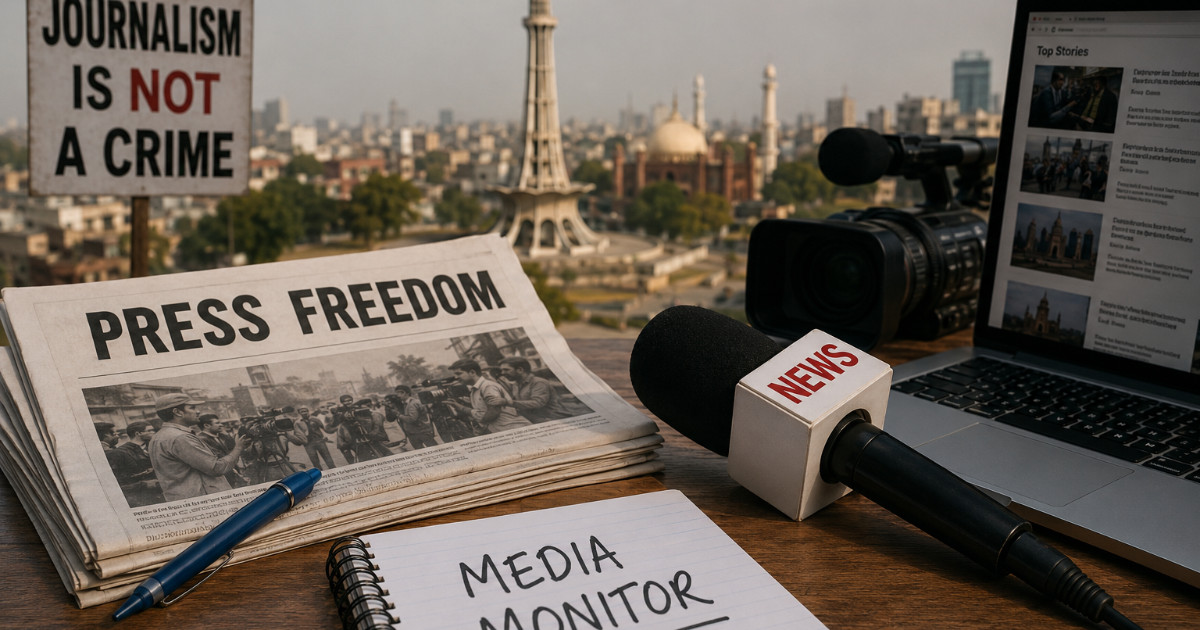
PHOTO: AI-generated; for illustrative purposes only
Key Points
- CPJ recorded 330 journalists detained globally as of Dec 1, 2025, down from 384 at the end of 2024.
- China, Myanmar and Israel accounted for the highest numbers of jailed journalists.
- Nearly 20% of detained journalists reported torture or physical abuse; 127 journalists and media workers died in 2025.
- Reporters Without Borders' 2025 World Press Freedom Index shows widespread declines, with Iraq falling to 155th place.
- Journalists face escalating risks in conflict zones such as Gaza amid increasing censorship and legal restrictions.
Relevant Topics
Ask AI: Understand this story your way
AI EnabledDig deeper, ask anything — get instant context, background, and clarity.
Disclaimer: This feature is powered by AI and is intended to help readers explore and understand news stories more easily. While we strive for accuracy, AI-generated responses may occasionally be incomplete or reflect limitations in the underlying model. This feature does not represent the editorial views of JournalismPakistan. For our full, verified reporting, please refer to the original article.