
SLAPP cases reshape journalism in Southeast Asia
JournalismPakistan.com | Published: 7 April 2026 | JP Staff Report
Join our WhatsApp channel
Strategic Lawsuits Against Public Participation (SLAPPs) are increasingly deployed across Southeast Asia to contest investigative reporting and critical coverage, triggering long legal battles that drain newsroom resources and chill journalistic scrutiny.Summary
SINGAPORE — Legal pressure against journalists across Southeast Asia is intensifying, with a growing number of Strategic Lawsuits Against Public Participation (SLAPPs) being used to challenge investigative reporting and critical coverage. Recent reporting and press freedom assessments published in early April 2026 indicate that these lawsuits are no longer isolated incidents but part of a broader regional pattern affecting newsrooms in countries including the Philippines, Thailand, and Indonesia.
Media watchdogs and journalism groups say the trend reflects a shift away from overt censorship toward more complex legal strategies that can drain resources and deter reporting. While governments and powerful individuals often frame such cases as legitimate defamation or cybercrime complaints, press freedom advocates argue that many are designed to silence scrutiny and create a chilling effect across the industry.
A lawsuit instead of a shutdown
In the Philippines, legal pressures on journalists continue to resonate in the aftermath of high-profile cases involving figures such as Maria Ressa, whose legal battles have come to symbolize the risks faced by investigative reporters. Although some cases date back several years, their ongoing legal and institutional impact remains a defining feature of the country’s media environment in 2026.
Thailand has similarly seen the use of defamation and computer crime laws against journalists and media outlets, with cases often involving reporting on business interests or political actors. Legal proceedings in such cases can stretch over years, creating sustained financial and psychological pressure on reporters and editors, even when charges are ultimately dismissed.
Indonesia presents a dual challenge, where journalists face both legal threats and physical intimidation. Press groups have documented instances in recent months where lawsuits have accompanied broader campaigns of harassment, compounding risks for reporters working on sensitive topics such as corruption, environmental issues, and local governance.
Rising costs and newsroom impact
For many independent media organizations in Southeast Asia, the financial burden of defending against SLAPPs is becoming increasingly difficult to manage. Legal fees, prolonged court proceedings, and reputational risks can strain already limited resources, particularly for smaller outlets and freelance journalists.
Editors and media managers say the threat of litigation is influencing editorial decisions, with some newsrooms exercising caution or delaying publication of sensitive investigations. This dynamic raises concerns about self-censorship, where the fear of legal repercussions shapes coverage even before a story is published.
Regional and international organizations, including the International Federation of Journalists, have called for stronger legal protections and the adoption of anti-SLAPP mechanisms. However, such safeguards remain limited or unevenly enforced across Southeast Asia, leaving journalists vulnerable to prolonged legal battles.
Calls for reform and regional response
Advocacy groups are increasingly pushing for legal reforms to prevent the misuse of defamation and cybercrime laws against journalists. Proposals include clearer standards for dismissing frivolous cases, protections for public interest reporting, and financial support mechanisms for journalists facing legal action.
While some countries have initiated discussions around legal reform, progress has been slow. Observers note that without coordinated regional action or stronger domestic safeguards, SLAPPs are likely to remain a persistent tool for suppressing critical journalism.
The broader implication is a gradual reshaping of the media landscape, where legal risk becomes a routine part of journalistic work. For reporters across Southeast Asia, the ability to pursue investigative stories increasingly depends not only on editorial backing but also on access to legal defense and institutional support.
WHY THIS MATTERS: For Pakistani journalists and media organizations, the rise of SLAPP-style litigation in Southeast Asia underscores how legal tools can be used to pressure newsrooms without overt censorship. It highlights the importance of strengthening legal preparedness, editorial safeguards, and institutional backing for investigative reporting. As similar legal frameworks exist in Pakistan, the regional trend offers a cautionary signal about the potential expansion of litigation-based pressure on the press.
ATTRIBUTION: Reporting by JournalismPakistan, based on publicly available reporting by Reuters (April 2026) and statements from the International Federation of Journalists (April 2026).
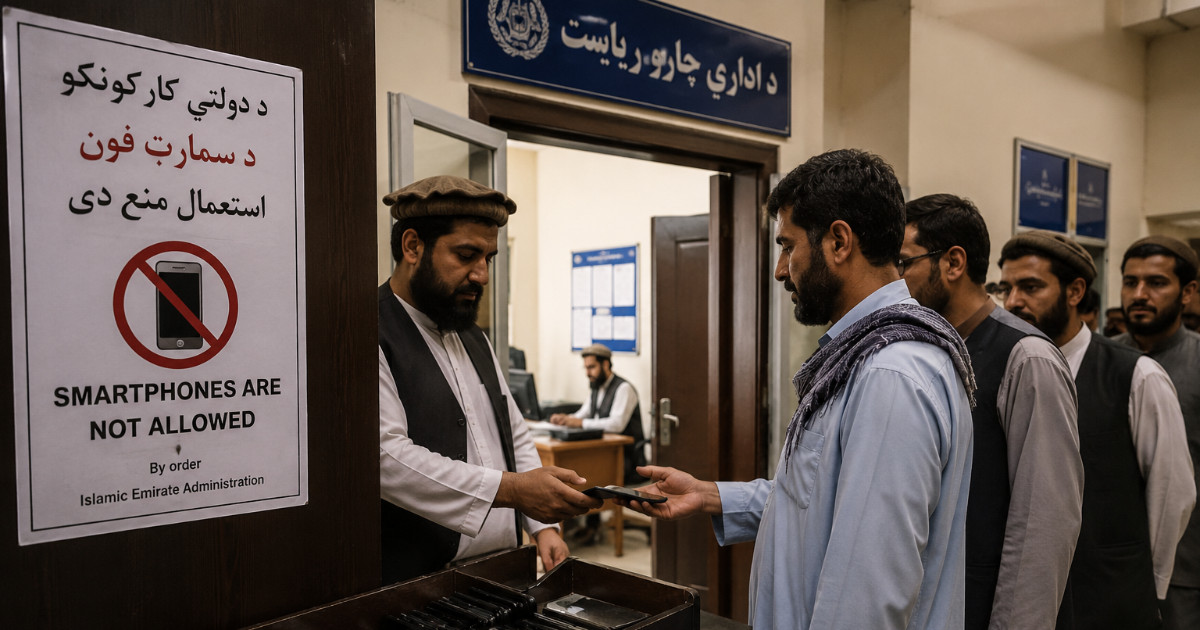
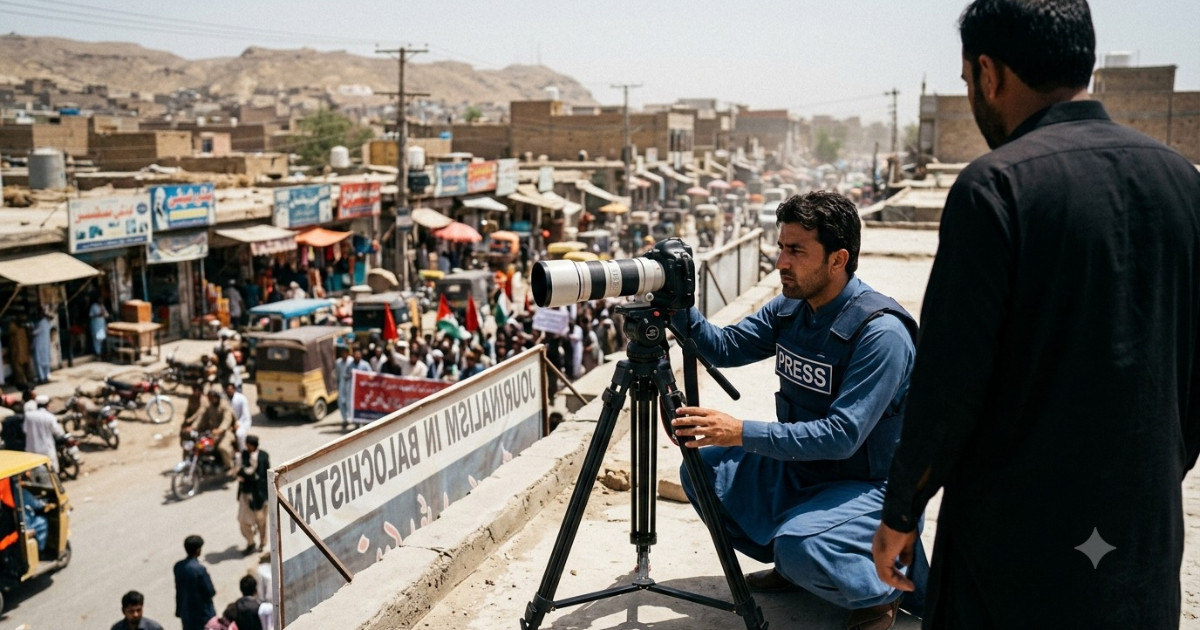
PHOTO: AI-generated; for illustrative purposes only.
Key Points
- SLAPPs are being used more frequently to challenge investigative and critical reporting across the region.
- Countries most affected include the Philippines, Thailand and Indonesia, with some high-profile precedents.
- Defamation and computer crime laws are commonly invoked, prolonging legal proceedings.
- Press freedom groups say these cases drain resources and create a chilling effect on newsroom investigations.
- Consequences include rising legal costs, editorial caution and reduced capacity for investigative journalism.
Key Questions & Answers
What is a SLAPP?
A SLAPP is a Strategic Lawsuit Against Public Participation; it is brought to intimidate or silence critics by imposing legal and financial burdens rather than to resolve legitimate legal disputes.
Which countries in Southeast Asia are most affected?
Reports identify the Philippines, Thailand and Indonesia as countries where SLAPPs against journalists and media outlets have become more frequent and consequential.
How do SLAPPs affect journalists and newsrooms?
They can drain financial and human resources, prolong legal uncertainty and lead to self-censorship or reduced investigative reporting.
What steps can media outlets take to respond?
Newsrooms often seek legal support, strengthen cross-border alliances with press freedom groups and increase transparency about legal risks; such measures can help mitigate but not eliminate the threat.
Relevant Topics
Ask AI: Understand this story your way
AI EnabledDig deeper, ask anything — get instant context, background, and clarity.
Disclaimer: This feature is powered by AI and is intended to help readers explore and understand news stories more easily. While we strive for accuracy, AI-generated responses may occasionally be incomplete or reflect limitations in the underlying model. This feature does not represent the editorial views of JournalismPakistan. For our full, verified reporting, please refer to the original article.