
BBC to cut 550 jobs as savings drive reshapes news output
JournalismPakistan.com | Published: 18 June 2026 | JP Global Monitoring
Join our WhatsApp channel
The BBC will cut 550 roles across its news, nations, television and radio divisions as part of plans to save £500 million over the next two years. Proposals include ending Radio 4 programs such as The World Tonight, merging shows, and reducing presenters.Summary
LONDON — The BBC has announced plans to cut 550 jobs across its news, nations, and television and radio content divisions as part of a broader effort to save £500 million over the next two years, marking one of the most significant restructuring programs undertaken by the public broadcaster in recent years.
The proposals, outlined by interim BBC News chief executive Jonathan Munro in a message to staff, include the closure of several long-running radio programs, changes to flagship news broadcasts, and a reduction in production and presenting roles. BBC management said the first phase of the plan would deliver around £160 million in savings, with approximately 200 job losses coming from the news division alone.
News and radio services face major changes
Among the most notable changes is the decision to end Radio 4's The World Tonight after 56 years on air. Beginning in April, listeners will instead hear a domestic news bulletin at 10 p.m., followed by a simulcast of the BBC World Service program Newshour.
Several other Radio 4 programs are also scheduled to end over the next year, including Midnight News, Money Box Live, AntiSocial, The Law Show, and Crossing Continents. On the World Service, The Inquiry, The Conversation, and The Fifth Floor will also be discontinued.
BBC One's Breakfast program will no longer air on Sunday mornings from September, while production teams behind Sunday with Laura Kuenssberg and Newsnight will be merged. The corporation also plans to reduce the number of permanent presenters on Radio 4's Today program from five to four, following the previously announced departure of Amol Rajan.
Wider review of BBC operations
The restructuring extends beyond individual programs. The BBC said it would review its television channels and radio network portfolio as audiences increasingly consume content online rather than through traditional broadcasting platforms.
Additional proposals include reducing between 100 and 150 hours of original television programming across commissioning genres by the end of the 2027-28 financial year and cutting approximately 350 to 400 hours of audio programming across stations and formats.
Friday editions of Newsnight will move to a peak-time 7 p.m. slot on BBC Two, while the BBC News Channel is expected to place greater emphasis on international audiences as viewing outside the United Kingdom continues to grow. The news website's InDepth section will also operate with a smaller team.
The BBC employs roughly 21,500 full-time staff and remains heavily dependent on licence-fee income. However, the number of television licences purchased in the United Kingdom has declined in recent years, increasing pressure on the corporation's finances.
Director-general targets £500 million in savings
BBC Director-General Matt Brittin said the measures announced this week account for only part of the overall savings target. The former Google executive, who succeeded Tim Davie in May, told staff that difficult decisions would continue across the organization.
According to the BBC, the broader plan could ultimately reduce headcount by between 1,800 and 2,000 positions. Around 700 additional roles are expected to be eliminated within corporate divisions, while the number of senior leaders across the corporation will be reduced by 10 percent.
Brittin told employees that the scale of the savings challenge meant not all changes could be implemented at once and that further proposals would be announced in the coming months.
Unions warn of impact on journalism
The announcement prompted criticism from media unions, which warned that the cuts could weaken public-service journalism and place additional strain on staff.
Philippa Childs, head of the media and entertainment union Bectu, questioned the timing of the reductions as the BBC approaches negotiations over charter renewal. The current royal charter, which defines the corporation's remit and funding framework, expires in 2027.
The National Union of Journalists described the proposals as devastating for audiences and communities. The union argued that previous rounds of cuts had already increased workloads and heightened concerns about staff burnout.
Former World Tonight presenter Robin Lustig also expressed disappointment at the decision to end the program, describing it as one of the BBC's most thoughtful news offerings. Munro acknowledged that closing the program had been difficult but said combining resources with Newshour would create efficiencies while maintaining journalistic output.
WHY THIS MATTERS: The BBC's restructuring illustrates the financial pressures confronting public-service broadcasters worldwide as audiences migrate to digital platforms and traditional funding models come under strain. For media organizations, the changes highlight the growing challenge of maintaining original journalism while reducing costs and adapting to evolving audience behavior.
ATTRIBUTION: Reporting by JournalismPakistan, based on publicly available statements and reports by BBC News on June 18, 2026.
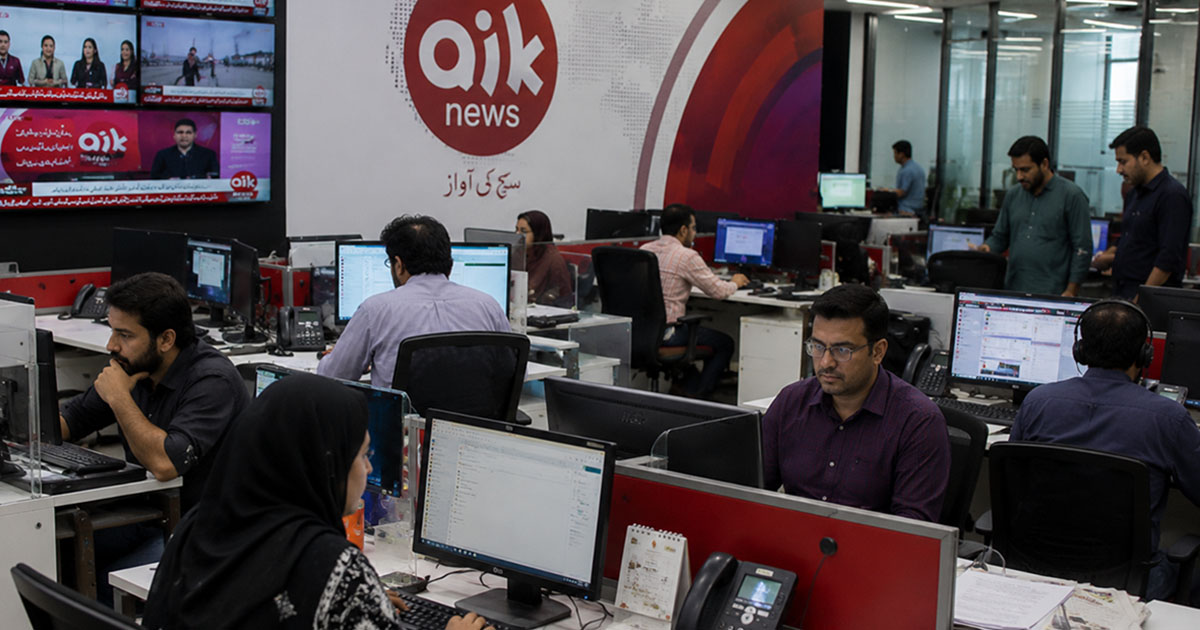
PHOTO: AI-generated; for illustrative purposes
Key Points
- BBC proposes 550 job cuts across news, nations, TV and radio to save £500m over two years.
- About 200 roles are expected to be lost in the news division in the first phase.
- Radio 4 will end long-running shows, including The World Tonight, as part of new scheduling.
- Some World Service programs will be discontinued, and presenter roles reduced.
- BBC One and news program teams will be merged or reshaped, reducing permanent presenters.
Key Questions & Answers
How many jobs will the BBC cut?
The BBC has announced plans to cut 550 jobs across news, nations, television, and radio, with around 200 losses expected in the news division in the first phase.
Which radio programs will end?
Proposals include ending Radio 4's The World Tonight and other long-running shows; several World Service programs are also scheduled to be discontinued.
How much money does the BBC aim to save?
The corporation aims to save £500 million over two years, with the first phase expected to deliver about £160 million in savings.
When will some of the changes take effect?
BBC One's Breakfast will stop Sunday broadcasts from September, alongside other timetable and staffing changes.
Ask AI: Understand this story your way
AI EnabledDig deeper, ask anything — get instant context, background, and clarity.
Disclaimer: This feature is powered by AI and is intended to help readers explore and understand news stories more easily. While we strive for accuracy, AI-generated responses may occasionally be incomplete or reflect limitations in the underlying model. This feature does not represent the editorial views of JournalismPakistan. For our full, verified reporting, please refer to the original article.