
Suno layoffs rock Pakistan TV news industry
JournalismPakistan.com | Published: 9 May 2026 | JP Staff Report
Join our WhatsApp channel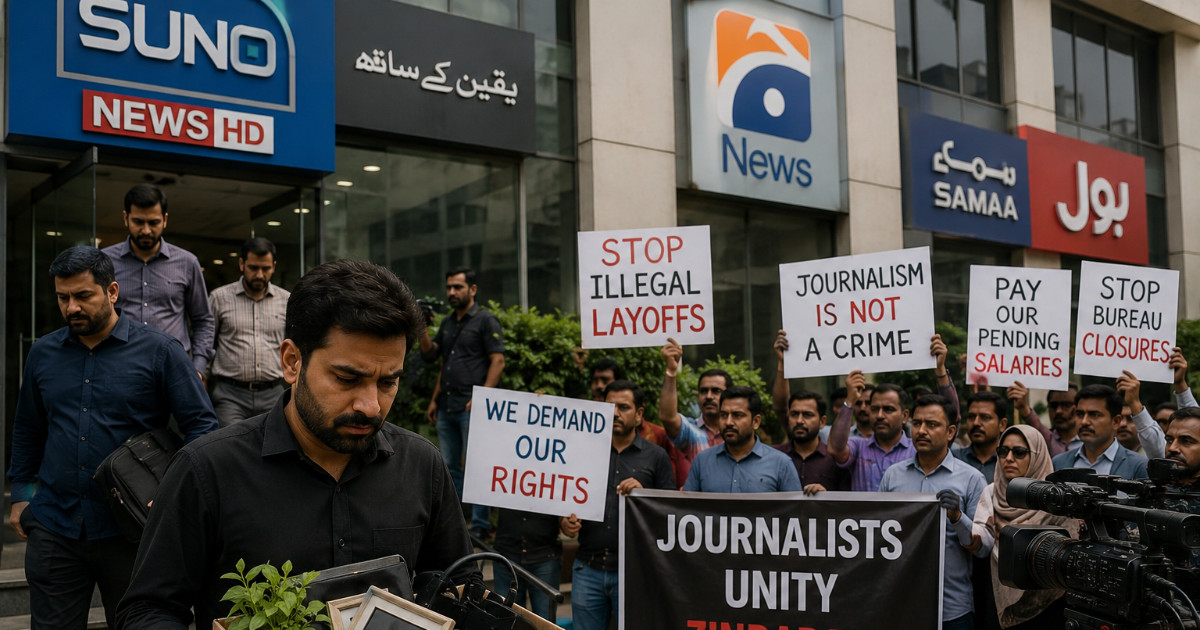
Suno News dismissed 160 staff without April pay and closed its Quetta bureau, firing nine employees; journalists' unions condemned the moves and warned of growing salary delays, retrenchments, and instability across Pakistan's TV news sector.Summary
ISLAMABAD — Pakistan’s television news industry is facing a widening employment and salary crisis after Suno News TV dismissed around 160 employees without paying April salaries, shut down its Quetta bureau, and terminated nine staff members, prompting strong condemnation from journalists’ unions and renewed scrutiny of labor practices across the media sector.
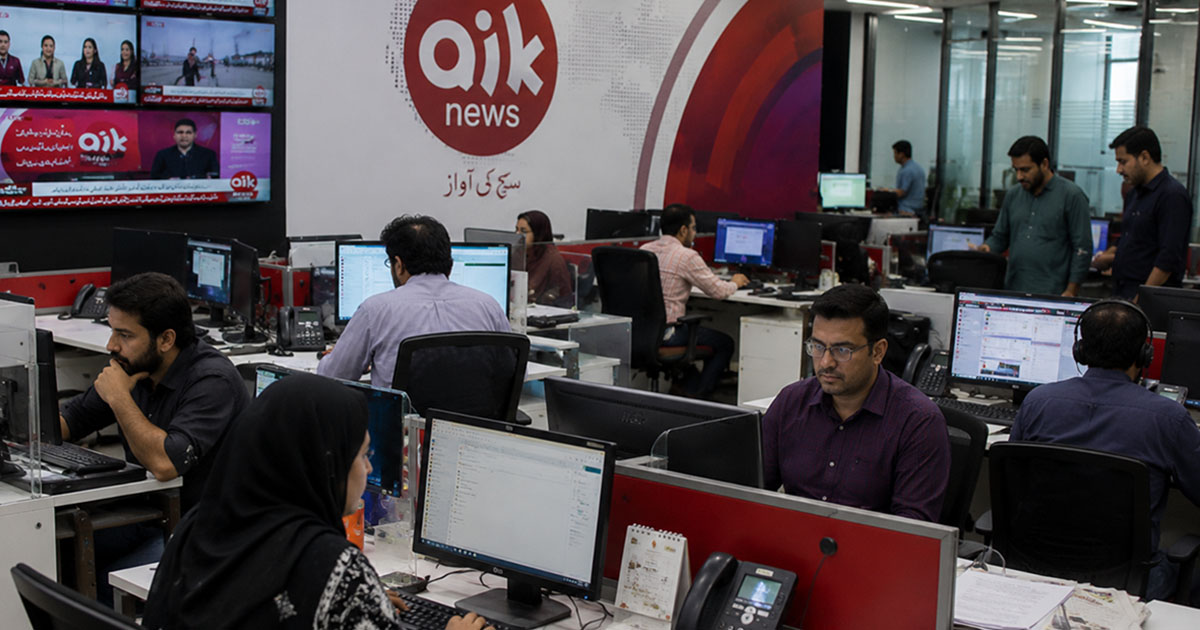
The dismissals at Suno News affected multiple departments, including six reporters from the Islamabad bureau, four camera operators, a senior copy editor, technical staff, drivers, a receptionist, a makeup artist, and other employees. Journalists familiar with the situation said some current affairs programs had also been suspended as part of the restructuring.
The latest cuts add to a growing wave of retrenchments, delayed salaries, and bureau closures that unions say are destabilizing Pakistan’s media landscape and placing mounting pressure on journalists and technical workers already facing financial uncertainty.
Quetta bureau closure sparks backlash
In Quetta, the Balochistan Union of Journalists (BUJ) strongly condemned the closure of the Suno News bureau and the dismissal of nine employees, including journalists, reporters, and camera operators. The union described the move as “tyrannical, oppressive, and illegal” in a joint statement issued by BUJ President Manzoor Ahmed Rand, General Secretary Shah Hussain Tareen, and members of the organization’s executive bodies.
According to the BUJ, the closure left at least two reporters and two camera operators unemployed and reflected a broader pattern of television channels scaling back operations in Balochistan. The union said previous closures by channels including Dawn TV, 24 News, BOL News, Capital TV, Public News, and Aaj Tak News had already severely reduced media coverage capacity in the province.
The BUJ argued that major broadcasters were increasingly relying on minimal staffing in Balochistan despite the province’s size and security challenges, often retaining only a single reporter or cameraman for coverage. The union also criticized federal authorities and regulators for failing to intervene against what it described as repeated illegal dismissals and bureau shutdowns.
Unions warn of protests and legal pressure
The union warned that protests would be organized against the decision and called on the federal government, the Ministry of Information and Broadcasting, PEMRA, the Senate Standing Committee on Information and Broadcasting, and the Pakistan Federal Union of Journalists (PFUJ) to intervene immediately.
It also appealed to political parties to boycott television channels that have closed bureaus and terminated staff in Balochistan, while urging lawmakers to raise the issue in parliament.
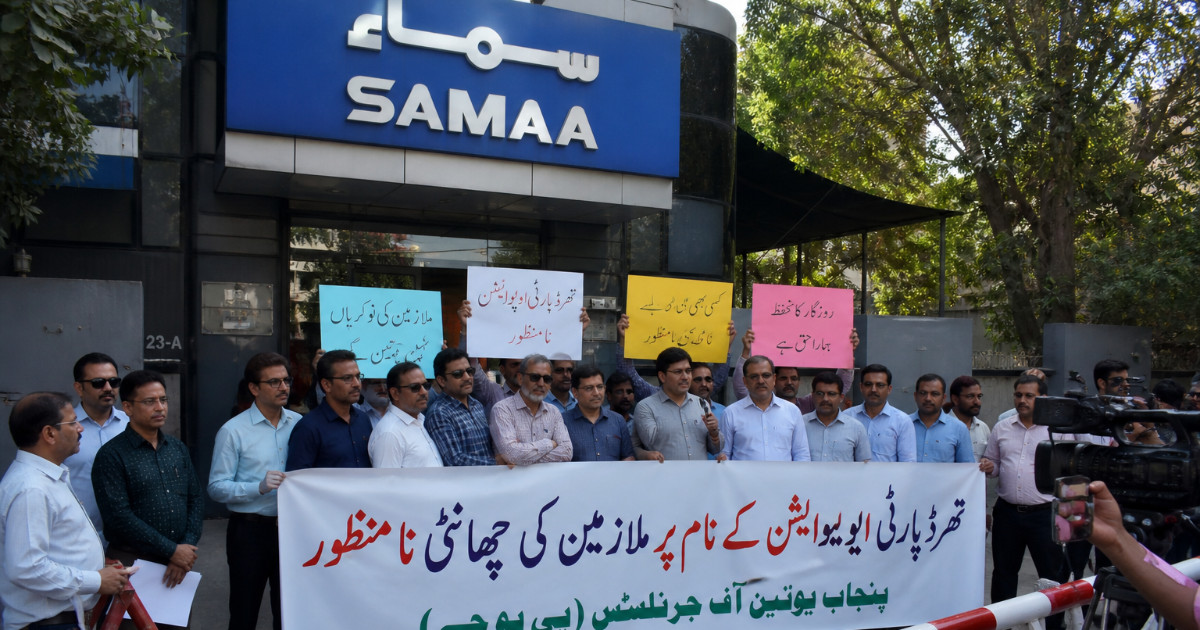
Meanwhile, the Rawalpindi-Islamabad Union of Journalists (RIUJ) said layoffs and operational strain were also affecting Samaa News, Dunya News, Neo News, and BOL News. According to the RIUJ, selective layoffs at Samaa News bureaus have increased workload pressures on remaining staff, while Dunya News has reportedly reduced technical and engineering positions.
The RIUJ additionally highlighted severe salary delays at Neo News, BOL News, and Suno News, demanding immediate payment of outstanding wages and stricter enforcement of labor laws. The union reiterated its long-standing demand that government advertising allocations should be linked to timely salary payments by media organizations.
Industry instability spreads across channels
The latest dismissals follow several rounds of layoffs reported across Pakistan’s television industry in recent months.
In March, eight journalists from Abb Takk News’ Islamabad bureau were dismissed shortly before Eid, including reporters and assignment editors. The Karachi Union of Journalists (KUJ) also condemned what it called illegal nationwide layoffs at Aaj TV, alleging employees across multiple cities were terminated without notice and left unpaid for months.
In April, at least 14 employees were reportedly terminated from Aaj News’ Islamabad operations amid newsroom restructuring and salary concerns, drawing criticism from the RIUJ. The same month, journalists reported layoffs at Urdu News, a Saudi media group’s Urdu-language outlet operating in Pakistan, citing financial pressures.
Journalists’ organizations say the current crisis extends beyond individual channels and reflects structural financial instability in Pakistan’s broadcast sector, where shrinking advertising revenue, rising operational costs, and digital competition have intensified pressure on television newsrooms.
The contraction has also affected digital and legacy media outlets. Last year, layoffs were reported at NewsOne and the digital platform Nukta, while DawnNews.tv ceased operations, marking another significant reduction in television news capacity.
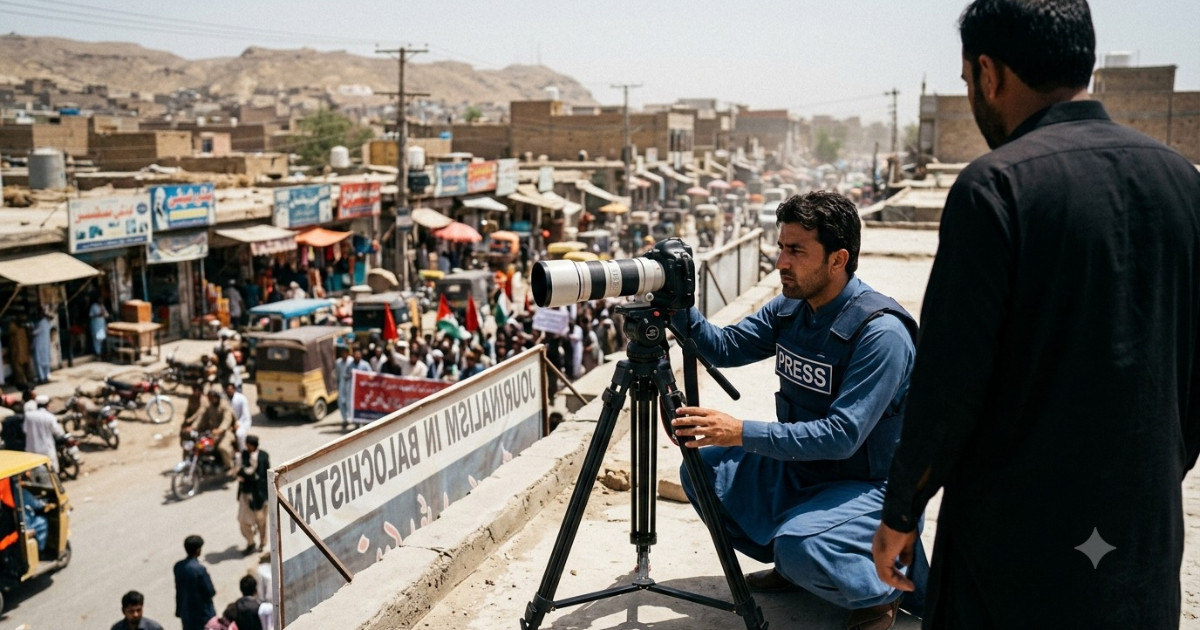
Media analysts say repeated bureau closures could weaken regional reporting, particularly in underserved provinces such as Balochistan, where local coverage already faces logistical, economic, and security constraints.
WHY THIS MATTERS: The latest wave of layoffs highlights growing economic fragility within Pakistan’s television industry and raises concerns about the sustainability of regional journalism. For Pakistani journalists and newsroom managers, the trend underscores the risks posed by shrinking revenues, delayed salaries, and consolidation of news operations, particularly outside major urban centers. The closures may also reduce on-ground reporting capacity in sensitive regions where independent coverage is already limited.
ATTRIBUTION: Reporting by JournalismPakistan, based on publicly available statements from the Balochistan Union of Journalists, Rawalpindi-Islamabad Union of Journalists, Punjab Union of Journalists, and Karachi Union of Journalists issued between March and May 2026.
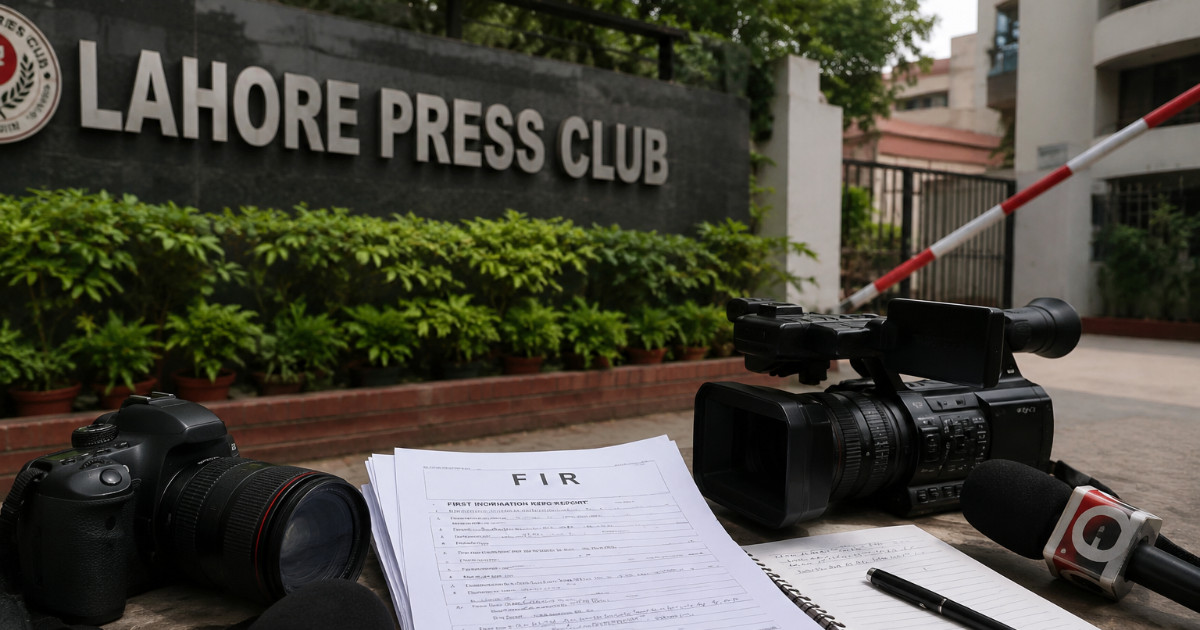
PHOTO: AI-generated; for illustrative purposes only.
CORRECTION: An earlier version of this story incorrectly stated that Geo News had closed its Quetta bureau. The bureau closure involved Suno News, not Geo News. The story has been updated accordingly. JournalismPakistan regrets the error.
Key Points
- Suno News dismissed about 160 staff and reportedly withheld April salaries.
- The channel closed its Quetta bureau and terminated nine employees, including reporters and camera operators.
- The cuts affected multiple departments and led to the suspension of some current affairs programs.
- Journalists' unions condemned the moves as oppressive and illegal, issuing strong statements.
- Unions warn that the retrenchments, delayed pay, and bureau closures are destabilising Pakistan's media landscape.
Key Questions & Answers
What exactly happened at Suno News?
Suno News dismissed around 160 employees and reportedly did not pay April salaries; it closed its Quetta bureau and terminated nine staff members.
How many media workers were affected?
About 170 employees at Suno News and nine employees in the Quetta bureau were reported to have been dismissed.
How have journalists' unions responded?
Unions condemned the dismissals as tyrannical and illegal, issued joint statements, and called attention to broader labour rights concerns.
What are the wider implications for Pakistan's media sector?
Unions say these actions add to a trend of delayed salaries, retrenchments, and bureau closures that risk destabilising news organisations and workers' livelihoods.
Relevant Topics
Ask AI: Understand this story your way
AI EnabledDig deeper, ask anything — get instant context, background, and clarity.
Disclaimer: This feature is powered by AI and is intended to help readers explore and understand news stories more easily. While we strive for accuracy, AI-generated responses may occasionally be incomplete or reflect limitations in the underlying model. This feature does not represent the editorial views of JournalismPakistan. For our full, verified reporting, please refer to the original article.