
Reuters bureau chief found dead in Islamabad
JournalismPakistan.com | Published: 23 February 2015
Join our WhatsApp channel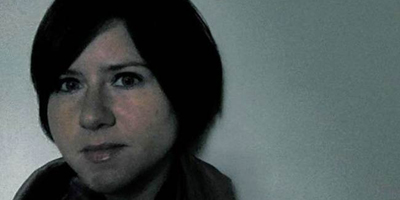
Maria Golovnina, a prominent journalist and Bureau Chief for Reuters in Islamabad, was pronounced dead after collapsing in her office. The cause of death remains unknown, pending a postmortem examination.Summary
ISLAMABAD: Reuters Bureau Chief for Pakistan and Afghanistan, Maria Golovnina was found dead on Monday under mysterious circumstances.
According to Reuters, Golovnina, a Russian journalist, fell unconscious in the bureau office. She was rushed to Kulsum International Hospital but the doctors could not save her.
Dr Ayesha Ishani, spokesperson for Pakistan Institute of Medical Sciences (PIMS) said: “It’s premature to say anything about the cause of the death. Doctors will carry out a postmortem before handing over the body to the Russian authorities,” she said.
Meanwhile Reuters said in a press release: "We are saddened to announce that Maria Golovnina, Reuters Bureau Chief for Afghanistan and Pakistan, passed away on Monday. She was 34. Maria fell unconscious in the Islamabad bureau. An ambulance arrived quickly and she was rushed to Kulsum International Hospital, but medical teams were unable to save her.
"Maria was a superb journalist with a long and varied career at Reuters. A fluent Japanese and Russian speaker, she joined Reuters in Tokyo in 2001 and subsequently worked in postings around the world including London, Singapore, Moscow, Afghanistan and Iraq.
"In 2013, Maria became Bureau Chief for Afghanistan and Pakistan, and led her team through an impressive run of exclusives and insights. Her talents, energy and can-do spirit will be sorely missed," the release said.
Key Points
- Maria Golovnina was 34 years old at the time of her death.
- She fell unconscious in the Reuters bureau in Islamabad.
- Emergency medical assistance was unsuccessful in saving her.
- She had a diverse and notable career in journalism, joining Reuters in 2001.
- Authorities will conduct a postmortem before releasing her body.
Relevant Topics
Ask AI: Understand this story your way
AI EnabledDig deeper, ask anything — get instant context, background, and clarity.
Disclaimer: This feature is powered by AI and is intended to help readers explore and understand news stories more easily. While we strive for accuracy, AI-generated responses may occasionally be incomplete or reflect limitations in the underlying model. This feature does not represent the editorial views of JournalismPakistan. For our full, verified reporting, please refer to the original article.