
Property tycoon Malik Riaz eyes media move to protect his name
JournalismPakistan.com | Published: 29 March 2016
Join our WhatsApp channel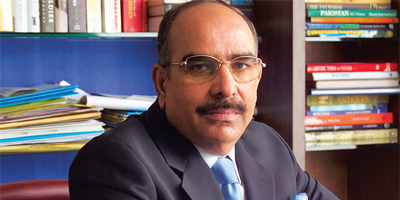
Malik Riaz Hussain is set to launch a media empire to combat accusations of corruption and safeguard his reputation. Known for his connections with politicians and the military, he aims to use media to promote his interests and highlight his charitable work.Summary
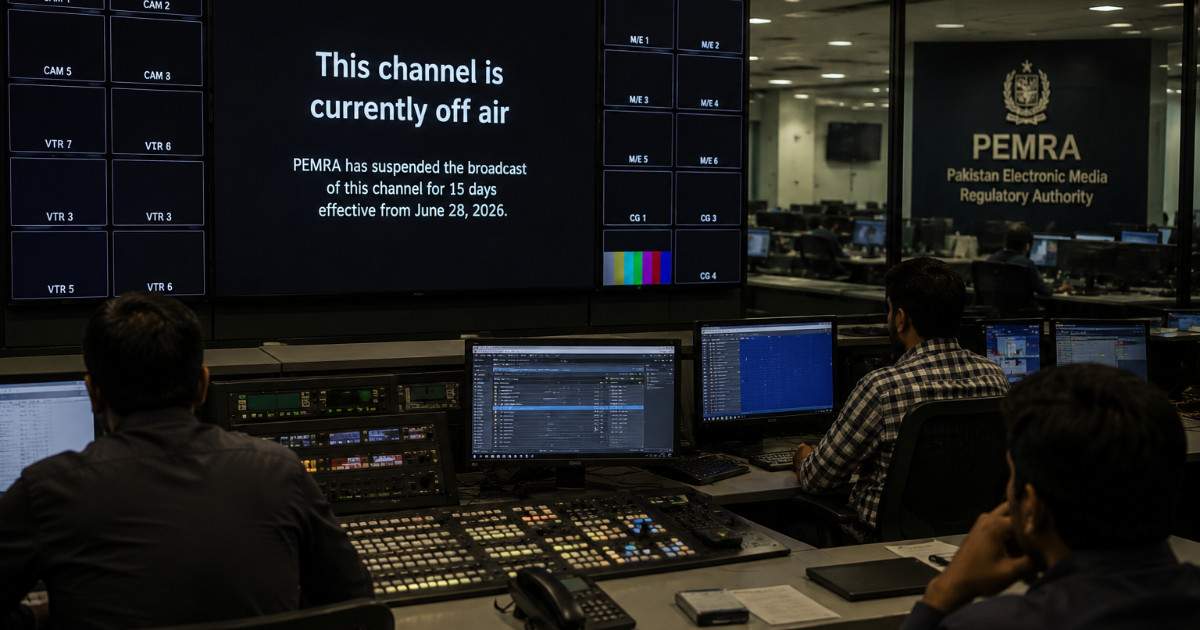
ISLAMABAD - Pakistani property developer Malik Riaz Hussain, a flamboyant tycoon who boasts of connections with top military brass and senior politicians, plans to move into media to protect himself from those who accuse him of wrongdoing. Hussain is one of the country's richest and most powerful businessmen, a billionaire who has been caught up in corruption investigations and who is also well known for upmarket gated housing communities and charitable activities. Now the 66-year-old wants to build a media empire, which he hopes he can use to promote his own commercial interests and fend off those trying to tarnish his name. "I will go into media very soon. I will launch many TV channels, not one," Hussain told Reuters in a rare interview earlier this month at his Bahria Town housing development, just outside the capital Islamabad. "To stop blackmailers, I have decided that there is no way but to go into media." A world away from the chaotic, dirty streets of most Pakistani towns and cities, Bahria Town features giant replicas of the Eiffel Tower and the Statue of Liberty. The roads are clean and smooth, grass is imported from Thailand and private guards provide round-the-clock security. Bahria Town is larger than the capital itself, and is part of a property portfolio that includes more than 40,000 acres of developments across the country and pays salaries to 60,000 employees. Corruption is seen as a major problem in Pakistan, ranked 117th out of 168 countries in Transparency International's Corruption Perceptions Index. The real estate business is seen as a major part of the problem, with land grabs by the government, military and businesses seen as rife. Hussain says he is Pakistan's sixth largest tax payer. He also publicly states that he has paid bribes to top politicians, judges and even members of the feared ISI intelligence agency. The publicity wing of the military, which answers for the ISI, declined to comment on Hussain's allegations. "If I tell you the amount of the biggest bribe I have ever paid, you will have a heart attack," Hussain said. In a public deposition in 2012 that hit Pakistani headlines, he said he had bankrolled the playboy lifestyle of the son of the country's chief justice in return for favorable treatment in court cases related to his empire. The case is ongoing, though it has stalled. Hussain also currently faces several investigations by the national corruption watchdog. Among the allegations against him are illegally grabbing land and using favor with politicians to have state-owned property allotted to him at throwaway prices. When asked about Hussain, the National Accountability Bureau said it did not comment on individual cases. Hussain denies wrongdoing, and says he needs the platform of television news channels to help defend his reputation. "I don't want to go into media, but there is no other way to handle this." He hopes a presence in Pakistan's young and boisterous news sector could also highlight his charitable contributions. Hussain previously held the license to BOL TV, a fledgling news channel, before he transferred it to software company Axact in 2013, documents from the national media regulatory body show. Hussain denies ever being involved in BOL. The channel was closed last year after the government launched an inquiry into Axact's business practices. Spurred by new technology and largely untouched by censors, Pakistan's broadcast media has flourished in recent years. Between 2002 and 2013, the state issued 89 broadcasting licenses. Television news channels are largely in Urdu, giving media groups influence over most of Pakistan's 190 million people. Hussain's accumulation of wealth is emblematic of Pakistan's nexus of money and connections. He started his career 30 years ago as a contractor who once sold his family silverware to take his infant daughter to hospital. His big break came in 1979 when he borrowed 1,500 rupees ($14.34) from a friend and applied for a contract with the military's engineering wing. That connection led to a long-standing relationship with the powerful military, Pakistan's largest landowner and contractor. Currently, he has five joint development projects with the army spread over thousands of acres. Recent chatter among Pakistan's elite suggests that Hussain may be losing his influence with the military under the country's army chief General Raheel Sharif. The military declined to comment. Hussain dismissed such rumors. "If I didn't have relations with Raheel Sharif, the joint ventures would have shut down, wouldn't they?" Hussain said. "I am friends with the army, I am friends with the institution." - Reuters
Related posts from JournalismPakistan.com Archives:
Malik Riaz plans to launch four TV channels: paper
BOL denies Malik Riaz connection
Key Points
- Malik Riaz plans to launch multiple TV channels in Pakistan.
- He faces various corruption investigations and denies any wrongdoing.
- Bahria Town, his major development project, is one of Pakistan's largest housing communities.
- Hussain claims to be among the top tax payers in Pakistan.
- He previously held the license for BOL TV before transferring it in 2013.
Relevant Topics
Ask AI: Understand this story your way
AI EnabledDig deeper, ask anything — get instant context, background, and clarity.
Disclaimer: This feature is powered by AI and is intended to help readers explore and understand news stories more easily. While we strive for accuracy, AI-generated responses may occasionally be incomplete or reflect limitations in the underlying model. This feature does not represent the editorial views of JournalismPakistan. For our full, verified reporting, please refer to the original article.