.png)
Pressures, probes shake Pakistan media in February
JournalismPakistan.com | Published: 1 March 2026 | JP News Desk
Join our WhatsApp channel
In February 2026 Pakistan's media faced intensified legal and economic pressure as anchors were pulled from broadcasts, PECA cases and detentions were reported, and private channels reported salary delays; court actions and regulatory probes added uncertainty.Summary
ISLAMABAD — Pakistan’s media landscape faced renewed turbulence in February 2026, with senior journalists taken off air, fresh legal battles unfolding in higher courts, salary delays deepening across private channels, and international press freedom groups urging urgent reforms.
The developments span broadcast restrictions, cybercrime cases under the Prevention of Electronic Crimes Act (PECA), labor disputes, and regulatory interventions, reflecting a pattern of legal, economic, and administrative pressures confronting journalists and media organizations nationwide.
Broadcast absences and legal uncertainty raise concerns
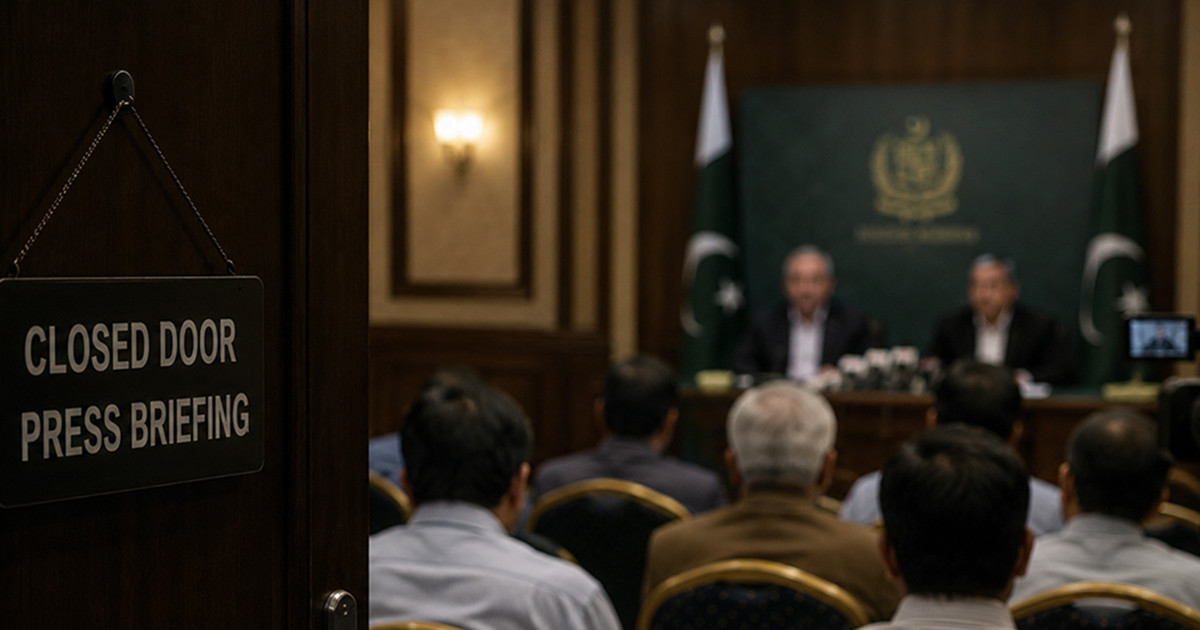
Questions over shrinking television space resurfaced after senior anchor Nasim Zehra was reportedly taken off air from Channel 24 without a public explanation. Journalist Hamid Mir publicly asked on X why Zehra had not hosted her program and who had pressured the channel, arguing that any allegations should be addressed through formal legal processes rather than bans.
In another significant judicial development, the Federal Constitutional Court of Pakistan disposed of the suo moto case concerning the October 23, 2022, killing of Arshad Sharif in Kenya, ruling it lacked jurisdiction to continue oversight of the cross-border investigation. Sharif was shot dead near Nairobi after leaving Pakistan amid legal cases and threats linked to his reporting. Kenyan authorities initially described the incident as mistaken identity, but a Kenyan High Court later found the use of force unlawful.
Separately, journalist Bilal Ghauri was briefly detained at Karachi’s Jinnah International Airport after his name appeared on the Exit Control List, preventing him from traveling to Dhaka to cover Bangladesh’s February 12 parliamentary elections. Images shared by journalists showed him seated beside his luggage, sparking concern. Ghauri later stated on X that the episode resulted from a technical error and that no institution was at fault.
Cybercrime cases and court interventions intensify
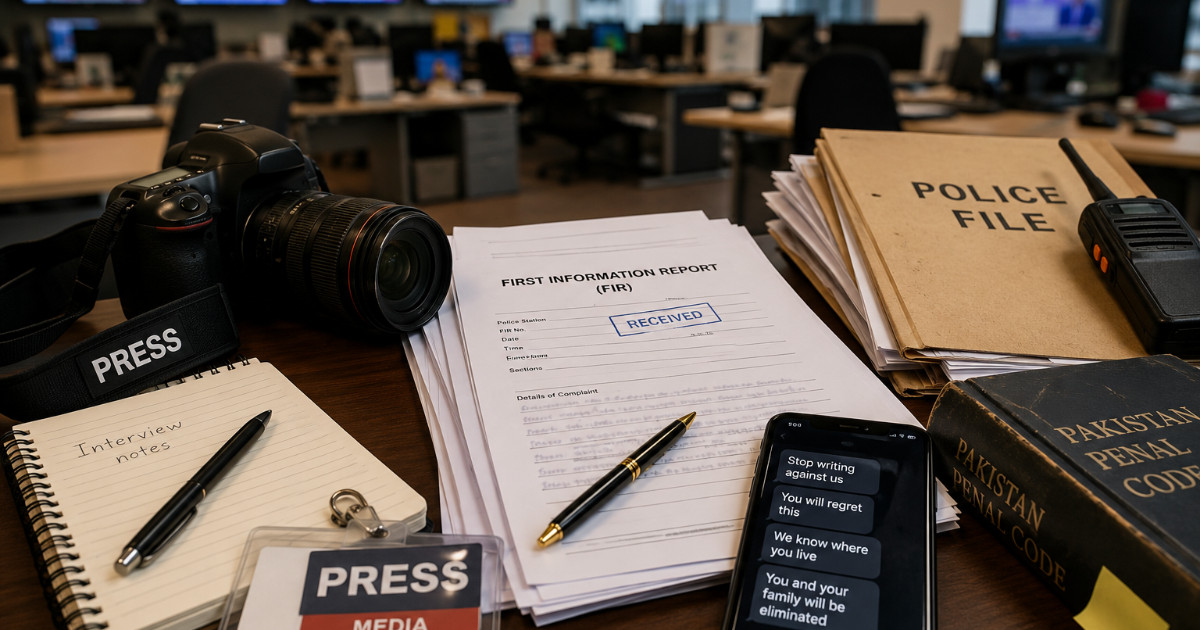
Legal proceedings under PECA continued to dominate headlines. The Supreme Court of Pakistan granted bail to journalist Sohrab Barkat in FIR No. 179/2025, a decision confirmed by his lawyer Saad Rasool after earlier rejection by the Lahore High Court. However, Barkat remained in custody as the National Cyber Crime Investigation Agency moved to cancel bail in another case, FIR No. 330/2025, through a lower court order. Rasool has challenged the cancellation before the Islamabad High Court, which has issued notices.
Authorities subsequently registered a fourth FIR against Barkat, extending his detention to nearly 90 days since his November 26, 2025, arrest at Islamabad International Airport. The latest FIR alleges dissemination of “obnoxious and intimidating content” against state institutions through his X account, language frequently invoked in PECA-related prosecutions.
In a separate case, senior journalist Matiullah Jan secured a key forensic report from the Punjab Forensic Science Agency indicating that material cited as narcotics was not crystal meth. The Islamabad High Court bench of Justice Arbab Tahir and Justice Inam Amin Minhas noted that the absence of narcotics would undermine the basis for that charge. It remanded the matter to the trial court for a supplementary challan, marking a significant procedural shift.
Journalist Khurram Iqbal, a producer with Hum News’ Islamabad bureau, was taken from a residence in Lahore by individuals in plain clothes, according to family accounts. He was later released by officials of the National Cyber Crime Investigation Agency following public concern from media bodies.
Financial strain and regulatory scrutiny mount
Economic pressures deepened across private broadcasters. Staff at Aaj News, 365 News, and NewsOne reported prolonged salary delays, with Aaj News employees stating they had not received pay for three months. Sources indicated possible layoffs in Karachi and Quetta. Morning show host Sidra Iqbal is no longer with Aaj News, though the channel has not publicly detailed the circumstances.
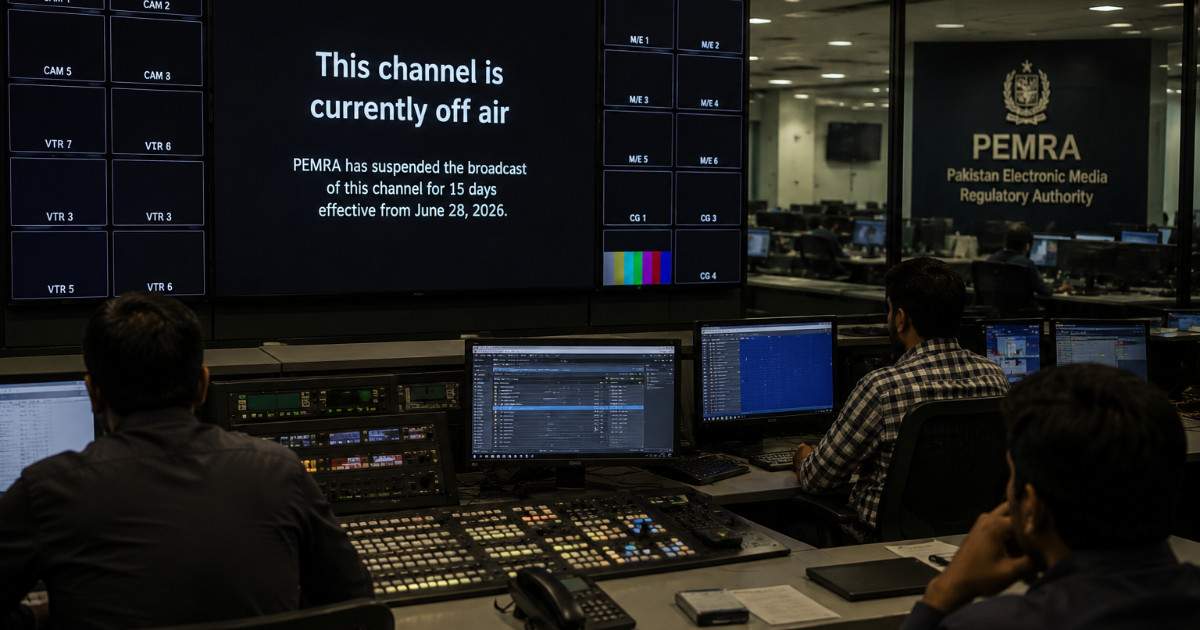
The Pakistan Electronic Media Regulatory Authority directed satellite television licensees to clear delayed staff salaries ahead of Eid ul-Fitr, following a complaint by the Rawalpindi-Islamabad Union of Journalists. The directive signals regulatory acknowledgment of worsening labor conditions in newsrooms.
At the state-run Pakistan Television Corporation, federal auditors flagged alleged irregularities in anchor hiring and payments in the 2024-25 Audit Report, including appointments without formal contracts or documented evaluation procedures. The findings raise questions about transparency and financial controls at the public broadcaster.
Meanwhile, senior journalists at Dawn publicly urged management to release a legally mandated annual staff bonus reportedly withheld since mid-December, intensifying scrutiny of labor practices within one of Pakistan’s leading newspapers.
International concern and industry shifts
International organizations, including the Committee to Protect Journalists, Reporters Without Borders, PEN America, and the International Press Institute, issued a joint appeal to Prime Minister Shehbaz Sharif, urging concrete steps to reverse what they described as deteriorating press freedom conditions.
In the corporate arena, senior officials confirmed that the ARY Group is close to acquiring Nukta, the Dubai-headquartered digital platform launched by Kamran Khan. If finalized, the deal would mark a notable consolidation move in Pakistan’s digital news sector.
The cumulative effect of these developments highlights a media environment shaped by legal uncertainty, economic fragility, and regulatory oversight, with consequences for newsroom stability and editorial independence.
WHY THIS MATTERS: The convergence of legal cases, salary delays, and regulatory directives underscores structural vulnerabilities in Pakistan’s media ecosystem. For Pakistani journalists and newsroom managers, the month’s events highlight the growing importance of legal preparedness, transparent labor practices, and diversified revenue models to withstand political and financial pressures.
ATTRIBUTION: This roundup is based on reporting by JournalismPakistan, drawing on publicly available court orders and proceedings of the Supreme Court of Pakistan and Islamabad High Court, the Audit Report 2024-25, official statements by the Pakistan Electronic Media Regulatory Authority, and publicly documented statements and social media posts by journalists, lawyers, and international press freedom organizations.
PHOTO: AI-generated; for illustrative purposes only.
Key Points
- Senior anchor Nasim Zehra was reportedly taken off air from Channel 24, prompting public questions from journalist Hamid Mir.
- The Federal Constitutional Court disposed of the suo moto case into Arshad Sharif's killing, saying it lacked jurisdiction to continue oversight.
- PECA cybercrime cases and reported detentions, including the brief detention of journalist Bilal Ghauri in Karachi, heightened legal pressures.
- Private channels reported salary delays, deepening economic strain, and labor disputes across the industry.
- Regulatory interventions and court rulings prompted international press freedom groups to urge urgent reforms.
Key Questions & Answers
Why was Nasim Zehra taken off air?
There was no public explanation; journalist Hamid Mir publicly asked who had pressured the channel and urged that allegations be handled through legal channels.
What did the Federal Constitutional Court decide about the Arshad Sharif case?
The court disposed of the suo moto case on the October 23, 2022 killing, ruling it lacked jurisdiction to continue oversight of the cross-border investigation.
What legal measures have affected journalists?
Authorities have used Prevention of Electronic Crimes Act (PECA) cybercrime cases and other probes; detentions of journalists were also reported during the month.
How have economic issues impacted media staff?
Private channels reported salary delays, which deepened financial strain on journalists and contributed to labor disputes across outlets.
Ask AI: Understand this story your way
AI EnabledDig deeper, ask anything — get instant context, background, and clarity.
Disclaimer: This feature is powered by AI and is intended to help readers explore and understand news stories more easily. While we strive for accuracy, AI-generated responses may occasionally be incomplete or reflect limitations in the underlying model. This feature does not represent the editorial views of JournalismPakistan. For our full, verified reporting, please refer to the original article.