

Press freedom under siege as arrests and reprisals mount
JournalismPakistan.com | Published: 23 August 2026 | JP News Desk
Join our WhatsApp channel
This Tracker shows mounting pressure on journalism across several countries through arrests, detentions, legal actions and economic insecurity. Courts, media groups and some officials offered limited interventions but lasting reform remains uncertain.Summary
Editor’s note
This week’s JournalismPakistan Global Press Freedom Tracker shows how pressure on journalism can move between direct coercion and quieter forms of administrative control. Journalists were arrested in the occupied West Bank. They remained in prolonged detention in Pakistan, while cybercrime investigations, anti-terrorism measures, criminal prosecutions, licensing restrictions, and broadcast proceedings placed media freedom under pressure across several countries.
Economic insecurity emerged as a parallel threat. Layoffs, contract terminations, and unsafe working conditions demonstrate how employment precarity can weaken journalist safety and editorial independence. Courts, media organizations, and Bangladesh’s new information minister sent counter-signals, but most were interim interventions, public commitments, or unresolved legal challenges rather than lasting reform.
Arrests, detentions, and kidnappings
PALESTINE — Israeli forces arrested Palestinian journalist Abdulrahman Abdul Karim Mohammed Hassan, 39, during a raid in Bethlehem. No charges or grounds for his detention were publicly disclosed. (WAFA, August 19, 2026)
Why it matters: The arrest highlights the risks Palestinian journalists face during military operations and raises concerns about access to legal safeguards and the disruption of independent reporting from the occupied West Bank.
PAKISTAN — The Human Rights Council of Pakistan demanded disclosure of the legal grounds for holding journalist Razi Tahir. CPJ reported that Tahir and journalist Muhammad Saif were taken from their Islamabad office on August 1, with limited public information subsequently available about their legal status. (Human Rights Council of Pakistan on X, August 20, 2026; CPJ, August 5, 2026)
Why it matters: Uncertainty surrounding the legal basis and status of detained journalists can increase the risks faced by reporters covering protests, political unrest and other sensitive subjects.
PAKISTAN — Kashmiri journalist and poet Ahmad Farhad had completed 48 hours of a hunger strike after spending 62 days in custody, his wife, Arooj Zainab, said on August 21. She claimed that his vital signs were falling and his health was deteriorating, while journalists Eisar Rana and Shakir Awan called for his release. No independent medical confirmation was immediately available. (Arooj Zainab on X, August 21, 2026; Front Line Defenders, July 7, 2026)
Why it matters: Farhad’s prolonged confinement and reported hunger strike intensify concerns about preventive detention being used against journalists covering political protests. The absence of independently available medical information also raises questions about transparency and detainee welfare.
Legal and regulatory pressure
PAKISTAN — Freedom Network documented 11 threats and violations against journalists and media practitioners in July, six of which involved PECA or investigations by the National Cyber Crime Investigation Agency. Punjab accounted for six cases, while state actors were suspected in seven of the 11 incidents. (Freedom Network, August 17, 2026)
Why it matters: The concentration of cases involving PECA and NCCIA suggests that legal and investigative processes are becoming central press freedom concerns in Pakistan. Summonses, inquiries, FIRs and arrests can pressure journalists before courts determine whether any offense occurred.
INDIA — Gujarat Police searched independent journalist Ravi Nair’s residences in Delhi and Kerala on August 17 and seized phones, laptops and a tablet during an investigation arising from his social media posts about a Washington Post report on the Adani Group. Devices belonging to Nair’s son and a colleague were also taken, although neither is accused in the case. The Press Club of India and DIGIPUB raised concerns about the reported failure to provide hash values for the seized equipment. (Press Club of India and DIGIPUB News India Foundation, August 18, 2026)
Why it matters: The seizures raise concerns about confidential-source protection, the integrity of digital evidence and the proportionality of searches involving journalistic material. Such investigations can increase the risks faced by reporters examining powerful corporate or political interests.
BANGLADESH — The International Crimes Tribunal-2 issued production warrants for detained journalists Shyamal Dutta, Mozammel Haque Babu and Farzana Rupa, ordering them to appear on August 24 in a crimes against humanity case linked to their alleged statements and media activity during the July 2024 uprising. (JusticeMakers Bangladesh in France, August 19, 2026; Committee to Protect Journalists, August 18, 2026)
Why it matters: Prosecuting journalists under international-crimes legislation for commentary or editorial conduct could expose media workers to exceptionally severe penalties and discourage reporting on politically contested events. Press freedom groups have urged authorities to present credible evidence of individual criminal responsibility or drop the case.
KAZAKHSTAN — Former Orda editor-in-chief Gulnara Bazhkenova was sentenced to eight years in prison on August 18 after being convicted of disseminating false information, embezzlement and illegal business activity. The prison term was deferred for two years because she has a minor child, but the court imposed a five-year ban on journalism and other public activities. Bazhkenova denies the charges and plans to appeal. (Committee to Protect Journalists, August 19, 2026)
Why it matters: The lengthy sentence and broad professional ban could remove a prominent independent journalist from public life and reinforce self-censorship during an increasingly restrictive political period.
UNITED STATES — The NewsGuild-CWA and other organizations filed a federal lawsuit seeking to block a Department of Homeland Security rule that would replace open-ended status for foreign media representatives with fixed admission periods and recurring extension applications. (The NewsGuild-CWA, August 18, 2026; International Federation of Journalists, August 20, 2026)
Why it matters: Making foreign correspondents dependent on frequent government approvals could disrupt long-term assignments and create a chilling effect on independent coverage of US affairs.
PAKISTAN — Journalist Danish Irshad was placed on the Fourth Schedule under anti-terrorism law in Pakistan-administered Jammu and Kashmir over alleged links with the Jammu Kashmir Joint Awami Action Committee. The July 29 notification reportedly contains no specific allegation against him, and Irshad said he learned of the order through social media rather than receiving it formally. (Human Rights Council of Pakistan on X, August 20, 2026; Kashmir Times, August 21, 2026)
Why it matters: The use of counter-terrorism powers against a journalist can expose reporters to surveillance and restrictions while discouraging coverage of protests, state actions, and human rights conditions.
Attacks, threats, and harassment
KENYA — Two AFP journalists were attacked by an armed group while covering political activity in Homa Bay on August 16. Media equipment and other belongings were reportedly stolen. (AFP and Nation Africa, August 16–17, 2026)
Why it matters: Violence against reporters can disrupt independent newsgathering and restrict the public’s access to information. Credible investigations and accountability are particularly important as political activity intensifies ahead of Kenya’s 2027 general election.
Censorship and digital restrictions
IRAN — The judiciary barred the YouTube debate program Azad from publishing new interviews and opened a case against its founder and host, Mehdi Ahmadi, over alleged false information and unlicensed media activity. Ahmadi was released on bail but prohibited from working in the media until he obtains official authorization. (Mizan and AFP, August 17–18, 2026)
Why it matters: The action demonstrates how licensing requirements and broadly framed allegations of false information can restrict independent online journalism and public discussion.
PAKISTAN — The Pakistan Telecommunication Authority blocked 495,747 URLs between June 1, 2021, and June 30, 2026, according to figures provided to the National Assembly. Of the 645,329 URLs processed for blocking, 60,105 remained under review. The parliamentary response said the PTA had not assessed the impact of internet restrictions on digital rights, business activity, exports, freelancing, foreign investment or international internet-freedom rankings. (National Assembly written response, August 2026)
Why it matters: The scale of blocking highlights the reach of Pakistan’s online-content controls and their potential implications for access to information, digital journalism and freedom of expression. The absence of an official impact assessment leaves wider consequences unresolved.
Policy and court developments
IRAN — Parliament approved the general principles of legislation that would criminalize interviews and other communication with media deemed “hostile,” including US- and Israeli-based or funded outlets. Proposed violations could carry prison terms of six months to two years, but the bill’s individual provisions remain subject to further parliamentary consideration. (International Federation of Journalists, August 20, 2026; Reuters, August 16, 2026)
Why it matters: Restrictions on contact with foreign media could expose journalists, sources and other citizens to prosecution, creating a chilling effect on cross-border reporting and access to information.
PAKISTAN — The Sindh High Court restrained the National Cyber Crime Investigation Agency from taking coercive action against Raftar founder and CEO Farhan Mallick and producer Hafiz Minhaj Afzal. They had been summoned over an online defamation and harassment complaint linked to a documentary. The court sought replies after their counsel argued that the notices did not identify the disputed content or disclose the underlying complaint. (JournalismPakistan.com and Sindh High Court proceedings, August 19, 2026)
Why it matters: The intervention highlights the importance of clear allegations and procedural protections when cybercrime authorities investigate journalistic content. Unspecified summonses can expose journalists and media executives to arrest concerns and discourage scrutiny of politically sensitive subjects.
UNITED STATES — ABC and Disney filed a federal lawsuit seeking to stop the Federal Communications Commission’s early review of licenses held by eight ABC-owned television stations. The companies allege that the proceedings form part of a retaliatory campaign over the network’s journalism and programming. The FCC denies political retaliation and says it is examining regulatory compliance. (ABC and Disney federal court complaint; US Press Freedom Tracker, August 18, 2026)
Why it matters: Using broadcast-license proceedings to pressure a network over editorial decisions could chill coverage and encourage media companies to avoid content likely to provoke government officials. The case could test the constitutional boundary between broadcast regulation and interference with protected expression.
BANGLADESH — Information and Broadcasting Minister Andaleeve Rahman pledged to uphold press freedom and guide the media through cooperation rather than control after taking office. He acknowledged that journalists continued exposing government failures and abuses despite restrictions during the previous 17 years but announced no specific legal or regulatory reforms. (Jago News, August 23, 2026)
Why it matters: The statement establishes an important public commitment from Bangladesh’s new information minister. Press freedom advocates will be watching whether it leads to fewer legal pressures, greater editorial independence and meaningful institutional safeguards.
Economic pressure and media viability
PAKISTAN — Dawn News has reportedly laid off around 60 employees across Karachi, Islamabad, Lahore and Peshawar, including desk editors, reporters, producers and technical staff. The reported figures have not been publicly confirmed in detail by the broadcaster. (JournalismPakistan.com and publicly available reports, August 18, 2026)
Why it matters: The reductions highlight employment insecurity in Pakistan’s media industry, where recurring layoffs and financial pressures risk weakening newsroom capacity, regional coverage and the sustainability of journalism.
QATAR/PALESTINE — The Gulf Centre for Human Rights criticized Al Jazeera over the termination of contracts involving 24 Palestinian journalists and media workers. It said those affected were offered freelance arrangements without employment benefits, insurance or job security. GCHR called for their reinstatement and said the network had not publicly responded to its concerns. (Gulf Centre for Human Rights, August 14, 2026)
Why it matters: Employment insecurity can become an additional pressure on journalists already working in dangerous environments. Moving conflict-zone media workers from regular contracts to freelance arrangements may affect their access to benefits, insurance and long-term financial security.
INDONESIA — Media organizations urged the Press Council to approve regulations establishing an independently managed journalism fund. The proposed system would pool donor contributions, create an anonymity firewall between funders and recipients, and distribute support through an open, proposal-based selection process. (ProHealth, August 21, 2026; Indonesian Press Council, March 31, 2026)
Why it matters: Financial insecurity can weaken editorial independence and reduce coverage outside major commercial centers. A transparently governed fund could help regional and public-interest media remain viable while limiting the risk of donor interference.
PAKISTAN — Video journalists working in television news say low pay, long hours, limited benefits and job insecurity are placing growing pressure on their livelihoods, with some taking second jobs to meet household expenses. Camera operators also report covering protests and other potentially violent assignments without adequate protective equipment or insurance. (JournalismPakistan.com, August 18, 2026)
Why it matters: Economic insecurity can compound the physical risks facing frontline media workers, particularly when journalists feel unable to refuse hazardous assignments for fear of losing work. These conditions show how newsroom finances can affect safety and professional standards.
Media operations and industry pressures
UNITED STATES — The Pentagon moved to dismiss Stars and Stripes Editor-in-Chief Erik Slavin, publisher Max D. Lederer Jr. and Middle East reporter Lara Korte on August 21. Slavin said his proposed separation notice accused him of insubordination after he publicly described censorship of news for service members as a red line. The action followed the April dismissal of the newspaper’s congressionally established ombudsman and a March directive expanding Pentagon oversight of content and newsroom operations. (Stars and Stripes and National Press Club, August 21, 2026)
Why it matters: Government-directed personnel action against journalists who defend editorial independence can chill reporting throughout a newsroom. At Stars and Stripes, it also threatens service members’ access to reporting produced independently of the military leadership being covered.
Press freedom review
The dominant pattern this week was the use of state systems rather than overt violence. Criminal cases, cybercrime inquiries, anti-terrorism listings, licensing restrictions, visa rules and broadcast proceedings affected journalists and media organizations across Pakistan, India, Bangladesh, Iran, Kazakhstan and the United States.
Physical danger nevertheless remained acute in Bethlehem and Homa Bay, while large-scale online blocking and employment insecurity expanded the pressure beyond individual reporters. Courts and legal challenges provided limited counterweights, but most cases remain unresolved, and the protections granted so far are largely interim.
Global context
Pressure on journalism increasingly travels through ordinary-looking legal and administrative channels: a search warrant, a summons, a licensing review, a visa renewal, a watchlist, a content-blocking order or an employment decision. Each may be presented as routine governance or management, yet their cumulative effect can narrow reporting, weaken source protection and make editorial independence more costly.
This week’s cases show why press freedom must be assessed not only through arrests and physical attacks, but also through control over technology, employment, professional access and the conditions under which journalists are permitted to work.
For additional context, readers can review last week’s Tracker.
SUGGESTED TAGS: Press freedom, Journalist safety, Media regulation, Editorial independence
ATTRIBUTION: Compiled and analyzed by JournalismPakistan.
ABOUT THIS TRACKER: The Press Freedom Tracker is a weekly product of JournalismPakistan.com, published every Sunday. Read previous editions here.
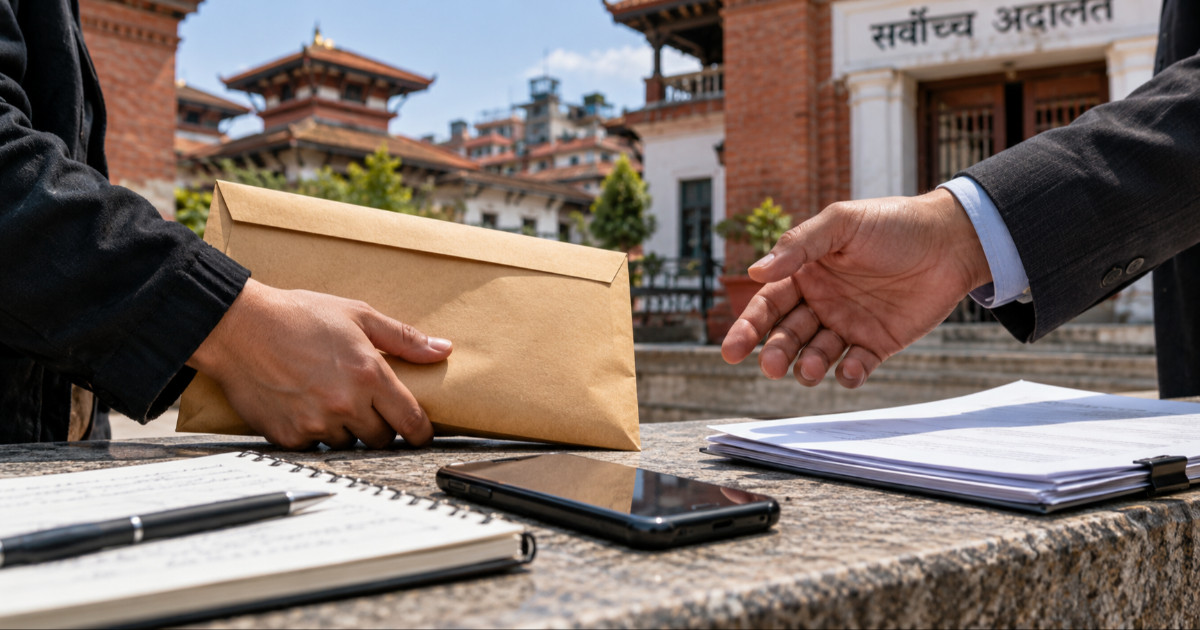
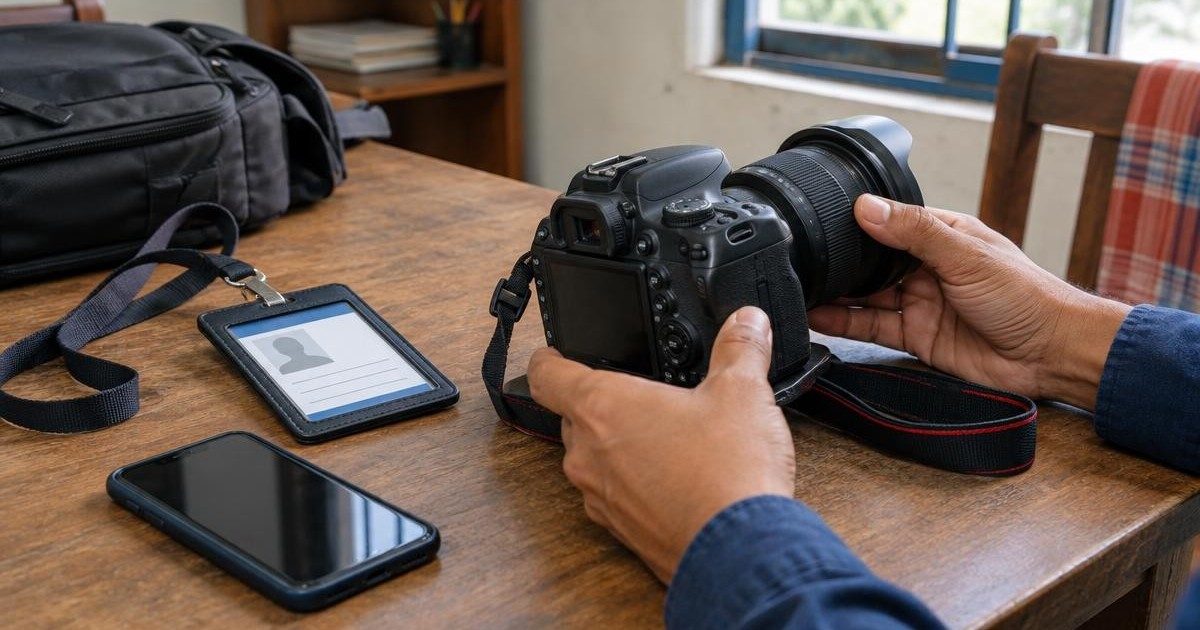
PHOTO: AI-generated; for illustrative purposes
Key Points
- Arrests and detentions of journalists reported in the occupied West Bank and Pakistan.
- Cybercrime, anti‑terror and criminal investigations used to target reporters and outlets.
- Licensing restrictions and broadcast proceedings increased administrative control over media.
- Economic insecurity-layoffs, contract terminations and unsafe conditions-weaken journalist safety and independence.
- Courts, media organisations and officials issued limited counter-signals but lasting reforms remain unresolved.
Key Questions & Answers
What main threats to press freedom does the Tracker identify?
The Tracker highlights arrests, prolonged detentions, criminal and cybercrime probes, anti‑terror measures, licensing and broadcast actions, plus economic pressures such as layoffs and unsafe work conditions.
Which countries or contexts are specifically mentioned?
Incidents cited include arrests in the occupied West Bank and prolonged detentions in Pakistan, with related pressures noted across multiple countries in the region.
How does economic insecurity affect journalism?
Layoffs, contract terminations and unsafe working conditions erode journalist safety and editorial independence, making outlets more vulnerable to pressure and self‑censorship.
Have there been any positive responses or remedies?
Courts, media organisations and some officials have issued interim interventions or public commitments, but most measures remain limited, interim or legally unresolved.
Relevant Topics
Ask AI: Understand this story your way
AI EnabledDig deeper, ask anything — get instant context, background, and clarity.
Disclaimer: This feature is powered by AI and is intended to help readers explore and understand news stories more easily. While we strive for accuracy, AI-generated responses may occasionally be incomplete or reflect limitations in the underlying model. This feature does not represent the editorial views of JournalismPakistan. For our full, verified reporting, please refer to the original article.