
.png)
Iran foreign media bill threatens right to information: IFJ
JournalismPakistan.com | Published: 21 August 2026 | JP Middle East Desk
Join our WhatsApp channel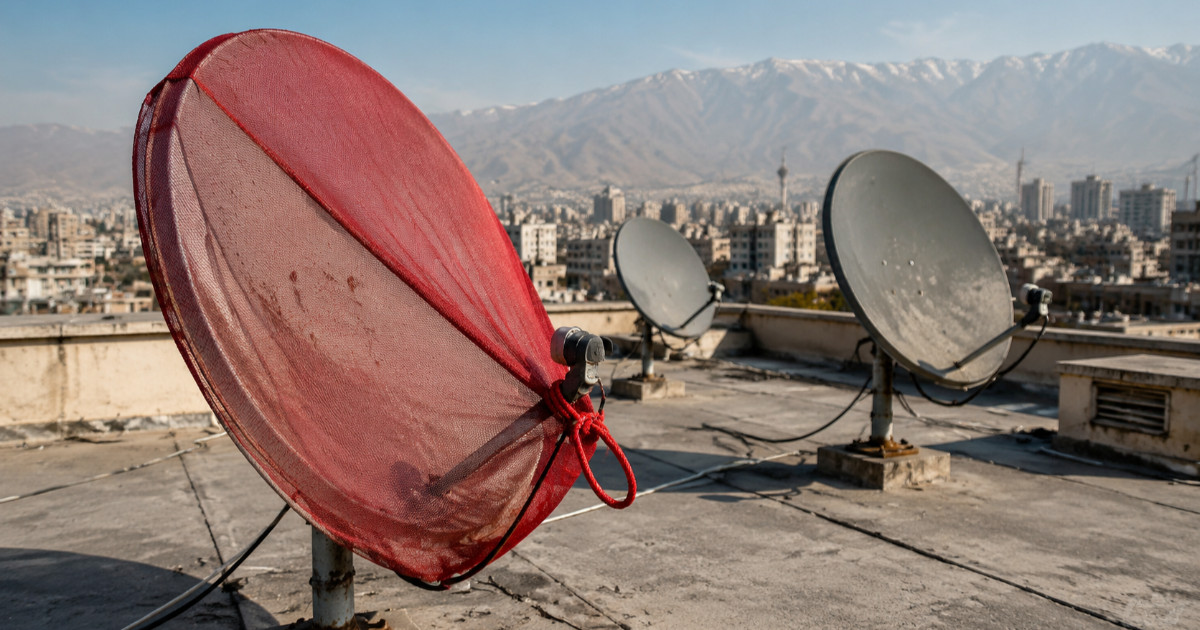
Iran's parliament approved a draft to criminalize interactions with foreign media deemed "hostile," require notification to the Intelligence Ministry and create online registration to monitor contacts, with penalties of 6 months to 2 years' imprisonment.Summary
TEHRAN — Iran’s parliament has approved the general framework of legislation that would criminalize some interactions with foreign media, prompting the International Federation of Journalists to warn that the measure could further restrict news gathering and the public’s right to information. The framework was approved by 183 members of the 290-seat parliament on August 16.
The IFJ said on August 20 that the proposed legislation targets interviews, discussions and other communication with media classified as “hostile,” including outlets based in or funded by the United States or Israel. The draft provides for prison sentences ranging from six months to two years, although the penalties have not received final parliamentary approval.
Media contacts brought under security oversight
Interactions with other foreign media would require prior notification to the Ministry of Intelligence. The proposal also covers the transmission of photographs, videos, audio recordings and information to foreign media or people involved in media activity outside Iran.
The 33-article draft published by ISNA would establish an online system for registering and monitoring certain foreign contacts. Its scope extends beyond journalism to dealings with foreign embassies and organizations, overseas funding, scientific cooperation, international training and cultural production.
Bill still faces a contested approval process
The proposed media penalties are separate from other provisions that contemplate much longer sentences for foreign-directed policy or legislative activity alleged to harm Iran’s security or independence. Reporting that treats those penalties as punishment solely for media interviews risks overstating what the draft currently says.
Iranian parliamentary officials have stressed that lawmakers approved only the bill’s general principles, not its individual provisions. Parliament must still decide whether to examine the measure directly or return it to committee before considering it article by article. Any final text would also require review by the Guardian Council before it could become law, according to Reuters.
The government has formally opposed the proposal. Government information chief Ali Ahmadnia said on August 19 that the administration considers it inconsistent with Iran’s constitution and citizens’ rights, ISNA reported. Parliament Speaker Mohammad Bagher Ghalibaf separately said lawmakers should not pursue proposals that create anxiety among experts and anger the public, but no formal withdrawal of the bill has been announced.
Ruhollah Najabat, a member of parliament’s National Security and Foreign Policy Commission and one of the bill’s sponsors, defended the proposal as a system for making foreign interactions more transparent and secure. He also acknowledged that the legislation remained under review and said its current text differed from an earlier draft that had attracted criticism.
IFJ warns of chilling effect
The IFJ argued that regulating interviews and the exchange of information through security agencies would further silence Iranian journalists and their sources. It called on the authorities to abandon the proposal and end intimidation of journalists.
The debate comes amid heightened scrutiny of media workers accused of cooperating with foreign organizations. Photojournalist Yalda Moaiery was sentenced in absentia to 15 years in prison in August under separate legislation adopted in 2025. The accusations against her included providing photographs to organizations linked to the United States and Israel and speaking to media Tehran considers hostile.
If enacted in its present form, the new bill could extend legal risk beyond professional journalists to sources, researchers, civil society organizations and other Iranians who communicate with international media. Its ultimate effect, however, will depend on whether parliament revises the disputed provisions and whether the measure completes the remaining legislative process.
ATTRIBUTION: Based on an IFJ statement issued on August 20, with additional information from ISNA and Reuters, published on August 16-20, 2026.
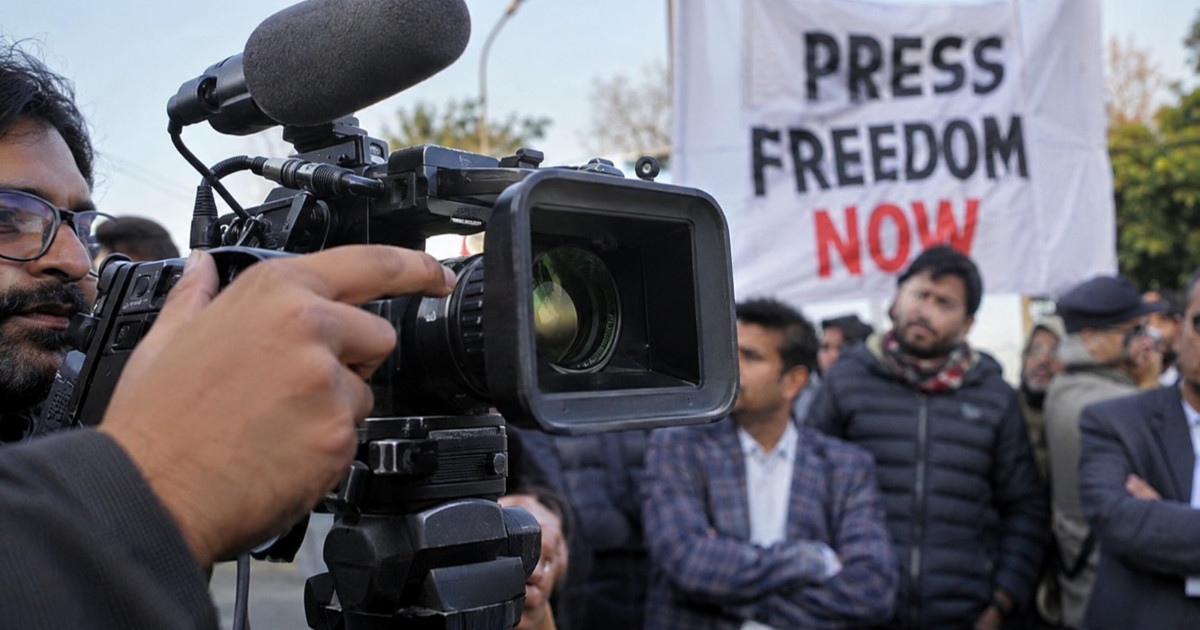
PHOTO: AI-generated; for illustrative purposes only.
Key Points
- Parliament approved the general framework on August 16 with 183 of 290 votes.
- Draft targets interviews, discussions and other exchanges with media labelled "hostile," including US- or Israel-linked outlets.
- Proposed penalties range from six months to two years' imprisonment for covered contacts.
- Interactions with other foreign outlets would require notification to the Intelligence Ministry.
- The 33-article draft would create an online system to register and monitor foreign contacts and extends beyond journalism.
- Additional, harsher provisions addressing foreign-directed activity remain under debate in parliament.
Key Questions & Answers
What does the proposed bill do?
The draft criminalizes certain interactions with foreign media deemed "hostile," mandates notification to the Intelligence Ministry and sets up online registration and monitoring of contacts.
Who has raised concerns about the law?
The International Federation of Journalists (IFJ) warned the framework could further restrict news gathering and the public's right to information.
What penalties does the draft propose?
The media-related provisions propose prison terms ranging from six months to two years, though final penalties still require full parliamentary approval.
Does the draft affect other types of foreign engagement?
Yes. The draft's scope also covers dealings with embassies, overseas funding, scientific cooperation, international training and cultural production.
Relevant Topics
Ask AI: Understand this story your way
AI EnabledDig deeper, ask anything — get instant context, background, and clarity.
Disclaimer: This feature is powered by AI and is intended to help readers explore and understand news stories more easily. While we strive for accuracy, AI-generated responses may occasionally be incomplete or reflect limitations in the underlying model. This feature does not represent the editorial views of JournalismPakistan. For our full, verified reporting, please refer to the original article.