.jpg)
Pakistan Media Monitor | Edition 12 | October 27-November 9, 2026
JournalismPakistan.com | Published: 9 November 2026 | JP News Desk
Join our WhatsApp channel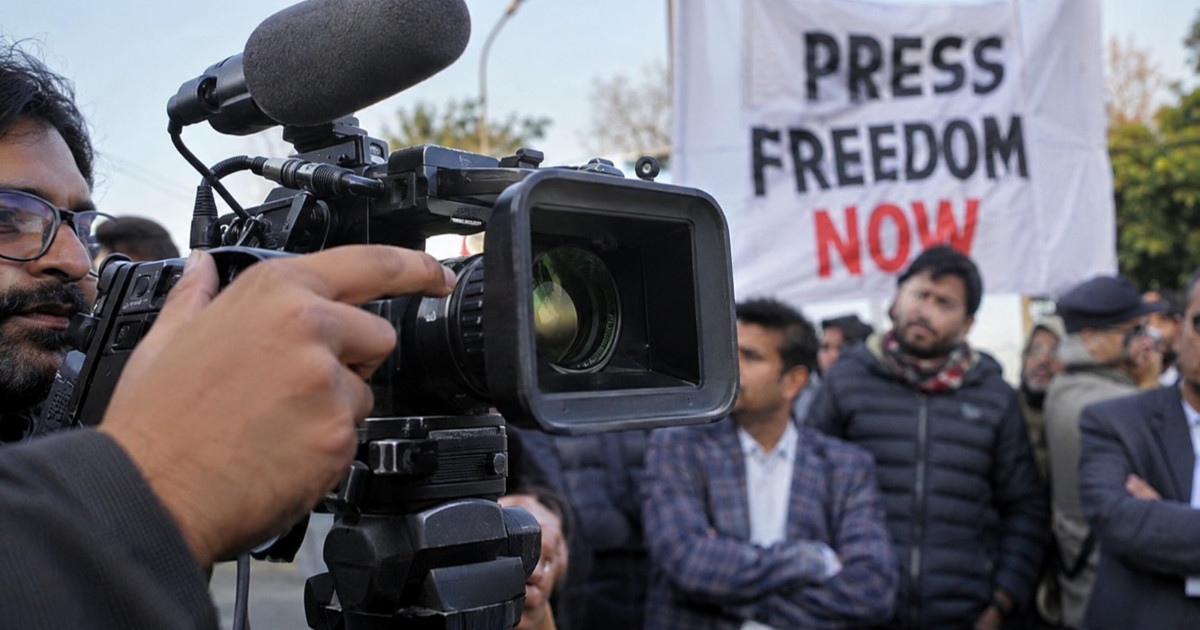
The fortnightly review finds Pakistan's media under growing legal and economic strain, with criminal probes, prolonged PECA proceedings, unpaid salaries and safety risks shaping journalistic practice. Monitoring reports highlight impunity, protests, bail developments and renewed calls for employment protections.Summary
A biweekly review of Pakistan’s journalism, television, digital media, press freedom, regulation, and media business developments.
Editor's note
Pakistan's media entered November facing a convergence of legal pressure, employment insecurity, and continuing concerns about the safety of journalists. Developments over the fortnight demonstrated that threats to independent reporting are no longer confined to physical attacks or direct censorship. Criminal investigations, prolonged legal proceedings, unpaid salaries and uncertain institutional protections have become increasingly important parts of the media freedom debate.
Freedom Network's Impunity Report 2026 provided the period's most significant assessment. Its findings highlighted how legal and administrative processes can impose professional, financial, and psychological costs on journalists even when investigations do not lead to convictions. The Pakistan Press Foundation's latest monitoring reinforced concerns about physical violence, criminal complaints and the effectiveness of existing protection mechanisms.
The reporting period also brought nationwide protests by journalists, new developments in PECA proceedings, renewed demands for employment protections and government proposals concerning journalists' welfare. Television anchor Iqrar-ul-Hassan secured bail, although his case continues, while journalists in Balochistan, Sindh and Azad Jammu and Kashmir faced separate disputes involving public authorities or criminal investigations.
JournalismPakistan's continuing reporting on cybercrime enforcement, salary arrears, media labor rights and institutional accountability provides essential context for these developments. The publication has repeatedly examined how legal restrictions and economic insecurity can reinforce each other, weakening the conditions necessary for independent journalism.
This edition brings those issues together and assesses what they reveal about the changing pressures on Pakistan's news media.
Top story
Legal pressure becomes major concern for Pakistan's media
Freedom Network's Impunity Report 2026 identified legal harassment as an increasingly important threat to journalism in Pakistan. Released on October 29, the report documented 97 violations against journalists and media organizations between October 2025 and August 2026.
The findings included 13 legal actions and 32 threats of legal action, together accounting for approximately 46 percent of recorded violations. The report highlighted the impact of proceedings under the Prevention of Electronic Crimes Act (PECA), particularly investigations involving the National Cyber Crime Investigation Agency (NCCIA).
Freedom Network warned that summonses, device examinations, detention, repeated court appearances, and legal expenses can discourage journalists from pursuing public-interest reporting even when criminal wrongdoing has not been established.
The report also questioned the effectiveness of journalist-protection mechanisms, including the federal system and the Sindh Commission for the Protection of Journalists and Other Media Practitioners.
JournalismPakistan covered the findings on October 29, connecting them with its earlier reporting on journalists facing cybercrime investigations, legal notices and official scrutiny.
The Pakistan Press Foundation subsequently reported that at least 62 journalists had been assaulted or manhandled between January and October 2026. Its findings showed that physical violence and legal proceedings remained overlapping concerns rather than separate challenges.
Why it matters: The findings suggest a significant change in how pressure on journalists operates. Legal processes can impose substantial costs even without convictions, making procedural safeguards and independent oversight central to media freedom.
Sources: Freedom Network, October 29, 2026; JournalismPakistan, October 29, 2026; Dawn, October 30, 2026; Pakistan Press Foundation, November 2, 2026.
Key themes
Legal pressure and journalist safety: Freedom Network's annual findings, continuing PECA cases, and protests against alleged official intimidation showed that legal proceedings and institutional accountability have become central press freedom concerns.
Economic insecurity and media employment: Unpaid salaries, layoffs and demands for welfare mechanisms highlighted the financial pressures facing journalists. Government assurances offered recognition of these problems, but enforceable commitments remained limited.
Digital regulation and professional responsibility: New government proposals concerning AI-generated material, misinformation and platform accountability brought renewed attention to the balance between information integrity, regulatory authority and freedom of expression.
Press freedom and legal affairs
Khyber journalists announce police coverage boycott
Members of the Khyber District Press Club announced a boycott of Landikotal police activities and news coverage following an alleged police raid. They linked the decision to demands for legal proceedings and an independent investigation into the incident. Azaad Urdu disputed the underlying account.
Why it matters: The announced boycott changes participating journalists' approach to local police coverage and reflects deteriorating relations between media workers and law enforcement authorities. The conflicting accounts require careful verification.
Sources: The News International, October 27, 2026; Azaad Urdu, October 25, 2026.
Press unions seek united response to censorship and job insecurity
Journalists and civil society representatives agreed to establish a committee following an October 26 roundtable on freedom of expression. Participants raised concerns about the alleged misuse of PECA, intimidation, declining newsroom employment, unpaid salaries and restrictions on reporting across Pakistan.
The proposed initiative includes documenting violations, reviewing restrictive legislation and developing a common charter. Federal Information Minister Attaullah Tarar defended cybercrime regulation while inviting journalists' organizations to submit recommendations.
Why it matters: The initiative brings press freedom and journalists' economic rights into a common national discussion, recognizing that censorship, weak employment protections and financial insecurity can reinforce one another.
Sources: Geo News, October 26, 2026; The News International, October 27, 2026.
Freedom Network warns of growing legal pressure on journalists
Freedom Network's Impunity Report 2026 documented 97 violations against journalists and media organizations between October 2025 and August 2026. Released on October 29, the report recorded 13 legal actions and 32 threats of legal action, identifying legal proceedings as an increasingly important source of pressure.
The report highlighted the use of PECA and NCCIA investigations, warning that summonses, questioning, device seizures and repeated court appearances can impose substantial costs on journalists. It also criticized weaknesses in existing journalist-protection mechanisms.
JournalismPakistan's October 29 reporting placed the findings within its continuing coverage of cybercrime enforcement and attacks on journalists.
Why it matters: The findings demonstrate that legal proceedings can discourage public-interest reporting even when criminal allegations remain unproven.
Sources: Freedom Network, October 29, 2026; JournalismPakistan, October 29, 2026; Dawn, October 30, 2026.
Fugitive arrested in Mureed Abbas murder case
Authorities arrested Adil Zaman at Peshawar airport after years as a fugitive in the 2019 double-murder case involving television anchor Mureed Abbas and businessman Khizar Hayat. A Karachi court ordered his judicial custody and sought a supplementary charge sheet.
JournalismPakistan reported the killings in July 2019 and covered subsequent judicial developments, including the death sentence awarded to Atif Zaman and permanent arrest warrants against Adil Zaman in July 2026.
Why it matters: The arrest brings a previously absconding accused before the court seven years after the killings. Proceedings against Adil Zaman remain unresolved, highlighting the lengthy judicial process in a prominent case involving a Pakistani television journalist.
Sources: The News, October 28, 2026; Express Urdu, October 27, 2026; JournalismPakistan, July 9, 2019, and July 9, 2026.
Journalist reportedly targeted in Islamabad
Click Pakistan reported that journalist and anchor Rana Imran Latif was allegedly targeted while accompanying his family in Islamabad's F-10 Markaz. The publication said Interior Minister Mohsin Naqvi took notice of the reported incident.
The circumstances and motive had not been independently established in the available reporting.
Why it matters: The allegation raises concerns about journalist safety in the capital. Further investigation is necessary before determining whether the incident was connected to Latif's professional activities.
Source: Click Pakistan, October 30, 2026.
Iqrar-ul-Hassan granted bail as PECA case continues
A Karachi judicial magistrate granted television anchor Iqrar-ul-Hassan post-arrest bail on October 31 against surety and a personal bond of Rs200,000 each, following earlier refusals of bail.
The NCCIA registered the case under PECA over allegations that Hassan circulated false, defamatory and anti-state content through his social media accounts. In granting bail, the court questioned whether the available prosecution material established the necessary elements of one of the alleged offenses and observed that further inquiry was required.
At a November 6 hearing, the court provided Hassan with copies of the case documents and scheduled November 20 for framing charges. He remains on bail, and the allegations have not been established through a conviction.
JournalismPakistan has followed the proceedings since October, reporting on Hassan's arrest, remand, bail decisions and subsequent hearings. Its November 6 analysis examined the broader implications of PECA investigations for journalists.
Why it matters: The bail decision provided immediate judicial relief but did not resolve the prosecution. The case continues to raise questions about investigative powers, digital expression, and legal safeguards for journalists.
Sources: JournalismPakistan, October 13–November 7, 2026; Dawn, October 31 and November 1, 2026; ARY News, November 6, 2026.
KTN journalist injured and arrested after Kotri court clash
Journalist Azeem Barejo was injured during a confrontation outside a court in Kotri, Jamshoro district, on October 30.
The confrontation between members of the Barejo and Burfat communities followed proceedings concerning a land dispute and escalated into gunfire, leaving one person dead and three others wounded.
According to Dawn, Barejo was injured during the initial confrontation and taken to Liaquat University Hospital. Police subsequently arrested him and his brother Sharif.
Sindh Voice reported that a first information report concerning the killing named several members of the Barejo family, including Azeem. The competing allegations have not been judicially established.
Why it matters: The case illustrates the importance of careful verification when journalists are involved in criminal disputes. Available reporting does not establish that the incident was motivated by Barejo's journalistic work.
Sources: Dawn, October 31, 2026; Sindh Voice, October 31, 2026.
Pakistan Press Foundation documents continuing attacks on media
The Pakistan Press Foundation reported that at least 62 journalists had been assaulted or manhandled between January and October 2026.
Its monitoring also recorded 34 instances of obstruction of journalistic work, criminal complaints against at least 31 journalists, nine arrests and 11 detentions. Fourteen of the journalists facing criminal complaints were involved in cases containing PECA provisions.
In its statement for the International Day to End Impunity for Crimes Against Journalists, observed on November 2, PPF called for effective implementation of journalist-protection legislation and stronger accountability for attacks, intimidation and misuse of legal procedures.
Why it matters: The findings demonstrate the continuing coexistence of physical violence, criminal proceedings and institutional weaknesses. They reinforce concerns raised by Freedom Network, although the organizations use different monitoring periods and methodologies.
Source: Pakistan Press Foundation, November 2, 2026.
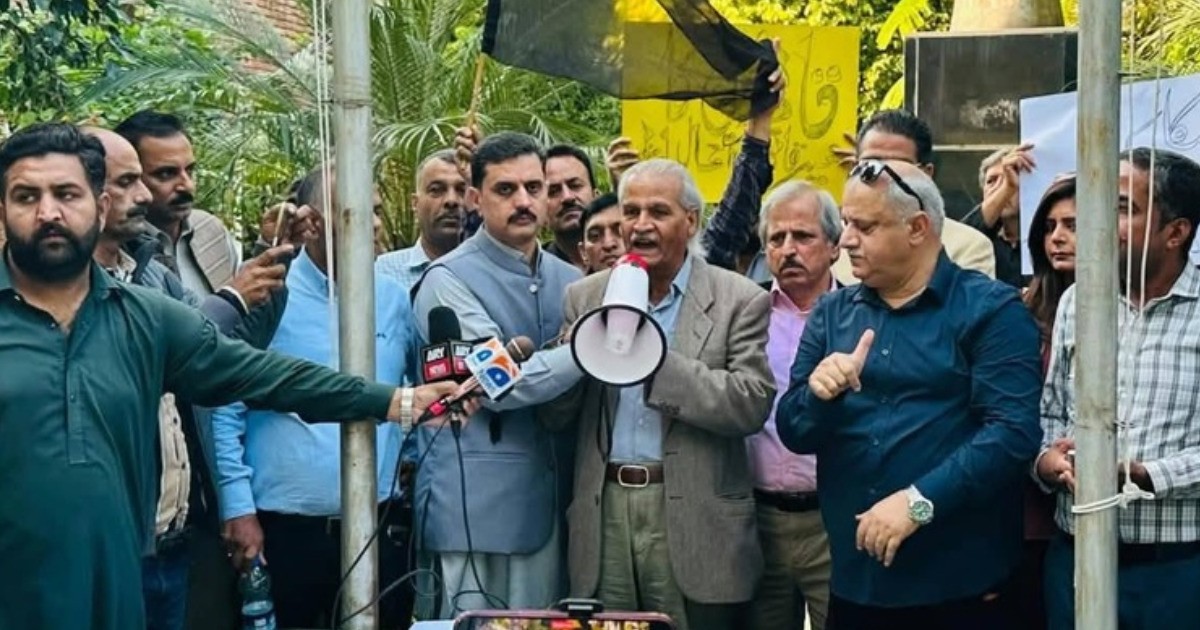
Journalists stage Black Day protests across Pakistan
Journalists held demonstrations at press clubs across Pakistan on November 3, marking the anniversary of the 2007 emergency imposed by former military ruler Pervez Musharraf.
The protests highlighted concerns about PECA cases, restrictions on reporting, layoffs, and unpaid salaries. Pakistan Federal Union of Journalists Secretary General Arshad Ansari announced plans for further demonstrations and a long march to Islamabad.
The protests reflected the growing overlap between demands for press freedom and employment protections.
Why it matters: The campaign links opposition to restrictive laws with concerns about job insecurity, suggesting a broader agenda for journalists' unions.
Source: The News International, November 4, 2026.
Balochistan union reviews PECA cases against three journalists
Three journalists in Quetta faced PECA cases following reporting that the Balochistan government alleged was fabricated, according to Voicepk Urdu.
Journalist Maqbool Jafar described the action as vindictive, while the provincial journalists' union began an inquiry into the dispute.
The allegations against the journalists remain contested, and the union's review does not itself determine whether any offense occurred.
JournalismPakistan's November 6 analysis of cybercrime investigations examined how PECA proceedings and NCCIA practices can place journalists under legal and professional pressure before courts establish wrongdoing.
Why it matters: The dispute highlights tensions between government complaints about reporting and journalists' rights to investigate public affairs. The union's inquiry provides a professional response but does not replace independent legal scrutiny.
Sources: Voicepk Urdu, November 5, 2026; JournalismPakistan, November 6, 2026.
AJK chief secretary questioned over remarks to journalist
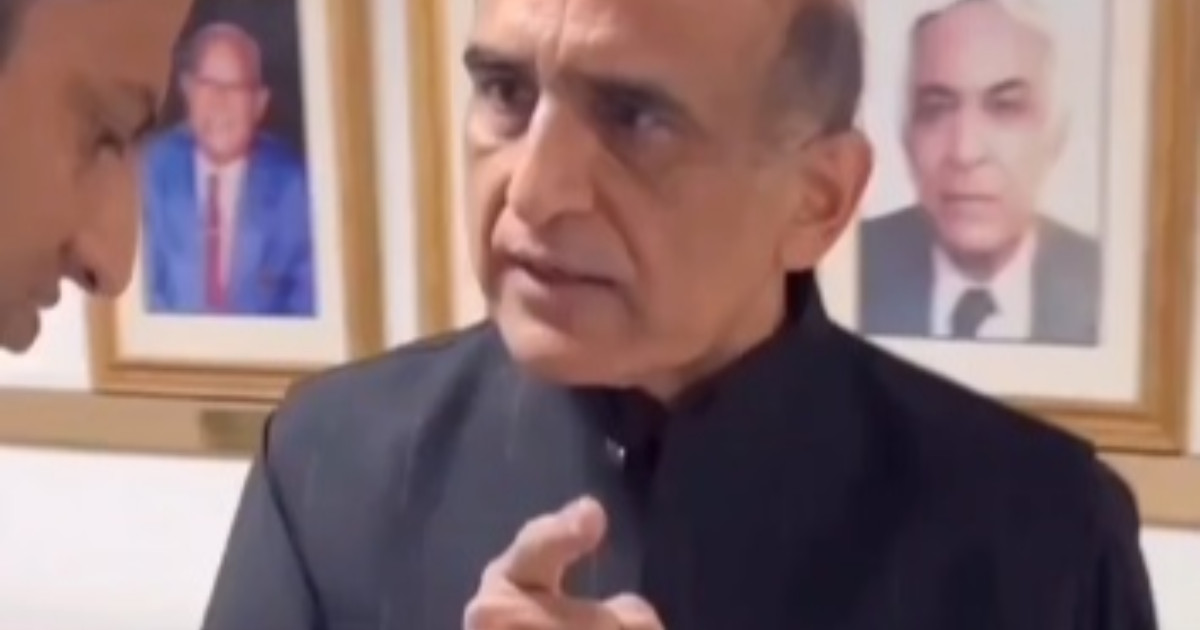
A confrontation involving Azad Jammu and Kashmir Chief Secretary Khushal Khan and Geo News journalist Haider Shirazi renewed concerns about official treatment of journalists.
A video circulated on November 6 appeared to show the official cautioning Shirazi over reporting concerning administrative transfers. The exchange prompted questions about journalists' ability to report on public affairs without intimidation.
The incident followed earlier controversies involving Shirazi's parliamentary reporting.
Why it matters: The confrontation raises questions about official accountability and the pressures journalists may face when reporting on government decisions. The available recording should be assessed without assuming an unverified motive.
Source: Video circulated on social media, November 6, 2026.
Sindh journalists protest alleged harassment of Kotri family
The Hyderabad Union of Journalists organized protests in Hyderabad and Badin against alleged police harassment of members of a journalist family in Kotri.
Demonstrators accused police of registering fabricated cases against journalist brothers, intimidating their relatives and acting under political influence. They demanded protection for the family, withdrawal of allegedly false cases, and a judicial inquiry into the killing of Dilsher Burfat.
The protests followed the October 30 confrontation outside a Kotri court that resulted in one death and several injuries.
The demonstrators' allegations remain disputed and have not been established through judicial proceedings.
Why it matters: The protests highlight concerns among journalists in Sindh over alleged police intimidation and the use of criminal proceedings. The underlying criminal investigation requires independent scrutiny.
Sources: NNI/UrduPoint, November 5, 2026; subsequent reports of protests through November 8, 2026.
Television and broadcasting
Welfare proposals renew scrutiny of television employers
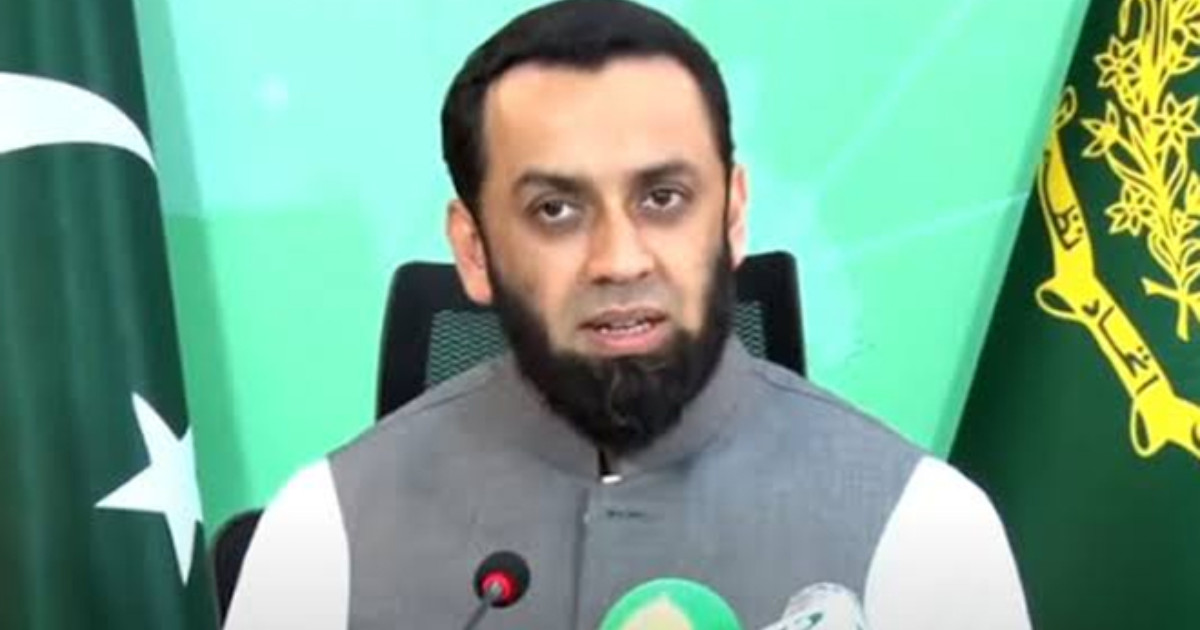
Federal Information Minister Attaullah Tarar's November 5 appeal to broadcasters to establish a welfare fund and compensation arrangements for journalists renewed attention to the responsibilities of television channel owners.
The minister urged the Pakistan Broadcasters Association to participate in the initiative and called for PEMRA's involvement.
Although framed as a welfare measure, the proposal also reflected wider concerns about salary arrears, employment insecurity and the adequacy of protections offered to television journalists.
JournalismPakistan's reporting since 2017 has documented repeated welfare proposals and employment disputes, showing that the challenge lies not simply in identifying journalists' needs but in establishing reliable funding and enforceable arrangements.
Why it matters: Television broadcasters remain central to employment conditions in Pakistan's media industry. The government's appeal acknowledges that responsibility but does not establish a funded or operational mechanism.
Sources: Associated Press of Pakistan and Radio Pakistan, November 5, 2026; JournalismPakistan, November 6, 2026, and earlier coverage.
Digital media and social platforms
Network challenges colleagues over abuse of women journalists
The Network of Women Journalists for Digital Rights urged journalists, editors and professional organizations to stop amplifying abusive campaigns against women colleagues.
Supporting journalists Asma Shirazi and Amber Rahim Shamsi, the network said professional accountability was necessary alongside action against anonymous online harassment.
It indicated that further information, including names and evidence, would be presented in a subsequent statement.
Why it matters: The appeal draws attention to harassment originating or being amplified within professional media networks, rather than exclusively from anonymous social media users.
Source: Digital Rights Foundation, October 26, 2026.
Tarar calls for AI labels and stronger platform accountability
Information Minister Attaullah Tarar called for mandatory labeling of AI-generated content, stronger fact-checking by social media platforms and the establishment of local offices by major platforms operating in Pakistan.
Addressing a Sustainable Development Policy Institute conference in Islamabad on November 5, he proposed an international framework to address misinformation and disinformation.
The minister argued that digital platforms should assume greater responsibility for verifying information and responding to harmful content. His remarks came amid continuing criticism of cybercrime investigations involving journalists and social media users.
Why it matters: The proposals place AI transparency and platform responsibility on the government's policy agenda. However, any new framework would need clear definitions, independent oversight, and safeguards for legitimate journalism and freedom of expression.
Sources: Radio Pakistan, November 5, 2026; Pakistan Today, November 5, 2026; The Nation, November 6, 2026.
Media business and sustainability
Government seeks data on unpaid salaries and layoffs
Minister of State for Finance Bilal Azhar Kiani asked the Parliamentary Reporters Association to provide channel-wise information about unpaid salaries, outstanding dues, and affected media workers.
The request followed a walkout by journalists from the National Assembly.
A joint parliamentary committee was proposed to examine employment concerns and possible regulatory changes. However, no formal enforcement mechanism, payment schedule or deadline for recovering outstanding salaries was announced.
Why it matters: The request could help establish the scale of wage arrears and job losses in Pakistan's television industry. Collecting information, however, does not guarantee salary recovery or stronger employment protections.
Source: Associated Press of Pakistan, October 27, 2026.
Unpaid salaries raise concerns over journalists' independence
JournalismPakistan examined how prolonged salary arrears affect journalists' financial security, newsroom morale and editorial independence.
The November 5 explainer reviewed Pakistan's wage protections and recalled JP's earlier reporting on delayed payments, journalist protests, newsroom layoffs and disputes involving media organizations.
It examined how financial insecurity can make journalists more vulnerable to professional pressure and undermine their ability to pursue independent reporting.
The analysis followed renewed demonstrations by journalists over salary arrears and deteriorating employment conditions.
Why it matters: Unpaid wages are not simply an employment dispute. Persistent financial insecurity can weaken editorial independence and the ability of journalists to work without undue influence.
Source: JournalismPakistan, November 5, 2026.
Tarar calls for journalists' welfare fund
Information Minister Attaullah Tarar urged the Pakistan Broadcasters Association to establish a welfare fund and compensation mechanism for journalists, including those killed while performing professional duties.
The minister pointed to broadcasters' advertising and digital revenues and called for PEMRA's involvement in developing welfare arrangements.
JournalismPakistan's November 6 reporting placed the proposal within a longer history of demands for journalists' welfare, salary payments and employer accountability.
The publication's coverage since 2017 has documented repeated calls for financial protections for journalists and media workers.
Why it matters: The appeal renews scrutiny of broadcasters' responsibilities toward employees. However, no confirmed funding structure, eligibility criteria or implementation timetable has been announced.
Sources: Associated Press of Pakistan and Radio Pakistan, November 5, 2026; JournalismPakistan, November 6, 2026.
Media governance
PM's communications cell raises questions over mandate
The Prime Minister's Office established a Strategy and Communications Cell through a September 28 notification, appointing senior ministers and other members without publicly detailing its mandate, budget or oversight arrangements.
JournalismPakistan's October 28 analysis questioned potential duplication with existing government communications institutions and sought clarity on the cell's responsibilities.
The analysis also examined the need to distinguish official public information functions from political messaging and to clarify whether the body would have any role involving media engagement or monitoring.
Why it matters: Establishing another high-level communications body without clearly defined responsibilities raises questions about institutional transparency, public spending and accountability.
Sources: Prime Minister's Office notification, September 28, 2026; JournalismPakistan, October 28, 2026.
Policy, regulation, and courts
Official promises improved health insurance for media workers
Federal Information Secretary Ashfaq Ahmed Khalil said the Prime Minister's Health Insurance Scheme for journalists and media workers would be introduced in an improved form.
The announcement, reported at the end of October, did not specify a launch date, revised benefits or detailed eligibility arrangements.
The proposed improvements formed part of wider government assurances about journalists' welfare, although operational details remained unclear.
Why it matters: The announcement acknowledges the need for stronger welfare protections but does not establish that revised insurance coverage is available to journalists or their families.
Sources: Associated Press of Pakistan, October 29, 2026; Ministry of Information and Broadcasting, October 30, 2026.
Media ethics and professional standards
Abuse of women journalists tests professional accountability
The appeal issued by the Network of Women Journalists for Digital Rights highlighted concerns about the role media professionals themselves may play in amplifying harassment against women colleagues.
The network's support for Asma Shirazi and Amber Rahim Shamsi brought attention to the responsibility of journalists, editors and professional bodies to address abusive behavior within the industry.
The issue extends beyond digital security. It raises questions about newsroom conduct, professional solidarity and the application of ethical standards to journalists' public and social media activities.
Why it matters: Professional standards cannot be confined to accuracy and fairness in published reporting. They also require media organizations and journalists to address harassment and intimidation within their professional communities.
Source: Digital Rights Foundation, October 26, 2026.
Journalists we lost
92 News anchor Rabia Ahsan shot dead in Rawalpindi
November 8, 2026 — Television anchor and 92 News program host Rabia Ahsan was found dead with a gunshot wound at her residence in Gulshanabad, Rawalpindi.
Police detained her husband, Ahsan Tahir Khan, following a complaint by her brother and registered a murder case. Investigators recovered a firearm and collected forensic evidence.
Her husband reportedly maintained that the shooting was accidental, while the initial complaint alleged that he was responsible for her death.
On November 9, a Rawalpindi court granted police two days' physical remand to continue their investigation. A separate report later that day said Ahsan's brother had indicated that he wished to withdraw his original complaint, describing the shooting as accidental. That reported change does not itself establish the circumstances of her death or the legal disposition of the case.
The investigation remained ongoing, and no judicial finding had established whether the shooting was accidental or deliberate.
JournalismPakistan reported her death on November 8, as the incident prompted expressions of grief and demands for a transparent investigation.
Why it matters: The death of a television journalist has deeply affected Pakistan's media community. The investigation requires careful, evidence-based reporting that distinguishes allegations from established facts. No connection with her journalistic work has been established.
Sources: JournalismPakistan, November 8, 2026; Dawn, November 9, 2026; Arab News Pakistan, November 9, 2026; UrduPoint, November 9, 2026.
The takeaway
Pakistan's media faced a combination of legal, economic and institutional pressures during the fortnight that no single policy change can adequately address.
Freedom Network's Impunity Report and the Pakistan Press Foundation's monitoring demonstrated that journalist safety cannot be measured only through killings, assaults and arrests. Criminal complaints, investigative procedures, threatened litigation, and prolonged legal proceedings also affect the conditions under which journalists work.
The continuing prosecution of Iqrar-ul-Hassan, disputes involving journalists in Balochistan and Sindh, and concerns about official conduct in Azad Jammu and Kashmir illustrated different aspects of this challenge.
At the same time, protests over unpaid salaries and employment insecurity exposed continuing weaknesses in the media industry's labor arrangements. Government welfare proposals acknowledged these difficulties but provided limited evidence of implementation.
The period also brought greater attention to AI-generated material, misinformation and platform accountability, raising fresh questions about the relationship between digital regulation and independent journalism.
JournalismPakistan's reporting across these issues points to a recurring concern: journalists are expected to maintain professional standards and public accountability while working within institutions that do not always provide adequate legal, financial or personal protection.
The defining issue is therefore not whether Pakistan recognizes the importance of journalists' rights. It is whether public authorities, regulators, courts and media employers can turn existing commitments into meaningful protections.
Editorial insight: Trend of the fortnight
From physical intimidation to institutional pressure
The fortnight's most significant trend was the growing prominence of institutional pressure on journalism.
Freedom Network's annual findings offered particularly important evidence. Legal proceedings and threatened litigation accounted for approximately 46 percent of the 97 violations documented during its monitoring period.
The findings suggested that legal and administrative processes can discourage public-interest reporting even without convictions. Summonses, investigations, device seizures, detention, travel expenses, and repeated court appearances can impose substantial financial and psychological burdens on journalists.
The period's individual developments reinforced those concerns. PECA proceedings continued, journalists protested restrictive laws and employment insecurity, and professional organizations called for greater accountability from public authorities.
Yet institutional pressure extends beyond criminal investigations.
Unpaid salaries, insecure employment and inadequate welfare arrangements can also weaken journalists' independence. Reporters struggling with financial insecurity may face greater difficulty resisting professional pressure or challenging decisions affecting their working conditions.
JournalismPakistan's coverage of cybercrime investigations, delayed salaries, welfare proposals and newsroom employment disputes has repeatedly highlighted these overlapping vulnerabilities.
The emerging pattern is therefore broader than a rise in legal complaints or recurring economic hardship. It reflects weaknesses in the institutions responsible for protecting journalists' rights.
The next meaningful measure of progress will be whether journalist-protection mechanisms, regulatory bodies and media employers deliver demonstrable improvements rather than additional announcements or procedures.
For Pakistan's news industry, effective protection must address both the freedom to report and the conditions necessary to sustain independent reporting.
Numbers that mattered
Figures reflect the source organizations' monitoring periods or specific developments. They are not all fortnight-only totals.
Figure | What it tells us |
|---|---|
97 | Violations against journalists and media organizations documented by Freedom Network from October 2025 to August 2026 |
32 | Threats of legal action recorded by Freedom Network |
13 | Legal actions documented in the same report |
46% | Approximate share of Freedom Network's violations involving legal actions or threats |
62 | Journalists assaulted or manhandled in PPF's January–October 2026 monitoring |
34 | Instances of obstruction of journalistic work documented by PPF |
31 | Journalists against whom criminal complaints were registered, according to PPF |
14 | Journalists facing criminal complaints involving PECA provisions in PPF monitoring |
9 | Journalist arrests documented by PPF |
Rs200,000 | Surety amount in Iqrar-ul-Hassan's October 31 bail order |
November 20 | Scheduled charge-framing hearing in the Iqrar-ul-Hassan case |
November 20 | Deadline for feedback on the ECP's proposed AI-related election rules |
Sources: Freedom Network, October 29, 2026; Pakistan Press Foundation, November 2, 2026; Dawn, October 24 and November 1, 2026; JournalismPakistan, October 31–November 7, 2026.
The Freedom Network and PPF figures cover different monitoring periods and methodologies. They must not be combined to produce an overall national total.
What to watch next fortnight
November 10–23, 2026
Iqrar-ul-Hassan's next court hearing:The November 20 proceedings will be important in determining how the PECA prosecution develops following his release on bail. Attention should focus on the charges framed, the electronic evidence, and any judicial observations concerning the application of cybercrime provisions.
ECP's proposed AI rules: Stakeholders have until November 20 to respond to proposed changes concerning AI-generated election material. News organizations should examine whether the framework clearly distinguishes deceptive synthetic content from legitimate journalistic uses of AI.
Journalists' nationwide protests:Following the November 3 Black Day demonstrations, the next question is whether journalist unions pursue negotiations, further protests, or specific commitments from media employers and government authorities.
Freedom Network and PPF findings: The response of federal and provincial journalist-protection bodies to the latest monitoring reports deserves scrutiny. Meaningful progress would require accessible complaints procedures, transparent investigations and measurable outcomes.
Salary arrears and employment protection: Government requests for employment data and proposals involving broadcasters should be monitored for concrete steps toward recovering unpaid wages, strengthening employment protections and establishing compensation arrangements.
Welfare and health insurance schemes: Watch for formal announcements detailing the proposed journalists' welfare fund and improved health insurance arrangements, particularly eligibility rules, financing, and implementation dates.
Rabia Ahsan death investigation: Police and judicial proceedings should be followed for verified forensic findings and subsequent legal developments. Reporting should avoid determining the circumstances of the shooting before the evidence has been properly assessed.
AI labeling and social media regulation: The information minister's November 5 proposals could lead to further consultations or formal regulatory measures. Any future framework should be examined for its implications for freedom of expression, journalistic verification, and platform accountability.
SUGGESTED TAGS: Pakistan Media Monitor, Pakistan media, Press freedom, Journalist safety, Media regulation, PECA, NCCIA, Freedom Network, Pakistan Press Foundation, Journalists' rights, Media employment, Unpaid salaries, Media industry, Digital journalism, AI and journalism, Media accountability
ATTRIBUTION: Compiled and analyzed by JournalismPakistan staff, drawing on JournalismPakistan's reporting and analysis from October 27 to November 9, 2026, alongside reports from Freedom Network, Pakistan Press Foundation, Dawn, The News International, Geo News, Associated Press of Pakistan, ARY News, Voicepk Urdu, Digital Rights Foundation, Radio Pakistan and other cited sources. Historical context draws on JournalismPakistan's continuing coverage of press freedom, PECA enforcement, journalists' welfare and media employment conditions.
ABOUT THIS MONITOR:Pakistan Media Monitor is a biweekly publication of JournalismPakistan.com covering press freedom, journalism, broadcasting, digital media, regulation, professional standards, and the media business. Each edition focuses on significant developments occurring or first reported within its reporting period. Earlier events are included only to provide relevant context or when substantive new developments warrant updated coverage.
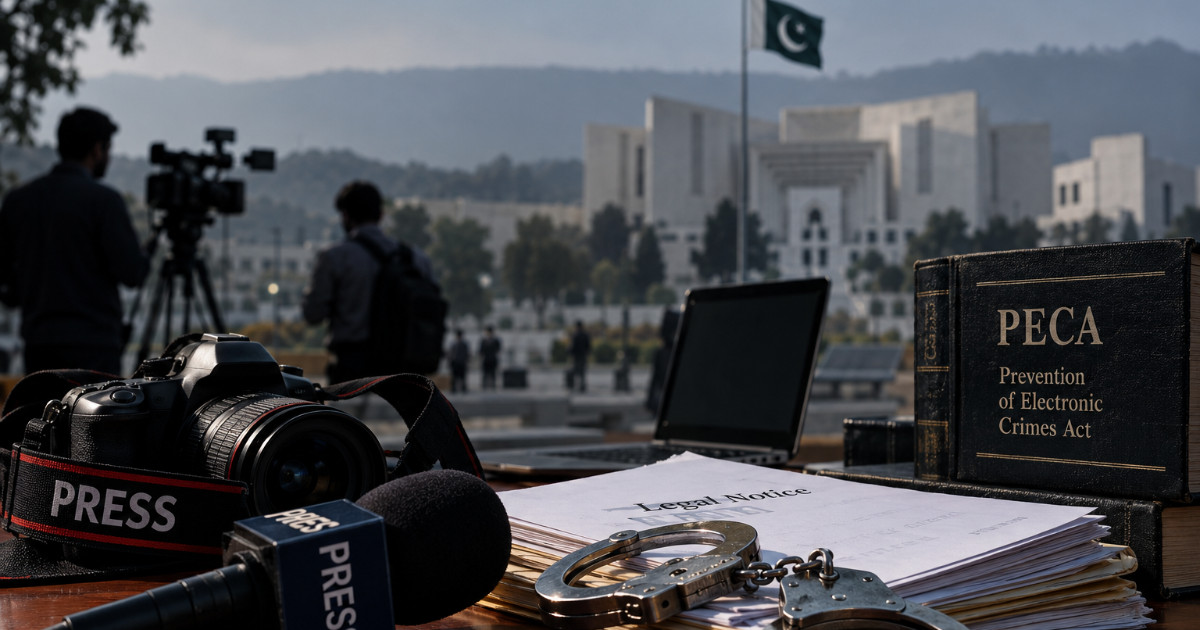
PHOTO: AI-generated; for illustrative purposes only.
Key Points
- Legal and administrative pressures, including PECA cases and criminal probes, are increasingly affecting journalists.
- Reports from Freedom Network and Pakistan Press Foundation highlight impunity and inadequate protection mechanisms.
- Economic insecurity - unpaid salaries and employment uncertainty - is a major concern for newsrooms.
- Nationwide journalists' protests and calls for employment protections gained prominence during the period.
- High-profile cases, such as Iqrar-ul-Hassan's bail, and regional disputes in Balochistan, Sindh and AJK shaped coverage.
Key Questions & Answers
What does the review cover?
The biweekly review examines legal, economic and safety developments affecting Pakistan's media, including monitoring reports, court proceedings, protests and newsroom conditions.
What is the Freedom Network Impunity Report 2026?
It is a monitoring assessment that documents how legal and administrative processes impose professional, financial and psychological costs on journalists, even without convictions.
What recent legal developments are highlighted?
The edition notes prolonged PECA proceedings, criminal investigations into journalists, and notable bail developments such as in Iqrar-ul-Hassan's case.
What actions are journalists demanding?
Journalists have staged protests and are calling for stronger employment protections, timely salaries, effective safety mechanisms and clearer legal safeguards.
Relevant Topics
Ask AI: Understand this story your way
AI EnabledDig deeper, ask anything — get instant context, background, and clarity.
Disclaimer: This feature is powered by AI and is intended to help readers explore and understand news stories more easily. While we strive for accuracy, AI-generated responses may occasionally be incomplete or reflect limitations in the underlying model. This feature does not represent the editorial views of JournalismPakistan. For our full, verified reporting, please refer to the original article.