

India journalist searches raise press freedom concerns
JournalismPakistan.com | Published: 19 August 2026 | JP Asia Desk
Join our WhatsApp channel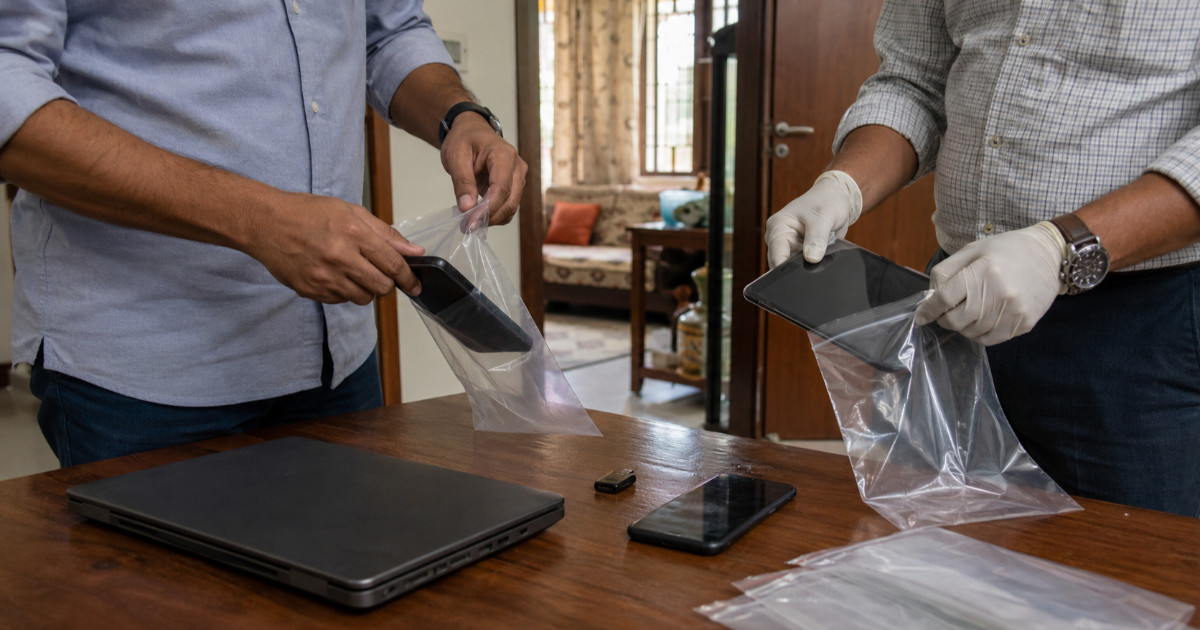
Police searched journalist Ravi Nair's homes in Delhi and Kerala and seized phones and laptops, including devices of his son and a colleague, over his social media posts about a US report; media groups warned this risks press freedom and evidence integrity.Summary
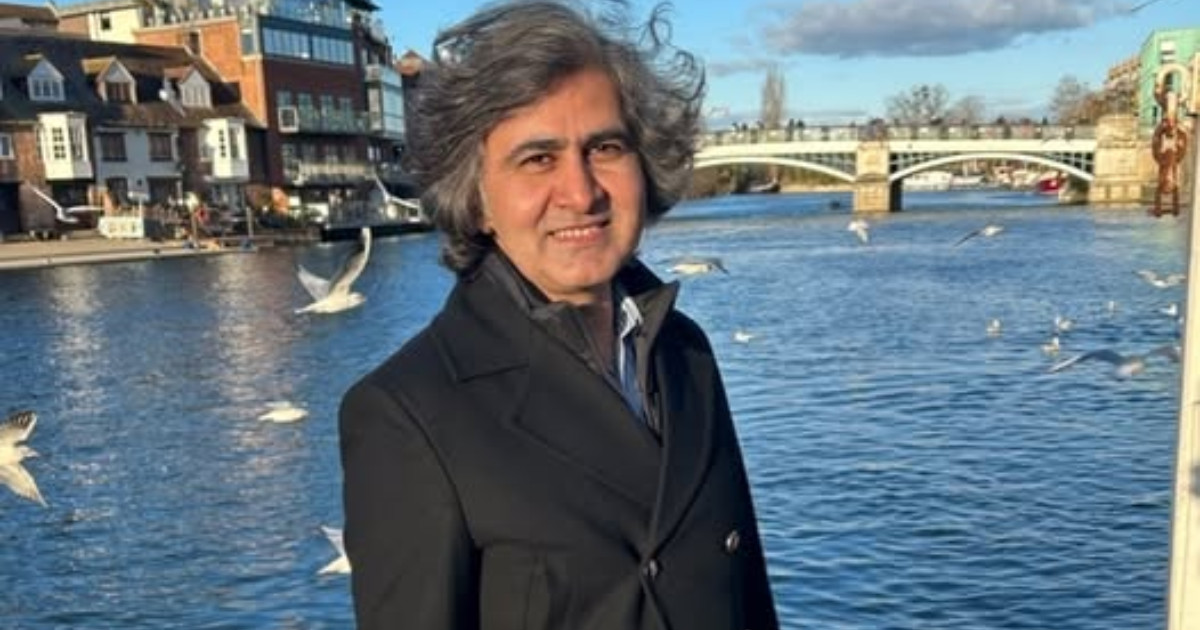
NEW DELHI — Indian media organizations have condemned Gujarat Police searches at the residences of independent journalist Ravi Nair and the seizure of electronic devices in a case arising from his social media posts about an investigation he co-authored for The Washington Post.
Police conducted simultaneous searches at Nair’s homes in Delhi and Kerala on August 17 under a warrant issued by an Ahmedabad court. Two of Nair’s mobile phones were seized in Kerala, while officers took a laptop belonging to his son and a laptop and iPad belonging to his colleague Sachi Hegde from the Delhi residence, according to Indian media reports. Neither Nair’s son nor Hegde has been named as an accused in the case.
Concerns over seizure of unrelated devices
The Press Club of India said it was shocked by the police action and described the seizure of devices belonging to people unconnected to the case as “extremely disturbing.” It said the searches and confiscations presented a “sorry picture of press freedom in India” and amounted to a “clampdown on information.”
The organization also raised concerns that police had reportedly not supplied hash values for the confiscated devices. A hash value functions as a unique digital fingerprint, allowing changes made to data after seizure to be detected. The Press Club said the absence of this safeguard created concerns about the integrity of the devices and their contents.
Case stems from Washington Post investigation
The police action is connected to posts Nair published on X about an October 2025 Washington Post investigation that he co-authored. The article alleged that Indian officials had developed a proposal to direct about $3.9 billion in investments from the state-owned Life Insurance Corporation of India to Adani Group businesses.
LIC rejected the allegations and said its investment decisions were made independently under board-approved policies and after due diligence. The Adani Group also denied involvement in any alleged government plan to direct LIC investments toward its companies. The competing claims remain disputed.
An employee of Adani Ports and Special Economic Zone filed a complaint alleging that Nair had circulated false or fabricated information that damaged the reputation of the group. Gujarat Police subsequently registered a first information report under provisions of the Bharatiya Nyaya Sanhita relating to cheating and the alleged use or forgery of documents and electronic records.
The Gujarat High Court declined on August 11 to quash the FIR. Nair’s counsel argued that LIC’s denial of the article’s claims did not by itself establish that documents used in the reporting were forged. The court held that the authenticity of the material was a matter for investigation. An Ahmedabad court later authorized police to search Nair’s residences for evidence and electronic devices relevant to the case.
DIGIPUB News India Foundation also condemned the manner in which the searches were carried out. It said the confiscation of private devices belonging to people who were not accused raised serious questions about the legal basis, necessity and proportionality of the action.
The controversy has renewed concern about the exposure of journalists’ confidential material and sources when authorities seize phones, computers and other digital equipment. Media organizations argue that searches involving journalistic devices require strict procedural safeguards because such equipment can contain unpublished reporting, source identities and information unrelated to the investigation.
For independent journalists reporting on powerful political or corporate interests, the case underlines how criminal investigations and broad digital searches can impose legal, professional and financial pressure even before a court determines whether an offense occurred.
ATTRIBUTION: Based on public statements issued by the Press Club of India and DIGIPUB News India Foundation on August 18, 2026, with additional context from the Gujarat High Court proceedings and reporting by The News Minute, ThePrint and Scroll.
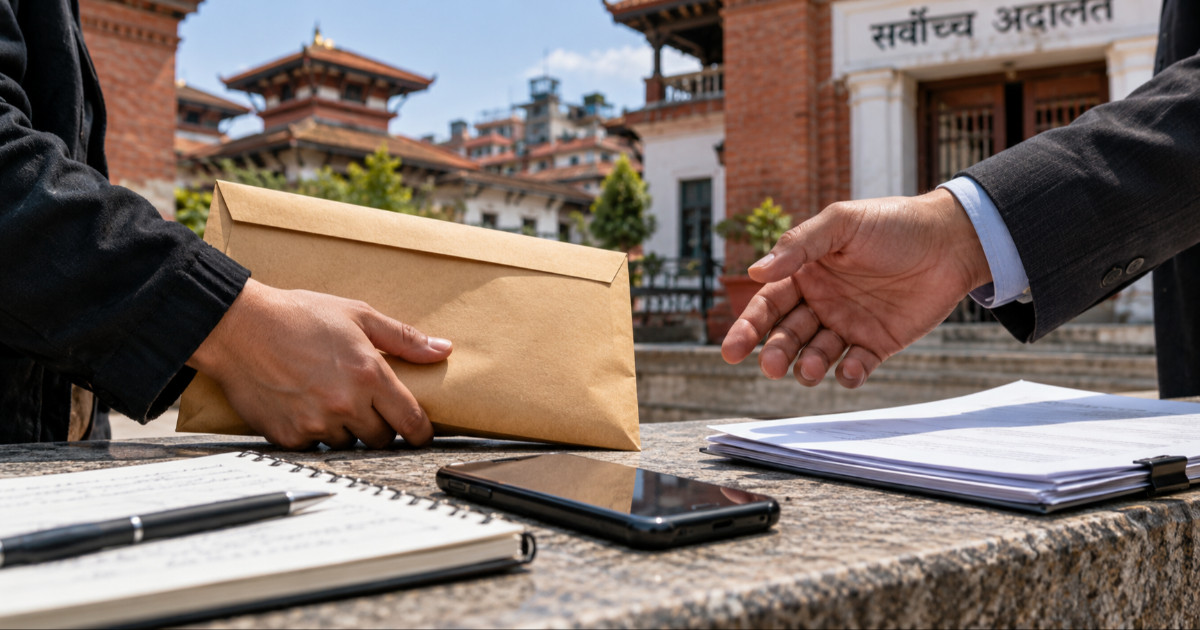
PHOTO: AI-generated; for illustrative purposes only.
Key Points
- Gujarat Police executed searches at Ravi Nair's homes in Delhi and Kerala.
- Authorities seized mobile phones and laptops, including devices belonging to his son and a colleague.
- Searches were tied to Nair's social media posts about a Washington Post investigation.
- Press Club of India decried seizure of unrelated devices as deeply troubling.
- Concerns were raised that police did not provide hash values, risking evidence integrity.
Key Questions & Answers
Why were searches carried out at Ravi Nair's homes?
Police say the searches relate to a probe connected to Nair's social media posts about a Washington Post investigation.
What devices were seized during the searches?
Authorities confiscated mobile phones and laptops, including devices belonging to Nair's son and a colleague.
Why are media groups concerned?
Media bodies said seizing devices of people not named in the case and failing to provide hash values threatens press freedom and evidence integrity.
What is a hash value and why does it matter?
A hash value is a digital fingerprint that verifies data has not been altered after seizure; absence of hash values raises concerns about the integrity of confiscated data.
Relevant Topics
Ask AI: Understand this story your way
AI EnabledDig deeper, ask anything — get instant context, background, and clarity.
Disclaimer: This feature is powered by AI and is intended to help readers explore and understand news stories more easily. While we strive for accuracy, AI-generated responses may occasionally be incomplete or reflect limitations in the underlying model. This feature does not represent the editorial views of JournalismPakistan. For our full, verified reporting, please refer to the original article.