

Social media registration plan raises journalism concerns
JournalismPakistan.com | Published: 26 November 2026 | JP Staff Report
Join our WhatsApp channel
Pakistan plans mandatory registration for major social media platforms, streaming services and prominent digital creators under a regulator set up via recent PECA amendments, raising concerns about regulatory scope and impacts on independent online journalism and freedom of expression.Summary
Pakistan's plans to require major digital content creators to register with a government regulator raise questions about the future of independent online journalism, regulatory oversight and freedom of expression.
ISLAMABAD — Pakistan's plans to introduce mandatory registration for social media platforms, streaming services, and major digital content creators have raised questions about the regulatory obligations independent journalists and digital news organizations could face.
Interior Minister Mohsin Naqvi outlined the measures on November 24 at an international seminar titled "Social Media Platforms and the Post-truth Era," organized by the Sustainable Development Policy Institute (SDPI) in Islamabad.
Registration and accountability
Under the minister's framework, the Social Media Protection and Regulatory Authority (SMPRA), established under the 2025 amendments to the Prevention of Electronic Crimes Act (PECA), would oversee registration.
Naqvi maintained that registration was intended to establish accountability rather than suppress legitimate expression. However, the reported remarks did not specify the criteria for identifying major content creators, the registration deadline, or whether independent digital news organizations would be subject to separate requirements.
Implications for independent journalism
The distinction between social media influencers, independent journalists and digital news publishers will be particularly important as the regulatory framework takes shape.
In Pakistan, digital platforms have provided journalists with opportunities to establish independent news operations, reach audiences directly and continue reporting outside traditional media institutions.
For journalists who have lost their jobs following newsroom closures, restructuring and financial difficulties at established media organizations, digital publishing has also offered an alternative means of professional survival.
Depending on how registration requirements are defined and implemented, independent journalists could face additional administrative obligations and regulatory scrutiny.
Questions also remain about whether registration will be a straightforward administrative process or involve conditions that could affect the ability of individuals and organizations to publish news.
Government outlines enforcement approach
Naqvi identified terrorism, hate speech, incitement to violence and the sexual exploitation of children as areas where the government would insist on action by technology companies.
He maintained that criticism of the government and legitimate dissent should remain permissible.
The proposed enforcement process would begin with engagement with platforms before progressing to formal notices and penalties, with platform-wide blocking reserved as a final measure.
The government also intends to require technology companies to designate representatives authorized to respond to regulatory concerns involving Pakistan.
While measures addressing serious online harm serve a legitimate public interest, their implementation will require clear distinctions between unlawful content, legitimate journalistic reporting and criticism of public institutions.
Changes to cybercrime complaints
The minister also announced plans to integrate complaints handled by the National Cyber Crime Investigation Agency (NCCIA) into the PakID application and develop a centralized complaint-tracking mechanism.
A more accessible complaints system could benefit journalists experiencing online harassment, threats and digital abuse.
However, safeguards will be equally important to prevent complaints mechanisms from being misused against journalists undertaking legitimate professional work.
JournalismPakistan's previous reporting has documented instances in which cybercrime complaints, investigation notices and legal proceedings have placed journalists under pressure over their reporting and online commentary.
The need for regulatory safeguards
JournalismPakistan reported in March 2026 that the federal government had appointed the chairman and members of the new social media authority, advancing the implementation of the amended cybercrime law.
The latest announcements represent a further step toward establishing a more extensive system of oversight over Pakistan's digital information environment.
For independent media organizations, the central questions concern the transparency of registration procedures, the scope of regulatory powers, the availability of independent appeals and the protection of editorial autonomy.
Publication of detailed registration requirements and meaningful consultation with independent digital publishers, journalist unions and press freedom organizations would help clarify the implications of the proposed measures.
Ultimately, the impact of the regulatory framework on journalism will depend not only on the government's stated objectives but also on how the rules are interpreted, enforced and subjected to independent scrutiny.
ATTRIBUTION: Based on Associated Press of Pakistan and Arab News reporting on Interior Minister Mohsin Naqvi's November 24, 2026, address at the SDPI seminar in Islamabad, and JournalismPakistan's previous reporting and analysis on PECA, media regulation, and digital journalism.
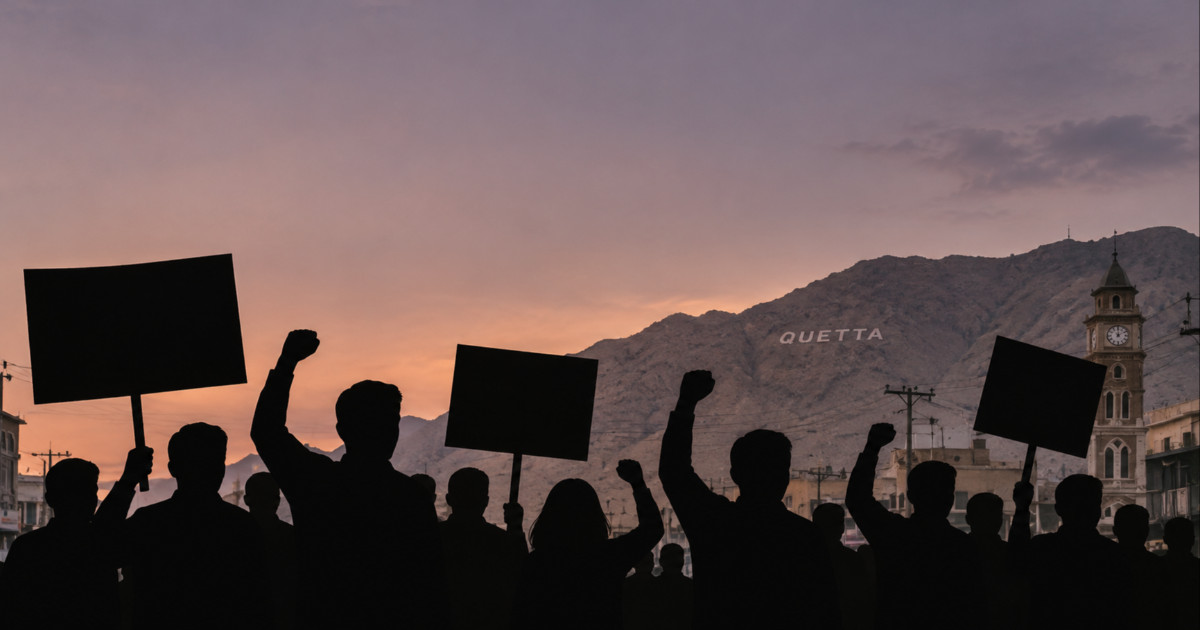
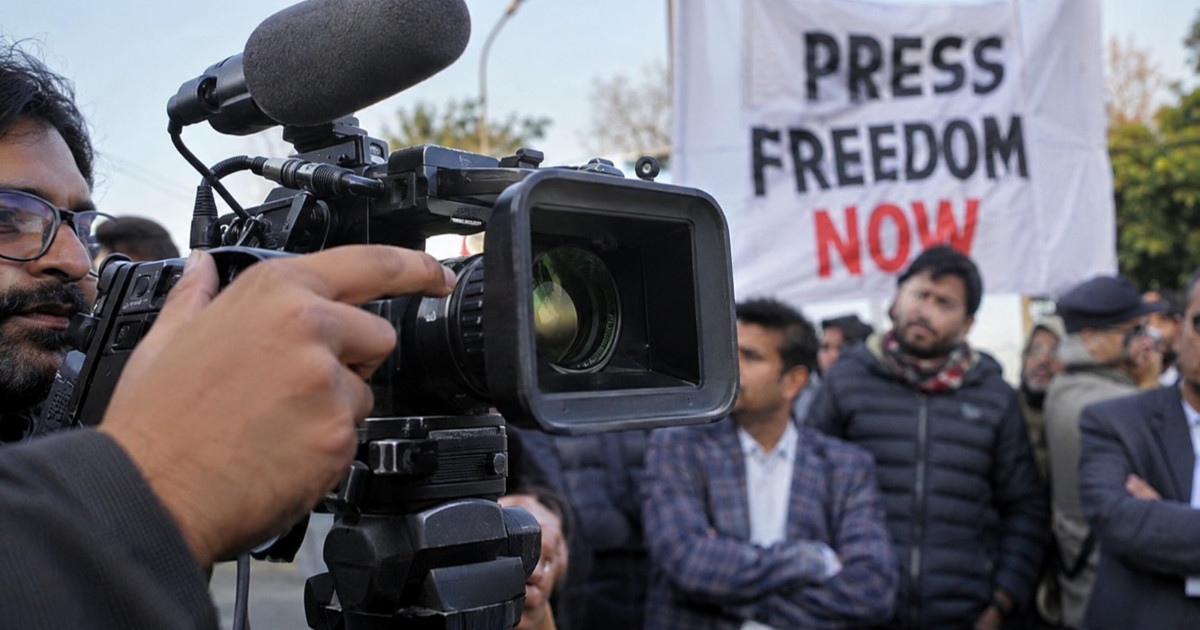
PHOTO: Pakistan's proposed social media registration framework raises questions about regulatory oversight and the future of independent digital publishing. (Illustrative image)
Key Points
- Government proposes mandatory registration for major social media platforms, streaming services and digital creators.
- The Social Media Protection and Regulatory Authority (SMPRA) would oversee registration under 2025 PECA amendments.
- Criteria for identifying "major" creators, registration deadlines and specific obligations remain unspecified.
- Distinguishing between influencers, independent journalists and digital news outlets will be crucial to policy outcomes.
- Observers warn the measures could affect freedom of expression and independent online journalism if not clearly limited.
Key Questions & Answers
What is the government proposing?
The government is proposing mandatory registration for major social media platforms, streaming services and prominent digital content creators under a regulator established through recent PECA amendments.
Who would oversee the registration?
The plan names the Social Media Protection and Regulatory Authority (SMPRA), created under 2025 amendments to the Prevention of Electronic Crimes Act (PECA), as the overseeing body.
Will independent journalists and digital news outlets be required to register?
Officials have not clarified whether independent journalists or digital news organisations will face separate or the same registration requirements; criteria for who counts as "major" remain unspecified.
What are the main concerns about the proposal?
Observers worry the rules could broaden regulatory oversight, blur lines between influencers and journalists, and potentially chill independent online journalism and freedom of expression if safeguards are not specified.
Relevant Topics
Ask AI: Understand this story your way
AI EnabledDig deeper, ask anything — get instant context, background, and clarity.
Disclaimer: This feature is powered by AI and is intended to help readers explore and understand news stories more easily. While we strive for accuracy, AI-generated responses may occasionally be incomplete or reflect limitations in the underlying model. This feature does not represent the editorial views of JournalismPakistan. For our full, verified reporting, please refer to the original article.