
.png)
Pakistan Media Monitor | Edition 13 | November 10-23, 2026
JournalismPakistan.com | Published: 23 November 2026 | JP News Desk
Join our WhatsApp channel
In the fortnight of Nov 10-23, Pakistan's journalists faced renewed legal pressure, arrests, bureau closures, layoffs and delayed wages while unions and a parliamentary committee pushed for protections and government action.Summary
A biweekly review of Pakistan's journalism, television, digital media, press freedom, regulation, and media business developments.
Editor's note
Pakistan's journalism industry faced another difficult fortnight as legal pressure, physical threats and economic insecurity continued to affect journalists across the country.
The Pakistan Federal Union of Journalists intensified its campaign for press freedom and employment protections, while a National Assembly committee set a deadline for government action on unpaid media salaries. In Quetta, journalists began protesting against television bureau closures, layoffs and delayed wages.
The arrest of journalist Shahid Maitla, the rejection of his bail application, a reported NCCIA summons to television anchor Junaid Saleem, and incidents involving attacks and reported disappearances raised further concerns about journalists' safety and due process.
JournalismPakistan's original reporting examined the deeper structural problems behind these developments, including the vulnerability of district journalists, the absence of reliable workforce figures, weak enforcement of employment laws and questions about regulatory accountability.
The developments reinforce a familiar concern: Pakistan has laws, unions and institutions intended to protect journalism, but their effectiveness remains open to serious scrutiny.
This edition reviews the principal developments from November 10 to 23, examines their implications and identifies the issues requiring attention in the coming fortnight.
Top story
Pakistan's journalists confront a deepening employment crisis
Pakistan's journalists moved from renewed complaints about deteriorating employment conditions to coordinated protests and demands for government intervention during November 10–23.
The Pakistan Federal Union of Journalists (PFUJ) launched a nationwide campaign bringing together demands for press freedom, unpaid salaries, job security and stronger legal protections. A two-day protest camp in Karachi called for action against restrictive media laws, forced dismissals and declining employment standards.
At the parliamentary level, the National Assembly Standing Committee on Information and Broadcasting instructed the Information Ministry to produce an action plan on salary delays and layoffs within 15 days. The directive followed repeated complaints that media organisations were failing to meet their obligations to employees.
Elsewhere, the reported dismissal of more than 20 GNN employees drew condemnation from the National Press Club, while journalists in Quetta began a two-day protest on November 23 against television bureau closures, layoffs and unpaid wages.
The Balochistan Assembly had earlier adopted a resolution referring to 11 closed television bureaus and more than 122 affected employees.
These developments point to a problem extending beyond individual news organisations. Journalists face declining job security, uncertain wages and shrinking reporting opportunities, while existing mechanisms for enforcing employment rights have struggled to produce lasting results.
The central question is whether the latest union campaign and parliamentary intervention will bring meaningful enforcement or become another chapter in Pakistan's long history of unresolved media labour disputes.
Key themes
Legal scrutiny remains a major press freedom concern. The arrest of journalist Shahid Maitla, the rejection of his bail application and a reported NCCIA summons to television anchor Junaid Saleem renewed attention on the use of cybercrime investigations involving journalists. JournalismPakistan's examination of 28 reports published during 2026 provides wider context.
Journalists' safety remains uncertain. An assault on a reporter in Swat, an attack that injured journalist Saeed Gul and members of his family in Peshawar, and the reported disappearance of two South Waziristan journalists highlighted different forms of personal risk. The circumstances and motives of these incidents require separate investigation.
Economic insecurity is driving collective action. The PFUJ campaign, GNN layoffs, unpaid salary complaints and Quetta protests show how employment protection has become central to the national media debate. The parliamentary deadline for an action plan provides an immediate test of the authorities' response.
Provincial and district reporting face structural weaknesses. The closure of television bureaus in Balochistan and JournalismPakistan's investigation into district journalists' representation expose the vulnerability of news coverage outside major cities.
Media institutions face questions of accountability. The operation of journalist-protection commissions, oversight of regulators, and implementation of employment laws remain recurring concerns. The problem is not simply whether protection mechanisms exist, but whether journalists can use them effectively.
Digital journalism faces overlapping pressures. Cybercrime investigations, online harassment and changing audience relationships are creating new challenges for reporters and independent news publishers.
The profession is confronting its history and future simultaneously. The death of veteran journalist Hussain Naqi, international recognition for Haroon Janjua and renewed attention to Pakistan's press freedom history provided a broader perspective on the profession's challenges.
Press freedom and legal affairs
PFUJ campaign unites press freedom and employment demands
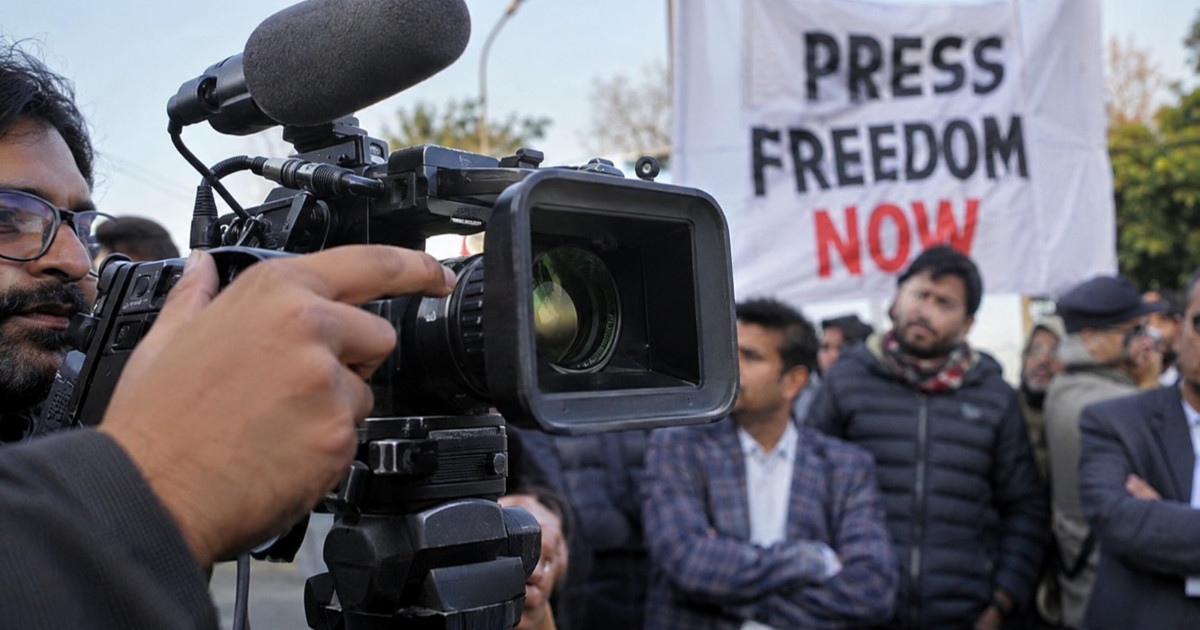
The Pakistan Federal Union of Journalists launched a nationwide campaign on November 10 to demand stronger protections for journalists and media workers. A two-day protest camp organised by the Karachi Union of Journalists outside the Karachi Press Club brought together journalists, trade union representatives, rights organisations and political figures. Participants called for the repeal of restrictive provisions of the Prevention of Electronic Crimes Act (PECA), an audit of actions taken against media professionals, stronger journalist-protection mechanisms, an end to forced layoffs and delayed salaries, a health card scheme and the Ninth Wage Board Award. A signature campaign sought wider public support. (The News International, November 11–12, 2026; Dawn, November 12, 2026)
Why it matters: The campaign brings press freedom and journalists' economic security into a common national agenda. Its effectiveness will depend on whether participating organisations can secure enforceable commitments rather than further assurances.
Freedom Network records five October cases
Freedom Network's October monitoring report, released in November, recorded five cases involving journalists and media workers across Pakistan. The findings covered concerns about journalists' safety and legal pressures. The monitoring period also included developments involving members of the Khyber District Press Club, who later ended their boycott of police functions following an apology and mediation. (Freedom Network, November 13, 2026; Dawn, November 5, 2026)
Why it matters: Regular monitoring helps document threats and legal pressures that might otherwise receive limited national attention. The figures also provide a basis for assessing whether reported violations are investigated and addressed.
HRCP warns of growing threats to freedom of expression
The Human Rights Commission of Pakistan (HRCP), following its 40th annual general meeting on November 15, warned that censorship, surveillance and restrictive legal practices were weakening freedom of expression. Its concerns reinforced earlier warnings from journalists and rights organisations about pressure on independent reporting and digital expression. (Human Rights Commission of Pakistan, November 15, 2026)
Why it matters: The warning highlights the broader human rights implications of restrictions on journalism and online expression. It also underlines the need for independent oversight of measures that can discourage legitimate public-interest reporting.
Quetta court rejects journalist Shahid Maitla's bail
A judicial magistrate in Quetta rejected journalist Shahid Maitla's bail application on November 21, leaving him in judicial custody in a case registered under PECA. Maitla was arrested in Islamabad on November 17 and transferred to Quetta following a complaint by former caretaker prime minister Anwaar-ul-Haq Kakar concerning allegedly defamatory online content. Journalist organisations criticised the proceedings, while PFUJ President Afzal Butt said the union was considering further legal options. The rejection of bail does not establish guilt. (JournalismPakistan, November 18 and 21, 2026; PFUJ President Afzal Butt, November 21; Dawn, November 22, 2026)
Why it matters: Maitla's continued detention raises concerns about due process, cybercrime enforcement and the consequences of legal proceedings involving journalists. The case adds to a documented pattern of NCCIA scrutiny during 2026.
Swat journalist injured in assault
Malik Quwat Khan, a correspondent for 92 News, suffered a fractured arm and head injuries after being assaulted while verifying a reported arrest in Swat. The Khyber Union of Journalists condemned the attack, while the Pakistan Federal Union of Journalists demanded action against those responsible. Police registered a case, according to the union, but the motive and outcome of the investigation remained unclear. (APP/UrduPoint, November 18, 2026; International Federation of Journalists, November 19, 2026)
Why it matters: The incident underscores the risks journalists face while carrying out routine reporting assignments. A transparent investigation is necessary to establish responsibility and determine whether the assault was connected to the journalist's work.
AJK journalist's Fourth Schedule listing draws RIUJ protest
The Rawalpindi Islamabad Union of Journalists urged the Azad Jammu and Kashmir government on November 21 to remove journalist Soban Iftikhar Raja's name from the Fourth Schedule. The union warned that placing journalists under such restrictions could undermine press freedom and discourage independent reporting. The statement did not specify the legal grounds for his inclusion. (RIUJ statement, November 21, 2026; JournalismPakistan, November 22, 2026)
Why it matters: The case raises concerns about the use of counterterrorism monitoring provisions involving journalists and highlights the importance of transparency, due process and safeguards against restrictions on legitimate reporting.
Journalist Saeed Gul, family injured in Peshawar attack
Senior journalist Saeed Gul, also known as Musawir Qureshi, and members of his family were injured in an attack on their Peshawar home. His son Aman Saeed suffered multiple stab wounds and underwent surgery. The Province reported on November 22 that police had arrested one suspect and were searching for others. On November 23, KP governor's adviser Samar Haroon Bilour condemned the attack and called for arrests and protection for the family. (The Province, November 22, 2026; Associated Press of Pakistan, November 23, 2026)
Why it matters: The attack raises concerns about the personal safety of journalists and their families. The motive remains unclear, and no connection to Gul's journalistic work has been established.
Families report disappearance of two South Waziristan journalists
Families reported that Shabbir Ahmed, president of the Sarwakai Tehsil Press Club, fellow journalist Arfatullah and office worker Din Muhammad were taken away by uniformed men from a hujra in Peshawar. According to TNN English on November 23, police began an inquiry, but the men's whereabouts and the identity of those responsible remained unclear. No FIR had been registered at the time of reporting. (TNN English, November 23, 2026; JournalismPakistan, November 23, 2026)
Why it matters: The case raises concerns about journalists' safety, particularly those working in or displaced from conflict-affected regions. Prompt police action, accountability and transparent investigations are essential in reported disappearance cases.
NCCIA summons television anchor Junaid Saleem
The National Cyber Crime Investigation Agency reportedly issued a notice to television anchor and GNN CEO Junaid Saleem over allegations of disseminating false or misleading information online. The notice, dated November 22, required him to appear before investigators in Islamabad on November 24. The inquiry was reportedly being conducted under Section 160 of the Code of Criminal Procedure. The specific content prompting the investigation remained unclear. (Daily Pakistan, November 23, 2026; Islamabad Tribune, November 22, 2026)
Why it matters: The summons adds to a series of NCCIA actions involving journalists and online commentators, raising questions about investigative transparency, disclosure of allegations, and safeguards for legitimate journalistic activity.
Television and broadcasting
Absa Komal joins HUM News with new current affairs show
Television anchor Absa Komal joined HUM News to host Question Hour with Absa Komal, scheduled to air Friday through Sunday at 8:03 pm. HUM News and Komal announced the appointment through their social media accounts. The move gives the journalist a regular current affairs platform following her departure from BOL News earlier this year. JournalismPakistan reported on September 16 that her departure followed controversy over remarks she made about unpaid salaries during a journalists' protest. However, no confirmed reason for her separation from BOL News has been established. Komal has previously worked with Geo News and Dawn News. (JournalismPakistan, November 12 and September 16, 2026; HUM News and Absa Komal announcements, November 2026)
Why it matters: The appointment illustrates movement among established current affairs presenters in Pakistan's competitive television industry. It also follows wider concerns about employment conditions and the treatment of journalists who publicly question newsroom management.
Digital media and social platforms
JP review documents recurring NCCIA scrutiny of journalists
A JournalismPakistan Special Report published on November 19 examined 28 stories published between February 13 and November 18, 2026, involving NCCIA investigations, PECA proceedings, journalists' complaints and court interventions. The review identified recurring instances of journalists facing summonses, investigations, detention and legal challenges connected with online expression. It also examined judicial interventions and concerns raised by journalist organisations about procedural fairness. The report followed the arrest of Shahid Maitla. (JournalismPakistan Special Report, November 19, 2026)
Why it matters: The investigation places individual cybercrime cases within a documented pattern of legal scrutiny. It raises broader questions about investigative transparency, procedural safeguards and the cumulative effect of repeated legal action on independent journalism.
JP places Pakistan's cybercrime concerns in Asian context
JournalismPakistan's November 18 analysis compared concerns about Pakistan's PECA legislation and NCCIA investigations with legal pressures affecting journalists in five other Asian jurisdictions. It examined how cybercrime laws, criminal defamation and security legislation can create risks for independent reporting. (JournalismPakistan original analysis, November 18, 2026)
Why it matters: The regional comparison helps explain why journalists' organisations in Pakistan are seeking stronger safeguards against the misuse of cybercrime legislation and investigative powers.
Islamabad journalists face growing online harassment
A contributed feature published by JournalismPakistan on November 20 examined digital threats faced by journalists working in Islamabad. Written by Muhammad Faizan Aslam Khan, the report explored how online harassment, intimidation, trolling and threats involving personal information can affect journalists' safety and professional independence. It drew on interviews with journalists and contextual reporting about digital rights and newsroom responsibilities. (Muhammad Faizan Aslam Khan, JournalismPakistan, November 20, 2026)
Why it matters: Digital harassment can expose journalists to risks beyond their workplaces and reporting assignments. News organisations need effective procedures to protect staff, document threats and support journalists facing coordinated online abuse.
JP analysis examines news websites' changing audience relationships
A JournalismPakistan analysis published on November 14 examined how news websites are losing direct connections with readers as search engines, social platforms and artificial intelligence increasingly influence news discovery and consumption. The analysis explored the implications for independent publishers seeking to maintain audience loyalty, visibility, and sustainable business models. (JournalismPakistan analysis, November 14, 2026)
Why it matters: News publishers that depend heavily on outside platforms for traffic may struggle to maintain direct reader relationships and develop sustainable revenue models. The challenge is particularly significant for smaller independent newsrooms.
Media business and sustainability
Parliamentary deadline set for unpaid media salaries plan
The National Assembly Standing Committee on Information and Broadcasting directed the Information Ministry on November 10 to submit a comprehensive plan within 15 days addressing unpaid salaries and layoffs in media organisations. Lawmakers expressed concern about employers failing to pay workers despite government payments to media outlets. Officials also reported that requested information about salary arrears had not been received from a media workers' representative organisation. The November 25 deadline represents an important test of whether parliamentary concern will translate into a workable response. (National Assembly Standing Committee on Information and Broadcasting, November 10, 2026; Associated Press of Pakistan, November 10, 2026; JournalismPakistan, November 16, 2026)
Why it matters: The deadline creates an opportunity for parliamentary oversight to move beyond discussion. However, without verified salary data, enforceable measures and clear employer accountability, workers may continue to face delayed payments and job insecurity.
APNS warns delayed government payments threaten newspapers
The All Pakistan Newspapers Society warned that delays in government advertising payments were aggravating financial difficulties across Pakistan's newspaper industry. At an executive committee meeting chaired by Senator Sarmad Ali, the organisation expressed dissatisfaction with the Press Information Department over outstanding advertising dues. It also raised concerns about delayed payments for May and June by the Sindh Information Department. APNS demanded greater transparency in payments against published advertisements and urged simplification of newspaper registration procedures through stakeholder consultations. (Dawn, November 14, 2026, reporting the APNS executive committee statement)
Why it matters: Delayed government advertising payments can intensify cash-flow problems for newspapers already facing declining advertising revenues and rising operating costs. The dispute also highlights the industry's continuing financial dependence on government advertising.
GNN layoffs draw condemnation from National Press Club
The National Press Club Islamabad condemned the reported dismissal of more than 20 GNN employees, including reporters, cameramen, assignment editors and technical staff. It demanded their immediate reinstatement, payment of outstanding salaries and protection of their employment rights. The development added to growing concerns over job insecurity, layoffs and employment practices in Pakistan's television industry. (National Press Club Islamabad statement, November 16, 2026; JournalismPakistan, November 16, 2026)
Why it matters: Continued staff reductions and salary disputes highlight the financial insecurity of media workers and the need for stronger employment protections.
JP FIVE examines decline of local journalism
JournalismPakistan launched JP FIVE on November 17 with an original explainer examining five reasons local journalism is declining in Pakistan: shrinking revenues, poorly paid district correspondents, reduced local coverage, safety risks and the challenges of digital transformation. The report explored how these pressures affect the availability of reliable information outside major cities. (JournalismPakistan, November 17, 2026)
Why it matters: The weakening of local journalism reduces scrutiny of district administrations and limits communities' access to reliable public-interest reporting.
Who represents Pakistan's district journalists?
JournalismPakistan launched its new Monday series, The Missing Story, on November 23 with a special report examining gaps in the representation, employment security and protection of district journalists. Drawing on previous JP reporting and independent research, the report questioned whether national journalist unions, press clubs and media employers adequately support correspondents working outside major cities. It highlighted concerns about unpaid work, missing employment contracts, financial insecurity and inconsistent access to institutional assistance. (JournalismPakistan, November 23, 2026)
Why it matters: District correspondents are essential to national news coverage, but weak employment protections and uneven institutional support can leave them vulnerable to exploitation, intimidation and professional isolation.
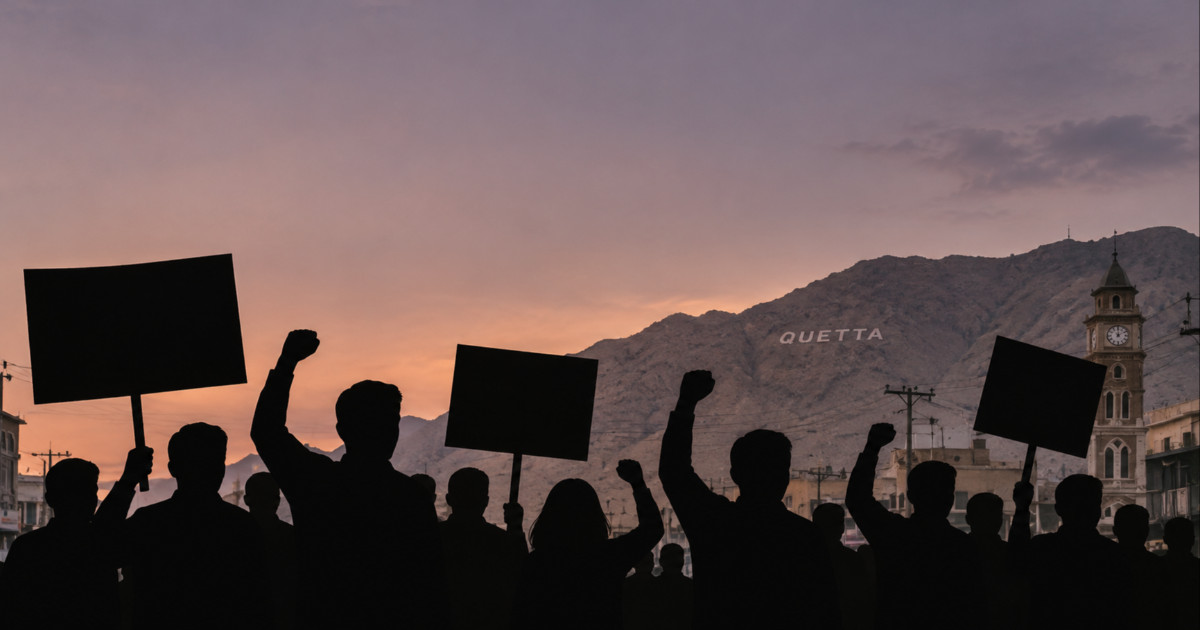
Quetta journalists begin protest against bureau closures
Journalists in Quetta began a two-day protest on November 23 against television bureau closures, layoffs, unpaid salaries and legal pressure under PECA. The demonstration followed a November 20 Balochistan Assembly resolution calling for closed bureaus to reopen and dismissed media workers to be reinstated. The resolution referred to 11 closed bureaus and more than 122 affected employees. The protest formed part of the PFUJ's broader campaign for journalists' employment rights and press freedom. (JournalismPakistan, November 23, 2026; Balochistan Assembly resolution, November 20, 2026; Dawn, November 21, 2026)
Why it matters: Bureau closures weaken provincial reporting, reduce employment opportunities and leave Balochistan increasingly underrepresented in national television news.
JP analysis
Why are media owners not held accountable for unpaid wages?
A JournalismPakistan analysis published on November 10 examined why delayed and unpaid salaries remain a persistent problem in Pakistan's media industry despite existing labour laws and regulatory mechanisms. It highlighted weak enforcement, limited accountability for media employers, and the difficulties journalists face in recovering their wages. The analysis also examined a National Assembly committee's directive to the Information Ministry to prepare a plan addressing unpaid salaries and layoffs. (JournalismPakistan analysis, November 10, 2026)
Why it matters: Unpaid wages threaten journalists' livelihoods, undermine newsroom independence and expose weaknesses in labour protections. Without effective enforcement and employer accountability, the problem is likely to persist.
Seventeen years of JP reporting reveal persistent media problems
A JournalismPakistan Special Report published on November 12 examined how unpaid salaries, newsroom layoffs, threats to journalists and weak enforcement have persisted despite repeated reforms and official interventions. Drawing on reporting dating back to 2009, the analysis identified institutional weaknesses, changing media economics and inconsistent accountability as recurring factors behind these problems. (JournalismPakistan Special Report, November 12, 2026)
Why it matters: The report connects today's media challenges with longstanding structural weaknesses, showing why temporary interventions have often failed to produce lasting improvements.
Who is watching Pakistan's media regulators?
JournalismPakistan examined the accountability of Pakistan's media regulators, including PEMRA, PTA, and the agencies enforcing cybercrime laws. Drawing on recent regulatory actions and its own reporting, the November 13 analysis questioned whether existing oversight mechanisms provide sufficient transparency, independent scrutiny and safeguards against the misuse of regulatory powers. (JournalismPakistan analysis, November 13, 2026)
Why it matters: Media regulation affects press freedom, editorial independence and the public's access to information. Without effective oversight and accountability, regulatory powers risk being exercised without adequate scrutiny.
Who really controls Pakistan's newsrooms?
A JournalismPakistan Special Report published November 17 examined how media ownership, advertising dependence, government regulation, institutional influence, and financial insecurity shape editorial decisions in Pakistan. It highlighted the pressures facing editors and journalists, including self-censorship and weakened job security. (JournalismPakistan Special Report, November 17, 2026)
Why it matters: Editorial independence depends not only on journalists' professional judgment but also on their ability to resist commercial, political and institutional pressures.
Media governance
Inquiry into alleged assault on Press Council chairman continues
The National Assembly Standing Committee on Information and Broadcasting was informed on November 10 that an alleged assault involving the chairman of the Press Council of Pakistan was the subject of judicial proceedings and a separate investigation ordered by the Information Ministry. Officials told the committee that the ministry had taken notice of the allegations and constituted an inquiry committee, which was directed to submit its findings within 60 days. Lawmakers deferred further discussion pending completion of the judicial and departmental processes. No final determination about the incident or responsibility for the alleged assault was reported at the meeting. (National Assembly Standing Committee on Information and Broadcasting, November 10, 2026; Associated Press of Pakistan, November 10, 2026)
Why it matters: The incident brings scrutiny to the safety and institutional standing of a senior media-regulatory official. The outcome of the investigation and judicial proceedings will test whether the allegations receive transparent and impartial examination.
Pakistan lacks a verified count of working journalists
A November 20 JournalismPakistan Special Report examined conflicting estimates of Pakistan's journalism workforce, including the International Federation of Journalists' figure of approximately 20,000 journalists. Drawing on JP's previous investigations, the report highlighted gaps in professional records and the difficulties of counting freelancers, district correspondents and digital journalists. (JournalismPakistan Special Report, November 20, 2026)
Why it matters: Without reliable workforce data, journalist representation, welfare planning, employment protection and safety policies risk overlooking significant sections of the profession.
Policy, regulation, and courts
PPF highlights gaps in journalist-protection commission
The Pakistan Press Foundation's November 16 report identified shortcomings in the implementation of the Protection of Journalists and Media Professionals Act, 2021. As of July 31, the federal commission lacked published operating rules and clearly established complaint procedures. In October, the commission announced that it would begin accepting complaints manually while developing an online portal. (Pakistan Press Foundation, November 16, 2026; Associated Press of Pakistan, October 6, 2026; JournalismPakistan, June 5 and July 3, 2026)
Why it matters: Nearly five years after the protection law was enacted, questions remain about whether journalists can access timely and effective institutional protection.
Media industry and professional recognition
Pakistani journalist Haroon Janjua wins UNCA award
Pakistani independent journalist Haroon Janjua won the Elizabeth Neuffer Memorial Prize at the 2026 United Nations Correspondents Association Awards for his reporting for Deutsche Welle on the experiences of Afghan exiles facing deportation from Pakistan. His report documented the uncertainty facing Afghan families who had lived in Pakistan for years but were confronting displacement as relations between Islamabad and Afghanistan deteriorated. JournalismPakistan reported the award on November 11, based on information shared directly by Janjua. (JournalismPakistan, November 11, 2026; information provided by Haroon Janjua)
Why it matters: Janjua's recognition demonstrates the international relevance of independent reporting by Pakistani journalists and highlights the continuing importance of cross-border humanitarian journalism.
Mazhar Abbas book revisits Pakistan's press freedom struggles
Senior journalist Mazhar Abbas's book Media Under the Shadow of Death was launched at a gathering organised by SZABIST's Department of Social Sciences in Karachi on November 19. The event brought together journalists and academics to discuss censorship, violence against media workers and the history of resistance to restrictions on journalism. Speakers reflected on the contributions of figures including Zamir Niazi and Razia Bhatti, while emphasising the relevance of Pakistan's press freedom history to contemporary challenges. (Dawn, November 20, 2026)
Why it matters: Documenting the history of censorship and resistance helps preserve institutional memory at a time when many structural problems confronting Pakistani journalism remain unresolved.
Journalists we lost
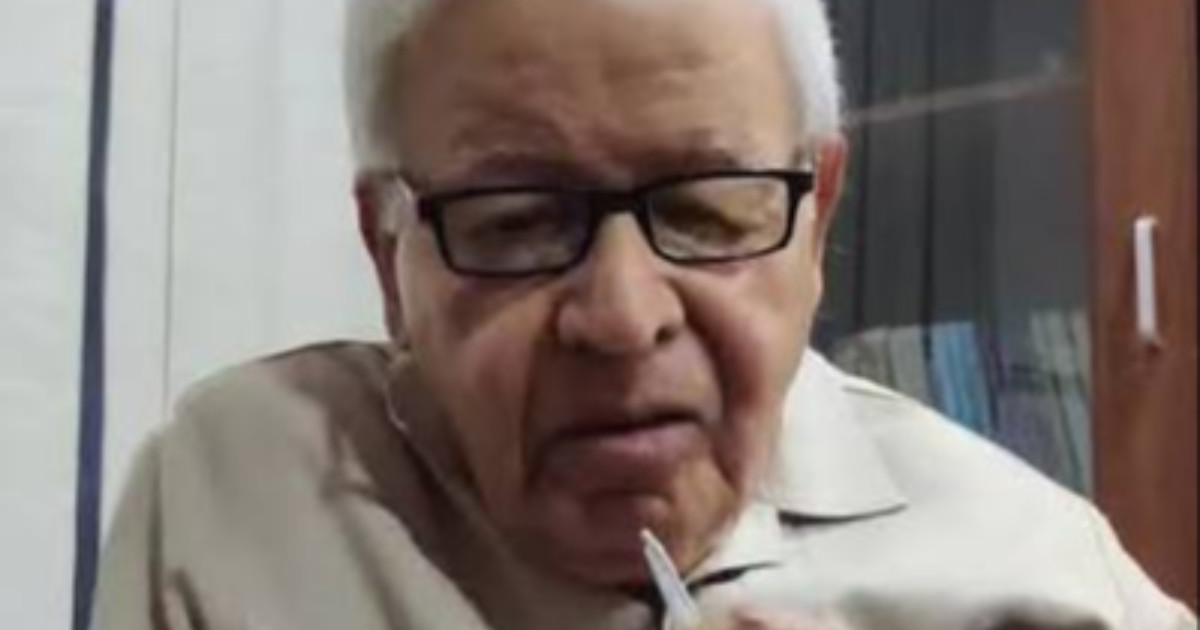
Veteran journalist Hussain Naqi dies in Lahore
Veteran journalist, editor and human rights advocate Hussain Naqi died in Lahore on November 22. A longstanding figure in Pakistan's journalists' trade union movement, Naqi spent decades campaigning against censorship and defending democratic freedoms. He was closely associated with the Human Rights Commission of Pakistan and remained an influential voice on press freedom and journalists' rights. (JournalismPakistan, November 22, 2026; Jang, November 22, 2026)
Why it matters: Naqi's death marks the passing of an influential figure from a generation of journalists who helped shape Pakistan's organised struggle for press freedom, editorial independence and journalists' rights.
The takeaway
Pakistan's media crisis is no longer adequately explained by censorship, financial difficulties or isolated attacks considered separately.
The developments of this fortnight demonstrate how these pressures can reinforce one another. Journalists facing delayed wages or insecure employment may find it harder to resist editorial interference. Newsroom closures reduce opportunities for local reporting. Legal proceedings and physical threats can further discourage independent scrutiny.
The response from unions, parliament and journalist organisations shows that these concerns remain visible. What is less clear is whether existing institutions are capable of delivering remedies.
The next test is not another declaration of support for press freedom. It is whether journalists receive overdue salaries, whether employment protections are enforced, whether reported attacks and disappearances are investigated, and whether legal proceedings involving media professionals meet appropriate standards of transparency and due process.
For Pakistan's journalism, the challenge remains one of implementation and accountability.
Editorial insight: Trend of the fortnight
Press freedom and economic survival are becoming inseparable
A significant development during November 10–23 was the increasingly direct connection between demands for press freedom and demands for economic security.
The PFUJ's nationwide campaign did not treat censorship, cybercrime investigations, unpaid wages and layoffs as unrelated issues. Instead, it brought them within a shared agenda for journalists' rights.
Developments elsewhere reinforced that connection. The National Assembly sought a response to unpaid salaries, journalists protested bureau closures in Balochistan, and the National Press Club condemned dismissals at GNN.
JournalismPakistan's reporting on district correspondents and the lack of reliable workforce figures further illustrated how employment insecurity can leave some journalists without meaningful institutional protection.
This represents a broader recognition that editorial independence cannot be sustained by legal protections alone. Journalists also require secure working conditions, timely remuneration and effective representation.
The immediate challenge for unions and policymakers is to turn this recognition into measurable improvements.
Numbers that mattered
| Figure | Significance |
|---|---|
| 15 days | Deadline set by a National Assembly committee on November 10 for the Information Ministry to submit a plan on unpaid media salaries and layoffs. |
| 11 bureaus | Closed television bureaus cited in the Balochistan Assembly resolution preceding the Quetta journalists' protest. |
| More than 122 | Employees reportedly affected by the Balochistan television bureau closures. |
| More than 20 | GNN employees reportedly dismissed, according to the National Press Club's November 16 statement. |
| 28 reports | JournalismPakistan stories published between February 13 and November 18 reviewed in its investigation of NCCIA actions involving journalists. |
| 5 cases | Incidents involving journalists and media workers recorded in Freedom Network's October monitoring report, released in November. |
| 2021 | Year Pakistan enacted its federal journalist-protection legislation, whose implementation remains under scrutiny. |
These figures relate to different reporting periods and categories. They should not be combined into a single total of incidents or affected journalists.
What to watch next fortnight
November 24–December 7, 2026
Government response to unpaid salaries: Whether the Information Ministry submits the action plan requested by the National Assembly committee by approximately November 25, and whether it identifies enforceable measures to recover outstanding wages.
Developments in Shahid Maitla's case: Any appeal against the rejection of bail, further judicial proceedings, clarification of the allegations or intervention by journalist organisations.
NCCIA summons involving Junaid Saleem: The outcome of his scheduled November 24 appearance, whether the allegations are formally disclosed, and whether further investigative or legal action follows.
Journalists reported missing in Peshawar: Any information about the whereabouts of Shabbir Ahmed and Arfatullah, the progress of police inquiries and calls for accountability.
Quetta protests and bureau closures: The outcome of the two-day protest that began November 23, responses from television management and authorities, and any commitments to reopen closed bureaus or reinstate dismissed employees.
Journalist safety investigations: Police progress in the attack involving Saeed Gul and his family, the assault on Malik Quwat Khan in Swat, and developments in the Fourth Schedule controversy involving Soban Iftikhar Raja.
Journalist-protection mechanisms: Whether the federal protection commission publishes clearer complaint procedures, operating rules and evidence of action on complaints.
Union mobilisation and employment rights: Whether the PFUJ campaign produces wider coordination, negotiations with media employers or specific commitments on wages, healthcare and employment security.
The future of district journalism: Any concrete response from journalist unions, employers and press clubs to concerns about the representation, contractual status and safety of correspondents outside major cities.
SUGGESTED TAGS: Pakistan Media Monitor, Pakistan media, Press freedom, Journalists' rights, Media employment, Unpaid salaries, Media layoffs, NCCIA, PECA, Journalist safety, Media regulation, PFUJ, Television news, District journalism, Digital journalism.
ATTRIBUTION: Compiled and analysed by JournalismPakistan staff, drawing on JournalismPakistan's original reporting, investigations and analysis published November 10–23, 2026. Additional reporting and documentation from Dawn, The News International, Associated Press of Pakistan, Human Rights Commission of Pakistan, Freedom Network, Pakistan Press Foundation, International Federation of Journalists, TNN English, The Province, Daily Pakistan, Islamabad Tribune, journalist unions, parliamentary proceedings, and other sources identified in individual entries.
ABOUT THIS MONITOR: Pakistan Media Monitor is a biweekly publication of JournalismPakistan.com covering press freedom, journalism, broadcasting, digital media, regulation, professional standards, and the media business. Each edition focuses on significant developments occurring or first reported within its reporting period. Earlier events are included only to provide relevant context or when substantive new developments warrant updated coverage.
PHOTO: An empty television studio symbolises the economic and institutional pressures confronting Pakistan's news industry.Illustrative image.
Key Points
- Legal actions and arrests, including the case of Shahid Maitla, intensified concerns about due process for journalists.
- Unions, led by the PFUJ, escalated demands for employment protections and press freedom safeguards.
- Quetta saw protests against television bureau closures, layoffs and delayed salaries affecting local reporters.
- A National Assembly committee set deadlines for government action on unpaid media wages.
- Reporting highlighted systemic issues: weak enforcement of labour laws, lack of reliable workforce data and regulatory accountability challenges.
Key Questions & Answers
What were the main developments between Nov 10 and 23?
Journalists faced legal pressure, arrests, bureau closures, layoffs and delayed wages while unions and a parliamentary committee pushed for protections and accountability.
Who has been most active in demanding protections?
The Pakistan Federal Union of Journalists led campaigns and protests, supported by some parliamentary activity seeking government action on unpaid salaries.
Which notable incidents raised safety and due process concerns?
The arrest and bail rejection of Shahid Maitla, reports of summons to anchor Junaid Saleem and incidents of attacks and reported disappearances alarmed press freedom advocates.
What structural problems did reporting highlight?
Coverage pointed to vulnerabilities of district journalists, missing workforce figures, weak enforcement of employment laws and questions about regulatory accountability.
Relevant Topics
Ask AI: Understand this story your way
AI EnabledDig deeper, ask anything — get instant context, background, and clarity.
Disclaimer: This feature is powered by AI and is intended to help readers explore and understand news stories more easily. While we strive for accuracy, AI-generated responses may occasionally be incomplete or reflect limitations in the underlying model. This feature does not represent the editorial views of JournalismPakistan. For our full, verified reporting, please refer to the original article.