

Six of 11 journalist threat cases linked to PECA, NCCIA: Report
JournalismPakistan.com | Published: 18 August 2026 | JP Staff Report
Join our WhatsApp channel
A Freedom Network report found that in July six of 11 documented threats to journalists were linked to PECA legal actions or NCCIA investigations. Punjab had six cases, Islamabad three, KP and AJK one each; seven incidents involved suspected state actors.Summary
ISLAMABAD — Legal proceedings and cybercrime investigations emerged as the leading source of pressure on journalists in Pakistan in July, with six of 11 documented threat and violation cases linked to the Prevention of Electronic Crimes Act (PECA) 2016 or the National Cyber Crime Investigation Agency (NCCIA), according to a new Freedom Network report.
The media rights watchdog said Punjab accounted for six of the documented cases, the highest among the regions monitored, followed by Islamabad Capital Territory with three. Khyber Pakhtunkhwa and Azad Jammu and Kashmir recorded one case each. State actors were suspected in seven of the 11 incidents, compared with three involving non-state actors and one attributed to other actors.
Cybercrime law drives legal pressure
The findings point to a pattern in which legal proceedings and cybercrime mechanisms, rather than physical attacks alone, are increasingly affecting journalists' work. Freedom Network categorized the July cases across actual and threatened legal action, arrests, digital threats and censorship. Five involved digital media professionals, four electronic media professionals, and two print media professionals.
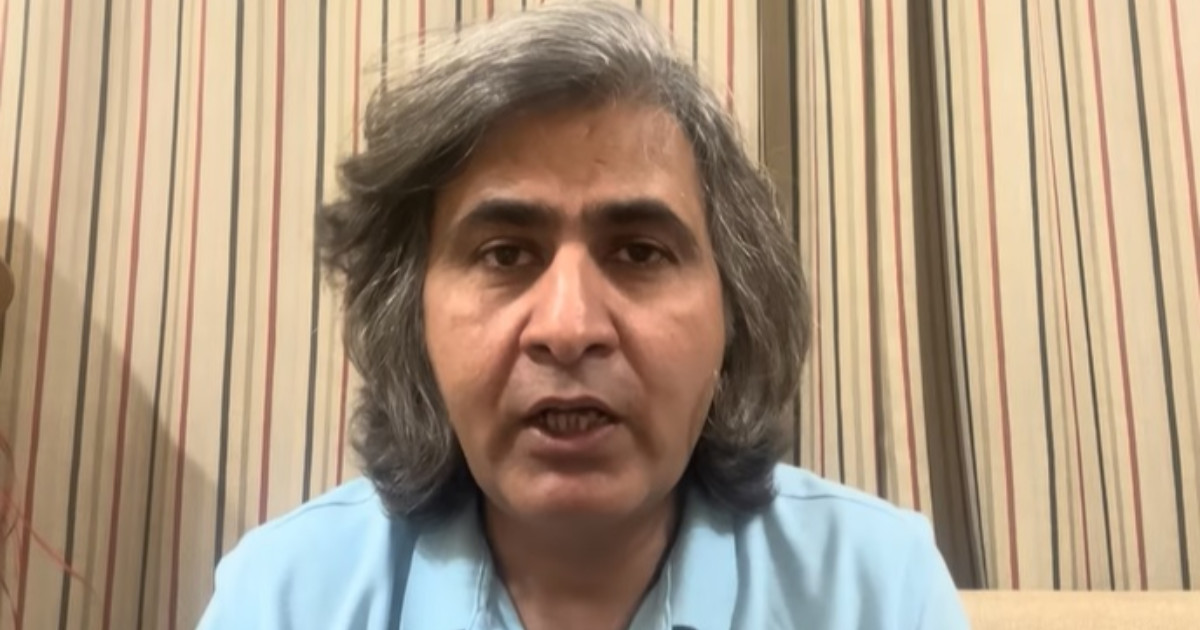
Among the cases documented was the July 15 arrest of N News Editor-in-Chief Syed Zeeshan Gillani in Narowal after a court dismissed his pre-arrest bail petition in a PECA case. The proceedings stemmed from a program broadcast in March concerning the Mall of Multan. Four PECA cases had been registered against Gillani and N News following a complaint alleging false information. He was granted post-arrest bail on July 21, although Freedom Network reported that he remained in custody at that stage because the required surety bonds had not been furnished.
Journalists face notices, FIRs and inquiries
In Layyah, Press Club President and Layyah Today publisher Mohsin Adeel Chaudhry and Sach News journalist Zahoor Durrani were named in an Anti-Corruption Establishment FIR concerning the Layyah E-Commerce College scandal. Both denied the allegations against them and maintained that their inclusion in the case was retaliation for their reporting. They obtained interim bail, while journalist organizations called for an impartial investigation.
NCCIA proceedings figured prominently in several other cases. Journalist and YouTuber Imran Shafqat was directed to appear before the agency's Cyber Crime Reporting Centre in Multan in an inquiry registered on July 24. The notice alleged that he had disseminated false, fabricated, malicious and baseless material targeting government institutions and public dignitaries. The summons constituted part of an inquiry and did not establish guilt.
Lahore Rang reporter and anchor Muhammad Awais was the subject of a complaint seeking NCCIA action under PECA over a video recorded during a reporting assignment. Islamabad-based journalist Fayyaz Tanoli was separately summoned in an NCCIA inquiry following a complaint alleging online defamation arising from comments made during a podcast interview.
Courts scrutinize NCCIA procedures
Journalist and YouTuber Asad Ali Toor was summoned by the NCCIA on July 29 in an inquiry under Section 26A of PECA concerning alleged dissemination of false or fake information. Toor challenged the notice after requesting details of the complaint and the material under investigation.
On July 31, the Islamabad High Court directed the NCCIA to provide Toor with details of the allegations before proceeding with the inquiry, reinforcing questions about due process in cybercrime investigations involving journalists. Subsequent proceedings on August 6 brought further interim protection when the court restrained the investigating officer from harassing Toor and summoned the officer to appear before it.
The Toor case is significant because it extends the July pattern beyond the number of notices issued and toward judicial scrutiny of how NCCIA investigations are conducted. The dispute centers not only on Section 26A but also on whether journalists summoned under cybercrime procedures receive enough information about allegations to respond effectively.
Threats extend beyond PECA
Freedom Network also documented pressure outside formal cybercrime investigations. Freelance journalist Lal Wazir received a legal notice over reporting concerning allegations raised during a protest, while The Pakhtunkhwa Times anchor Amar Elahi received an anonymous threat after hosting a podcast on terrorism and security in Khyber Pakhtunkhwa. Pakistan TV reporter Mahnoor Qureshi reported online harassment following her election coverage in Azad Jammu and Kashmir.
In Khanewal, Asia Urdu correspondent Mehr Hasnain Sheikhana was arrested after reportedly recording people allegedly being held at an unofficial police detention facility. Five criminal cases were subsequently registered against him. Local journalists alleged the action was retaliation for his reporting and said he faced successive re-arrests after obtaining bail in individual cases. Freedom Network said a magistrate's report indicated that Sheikhana was not identified during an identification parade.
Editorial independence also under scrutiny
Freedom Network classified the discontinuation of veteran journalist Munizae Jahangir's current affairs program Spotlight on Aaj TV as a censorship case. Jahangir presented the final edition on July 22, ending an association of more than 11 years with the channel.
Journalist organizations and civil society groups raised concerns that editorial pressure might have played a role. Freedom Network, however, noted that allegations of external pressure had not been independently verified and that neither Jahangir nor Aaj TV had publicly confirmed that such pressure led to the program's discontinuation.
Taken together, the July figures show that legal and digital mechanisms constituted the central pressure point identified by Freedom Network during the month. More than half of the documented incidents involved PECA or the NCCIA, while state actors were suspected in nearly two-thirds of all cases.
The report's findings come amid continuing scrutiny of Pakistan's cybercrime framework and its application to journalistic and online expression. Freedom Network's report tracks media-related laws and regulations, professional standards, the media economy, and threats and attacks against journalists and information practitioners.
ATTRIBUTION: Based on Freedom Network's July 2026 monthly report on threats and violations against journalists, published on August 17, 2026. Additional developments were verified through publicly available court reporting and records concerning NCCIA proceedings involving Asad Ali Toor.
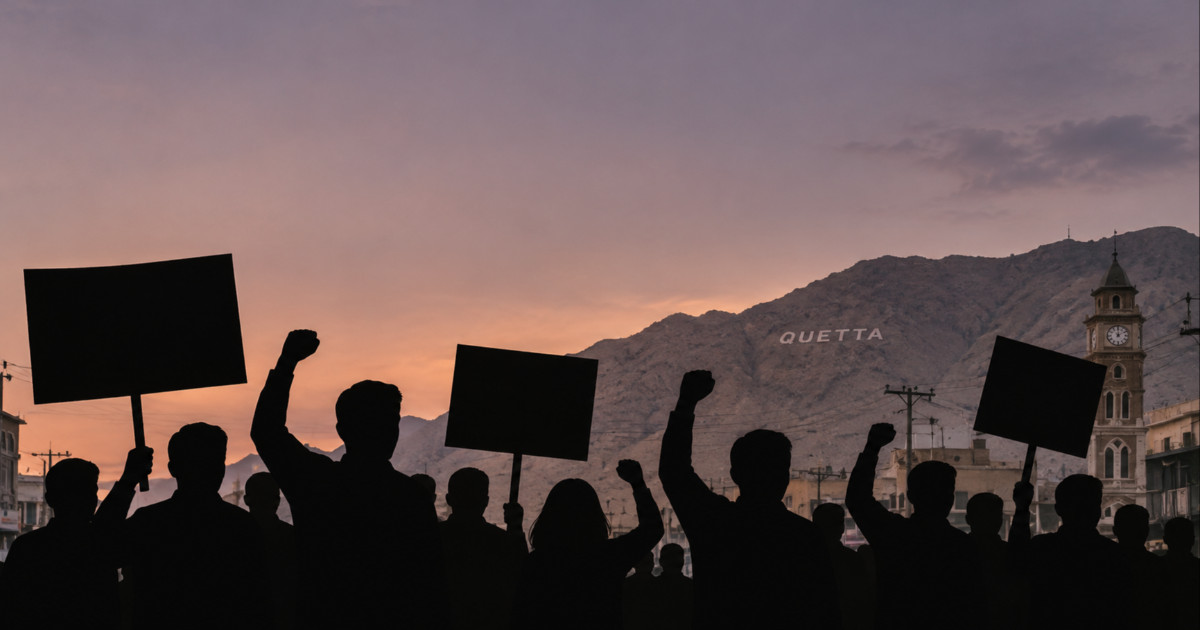
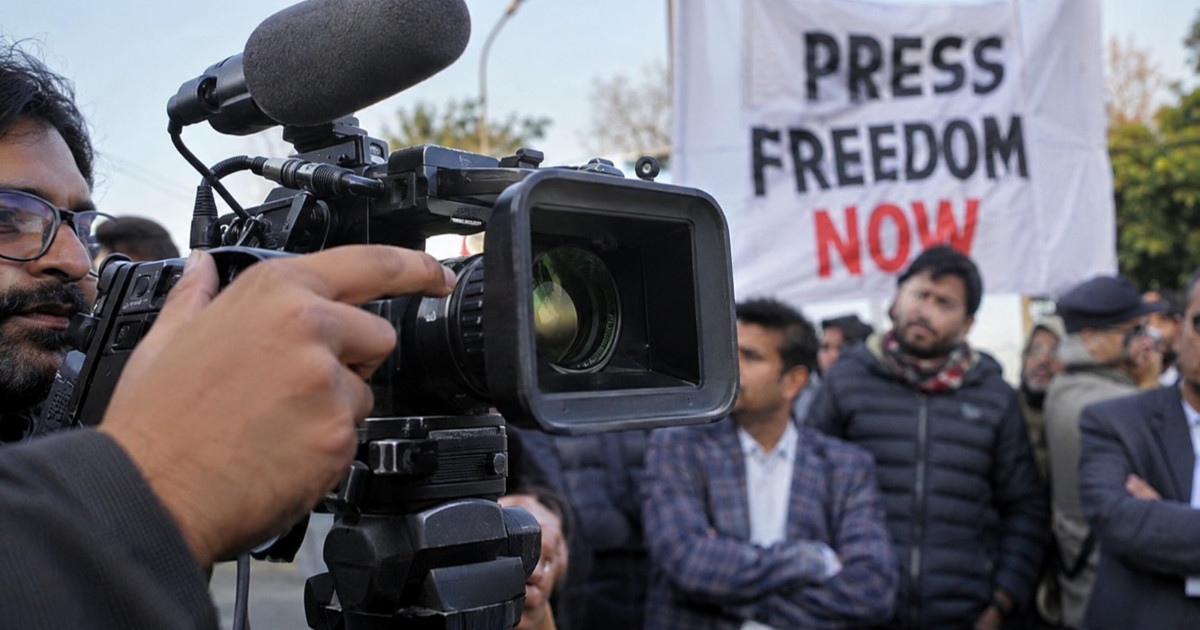
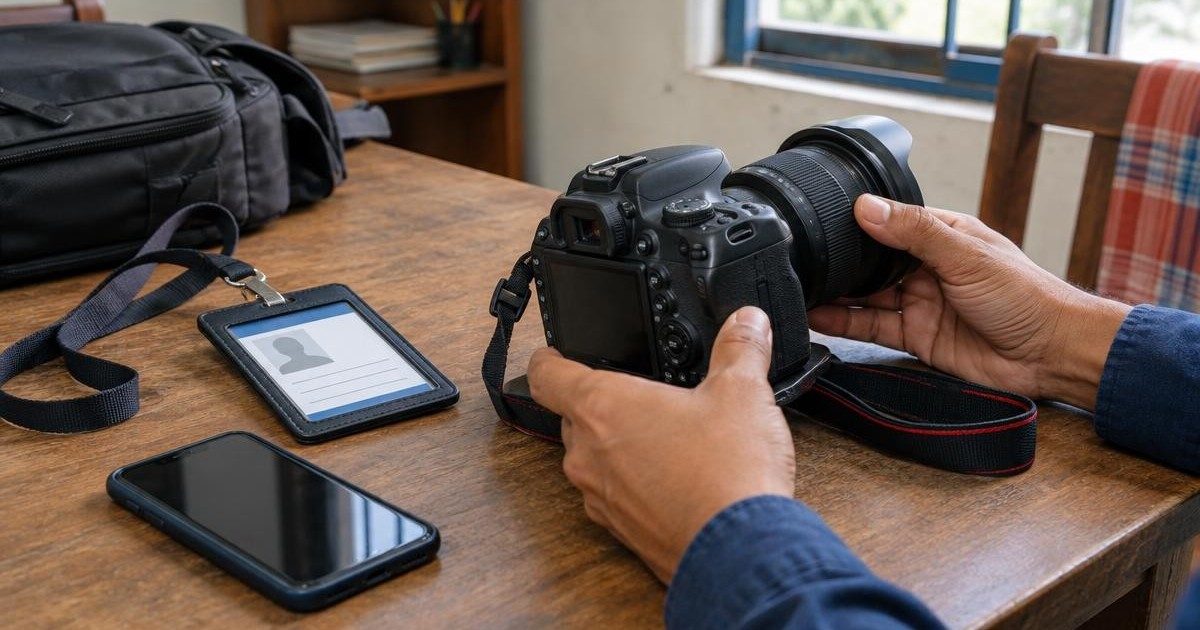
PHOTO: AI-generated; for illustrative purposes only.
Key Points
- Six of 11 documented threats in July were linked to PECA legal actions or NCCIA investigations.
- Punjab recorded six cases, Islamabad three, and Khyber Pakhtunkhwa and AJK one each.
- State actors were suspected in seven of the 11 incidents.
- Media types affected included five digital media professionals, four electronic and two print journalists.
- Notable case: the July 15 arrest of N News Editor-in-Chief Syed Zeeshan Gillani in a PECA-related matter.
Key Questions & Answers
What did the Freedom Network report find?
It found that in July six of 11 documented threats and violations against journalists were linked to PECA legal actions or investigations by the NCCIA.
Which region saw the most cases?
Punjab recorded the highest number with six documented cases, followed by Islamabad with three.
Who were the suspected perpetrators?
State actors were suspected in seven incidents, non-state actors in three, and one case was attributed to other actors.
What types of media professionals were affected?
The cases involved five digital media professionals, four electronic media professionals and two print media professionals.
Relevant Topics
Ask AI: Understand this story your way
AI EnabledDig deeper, ask anything — get instant context, background, and clarity.
Disclaimer: This feature is powered by AI and is intended to help readers explore and understand news stories more easily. While we strive for accuracy, AI-generated responses may occasionally be incomplete or reflect limitations in the underlying model. This feature does not represent the editorial views of JournalismPakistan. For our full, verified reporting, please refer to the original article.